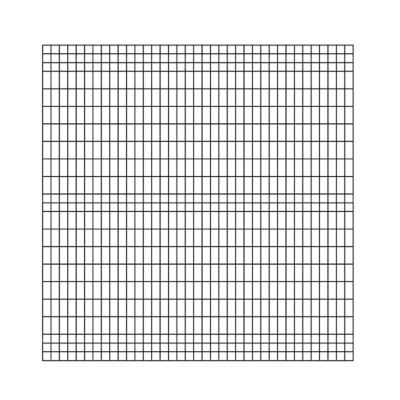
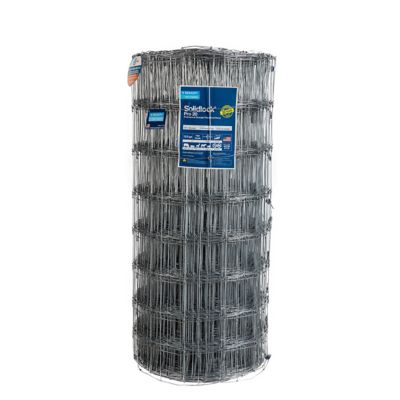
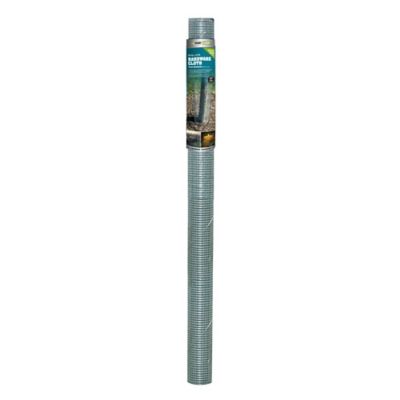
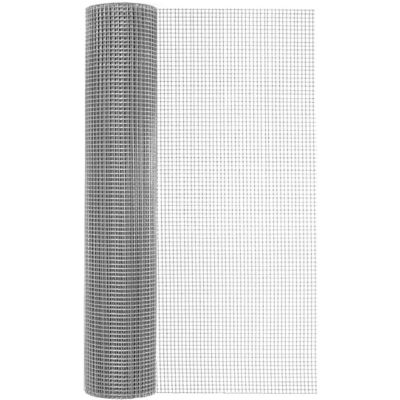
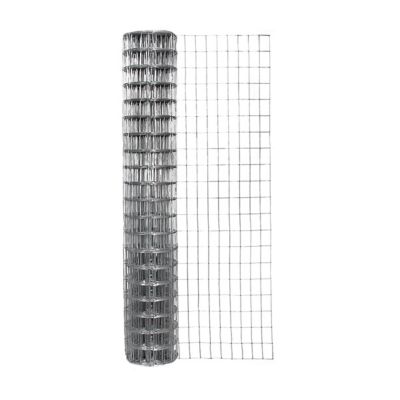
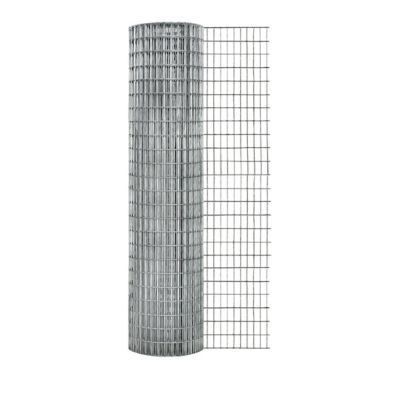
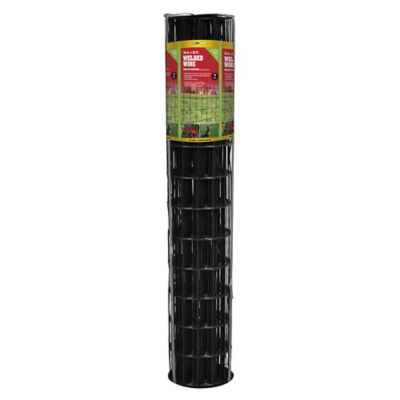
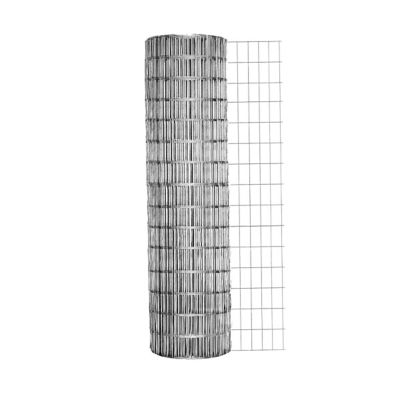
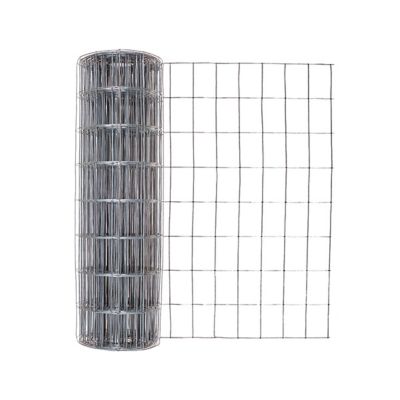
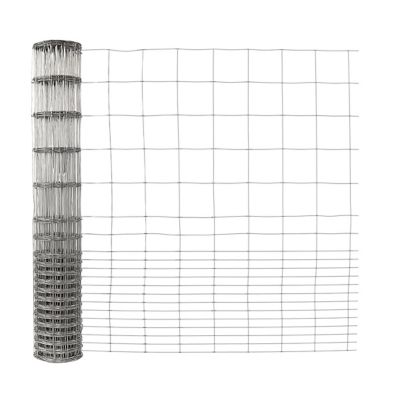
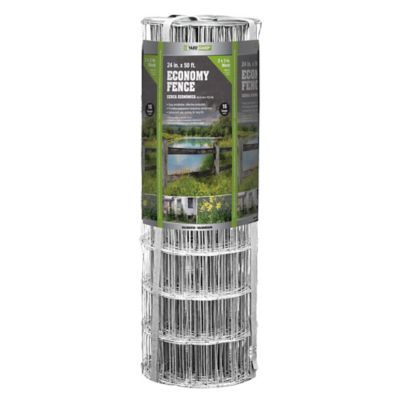
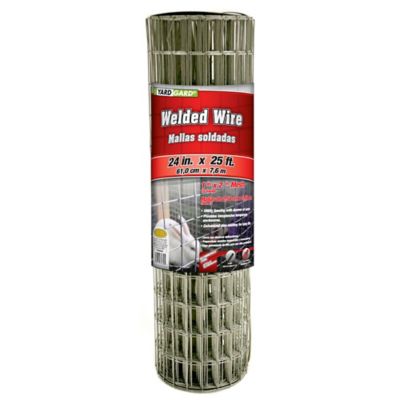
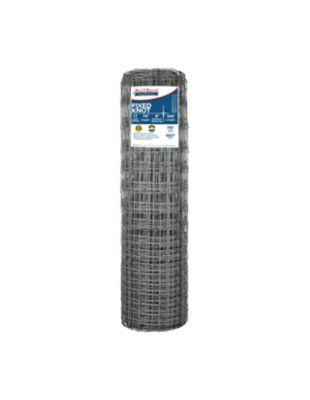
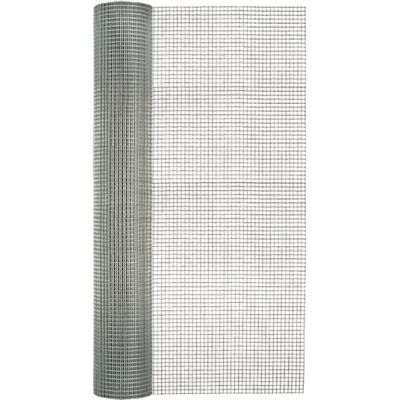
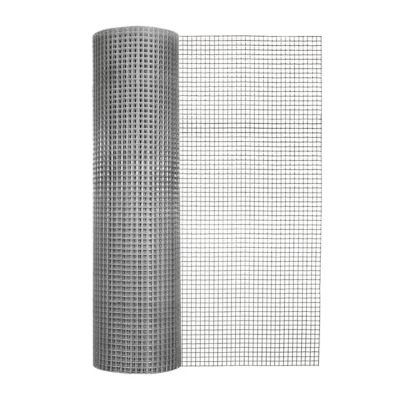
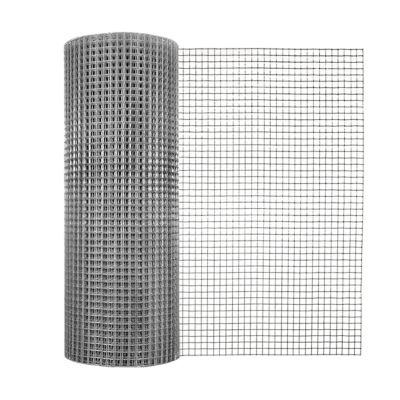
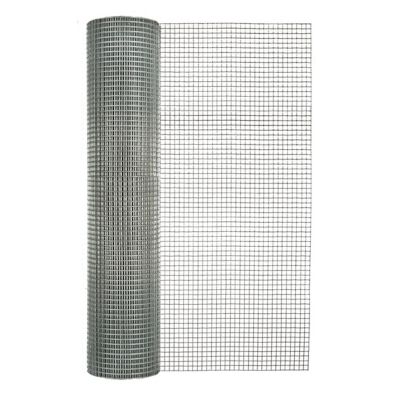
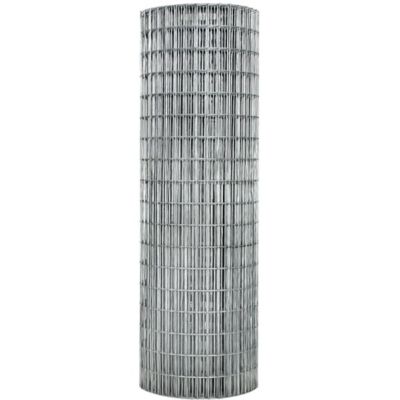
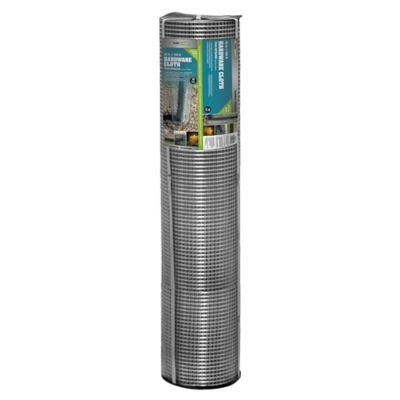
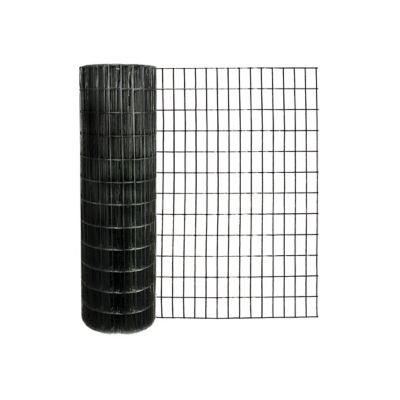
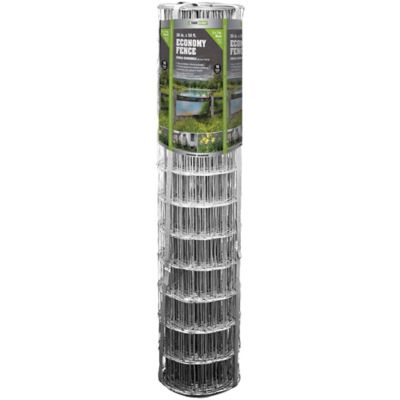
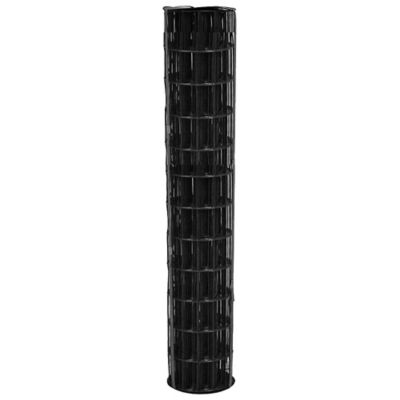
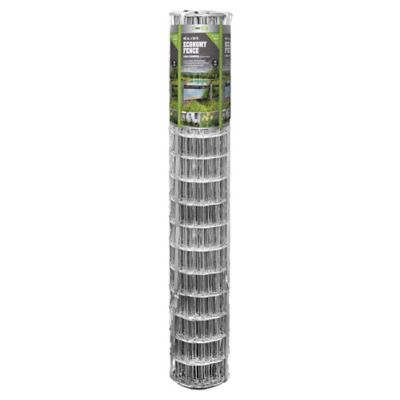
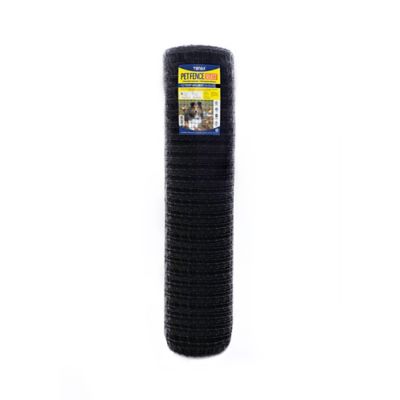
Steel mesh fences are a dependable choice when you need a practical barrier around a garden, animal area, driveway, or stretch of property. Made from steel wire arranged in welded or woven grids, these fences offer a balance of strength, visibility, and easy upkeep. They can help keep dogs, poultry, rabbits, and other animals where they belong, while also creating a physical barrier against deer, digging pets, and garden pests. Many homeowners use them to protect raised beds, berry patches, young trees, and compost areas, especially when plants are most tempting to hungry wildlife. On a small farm, steel mesh may be used for temporary pens, feed-lot dividers, brooder runs, or garden perimeters. Around a rural home, it can mark a boundary without blocking the view across the pasture. Mesh fencing is also handy for projects such as securing a woodpile, enclosing an outdoor work area, or making a simple support for climbing plants. Compared with solid fencing, the open grid lets sunlight and air pass through and makes it easier to keep an eye on animals or crops. Before choosing a fence, think about what you are containing, what you are keeping out, and how much pressure the barrier may face. A calm garden border has different needs than a dog run, livestock pen, or deer fence. Active dogs may lean, paw, or push against the wire, while goats and larger animals can test weak points with surprising persistence. For those jobs, look for a heavier construction and strong posts set firmly in the ground. If the goal is stopping small garden pests, a tighter mesh is usually more useful than a taller fence with wide openings. Steel mesh fences can be cut, shaped, and installed to fit straight runs, corners, gates, and uneven ground, making them a good option for both planned projects and quick repairs.
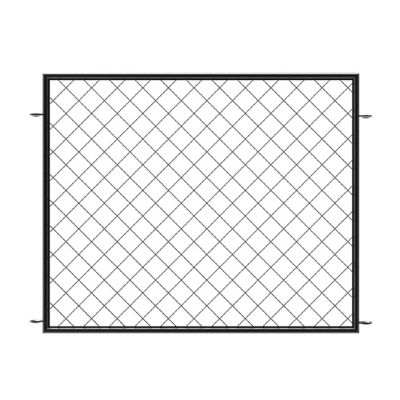
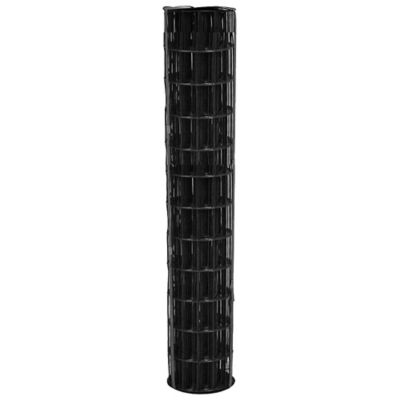
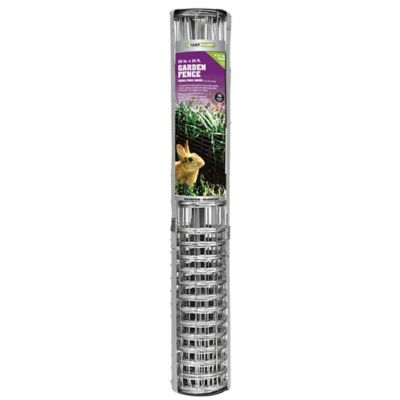
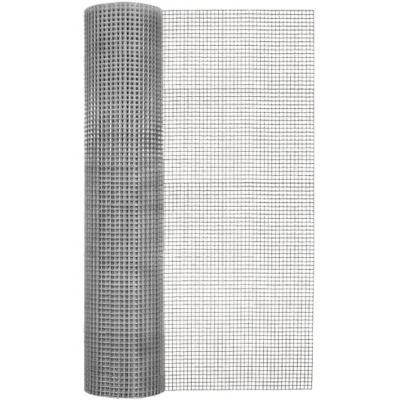
Wire thickness is one of the most important details to compare. Gauge numbers run backward, so a lower gauge indicates thicker wire; heavier 9- to 12.5-gauge material is generally suited to demanding enclosures and longer-lasting farm projects, while 14- to 16-gauge options may work well for lighter garden use and everyday boundary applications. The right choice depends on the animal, fence height, post spacing, and whether the fence will be permanent or seasonal. Mesh opening matters just as much. Small openings around 1/4 inch to 1/2 inch can help block rodents, snakes, and other small intruders, although very fine mesh may collect leaves and be harder to handle. Openings around 1 inch or 2 inches are common for garden protection, poultry areas, and smaller pets. Larger openings around 2 inches to 4 inches can work for dogs, deer, and general property barriers, provided the wire is heavy enough for the job. Keep the animal’s head, feet, and nose size in mind, and avoid openings that could allow a pet or young animal to become caught. Fence height should also match the problem. A low border may discourage rabbits, while deer protection typically calls for a taller barrier or an angled design that makes jumping less inviting. Coating affects both appearance and service life. Galvanized steel has a zinc coating that helps resist rust, making it a sensible choice for exposed farm and yard use. PVC-coated wire adds another protective layer and often has a darker finish that blends into landscaping. Powder-coated panels can offer a clean, finished look for entryways, patios, and residential boundaries. Any coating can be damaged during cutting or installation, so touch up exposed areas as needed and keep the bottom edge from sitting in constantly wet soil. When comparing rolls or panels, check the listed length, height, wire gauge, mesh dimensions, and finish rather than judging by appearance alone. A little time spent reading those measurements can prevent a frustrating trip back to the store when the fence comes up short.
Good planning makes steel mesh fence installation much easier. Start by measuring the full run, then add extra material for corners, overlaps, gates, and mistakes. Walk the line with a tape measure and mark turns, low spots, trees, buildings, and existing gates. Call the appropriate utility-locate service before digging, and check local rules if the fence will sit near a road, property line, drainage area, or livestock enclosure. Posts need to match the fence and the ground conditions; wood, steel, and T-post systems each have their place. Set corner and gate posts especially well because they carry more tension than line posts. For a roll fence, unroll it gradually and keep it supported so it does not kink or fold. Fasten the mesh securely with the right clips, staples, ties, or hardware, and leave enough flexibility to follow the land without creating loose pockets where an animal can push underneath. Along the bottom, close gaps with a buried edge, ground pins, or a short outward apron when digging animals are a concern. Keep the wire tight, but avoid pulling so hard that the mesh bows or the posts lean. Wear gloves, eye protection, long sleeves, and sturdy boots when cutting or handling steel wire; freshly cut ends can be sharp enough to catch skin or clothing. Check the finished fence for snags, lifted edges, and places where small animals could squeeze through. During the cooler months, fallen leaves and wet ground can hide gaps, so a quick walk around the enclosure after storms is worthwhile. As weather warms, inspect posts, fasteners, and coated surfaces before gardens fill in and animals become more active. With the right mesh size, wire gauge, coating, and support system, a steel mesh fence can serve for years with simple routine care. For additional options and project ideas, browse
Wire Meshes to compare mesh styles for gardens, animals, repairs, and property projects.