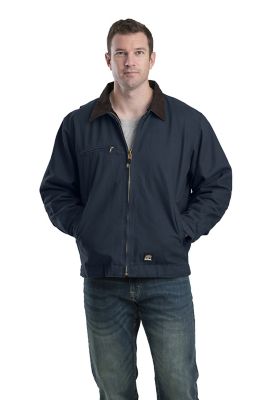
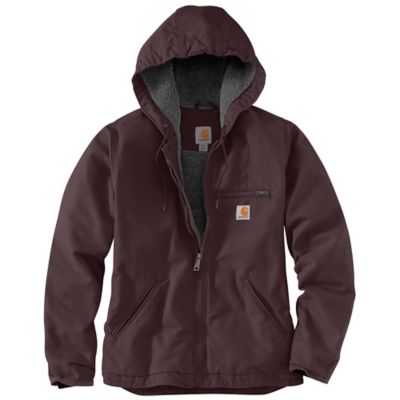
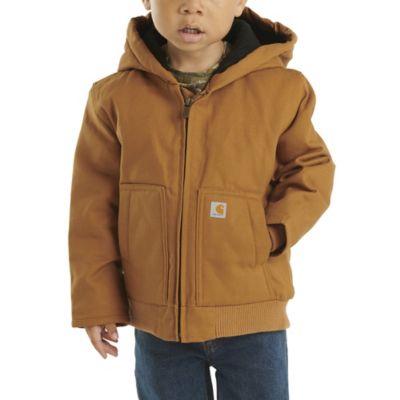
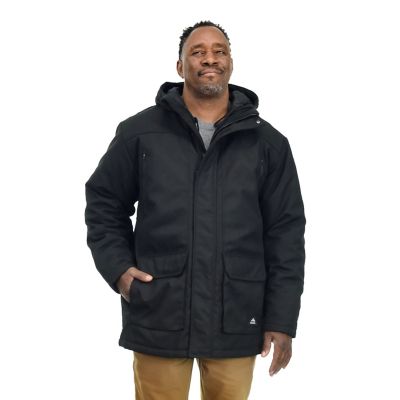
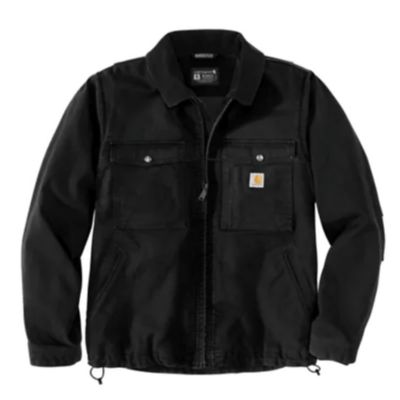
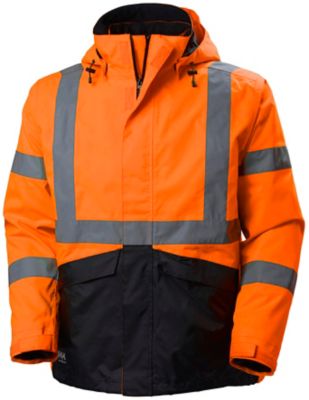
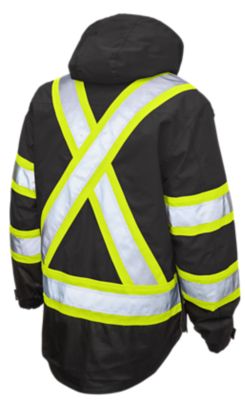
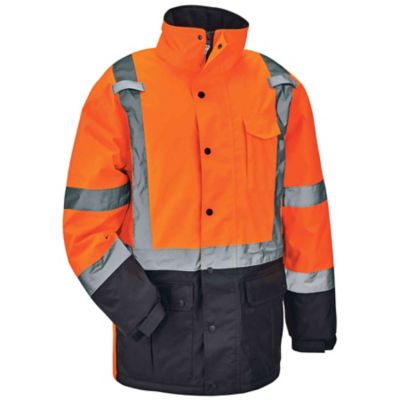
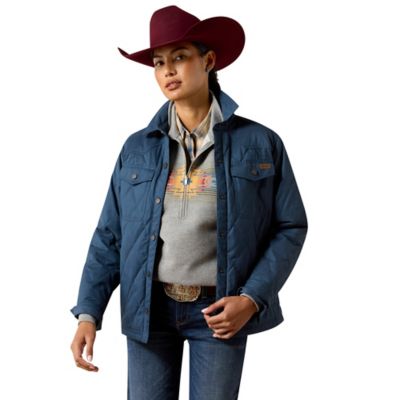
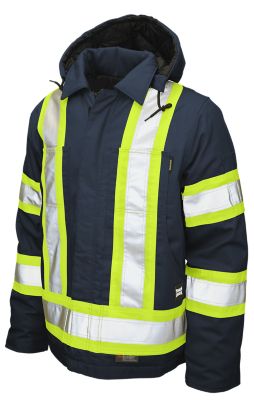
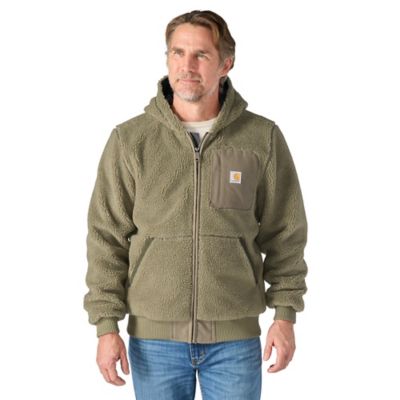
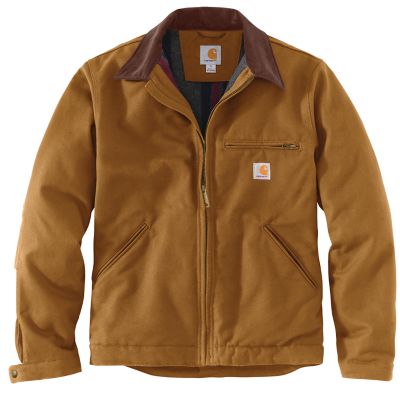
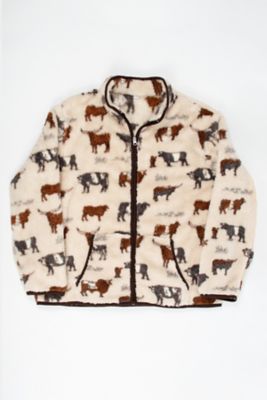
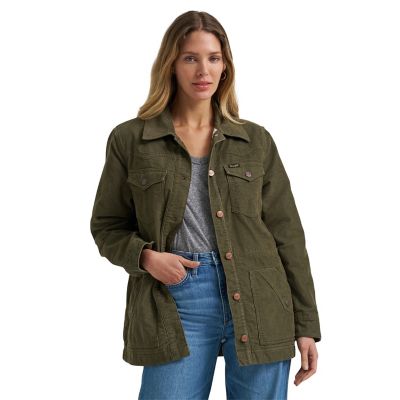
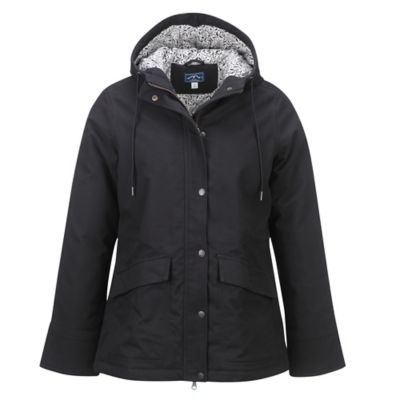
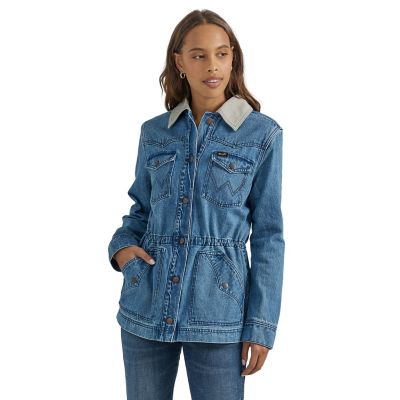
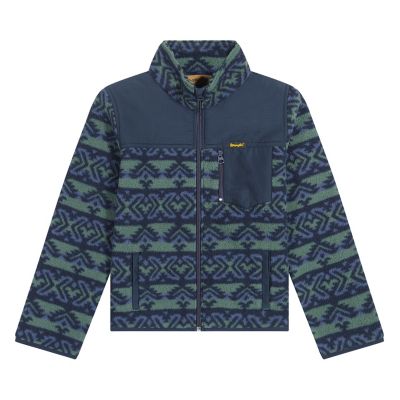
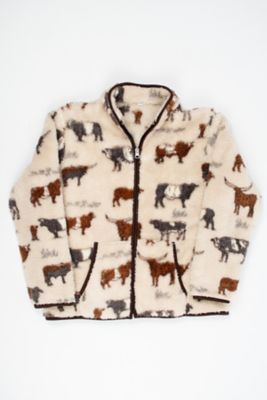
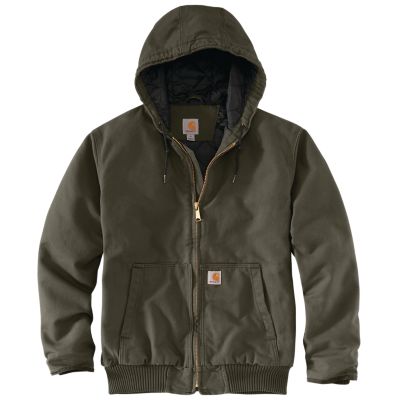
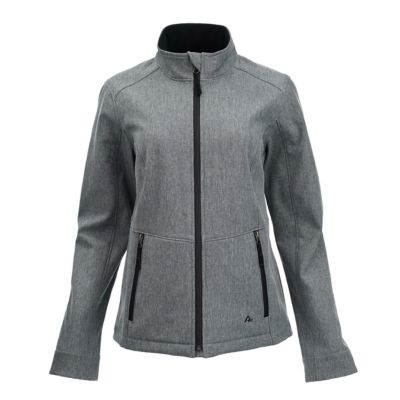
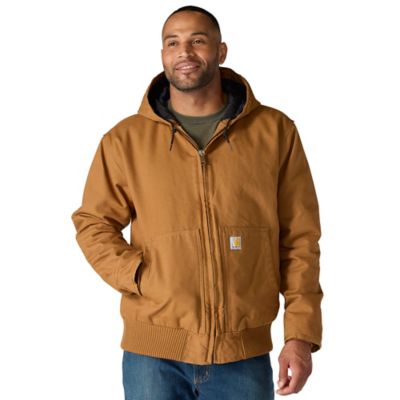
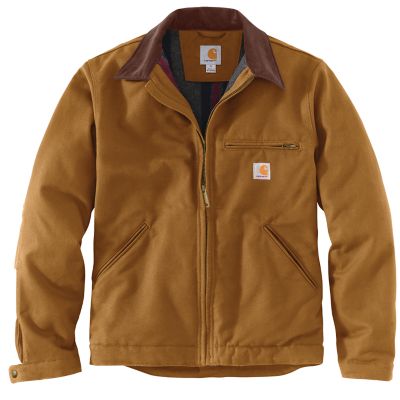
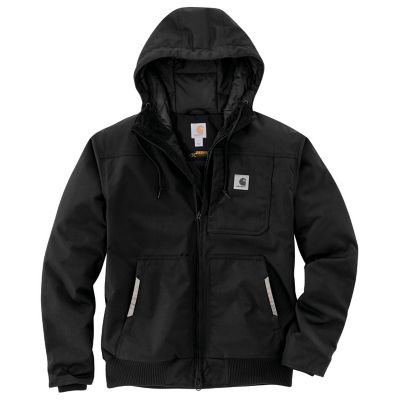
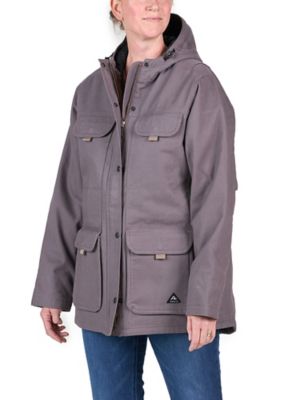
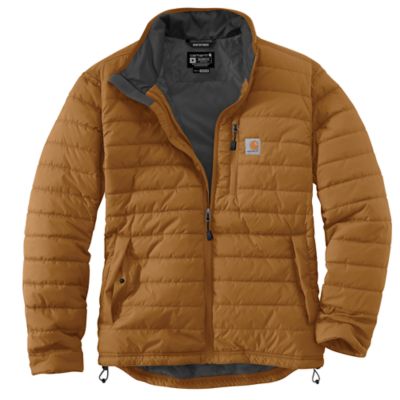
Winter farm jackets bring together insulation, wind protection, and outer fabrics that can take the rubbing and scraping of everyday chores. The right balance depends on whether the day means carrying feed before daylight, checking fence on an open pasture, or climbing in and out of a tractor cab. Standing beside a frozen water trough calls for a different level of warmth than pitching bedding in a sheltered barn, where steady movement can build heat fast. Tightly woven cotton duck and canvas are common choices for their substantial feel and resistance to abrasion, while nylon and polyester shells can offer a lighter feel and help shed moisture when treated for that purpose. Fabric alone does not tell the whole story: a water-resistant finish handles light precipitation differently from a waterproof construction with sealed seams. For longer stretches in wet snow or rain, the jacket’s stated weather protection matters more than how heavy it feels on a hanger. Wind-blocking fabric, a covered front zipper, and cuffs that close snugly can help limit drafts across an exposed yard. Inside, synthetic insulation can be a practical match for damp working conditions, while down offers warmth with less weight but needs protection from moisture to maintain its loft. Fleece and quilted linings add different levels of warmth and weight, so lining thickness belongs in the same conversation as workload and layering. A thick jacket is not automatically the best choice for every job. Breathable construction and a front closure that is easy to adjust help manage heat when unloading feed or stacking split wood. For work that moves between a chilly barn, an open lot, and a heated cab, that flexibility can matter as much as insulation. A jacket should suit the coldest part of the routine without making every active stretch feel stuffy, heavy, or hard to move through.
Fit makes a real difference when a winter farm jacket has to do more than cover a walk from the house to the truck. Enough room through the shoulders and upper back allows a comfortable reach toward a gate latch or an overhead shelf, while shaped elbows and gusseted underarms can ease the pull when lifting a feed sack. There should be space for a base layer and a sweatshirt without stretching the zipper or bunching fabric beneath the arms. Too much extra room, though, can leave gaps for drafts and loose material near moving equipment. Sleeve length deserves attention with arms extended, not just hanging at the sides, because a cuff that rides up can leave a strip of wrist exposed between jacket and glove. Adjustable cuffs help close that gap, and a longer back hem adds coverage when bending over a trough or leaning into a truck bed. A shorter cut can feel less restrictive when seated, provided it still overlaps the layers beneath it. Comparing
Men's Winter Work Jackets means weighing those same details against body measurements, usual layers, and the kind of work ahead. Collar height, hood shape, and pocket placement also affect how a jacket feels through a full round of chores. A hood should allow clear side vision and turn comfortably with the head, while a collar needs enough room to close without pressing against the chin. Zipper pulls that are easy to grasp with gloves save fumbling at a windy gate. Deep pockets with secure closures help keep small essentials from slipping out when crouching, and hand pockets are most useful when they remain reachable over heavier layers. Smooth sleeve linings can make it easier to pull a jacket over a flannel or fleece without dragging the cuffs up. These details may seem small indoors, but they become noticeable after repeated trips between the barn, the feed room, and the far end of the yard.
Construction and care help determine how a farm jacket holds up after those trips add up. Reinforced elbows, firmly attached pocket edges, and stitching at high-strain points are worth a close look for work around rough boards, stacked firewood, and fence posts. A sturdy front closure matters when it gets opened and shut throughout the day, and a storm flap should lie flat rather than catch on everything nearby. No everyday jacket replaces protective clothing required for a particular task, especially work involving flame, sparks, chemicals, or specialized equipment. Intended use should match the garment’s stated features rather than its rugged appearance alone. Keeping a jacket in working shape also depends on its fabric, insulation, and care label. Dried mud can often be brushed from the surface before cleaning, while manure, oil, and other contamination call for appropriate attention rather than being left in the fabric. Washing instructions vary: some jackets allow machine washing, while others need a different approach to protect their finish or insulation. Detergent choice, wash temperature, and drying method can affect water repellency and loft, so the label is a better reference than a single routine for every coat. Thorough drying before storage helps prevent lingering dampness, and a hook or hanger that supports the garment keeps it off a muddy floor. Checking a loose seam or damaged zipper early can keep a small repair from becoming a bigger interruption during chores. Winter farm jackets can also make thoughtful gifts for livestock owners, horse keepers, acreage owners, and anyone whose day includes outdoor work. The most helpful details are the recipient’s measurements, preferred jacket length, usual layers, and whether the routine involves active lifting or long stretches standing in the cold. A jacket that fits those habits earns its place by the door, ready for the early feed round, the last gate check, and the work in between.