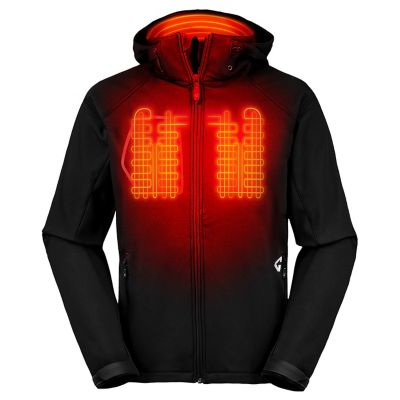
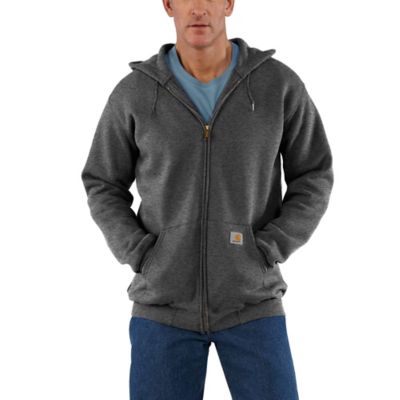
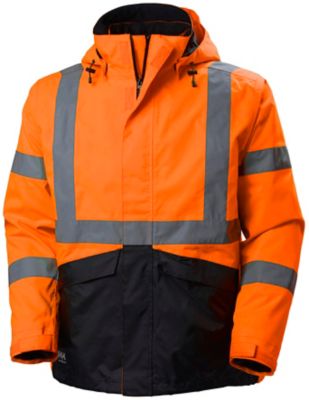
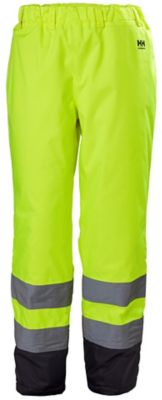
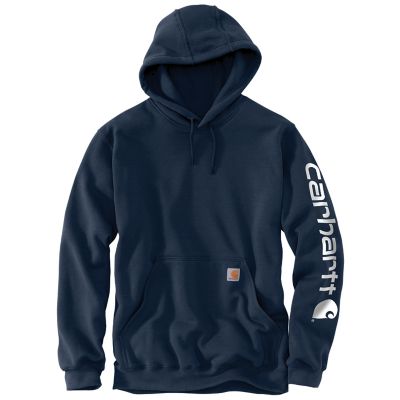
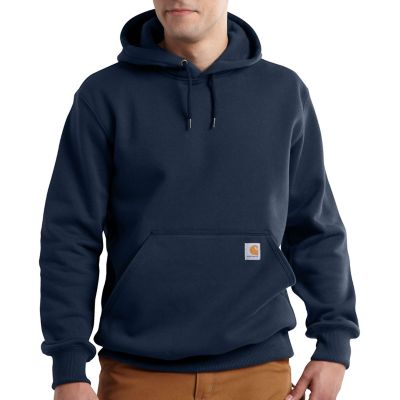
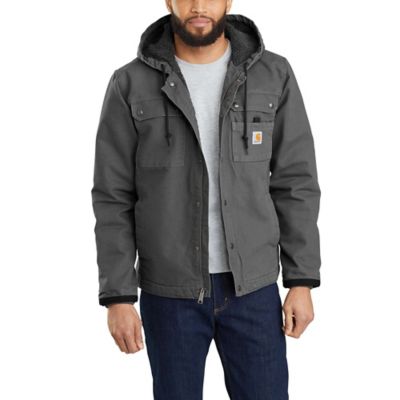
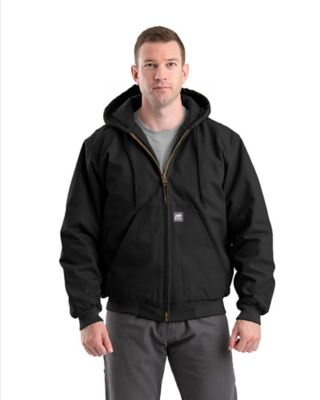
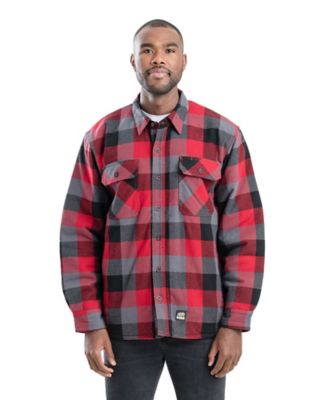
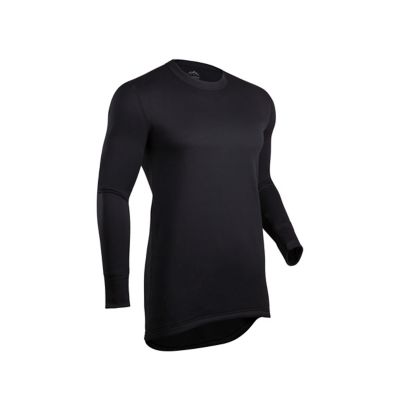
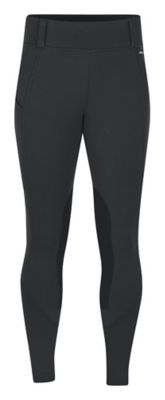
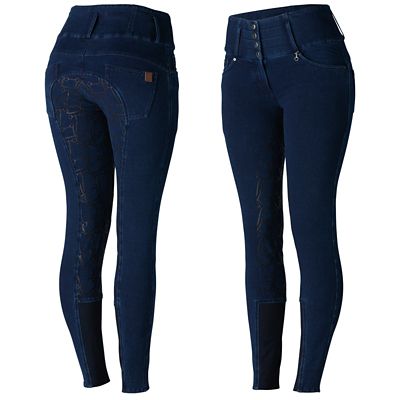
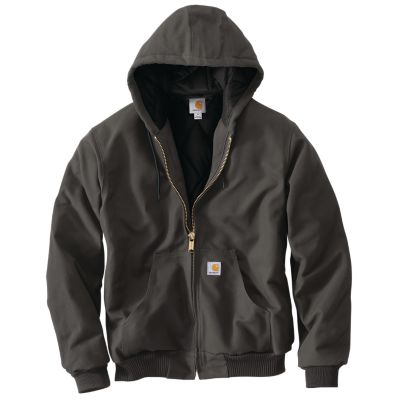
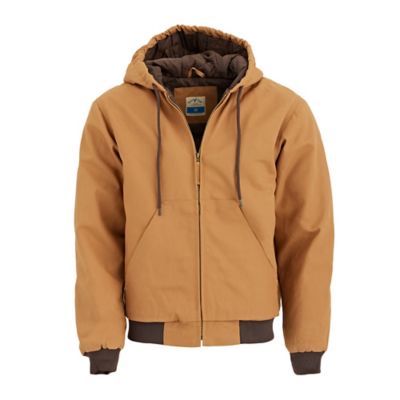
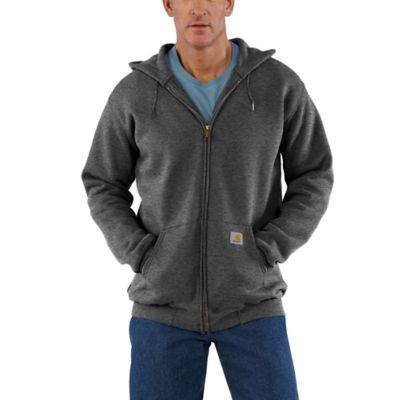
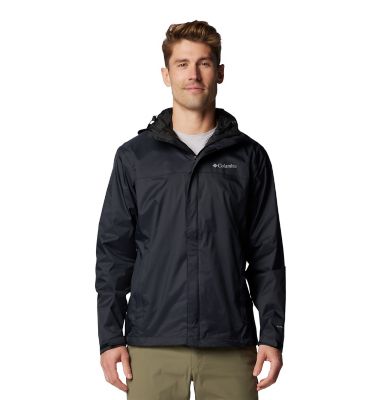
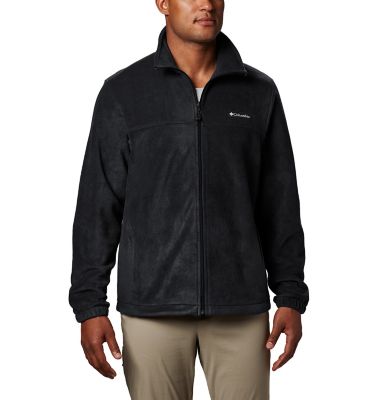
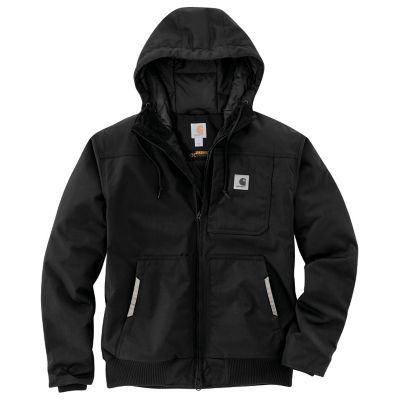
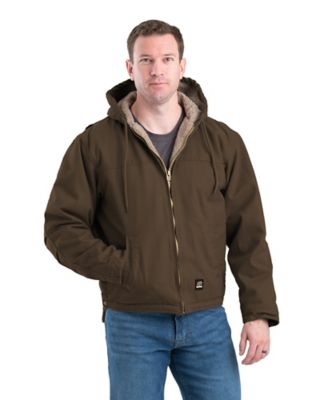
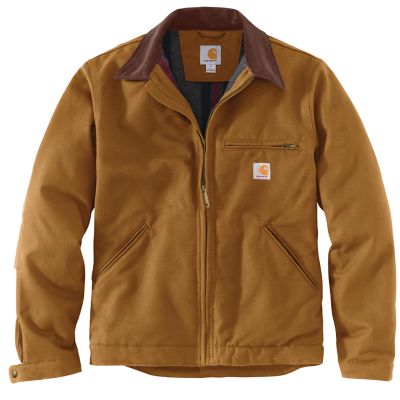
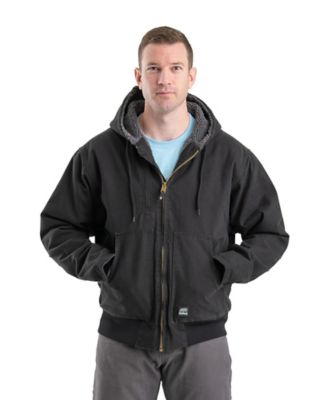
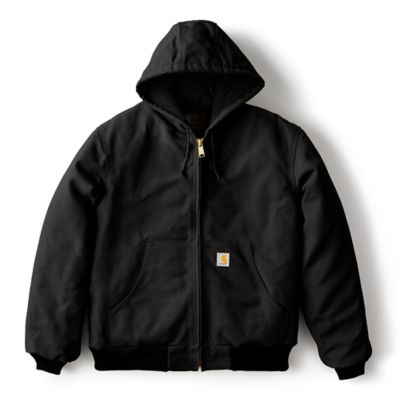
Nice winter clothes help make the cooler months more comfortable, whether you’re feeding animals before sunrise, walking the dog along a frosty fence line, heading into town, or simply trying to stay cozy around the house. The best cold-weather wardrobe usually works as a simple three-layer system: a moisture-wicking base layer next to your skin, an insulating middle layer to hold in warmth, and a weather-resistant outer layer to help block wind, rain, sleet, or light snow. Starting with the base layer matters more than many folks expect. A soft thermal shirt and comfortable long underwear can help move perspiration away from your skin, which keeps you drier when you’re working hard and then standing still. Merino wool is a popular choice because it helps regulate body temperature, resists odors, and stays warm even when it picks up a little moisture. Synthetic blends can also offer dependable moisture control, quick drying, and easy care. For the middle layer, fleece pullovers, knit sweaters, insulated vests, and warm hoodies add breathable insulation without always feeling bulky. This is the layer you can shed when carrying hay, stacking firewood, or working in a heated shop, then pull back on when the wind picks up. Look for comfortable cuffs, a useful collar, and enough room to move your shoulders without the fabric riding up. A good outer layer should fit over the layers beneath it while still allowing a full range of motion. For help finding a dependable top layer, browse
Warm Winter Coats, then consider the conditions you face most often. A water-resistant finish can be handy during damp weather, while wind-resistant fabric makes a noticeable difference on an open field or a long walk from the barn. Insulation may be natural or synthetic, and each has its place; what matters most is choosing warmth that matches your activity level, local weather, and comfort.
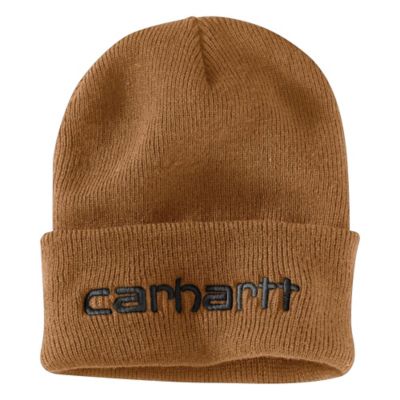
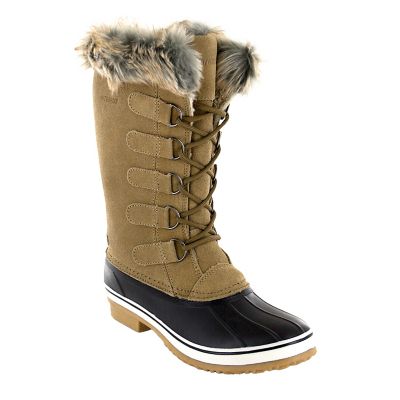
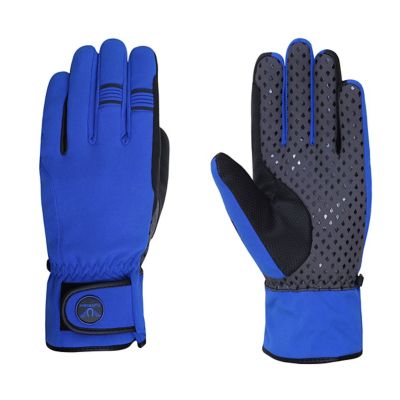
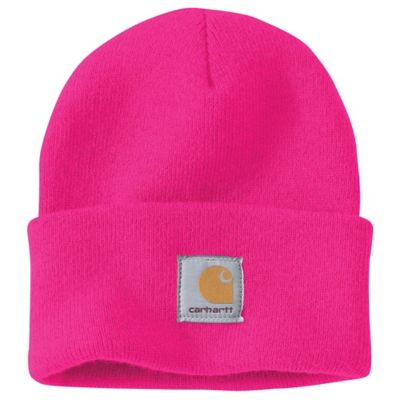
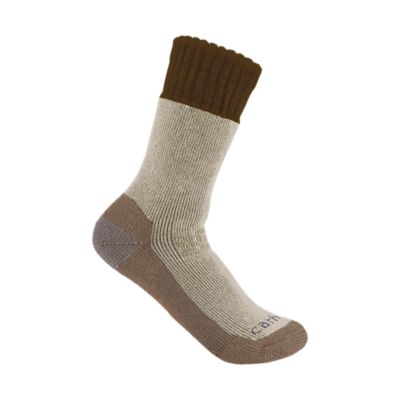
When choosing nice winter clothes, pay attention to the small details that make a garment pleasant to wear all day. A high collar or adjustable hood helps seal out a sharp breeze, while a full-length zipper makes it easier to regulate heat when moving between the truck, barn, store, and house. Deep pockets give you a place for gloves, keys, a phone, or a handful of treats for the dog. Zippered pockets help keep important items secure when you’re climbing steps or bending over, and reinforced areas can be worthwhile for chores that involve gates, tools, brush, or rough surfaces. Check the fabric weight and fit rather than relying on appearance alone. A thick-looking jacket may feel restrictive, while a lighter garment can be plenty warm when paired with a thermal base and insulating layer. Look for sleeves that reach the wrist without leaving a gap when you reach forward, a hem that stays put when you sit, and a cut that leaves room for a sweatshirt underneath. For everyday wear, neutral colors and classic shapes are easy to pair with jeans, work pants, boots, and casual shoes. For outdoor work, visibility, washable fabrics, and durable stitching may matter more than a dressier finish. Warm socks deserve attention, too. Wool-rich or wool-blend socks can help insulate feet while managing moisture, and a cushioned sole can make long hours on concrete, packed dirt, or cold floors easier on your feet. Avoid socks that bunch inside your boots, since wrinkles can create pressure spots and cold gaps. Gloves should balance warmth with dexterity, especially if you need to handle a lead rope, latch a gate, use a phone, or carry a bucket. A hat that covers the ears, along with a neck gaiter or scarf, can add welcome protection when the wind cuts across a pasture or driveway. Keeping an extra pair of socks and gloves in the truck or mudroom is a practical habit; dry backup gear can turn a damp, uncomfortable chore into a manageable one.
Nice winter clothes can also make thoughtful gifts for people who spend time outdoors or appreciate useful comfort during the colder season. A warm sweater, soft base layer, insulated vest, cozy socks, or lined hat can suit a parent who works outside, a neighbor who walks every morning, a college student facing a cold commute, or a friend who enjoys hiking, hunting, camping, or tending a backyard flock. When buying for someone else, focus on dependable basics and easy-to-wear colors if you are unsure about their style. Pay close attention to sizing, since layering pieces often need a little extra room without hanging loose, and check care instructions before choosing wool, fleece, or insulated materials. Someone who works around livestock may prefer sturdy fabrics and simple closures, while a person wearing winter clothes for errands may value a softer feel, a slimmer profile, or a polished look. Think about where the clothing will be used: damp climates call for quick-drying or water-resistant materials, windy open country makes a protective shell especially useful, and very cold conditions call for room to build a complete layered outfit. Clothing that works across several settings tends to earn a regular place by the back door. A reliable jacket gets grabbed for an early chore, a fleece becomes the go-to layer for a chilly evening, and warm socks often disappear into a favorite pair of boots. As the weather shifts through fall and into winter, having several flexible layers makes it easier to adjust without over-dressing or getting caught unprepared. Choose pieces that feel good against the skin, move naturally, stand up to regular washing, and fit the real work and routines of the person wearing them. That combination of comfort, warmth, and everyday usefulness is what makes winter clothing feel truly nice—not just on the rack, but from the first cold morning through the last chilly night.