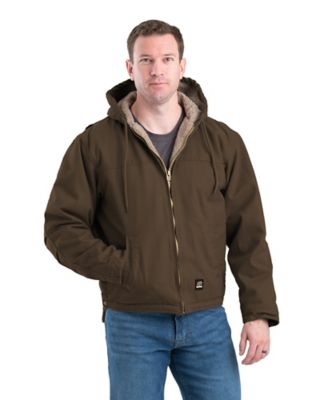
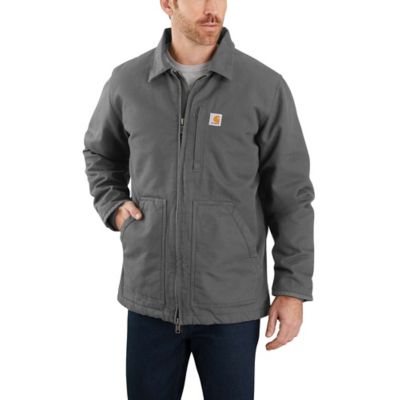
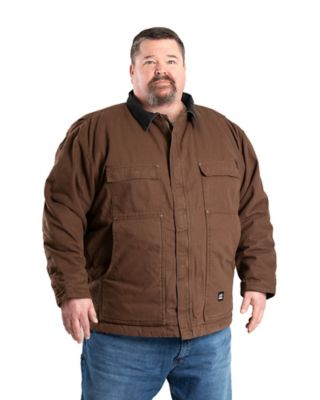
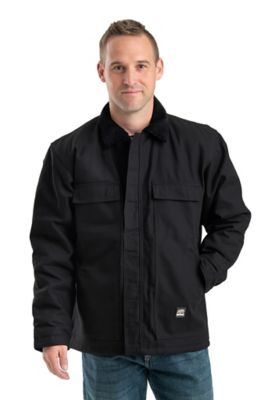
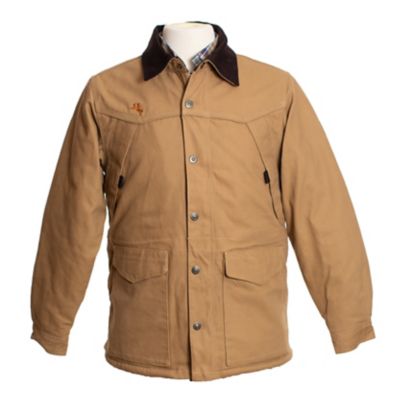
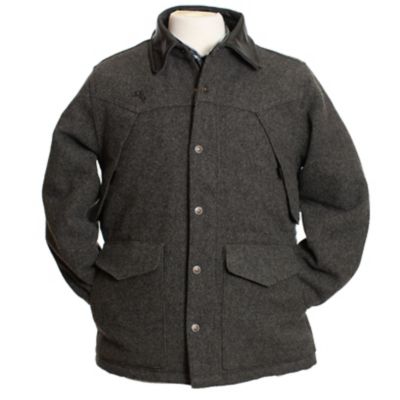
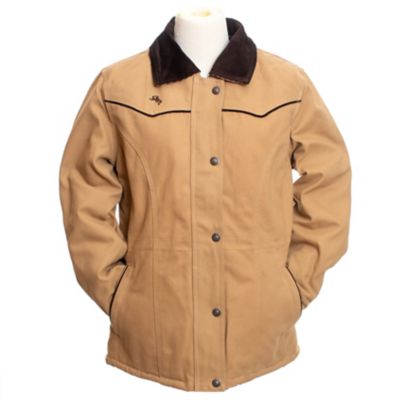
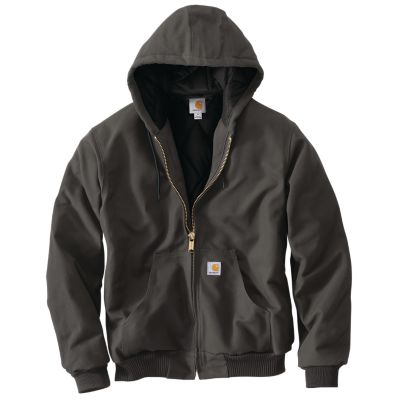
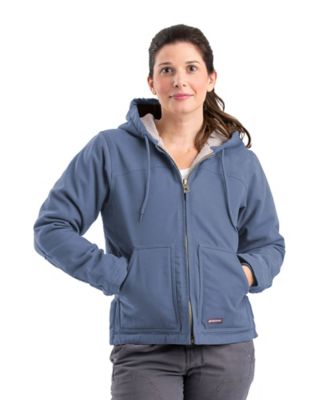
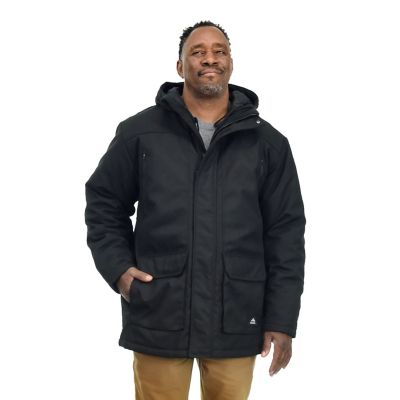
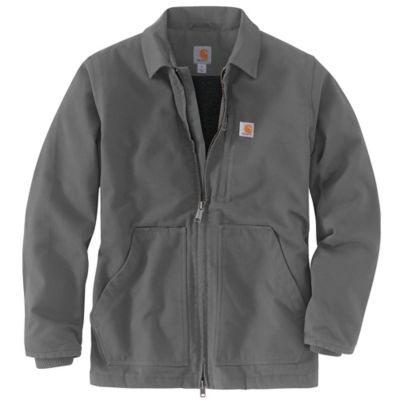
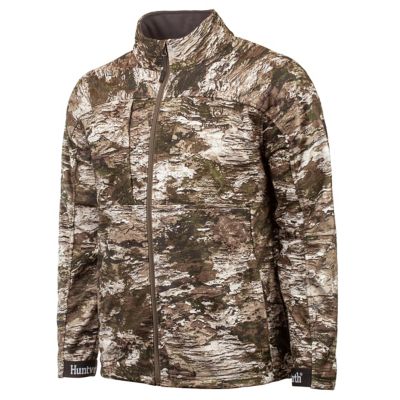
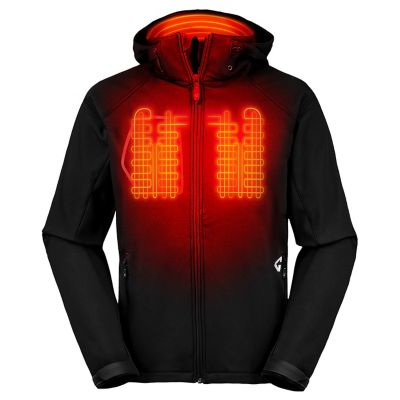
Warm winter coats help make cold-weather work, travel and everyday errands more comfortable when the wind starts cutting across the fields and frost settles over the truck windshield. The right coat can serve a lot of different folks, from somebody feeding livestock before daylight to a parent waiting at an outdoor ballgame, a commuter walking from the parking lot or a weekend hunter spending long hours outside. Start by thinking about the coldest conditions the wearer is likely to face, along with how much time they spend standing still versus moving around. A coat for brisk walks and chores may need a different balance of warmth and flexibility than one meant for sitting in a blind or waiting on a snowy job site. Insulation is one of the biggest factors. Down, made from the soft under-feathers of ducks or geese, is known for providing an excellent warmth-to-weight ratio, so it can feel surprisingly light while holding in plenty of heat. Look for fill-power information when it is provided; a higher number generally means the down can loft more and offer strong insulation without making the coat feel bulky. Synthetic insulation, often made from polyester fibers, is another dependable choice, especially for damp conditions. Unlike down, it continues to provide warmth when it gets wet and usually dries more easily, which can be helpful during wet snow, sleet, steady drizzle or muddy chores. Some people prefer the easy care and consistent performance of synthetic fill, while others appreciate the packability and light feel of down. Either option can work well when matched to the weather and the way the coat will be used. For extra comfort during the cooler months, consider room for a flannel shirt, sweater or sweatshirt underneath without making the coat feel tight across the shoulders. Sleeves should reach far enough to cover the wrists when the wearer stretches or reaches, and a well-fitting hood, raised collar and adjustable cuffs can help keep warmth from escaping. A coat that fits close enough to block drafts but still allows a full range of motion is more useful than one that is simply oversized.
Length makes a noticeable difference, too. Waist-length jackets are easy to move in and can be a good fit for driving, active chores and layering, but longer coats offer more coverage for the hips and upper legs. Mid-thigh and knee-length styles are especially useful when the wearer spends time outdoors in low temperatures, strong wind or blowing snow. A longer hem can keep cold air from reaching the lower back and can make a chilly walk to the barn or mailbox feel far more manageable. Pay close attention to the outer shell, since insulation works best when it is protected from the weather. A water-resistant or water-repellent finish can help snow and light moisture bead up instead of soaking straight into the fabric, while a wind-resistant shell helps block the gusts that make cold air feel even sharper. For wet climates or extended outdoor use, look for construction that offers stronger protection, such as sealed or reinforced areas, a storm flap over the zipper and a hood that adjusts around the face. Zippers and snaps should operate smoothly, even with gloves on, and pockets should be large enough for keys, a phone, gloves or small tools. Fleece-lined hand pockets are a welcome touch when fingers go numb during a chilly morning, while interior pockets can help protect valuables from snow and rain. Durability matters for anyone working around gates, brush, feed bags, fencing or equipment, so consider the fabric and stitching as carefully as the insulation. Smooth shells may slide easily over layers, while tougher fabrics can stand up better to regular use and rough surroundings. If you are comparing options for a household, it helps to think about each person’s routine rather than choosing every coat the same way. A lightweight insulated jacket may suit an active teenager, while an older family member may appreciate a longer, warmer coat with easy fasteners and dependable wind protection. Someone who works outside may value rugged construction and a hood that stays put, while a person who spends most of the day going between a vehicle and heated buildings may prefer a less bulky style. Shoppers looking for a polished, practical layer for errands, gatherings or casual wear can also browse
Nice Winter Jackets for additional cold-weather options.
A warm winter coat can also be a thoughtful gift for somebody who is always the first one out the door on a frosty morning. It makes a useful present for a college student walking across campus, a new homeowner tackling outdoor projects, a grandparent who enjoys winter birding or a friend who spends weekends at livestock shows, sporting events or trailheads. When giving a coat as a gift, pay attention to the recipient’s usual layers and preferred fit. A roomy cut may be helpful for sweaters, but too much extra space can let cold air circulate around the body. Features such as a two-way zipper can make sitting, driving and climbing in and out of a tractor or truck more comfortable, while adjustable hems and cuffs allow the wearer to seal out drafts. Color and style matter as well, especially if the coat will be worn often. Neutral shades can pair easily with workwear, denim and everyday clothing, while brighter colors may be easier to spot outdoors and add a little personality to gray, snowy days. Before buying, check the care instructions and consider how the coat will be cleaned after exposure to mud, smoke, animal hair or road salt. Many insulated coats need specific washing and drying methods to keep the fill evenly distributed, and proper care helps preserve loft and warmth. Storage is worth a little attention, too; avoid leaving a damp coat wadded up in a vehicle or closet, and let it dry fully before putting it away. The best choice comes down to the expected temperature, moisture, wind, activity level, fit and budget. A dependable coat should feel comfortable when layered, protect the areas most likely to get cold and hold up through repeated wear. Whether it is pulled on for a quick trip outside or worn for hours beneath a pale winter sky, the right warm winter coat gives the wearer confidence to get on with the day without letting the weather call all the shots.