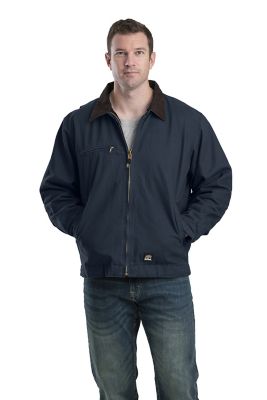
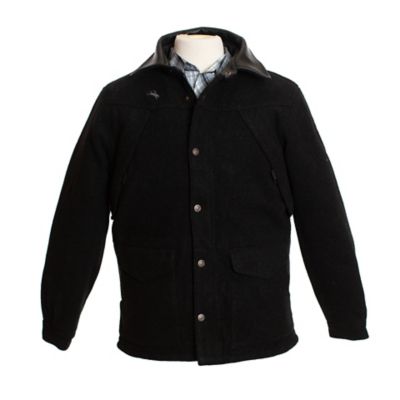
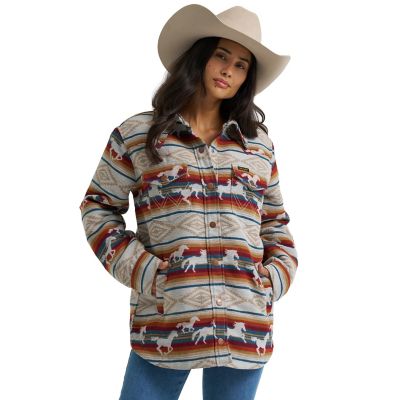
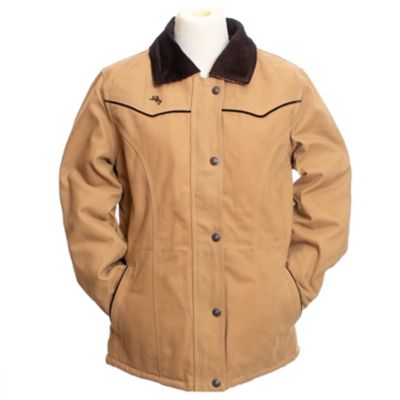
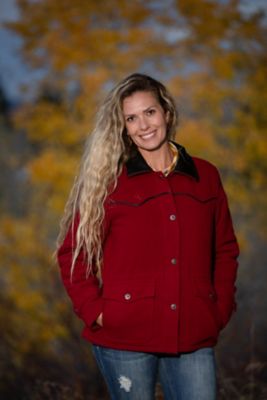
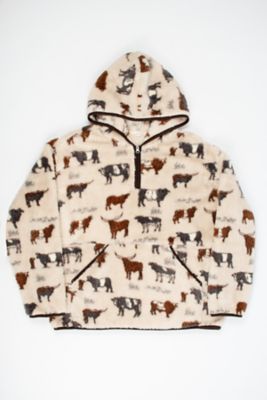
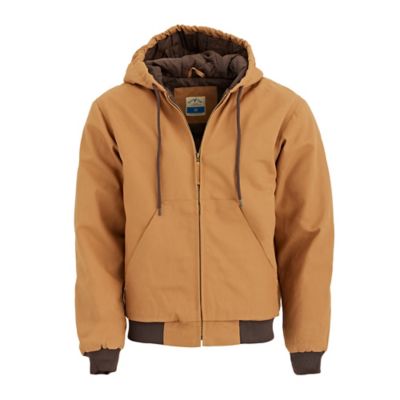
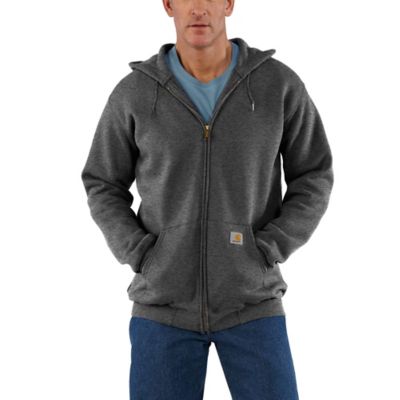
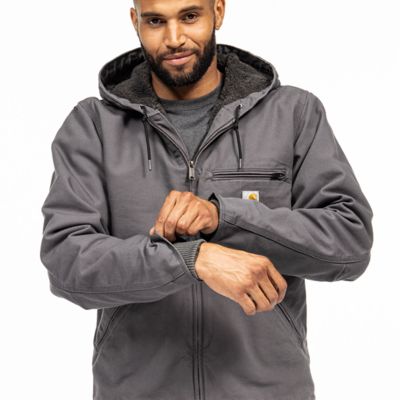
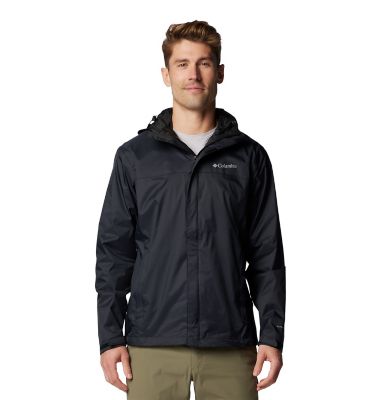
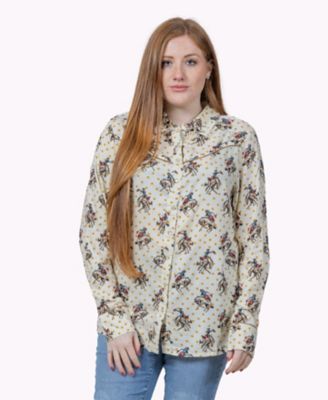
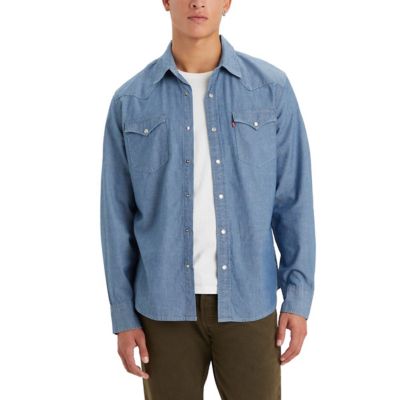
Winter ranch wear brings together warm layers, weather-resistant outerwear, sturdy pants, and footwear suited to cold ground, wet chores, and long stretches outside. The right combination makes sense for the work: carrying feed sacks builds heat quickly, while checking a distant pasture from a utility vehicle leaves a person sitting in the wind. That difference is why ranch clothing often starts with a moisture-managing base layer, adds an insulating middle layer, and finishes with an outer shell matched to the conditions. Merino wool and synthetic thermal fabrics help move perspiration away from the skin, an important comfort feature when a hard pull at a frozen gate turns into a quiet stretch watching livestock. Wool can retain some insulating ability when damp, while cotton holds moisture and takes longer to dry, making it less suited to a next-to-skin layer for wet, cold work. Flannel, fleece, and wool each have a place in the middle of the outfit. Flannel brings familiar comfort, fleece adds warmth without much weight, and wool offers insulation with natural moisture management. A vest keeps the torso covered while leaving the arms freer for lifting buckets or reaching over a stall door. Insulation needs also depend on how much time the wearer spends moving versus standing still. A heavily insulated coat that feels welcome beside a stock tank may feel too warm while stacking hay under cover. Removable layers make those changes easier to handle without requiring a completely different outfit for every task. For ranch hands, livestock owners, horse owners, and families handling daily chores, winter clothing earns its place through a balance of warmth, movement, and practical coverage. Soft inner surfaces, smooth seams, and collars that sit comfortably against the neck matter over a full day, especially when several layers meet at the wrists, waist, and shoulders. The goal is clothing that works together rather than several heavy pieces fighting for the same space.
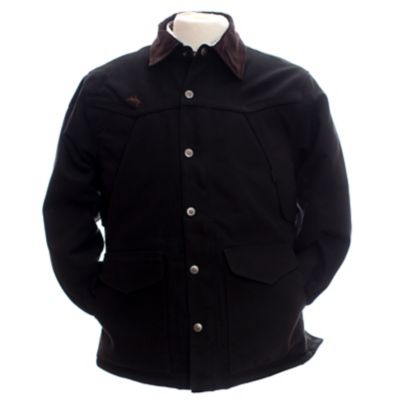
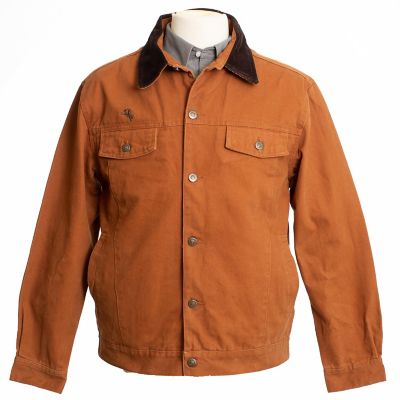
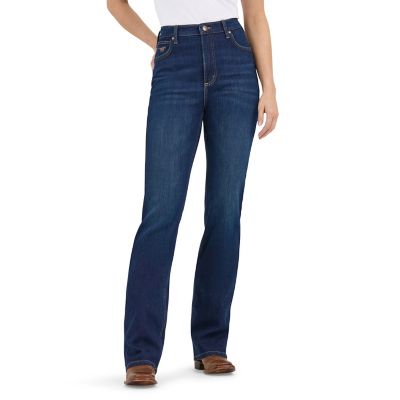
Outer fabrics give winter ranch clothing much of its work-ready character. Tightly woven cotton duck and canvas offer substantial coverage for contact with rough lumber, while denim brings a familiar feel to everyday chores. Fabric weight alone does not establish wind resistance or waterproof protection, though; weave, construction, coatings, and seam treatment all matter. Water-resistant clothing can shed light moisture, but extended rain, sleet, or wet snow calls for protection specifically labeled for those conditions. Waterproof construction and breathable materials serve different purposes, with the first limiting outside moisture and the second helping water vapor escape. Down insulation provides considerable warmth for its weight but loses loft when wet; synthetic insulation generally retains more insulating ability when damp. Fit ties those material choices to the work itself. The same freedom of movement that matters in
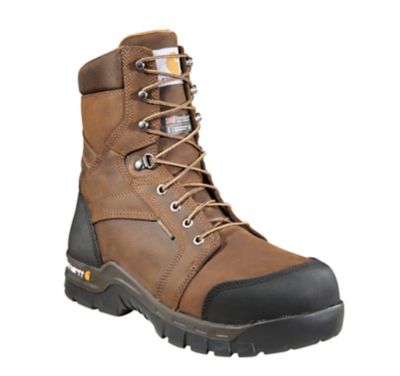
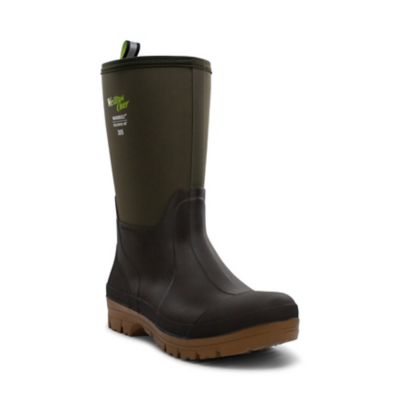
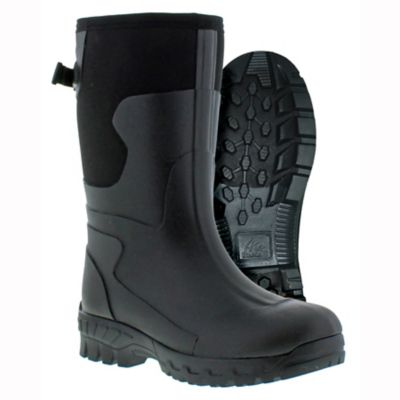
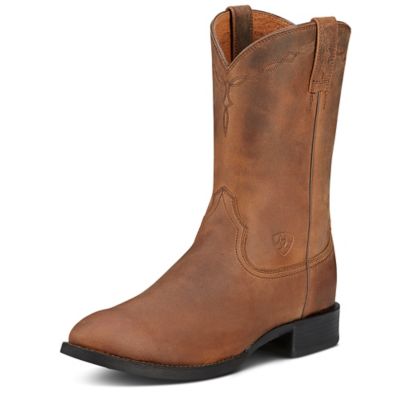
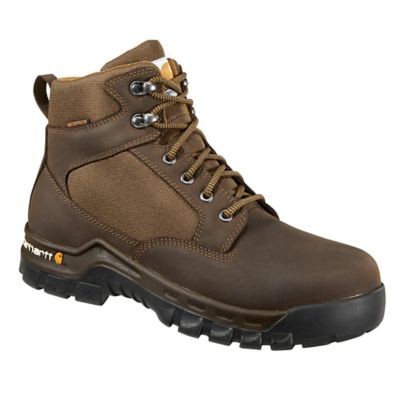
Comfortable Workwear For Ranch matters under winter layers, too. Room across the shoulders, shaped elbows, and flexible knee areas can make bending, climbing steps, and lifting less restrictive. Outerwear needs enough space for the intended layers without hanging loose around tools or moving machinery. A longer back hem helps maintain coverage when reaching forward, and a two-way zipper can ease pressure while seated. Insulated bibs add coverage through the waist and lower back, while adjustable straps help accommodate different torsos and layers. Leg openings that fit over boots reduce bunching, and cuffs kept clear of the ground are less likely to drag through mud. Footwear completes that lower-body coverage. Insulated leather work boots suit many dry-land chores, while waterproof rubber footwear has a place around slush, muddy pens, and wash areas. Insulation levels, waterproof claims, and safety-toe ratings belong to the individual footwear specifications rather than the general style. Outsole traction also depends on the surface; deep lugs that bite into mud do not guarantee grip on smooth ice. For time in the saddle, riding-specific footwear matters because not every work boot is appropriate for a stirrup.
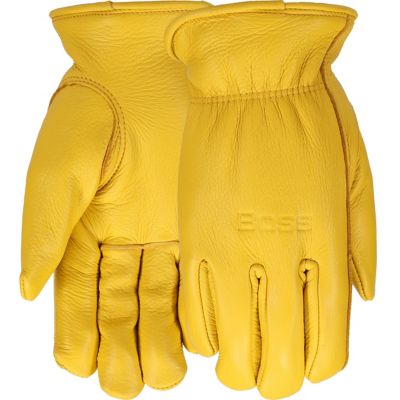
Smaller pieces of winter ranch wear often make the difference between feeling covered and feeling comfortable. A close-fitting knit cap can cover the ears without interfering with a coat collar, while a neck gaiter helps close the gap where wind slips beneath a neckline. Any neck covering needs to stay secured away from moving equipment. Gloves involve a balance between insulation and finger movement: handling a latch, fastening a halter, and picking up small hardware all demand more dexterity than carrying a hay bale. Leather palms can provide grip and abrasion resistance, while waterproof construction matters for repeated contact with wet surfaces. A spare dry pair is welcome after breaking ice or working around a leaking water connection. Socks deserve the same attention as outer layers. Wool-blend or synthetic socks help manage moisture, but adding extra pairs inside a close-fitting boot can compress insulation, crowd toes, and restrict circulation instead of improving warmth. Care habits help preserve how the whole outfit performs. Garment labels determine washing temperatures, drying methods, and whether a fabric treatment needs renewal. Excess detergent, fabric softener, or high heat can interfere with some technical fabrics and finishes, so those details are worth checking before laundry day. Mud comes off more easily when addressed before it builds into seams and closures, and leather footwear benefits from cleaning and conditioning appropriate to its finish. Boots and gloves need time to dry thoroughly away from intense direct heat, which can damage leather, adhesives, and other components. A loose button, worn cuff, or small seam opening is easier to address before another stretch of chores makes it worse. Winter ranch clothing can also make a thoughtful gift for someone who spends more time at the barn than indoors. Familiar sizing, preferred fits, typical chores, and existing layers provide better direction than appearance alone. Whether the day involves feeding before daylight, tending horses, or riding along a fence line, well-matched clothing keeps the focus on the work instead of the next chance to get inside.