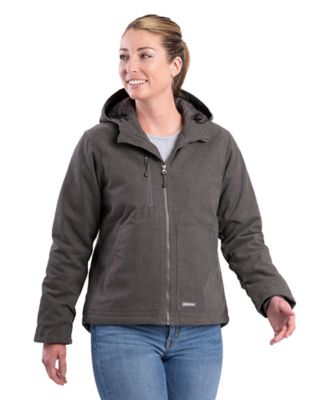
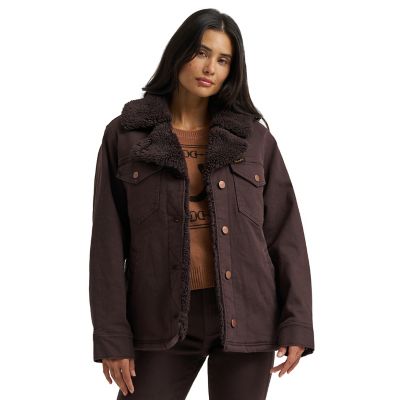
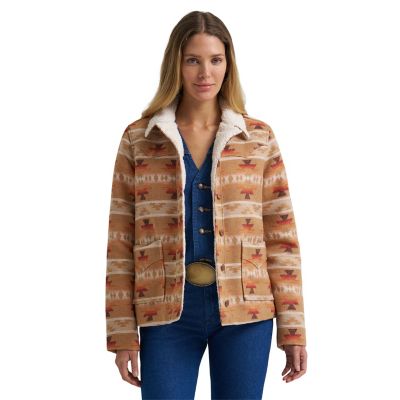
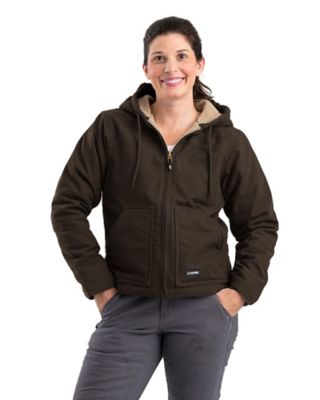
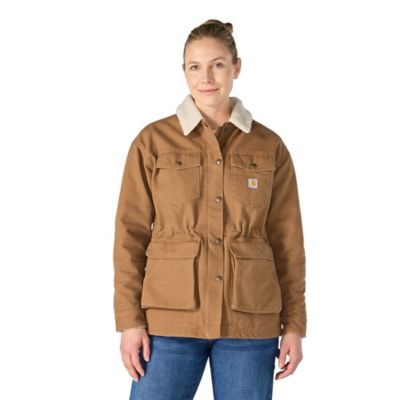
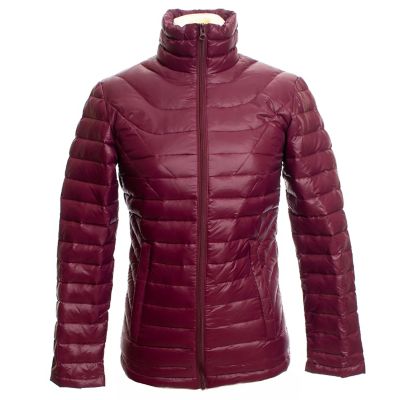
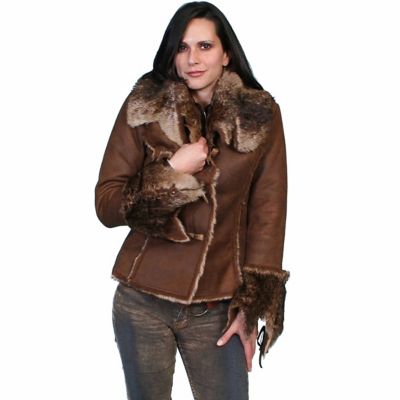
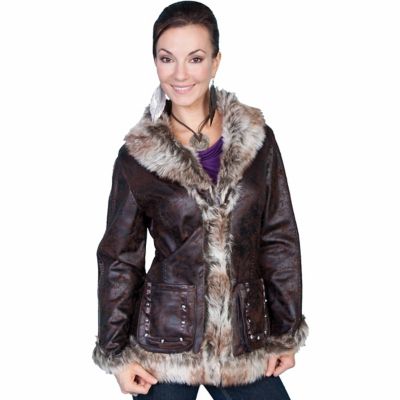
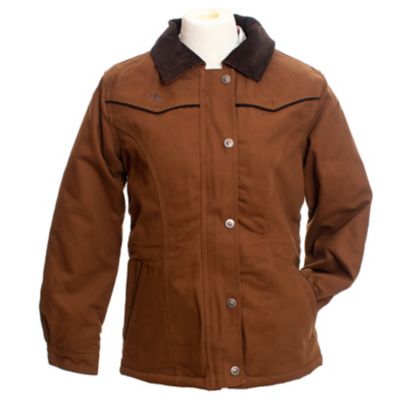
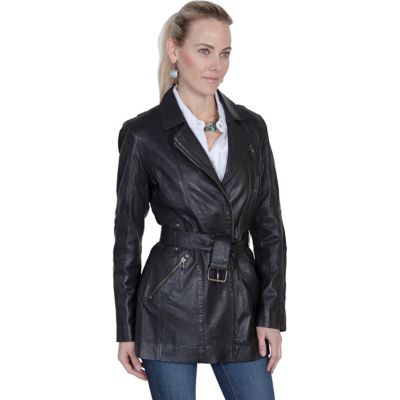
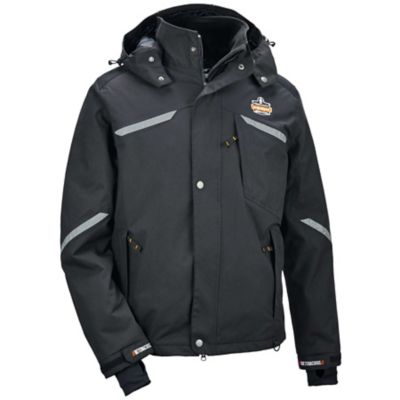
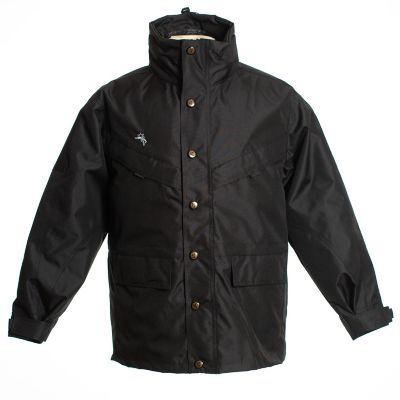
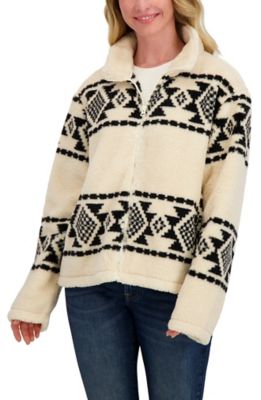
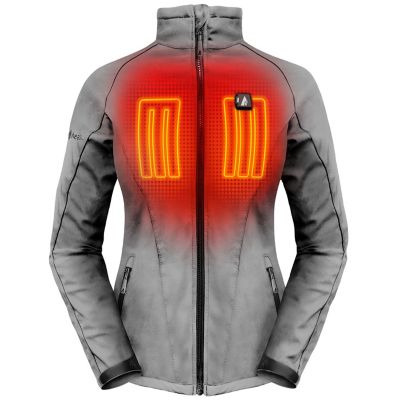
Warm winter coats for women pair insulation that holds in body heat with an outer shell suited to the wind, snow or rain. The coat that feels right for an hour on the bleachers isn’t necessarily the one that feels best halfway through stacking firewood. For dry, freezing conditions, down offers a lot of warmth without much weight. The little clusters fluff up to trap warm air, which is why down can feel warm even when the coat itself feels light. A higher fill power means the down takes up more space per ounce, but it doesn’t tell the whole story. The amount of fill, where it sits and how much of the body the coat covers all affect how warm it feels. Synthetic insulation tends to hold on to more of its warmth when damp, which can come in handy when wet snow sticks to the shoulders or chores keep someone moving in and out of a warm barn. The shell does a different job. A windproof shell helps keep a gust from cutting through the insulation, even on a clear day. A water-resistant finish can shed a brief flurry or light drizzle, but it isn’t meant for hours of steady rain. A waterproof shell with sealed seams makes more sense for long stretches in wet weather, especially where water tends to sit on the shoulders or collect around the hood. A fleece or sherpa lining feels soft against a shirt or at the back of the neck, but the lining alone says little about how the coat will feel in an open field. Small details help hold the heat in, too. Close-fitting cuffs cut down on drafts when reaching overhead, a tall collar covers the gap above a scarf and a flap over the front zipper keeps wind from finding its way through the teeth.
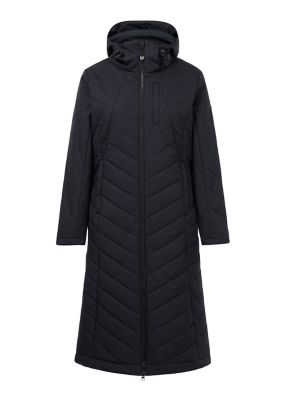
Length and fit change how a winter coat feels from the first trip out the door to the last chore of the day. A hip-length insulated jacket leaves more room to bend, climb into a truck or step over a low gate. A mid-thigh coat covers more of the seat and upper legs without hanging as low as a knee-length parka, which can be welcome when standing still on a windy sideline or waiting out in the open for the school bus. Longer hems offer more shelter, but they can pull across the thighs when sitting or taking a big step. A two-way zipper can open a few inches from the bottom to make room without leaving the chest exposed. Those differences in coverage and movement carry over to the broader range of
Winter Coats. Room in the shoulders matters just as much as room at the hem, particularly over a sweatshirt or a thick flannel. A coat that feels fine over a thin shirt can tug between the shoulder blades once there’s another layer underneath and an arm reaching across the truck seat. On the other hand, extra space at the neck or cuffs can let warm air slip out. Sleeves that still meet the gloves with arms stretched forward help keep wrists covered while carrying feed pails or pushing a snow shovel. An adjustable hood is handy when the wind picks up, especially if it turns with the head instead of sliding across the eyes. Pocket placement matters most when hands are cold or gloved: Side-entry pockets give hands a place to warm up, while an inside pocket keeps keys from falling into the snow when someone bends down. For brisk walks and chores that get the heart rate up, a lighter insulated coat with room for a midlayer may feel better than a heavy parka. For long periods with little movement, extra insulation and coverage earn their keep.
How a coat wears over time often comes down to what it rubs against. A smooth, tightly woven shell can be a good match for trips through the feed room, where rough doorframes and the corners of hay bales brush past the sleeves. Reinforced elbows and cuffs make sense for regular chores, and zipper pulls with enough room to grab in gloves are easier to handle before heading back outside. For a coat worn mostly on walks or around town, a softer shell or a lighter feel may matter more than reinforcement. Care is part of that everyday fit, too. A coat that picks up mud at the hem or gets brushed by a wet dog at the door may need more frequent cleaning than one kept for trips into town. The care label is the best place to check whether the coat can go in the washer and what heat it can handle. Spot cleaning can take care of a muddy cuff between washes. If the label allows machine drying, down needs time to dry all the way through so damp clumps don’t stay tucked inside the shell. A coat hung up dry between outings is easier to reach for the next morning than one left damp in a pile by the door. When a winter coat is a gift, the recipient’s regular routine offers better clues than the lowest temperature on the forecast. Someone who spends mornings feeding animals may appreciate sleeves that move freely and pockets that are easy to reach, while someone who watches outdoor games may welcome extra length and a collar that closes snugly under the chin. The size on a favorite coat can be a starting point, but the sweater or sweatshirt that usually goes beneath it matters just as much. A coat that fits over those familiar layers and leaves enough room to get on with the day is one that can go straight onto the hook by the back door.