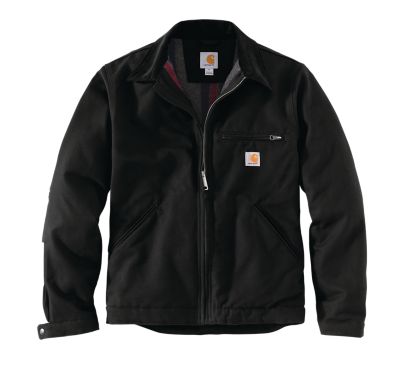
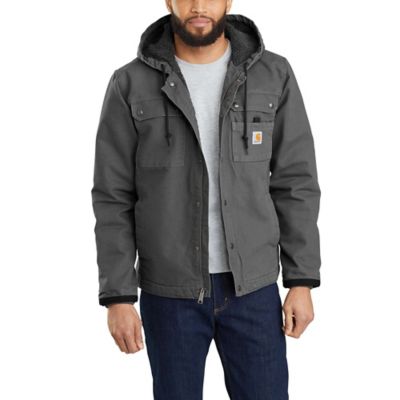
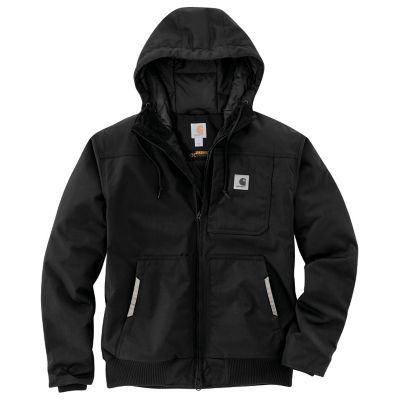
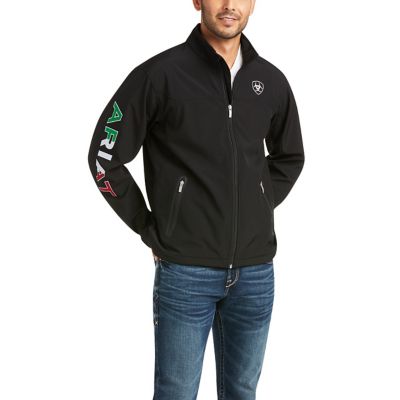
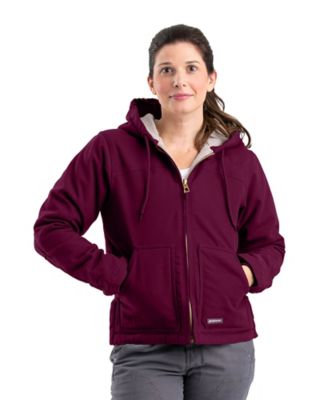
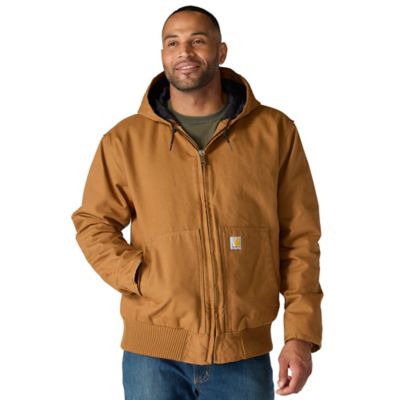
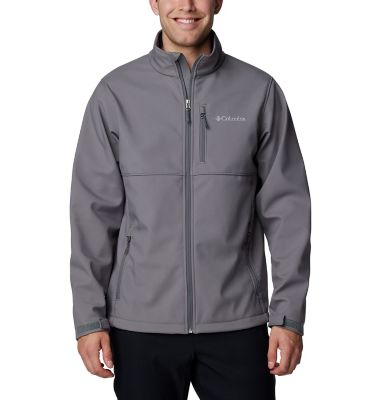
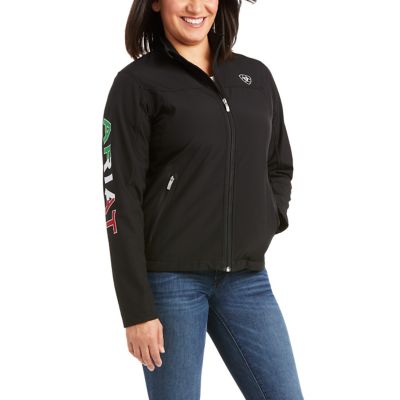
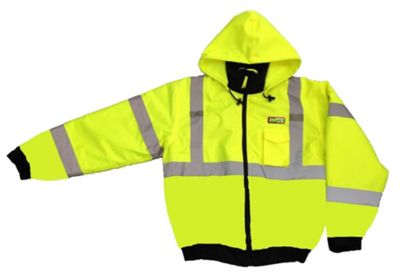
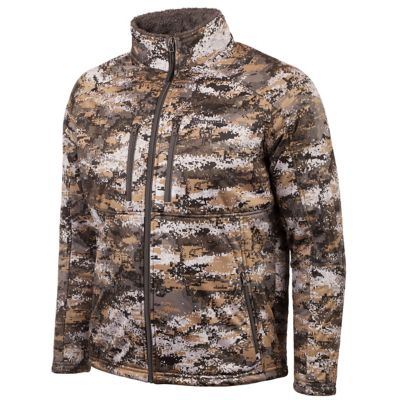
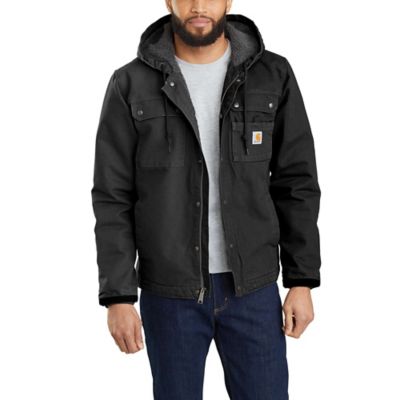
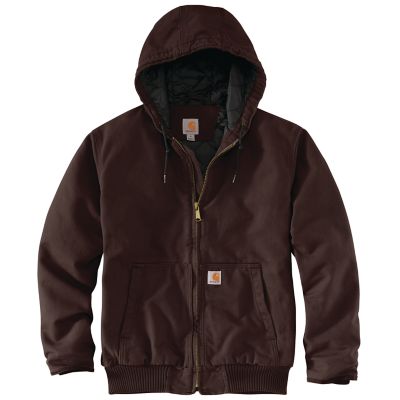
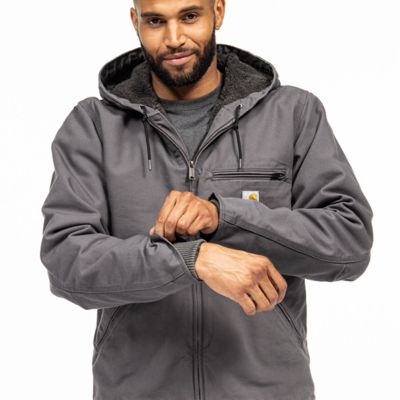
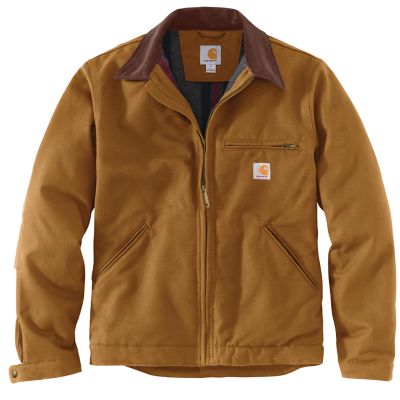
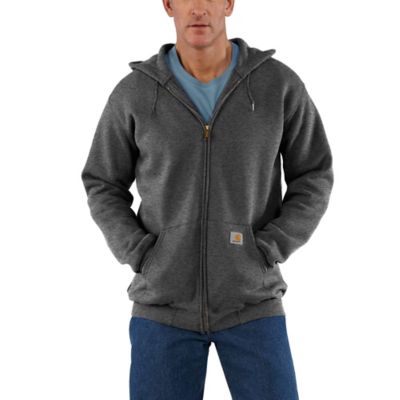
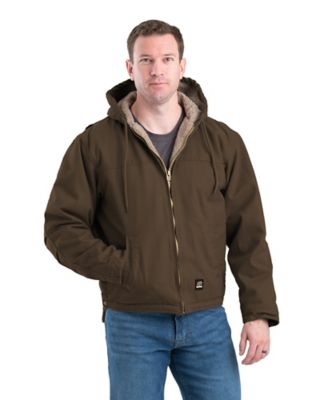
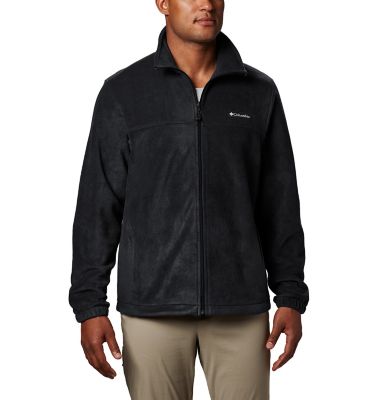
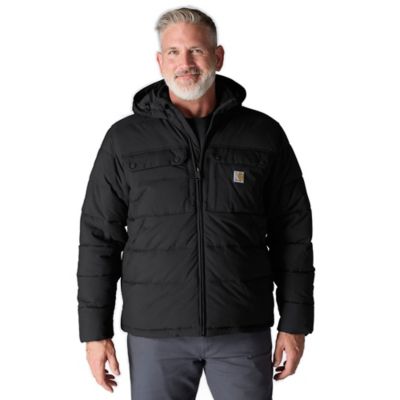
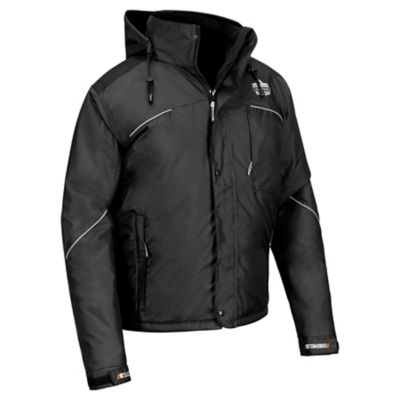
Nice winter jackets bring together dependable warmth, comfortable movement, and a look you will be glad to wear beyond the coldest part of the season. The right choice depends on your climate, daily routine, and how much time you spend outside. Someone walking across a windy parking lot or heading into town may prefer a lighter insulated jacket that is easy to layer, while a person feeding animals before daylight, checking fences, clearing snow, or working around the property may need a longer coat with more coverage and weather protection. Puffer jackets are a popular choice for cold, dry conditions because their quilted insulation traps warm air without always feeling bulky. Down insulation is known for being lightweight and compressible, while synthetic insulation continues to provide warmth in damp conditions and is often simple to care for. Parkas and longer winter coats cover more of the back and upper legs, which can make a big difference when the wind is cutting across an open field. A shorter casual jacket may be easier to drive in, climb steps in, or wear while handling chores that call for plenty of reach. When comparing nice winter jackets, pay close attention to the type and amount of insulation, the fit, the outer fabric, and the kind of weather the jacket is designed to handle. A warm coat should leave enough room for a shirt or sweater underneath without pulling across the shoulders, but it should not be so loose that cold air slips in around the waist and cuffs. Features such as an adjustable hood, a high collar, elastic or snap cuffs, and a drawcord hem help hold warmth close to your body. A smooth zipper that can be managed with gloved hands, sturdy pockets, and an interior pocket for keys or a phone also earn their keep when you are outside.
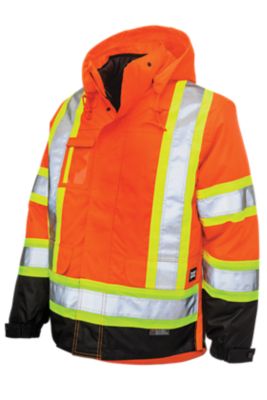
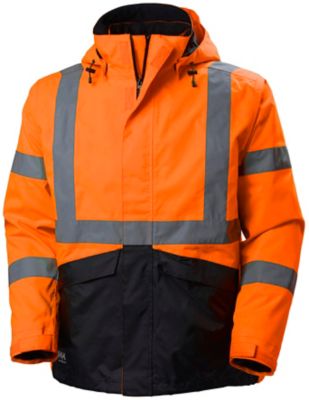
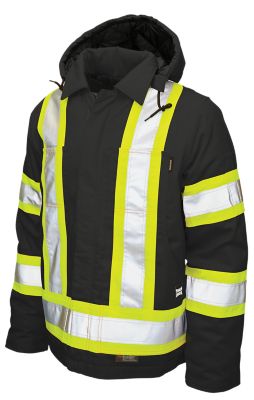
Weather resistance matters just as much as insulation, especially during the stretch of the year when a clear morning can turn into wet snow, cold rain, or a stiff breeze by afternoon. Look for a water-resistant or water-repellent shell when you expect light moisture, and consider a more protective design for regular exposure to heavy rain or snow. No jacket can replace sensible layering, but the right outer layer helps keep the warmth from your base layers and midlayers from blowing away. A moisture-wicking shirt can move perspiration away from your skin, while a fleece or sweater adds flexible warmth without making the coat overly tight. If your days include active work, look for breathable materials, underarm vents, articulated sleeves, or stretch panels that make bending, lifting, and reaching more comfortable. If your routine is slower paced or involves standing outdoors, prioritize insulation, wind resistance, and a longer cut. Color and style are worth considering, too. Neutral shades can fit easily into a work wardrobe and hide everyday dust, while brighter colors may offer better visibility near driveways, roads, or busy work areas. A jacket that looks at home with jeans and boots can also be useful for errands, school drop-off, outdoor events, and weekend trips, giving it plenty of wear instead of leaving it tucked away for the harshest days. Care instructions should be part of the decision. Some insulated jackets require special washing or drying, and improper care can cause insulation to clump or reduce loft. Check the label, close zippers before washing, and give the coat enough room to dry thoroughly. For more cold-weather options, browse
Warm Winter Coats to compare different lengths, insulation levels, and everyday features.
A well-chosen winter jacket can also make a thoughtful gift for someone who spends time outdoors, commutes in changing weather, travels during the cooler months, or simply appreciates having a reliable layer ready by the door. It can be a practical gift for a parent who is always outside with the dog, a neighbor who keeps an eye on livestock, a college student walking between buildings, or a friend who enjoys early morning hikes and evening ball games. When giving a jacket, consider the recipient’s usual activities and local conditions rather than choosing by appearance alone. A lightweight puffer may suit someone who packs efficiently and layers often, while a roomy parka may be better for a person who stands outside for long stretches. Check sizing information carefully, especially if the coat is intended to fit over work clothes or a thick sweatshirt. Details such as a removable hood, fleece-lined pockets, storm flaps, adjustable cuffs, and two-way zippers can make an everyday jacket feel much more useful. It also helps to think about storage and durability. A dependable coat should be easy to hang, sturdy enough for regular wear, and finished with seams and closures that can handle repeated use. For folks who split their time between the house, truck, barn, and town, versatility often matters more than having a jacket made for just one narrow purpose. The best nice winter jackets are the ones that feel comfortable when the temperature drops, protect against the weather you actually face, and fit naturally into the way you live. With the right balance of warmth, coverage, mobility, and style, a winter jacket can become the layer you reach for whenever the air turns crisp and the day calls for a little more protection.