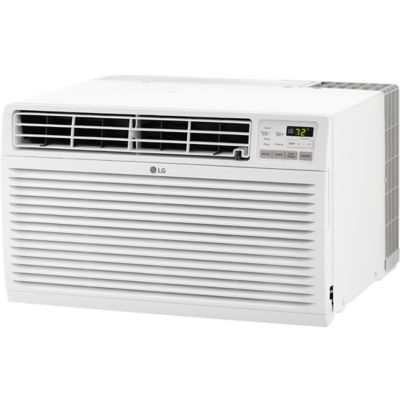
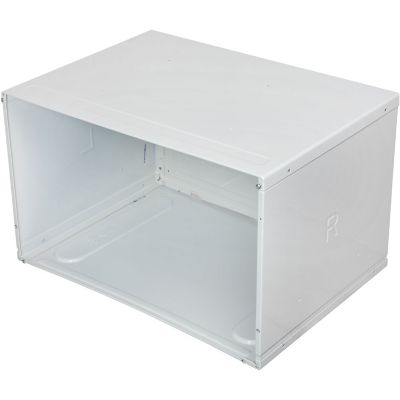
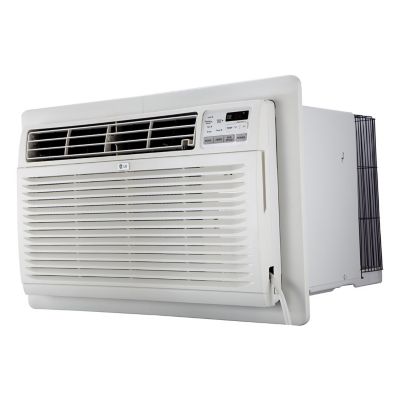
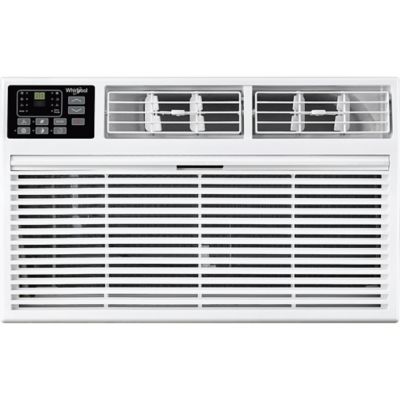
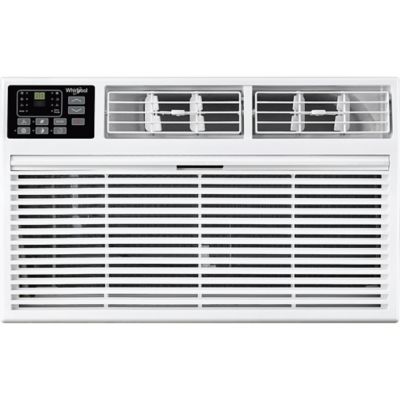
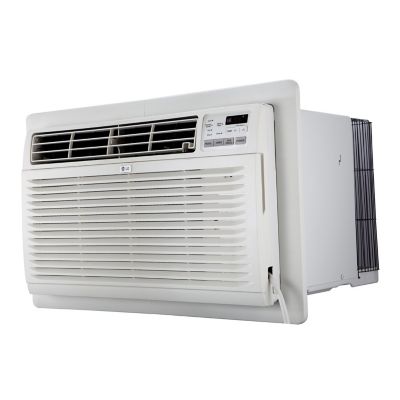
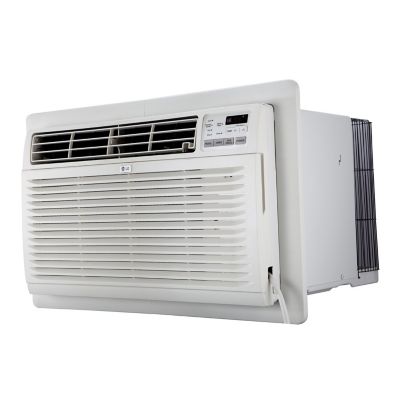
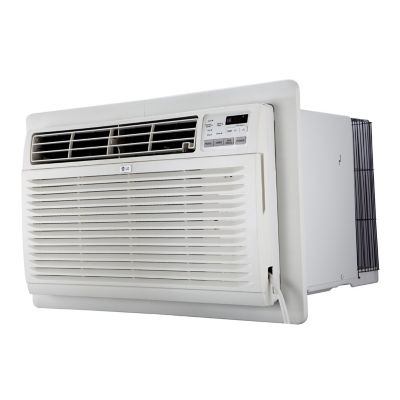
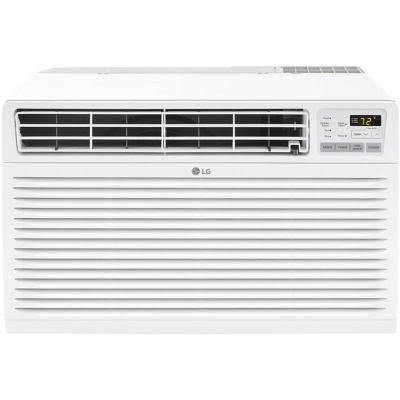
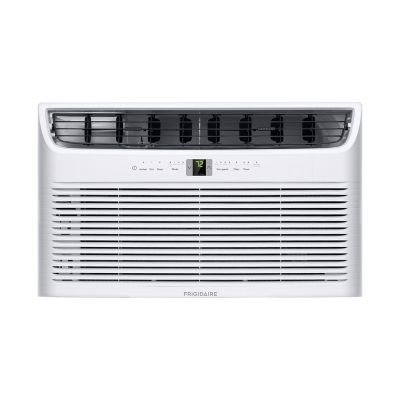
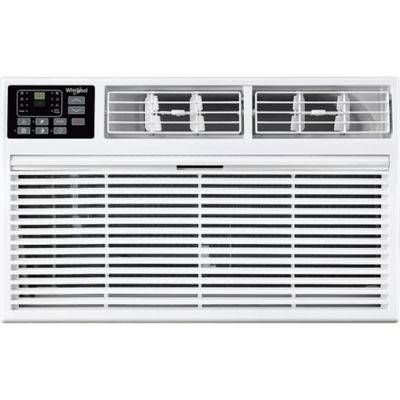
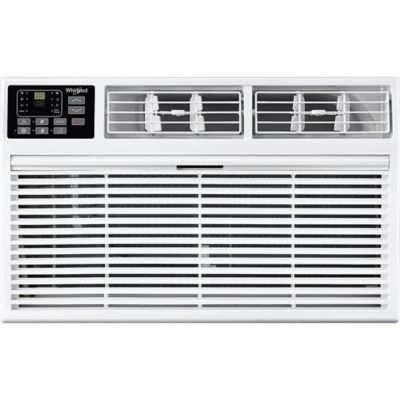
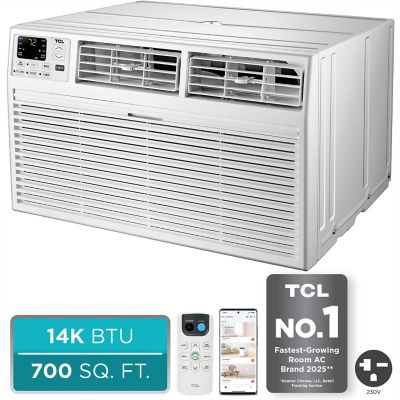
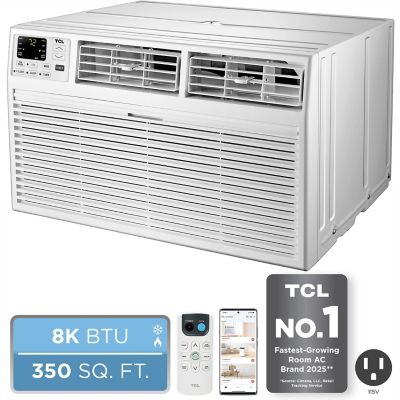
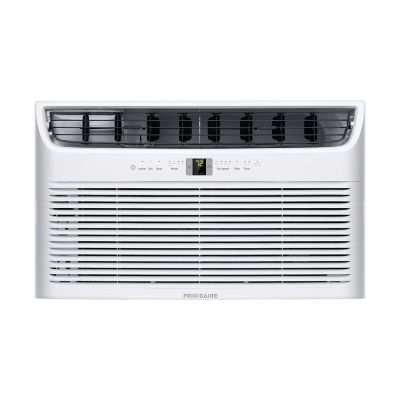
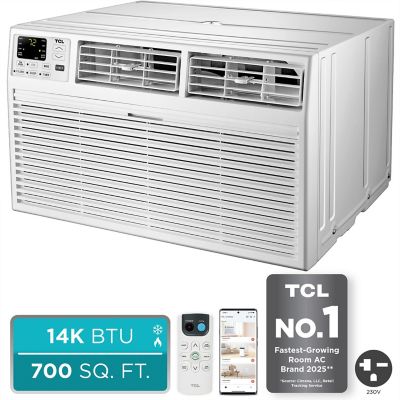
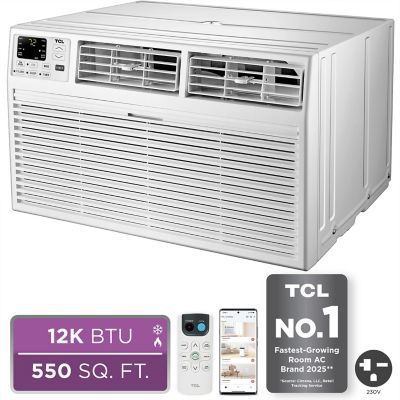
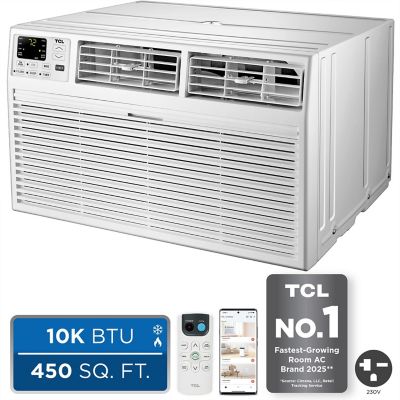
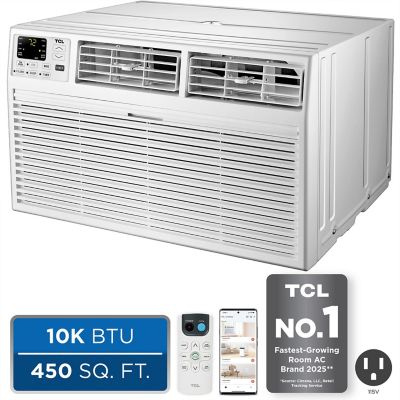
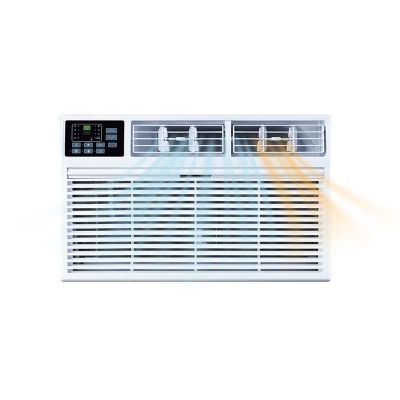
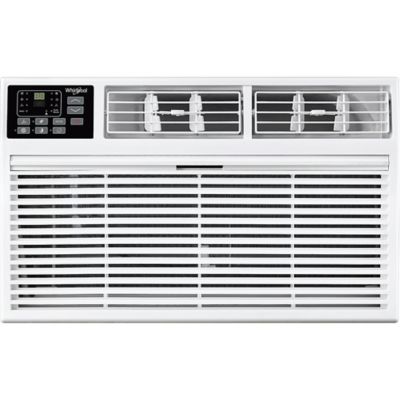
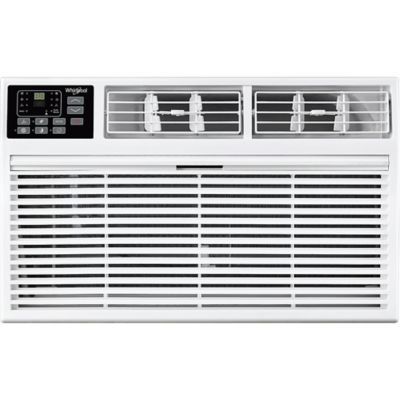
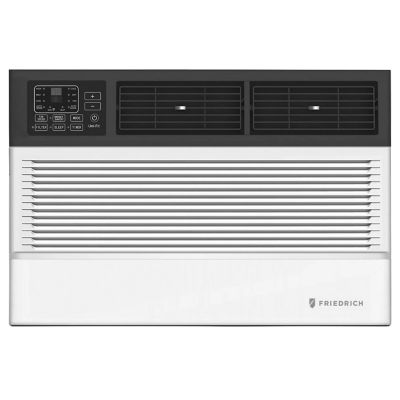
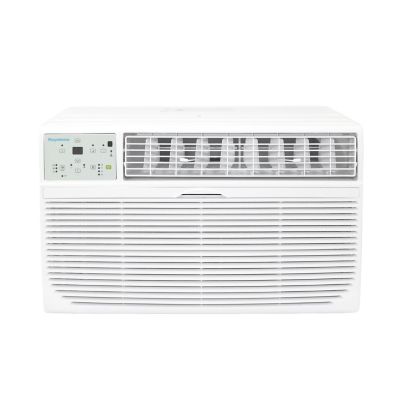
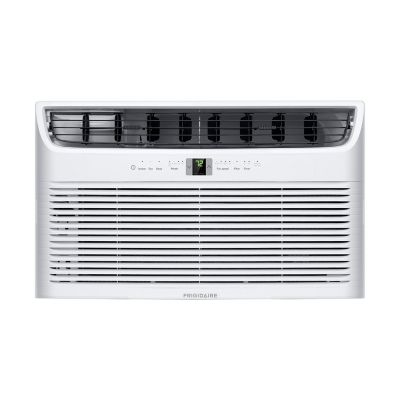
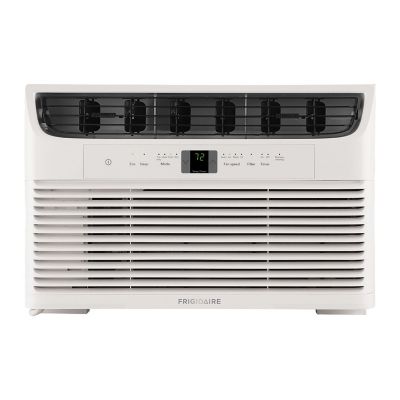
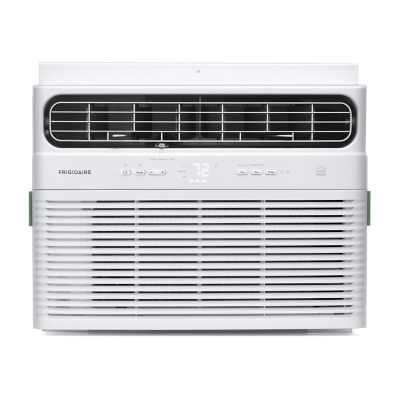
Wall sleeve air conditioners bring room-by-room cooling to spaces where a permanent wall opening makes more sense than a unit sitting in the window. Also called through-the-wall air conditioners, these systems pair a cooling chassis with a sleeve installed in an exterior wall. The sleeve is the metal housing that supports the chassis and helps separate the indoor living space from outdoor conditions; it does not provide cooling on its own. This arrangement leaves windows clear for daylight, views across the yard and opening on mild days when the air conditioner is off. It can be a practical fit for a farmhouse bedroom, a home office off the mudroom or an enclosed addition that never quite feels as comfortable as the rest of the house. A properly sized system serves the room it is rated to cool, rather than taking the place of whole-house heating and cooling. Wall sleeves are commonly made from galvanized steel or other corrosion-resistant metal, with an exterior grille that protects the outdoor-facing section while allowing the airflow the equipment needs. The exact sleeve, grille and chassis combination matters: similar measurements alone do not establish compatibility. A replacement chassis must match the sleeve requirements in its manufacturer’s specifications, including ventilation layout, depth and mounting arrangement. A standard window air conditioner generally is not a substitute, since placing its side vents inside a wall can restrict airflow unless the manufacturer specifically approves that installation. Through-the-wall units and larger packaged terminal systems also belong to different equipment categories, even when both slide into wall-mounted housings. For a replacement, the existing sleeve’s model information, interior dimensions and condition help narrow the fit. For a new opening, wall thickness and construction affect the sleeve selection and installation. Brick, concrete and framed walls each call for suitable support, flashing and fastening, making the building itself just as important as the cooling equipment that goes into it.
The best match for a room depends on more than whether the chassis fits through the opening. Cooling capacity is expressed in British thermal units per hour, commonly shortened to BTU, and the recommended room coverage provides a starting point for comparing wall sleeve air conditioners. A shaded bedroom with an eight-foot ceiling has different cooling demands than a sunny family room with tall ceilings and a broad bank of west-facing windows. Insulation, air leakage, the number of people in the room and heat from appliances also affect the workload. An undersized unit may run for long stretches without reaching the set temperature, while an oversized unit can cycle off too quickly to remove enough moisture. That balance matters when a room feels sticky even though the air near the vent is cold. Adjustable louvers help direct cool air toward the living space instead of straight into a curtain or the back of a couch. Multiple fan speeds, timers, remote controls and sleep settings, where included, offer different ways to manage comfort through the day. Published sound ratings are worth comparing for a bedroom or a quiet office, though actual sound also depends on installation and room surfaces. Washable filters can simplify routine upkeep, and accessible controls make everyday adjustments easier. Some systems include supplemental heat, but heating type, output and outdoor operating limits vary; a cooling-only unit cannot provide that function. Electrical requirements need the same attention as room size. Depending on the equipment, the system may require a 115-volt or a 208/230-volt supply, a particular receptacle and a dedicated circuit. The existing outlet’s appearance is not enough to confirm that the circuit is suitable. Manufacturer instructions and a qualified electrician can establish the right connection without relying on extension cords or plug adapters. For spaces where a permanent wall opening is not a good fit,
Floor Air Conditioners offer another category to compare, with their own floor-space, exhaust and drainage requirements.
A well-fitted sleeve helps the air conditioner stay supported and keeps gaps around the wall opening from becoming paths for rain, insects and outdoor air. The sleeve length must suit the wall depth without burying vents or leaving parts of the assembly unsupported. Interior trim finishes the room-side edge, while the exterior installation needs weather sealing and flashing appropriate to the wall and the equipment instructions. Any required outward pitch should follow those instructions rather than a general rule, because condensate handling varies among systems. Drain openings and ventilation passages must remain clear; sealing every visible gap can cause trouble if it blocks a designed water path. A sleeve that is bent, badly corroded or loose in the opening deserves attention before a replacement chassis goes in. Proper fit and intact seals can limit drafts and rattling, but they do not make every installation silent or eliminate the need for insulation around the wall opening. These details matter in everyday settings, from a guest room facing an open pasture to an office near a gravel driveway where wind carries dust toward the house. Routine care centers on keeping the filter clean, leaving indoor airflow unobstructed and checking the exterior grille for leaves, grass clippings and other debris. Filter cleaning frequency depends on the manufacturer’s directions and how quickly dust collects. Power should be disconnected as directed before cleaning or servicing, and coil cleaning should follow the equipment’s care instructions to avoid bent fins or electrical damage. Curtains, furniture and stored belongings need enough clearance for air to circulate freely. During cooler weather, manufacturer-approved sealing accessories can help manage drafts when the system is not operating, but covers must not block a unit that remains in service. An empty sleeve needs an appropriate weather closure and insulation solution rather than an open passage through the wall. With a compatible sleeve, sensible capacity and regular upkeep, a wall-mounted cooling setup can make an out-of-the-way room a more comfortable place to settle in after chores, catch up on paperwork or get a good night’s rest.