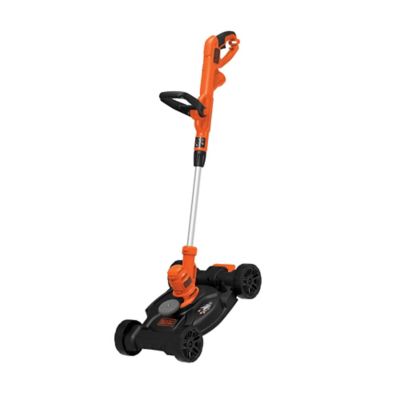
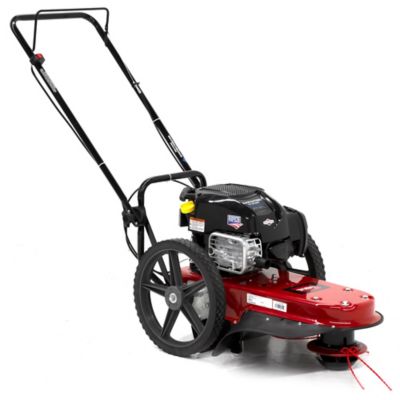
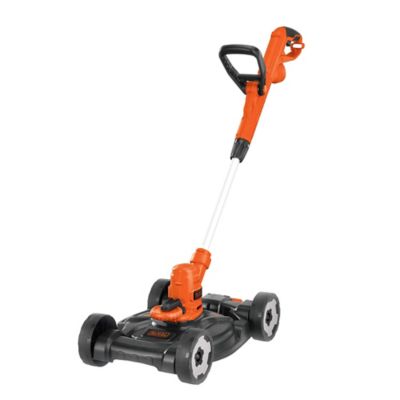
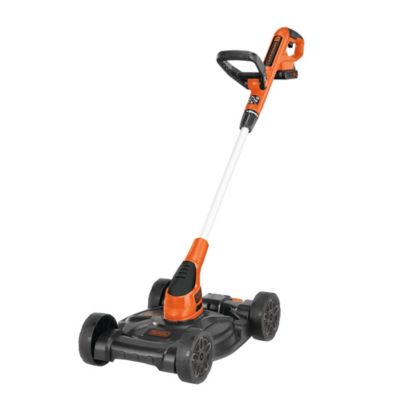
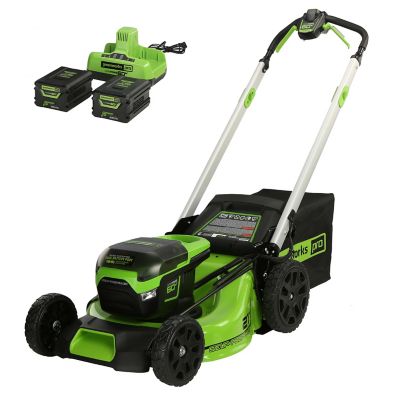
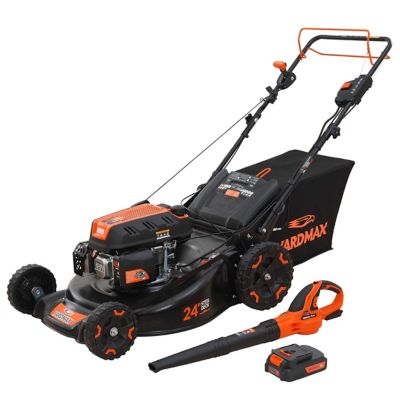
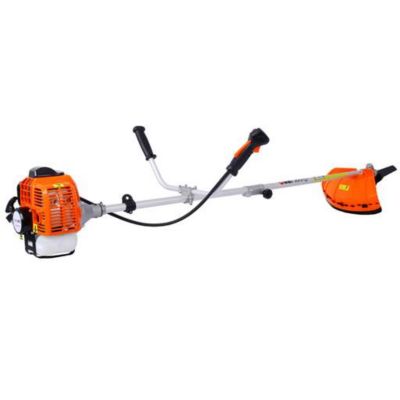
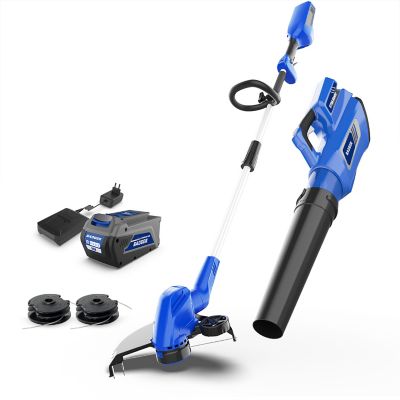
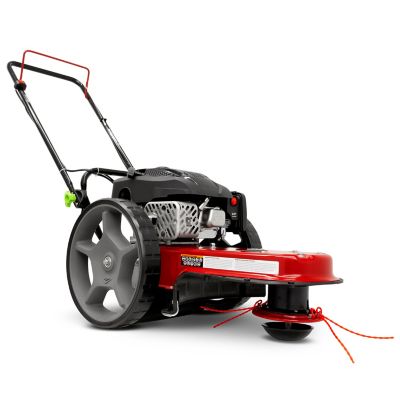
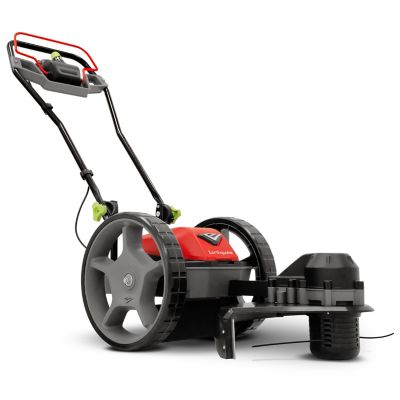
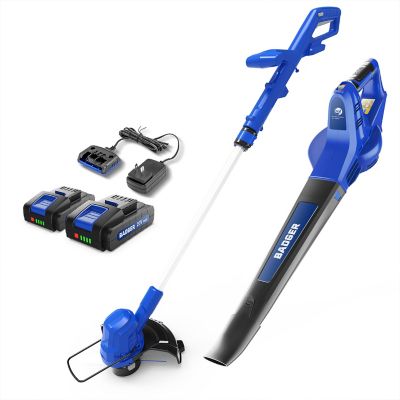
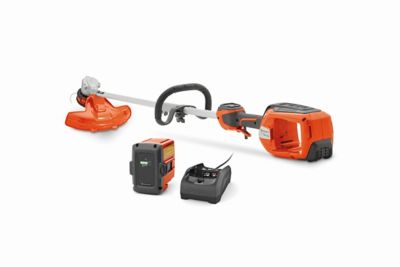
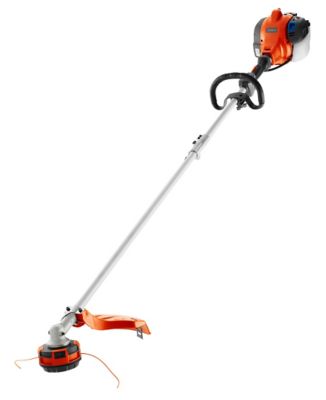
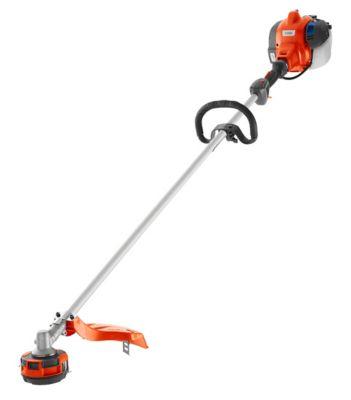
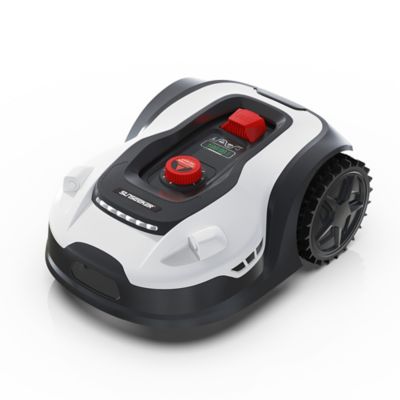
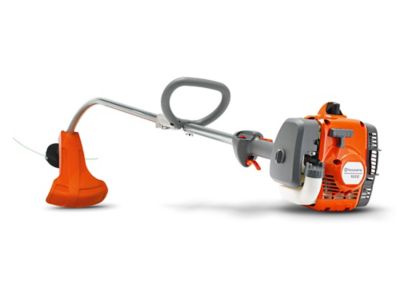
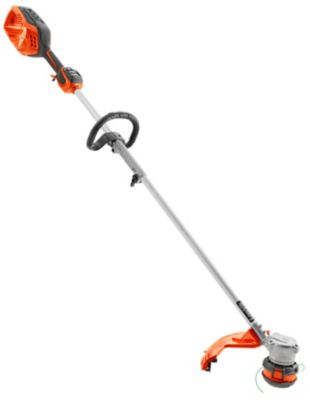
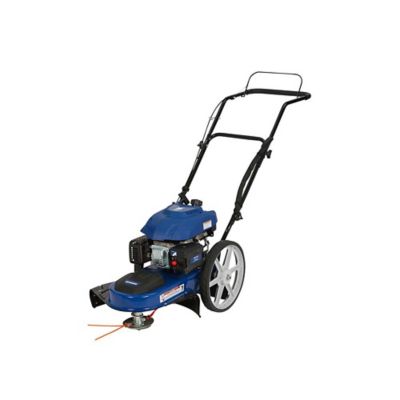
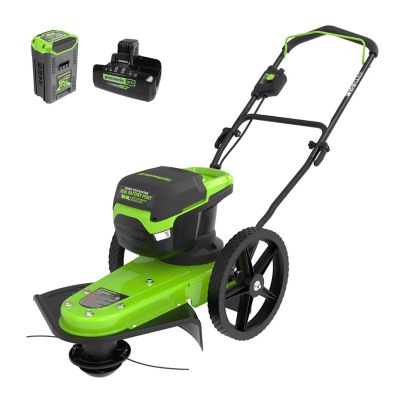
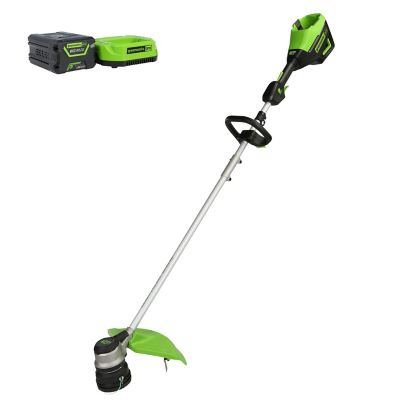
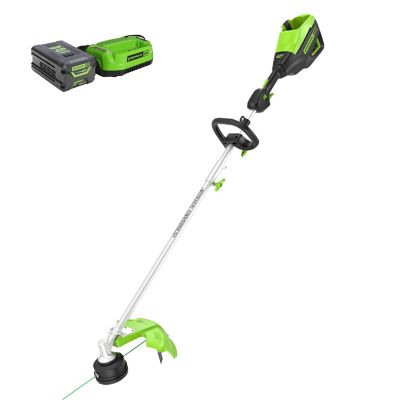
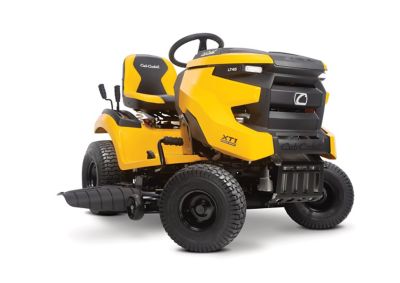
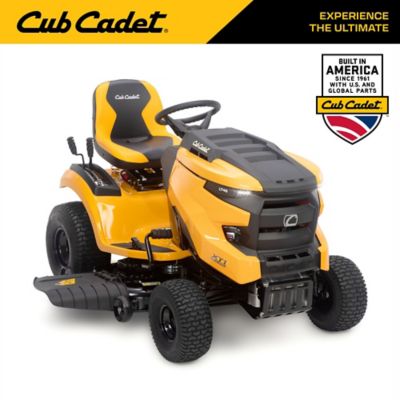
Weed eater lawn mowers bring string-trimming power to a wheeled platform, giving property owners another way to handle grass and weeds beyond the reach of a regular lawn mower. The term commonly describes walk-behind trimmer mowers and compact tools that combine a string trimmer with a detachable mowing base. These designs serve different jobs: a walk-behind trimmer mower generally tackles taller grass and coarse weeds, while a compact convertible tool suits small lawn patches, narrow passages and close trimming. Unlike a conventional mower that cuts with a rotating blade beneath its deck, a string-based trimmer mower cuts with flexible line spinning from a cutting head. That distinction matters around a rural home, where the short grass beside the porch may give way to taller growth along an outbuilding or fence. A conventional lawn mower generally provides a more even finish across maintained turf, while a wheeled string trimmer can make sense for areas where the goal is knocking down grassy growth rather than creating a closely groomed lawn. Neither design should be assumed capable of cutting woody brush, saplings or every kind of dense vegetation; the machine’s stated cutting capacity sets its limits. For someone tending a farmhouse yard, a garden perimeter or the grassy strip beside a gravel drive, the best fit depends on what grows there and how much ground needs attention. Wheels carry much of the machine’s weight, which can reduce the need to support a handheld tool throughout the job, although pushing and turning still take effort. Compact mowing bases offer a different benefit: they help support the cutting head at a consistent height over small, reasonably even areas. A mower and a separate string trimmer can also cover both tasks, but that pairing remains two tools rather than one convertible machine. Understanding these differences makes the category easier to shop without treating every mower-and-trimmer arrangement as interchangeable.
The practical details of weed eater lawn mowers start with cutting width, cutting-height range, power source and the space available to maneuver. A wider cutting path can cover an open strip with fewer passes, but a narrower platform may fit more comfortably between raised beds or through a garden gate. Overall machine width matters as much as cutting width when the route includes a shed doorway, and turning room matters when fence corners and planting beds break up the yard. Larger wheels can roll more easily over minor bumps, though wheel size alone does not make a machine suitable for steep banks, deep ruts or rocky ground. Handle height, grip shape, balance and control placement all affect how the machine feels during a longer stretch of work. A folding or adjustable handle may help with storage or operator fit when that feature is part of the design. Gas-powered equipment can work away from an outlet but brings fuel handling, engine maintenance and starting requirements. Battery-powered designs avoid a power cord, with working time depending on battery capacity, vegetation and operating load. Corded electric tools depend on outlet access and an appropriately rated outdoor extension cord, making cord routing another consideration around trees and beds. Construction also varies. Steel decks or frames add weight and provide a sturdy structure, while molded polymer housings can keep compact tools lighter and do not rust. Wheel assemblies, guards, fasteners and the cutting-head design deserve attention alongside the main housing because those components affect everyday upkeep. Line diameter, shape and mounting method must match the machine’s specifications; thicker line is not automatically a suitable substitute. Replacement-line compatibility is especially relevant for properties with long fence runs, where contact with hard surfaces can wear line quickly. Appearance can be part of the decision, too, and
Yellow Lawn Mowers offers another way to browse by color. Cutting capability, operator comfort and a good match for the property remain the more important considerations, whether the work covers a small enclosed yard or several separate patches around the home place.
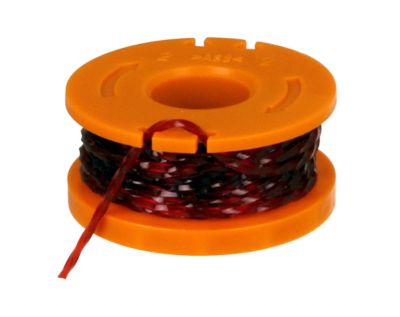
Long-term satisfaction with a wheeled trimmer mower comes from matching its intended use to the work and keeping its cutting system in good shape. Flexible line wears as it cuts and can shorten faster against posts, masonry and other hard obstacles, so straightforward access to the head and a manageable reloading process can make a real difference. Line is not harmless to everything around it: contact can scar tree bark, damage siding and strike fencing, and a spinning head can throw stones or other debris. Guards belong in place, with people and animals kept outside the clearance specified in the operator’s manual. Eye protection, sturdy footwear and any additional protective equipment called for by the manufacturer are part of the job. A grassy strip beside a barn may hide wire, twine or loose hardware, making a clear work area important even when the growth looks easy to cut. The machine’s slope restrictions also matter; a walk-behind design is not a blanket solution for ditch banks or uneven acreage. Routine care generally includes clearing clippings from the cutting area, checking guards and fasteners, and inspecting the line head and wheels for wear. Maintenance starts with shutting the machine down and isolating its power source according to the manual, whether that means disconnecting electrical power, removing a battery or following the engine’s service precautions. Gas engines have their own oil, filter and fuel-care requirements, while battery packs and chargers need storage and handling that follow their instructions. A sheltered storage spot and enough room to park the machine without bending cables or trapping cords help keep the setup ready for its next outing. These tools can suit homeowners managing scattered grass patches, acreage owners maintaining accessible edges and family members sharing property chores. For a practical gift, knowing the recipient’s mowing area, preferred power system and comfort with maintenance matters more than choosing the biggest machine. The right weed eater lawn mower fills a clear role: supporting string cutting on wheels where that approach fits the vegetation, terrain and finish the property calls for.