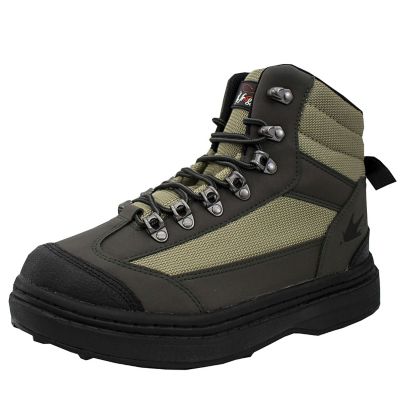
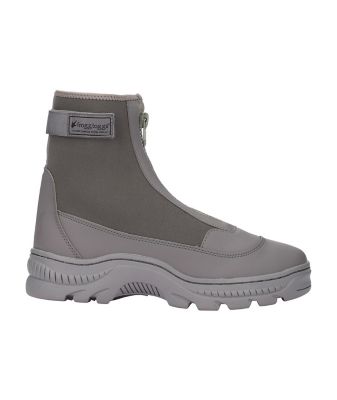
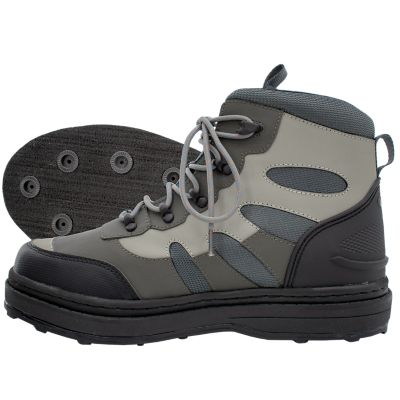
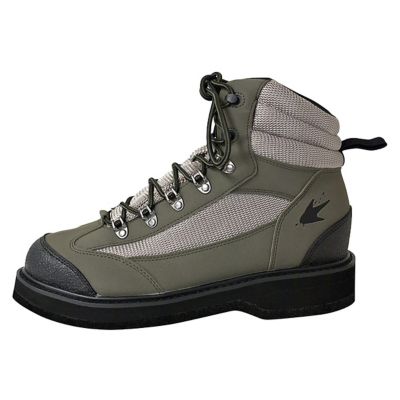
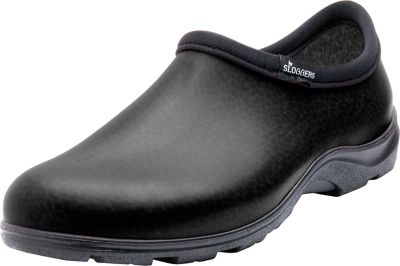
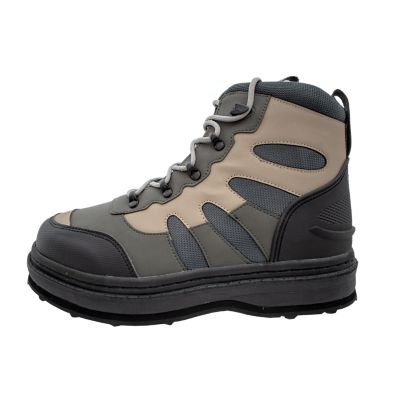
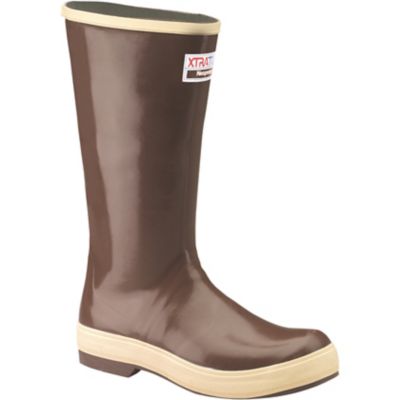
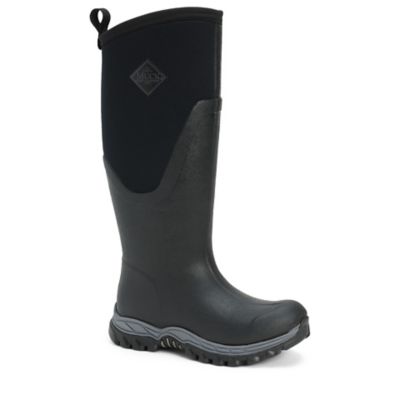
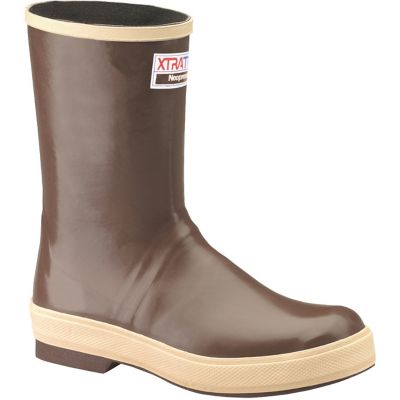
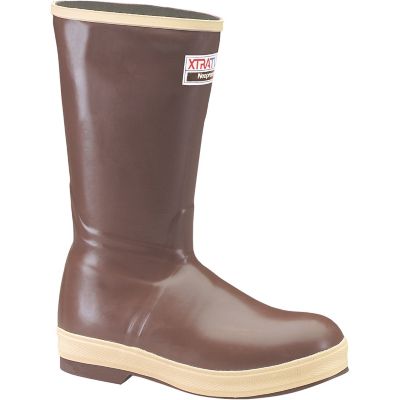
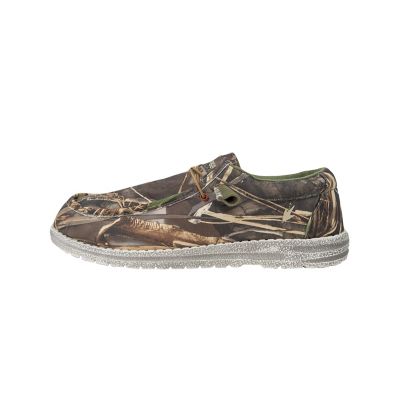
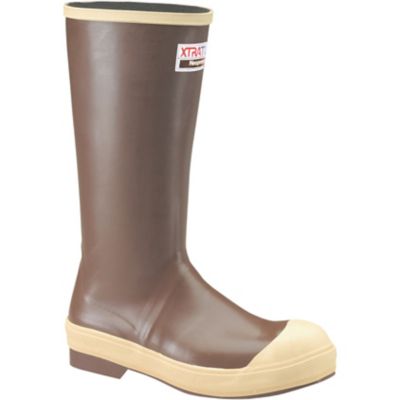
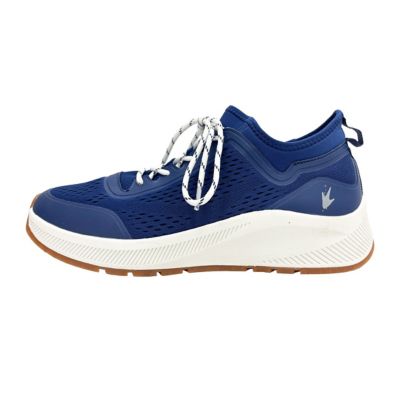
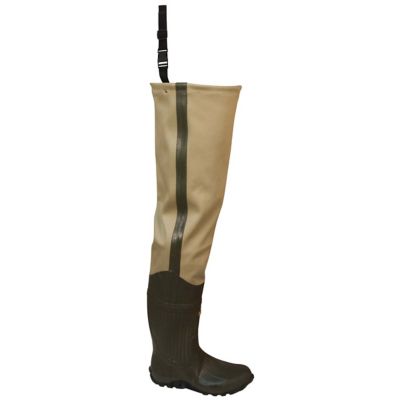
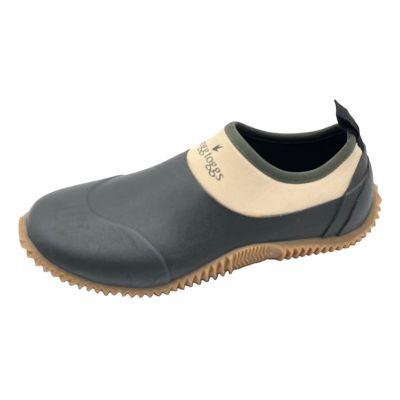
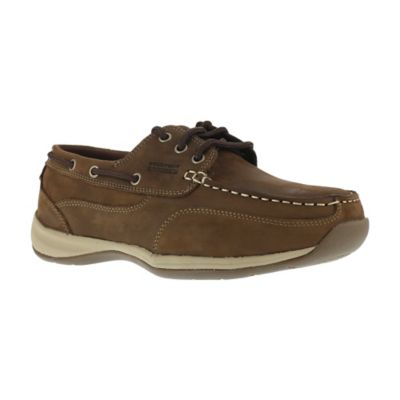
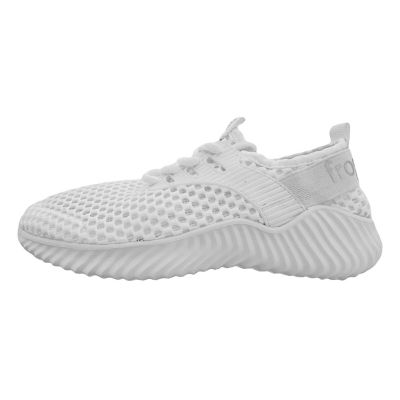
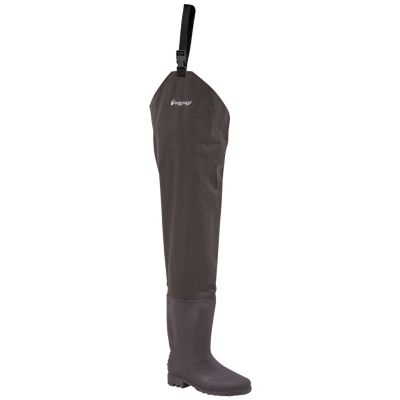
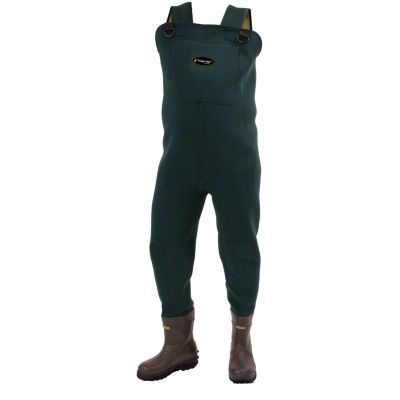
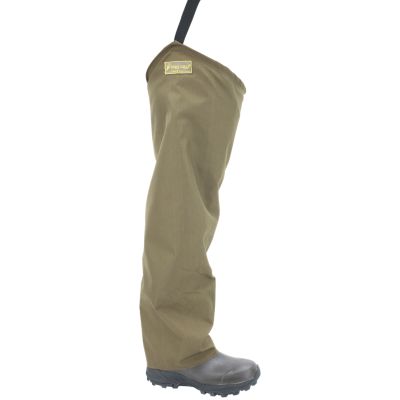
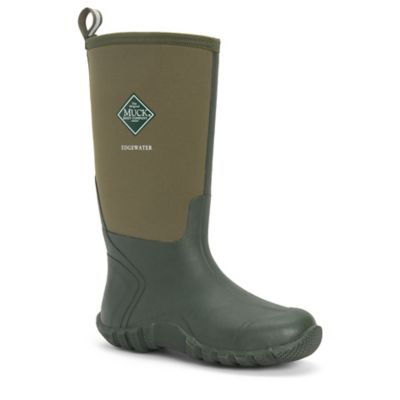
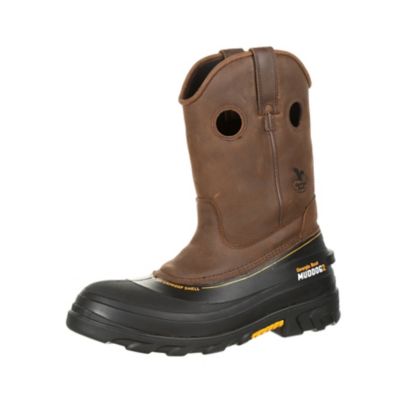
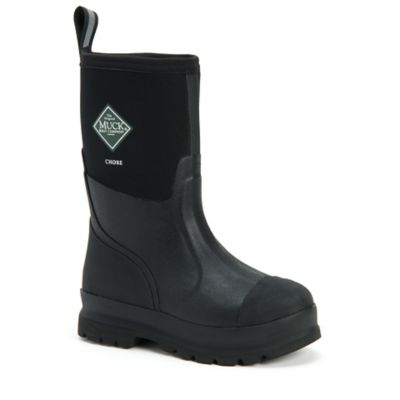
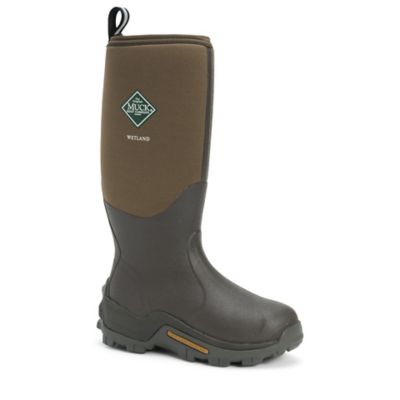
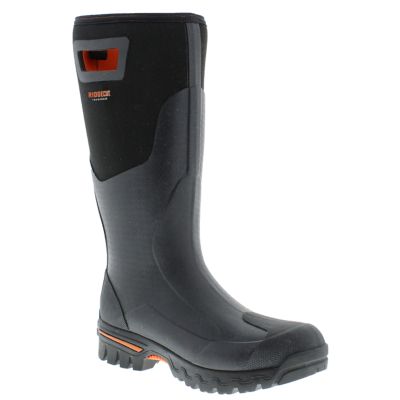
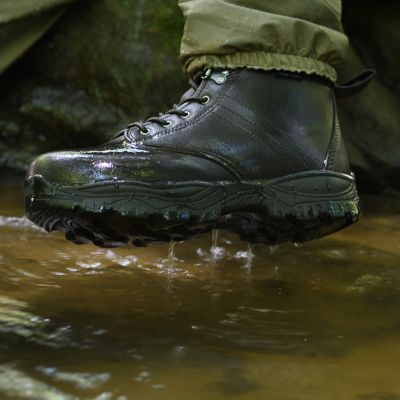
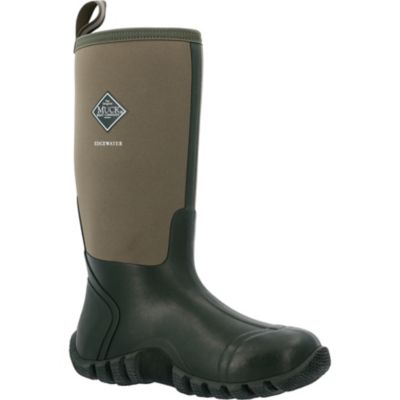
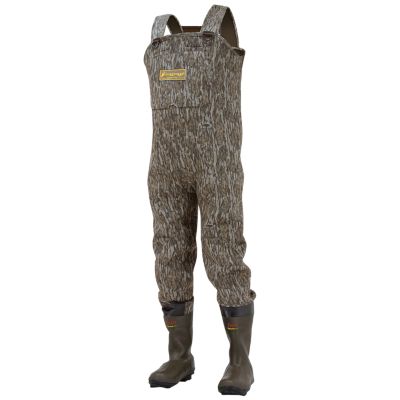
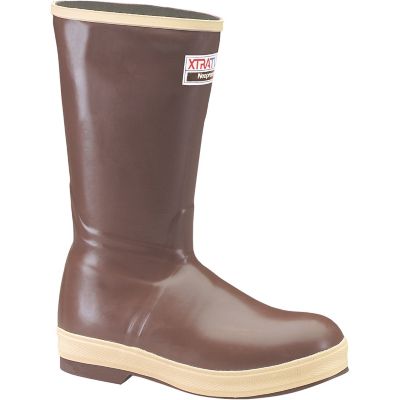
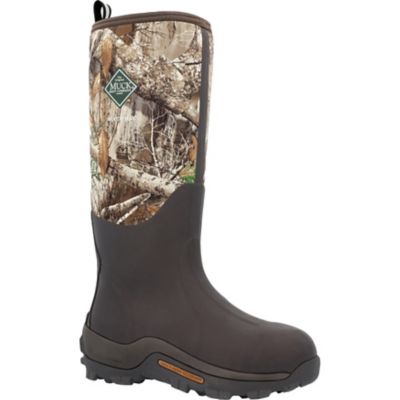
Wading shoes for fishermen are built for time in the water, with secure uppers, protective soles, and materials that can handle repeated soaking. The best match depends on the fishing spot, the bottom underfoot, and whether the shoes will be worn over stockingfoot waders or directly over fishing socks. A gravel-bottom creek, a rocky river crossing, and a sandy saltwater flat place different demands on fishing footwear. River fishing often calls for a firm platform and support around the foot, while walking the flats puts more emphasis on protection from shells, loose sand, and submerged debris. Footwear that works along a muddy pond bank may need a different tread than footwear meant for broad slabs of river rock. The common thread is a fit that stays put when a foot lifts out of soft bottom or braces between stones. Water-friendly synthetic uppers, mesh panels, and reinforced rubber sections balance drainage, coverage, and resistance to abrasion. Leather construction may need additional attention after repeated wetting, so material-specific care matters as much as how the shoes feel on the first outing. Drain ports and open mesh help water escape instead of carrying it along with every step, though larger openings can also admit fine sediment. Closed sections around the toes and heels provide coverage where rocks and roots tend to rub. Reinforced stitching, protected seams, and sturdy lace anchors deserve a close look because these areas take plenty of strain while walking uneven ground. Lighter, more flexible styles can feel less cumbersome along shallow stretches, while more structured footwear creates a firmer platform for longer walks over broken rock. Wading shoes generally drain rather than keep feet dry; waterproof protection, when needed, comes from compatible waders. That distinction matters for anglers stepping off a bank with stockingfoot waders as well as those fishing without them.
Outsole design makes a real difference when the next step might land on gravel, silt, or a submerged ledge. Rubber soles are a versatile choice for routes that cross trails, banks, and water, but the rubber compound and tread pattern affect how they perform on each surface. Deeper, more widely spaced lugs can find purchase in loose ground and shed mud more readily than tightly packed tread. Broad rock surfaces call for close attention to the sole’s intended application, since an aggressive-looking pattern alone does not guarantee grip on algae. Felt soles can provide traction on certain submerged rocks, though they perform differently on mud and dry ground, and some fishing areas restrict them because of concerns about transporting aquatic organisms. Metal studs can add bite in suitable conditions, but compatibility with the sole matters, and exposed metal may damage boat decks or other finished surfaces. No outsole removes the risk of slipping, and footwear cannot make strong current safe to cross. Fit is just as important as tread. Shoes worn over stockingfoot waders need room for the neoprene booties and the socks underneath, without letting the heel lift or the foot slide sideways. Sizing practices vary, so a blanket rule about going up one size can miss the mark. Manufacturer sizing information and a fit check with the intended fishing layers offer a better starting point. Toes need space to move without striking the front on a downhill bank, while the heel and midfoot should feel held rather than squeezed. Laces and other closures help maintain that balance as the footwear gets wet. The distinction between wading shoes and
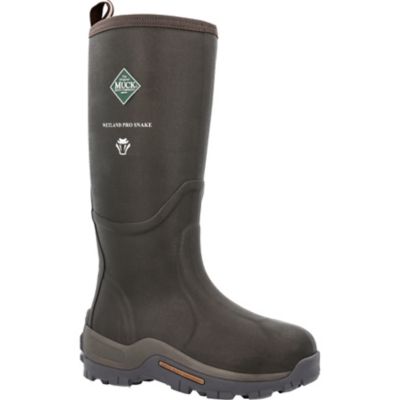
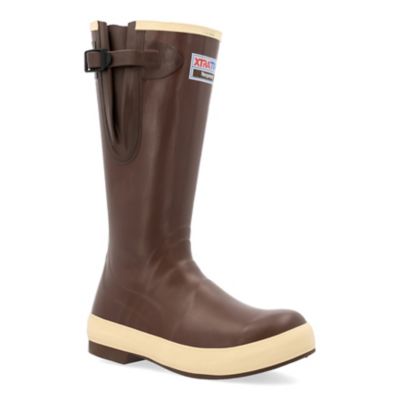
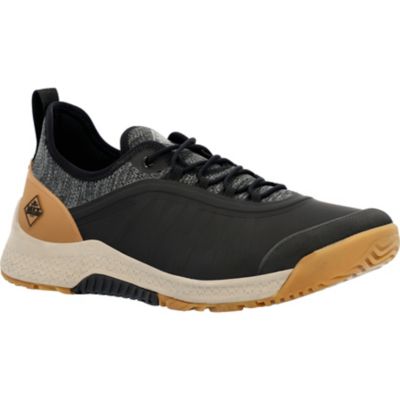
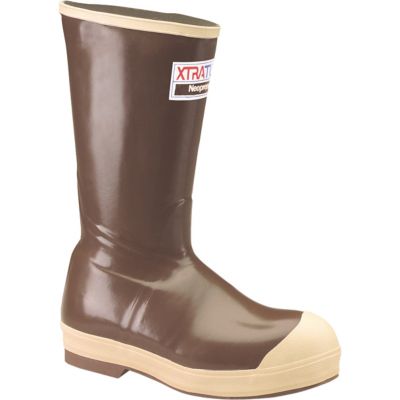
Men's Wading Boots often comes down to coverage, structure, and compatibility with the rest of a fishing setup. Taller collars offer more coverage around the ankle, while lower-cut styles leave that area more open. Neither profile replaces careful footing, and comfort on a flat floor does not always tell the whole story about a long walk beside the creek.
Care between fishing trips helps preserve the materials and keeps grit from working deeper into seams, closures, and linings. A freshwater rinse is especially important after saltwater exposure, with attention to eyelets, lace channels, drainage openings, and the edges of the outsole. Sand trapped inside a shoe can rub against both feet and wader booties, turning a small nuisance into a worn spot over time. Removable insoles, when included, allow better access for rinsing and drying, while loosened closures help air reach the interior. Manufacturer care directions take priority for cleaning agents, leather treatments, and drying methods; direct heat can harm some adhesives and materials. Footwear also needs cleaning between waterways, following local guidance for removing mud, plant fragments, and aquatic hitchhikers. Felt and other absorbent materials may require particular attention, and a quick rinse alone may not satisfy local recommendations. Before the next trip, worn tread, loose stitching, damaged laces, and lifting sole edges are worth catching at home rather than halfway across a stream. These practical details matter whether the day involves fly fishing a small creek, working a lure along a lake shoreline, or walking a shallow flat with long stretches between casts. An angler carrying tackle along a rough access trail may appreciate a different balance of cushioning and stiffness than someone taking a short walk from the truck to a familiar stretch of water. Gravel guards can help limit debris entering around the collar when they are compatible with the footwear and waders. For a fishing gift, the recipient’s usual terrain, wader setup, and footwear size are more useful than appearance alone. Well-matched wading footwear belongs to the whole fishing setup: it should leave room for natural movement, stay secure when wet, and provide protection suited to the ground underfoot, without making every step feel like extra work.