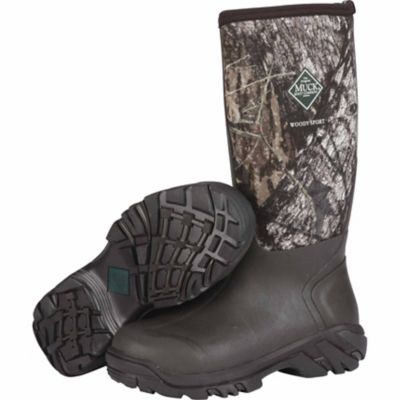
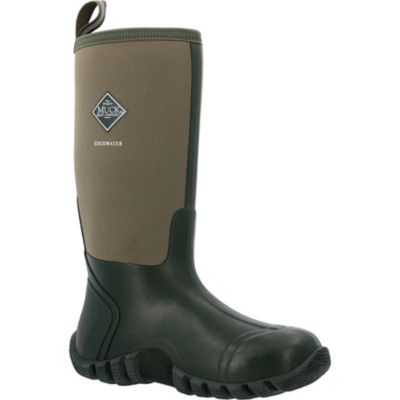
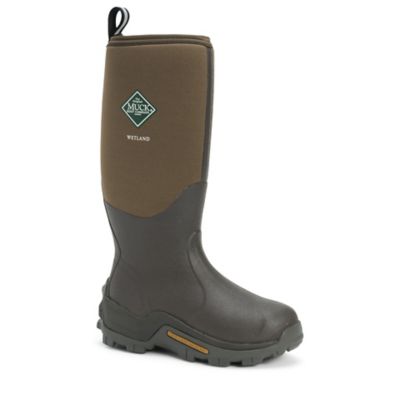
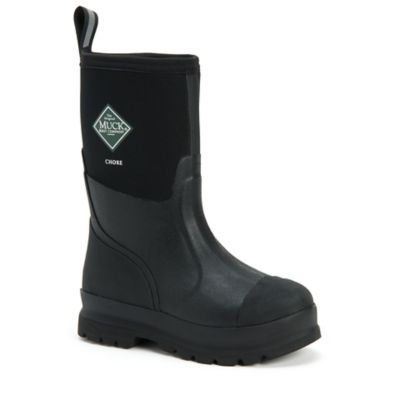
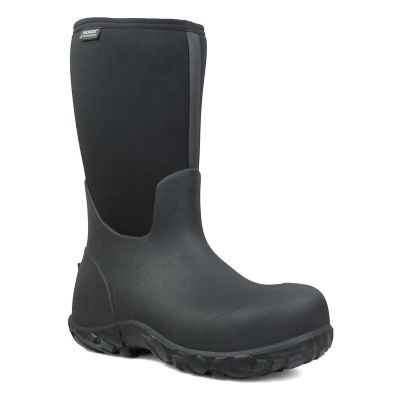
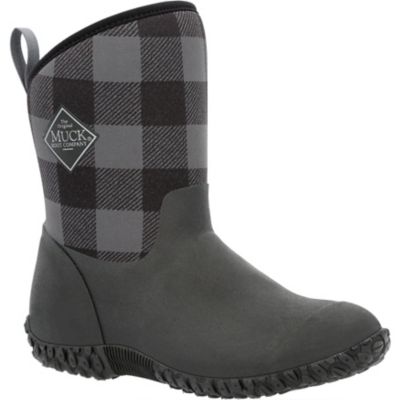
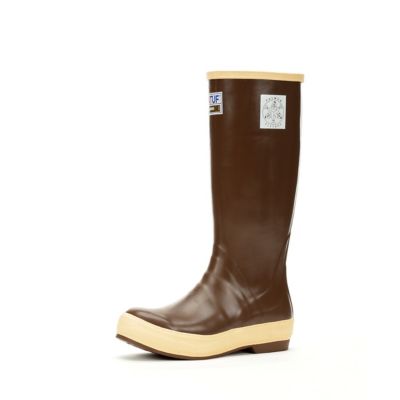
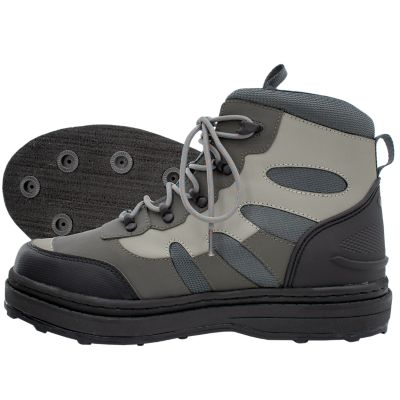
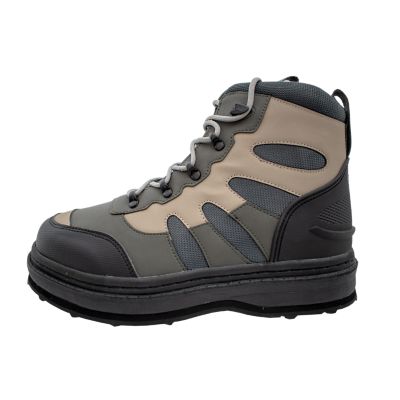
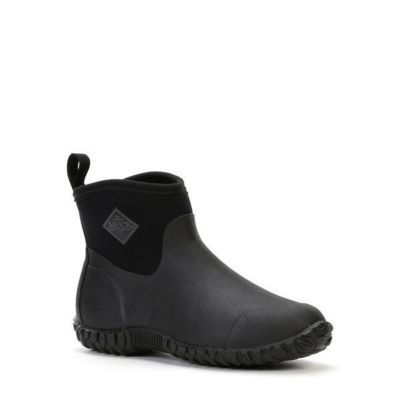
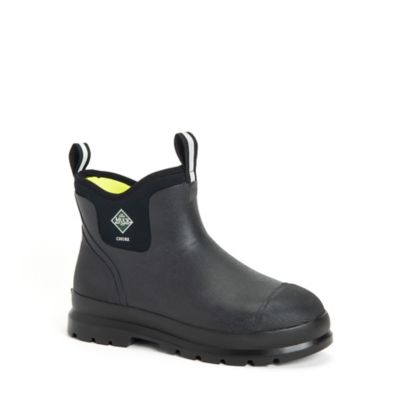
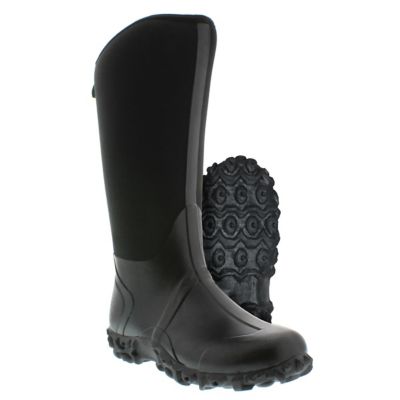
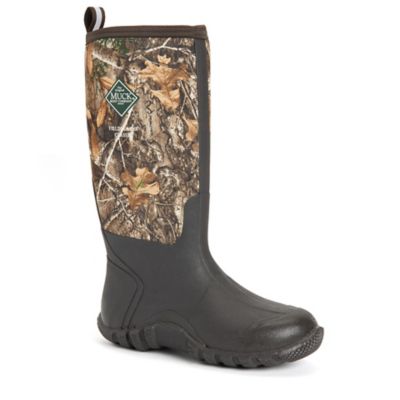
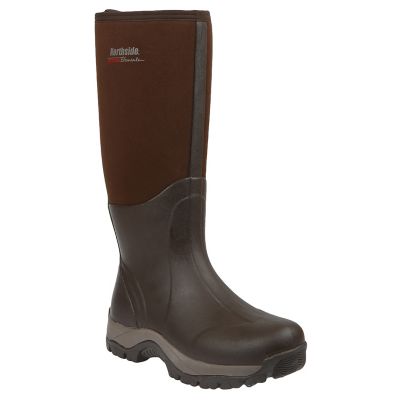
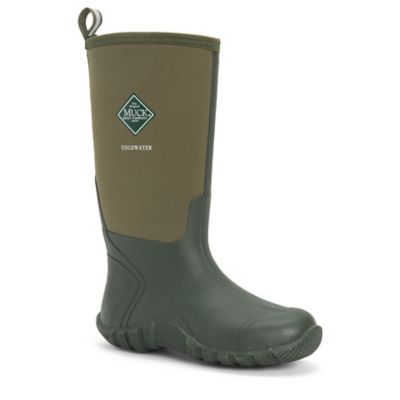
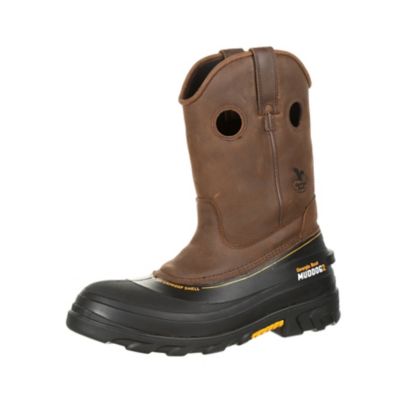
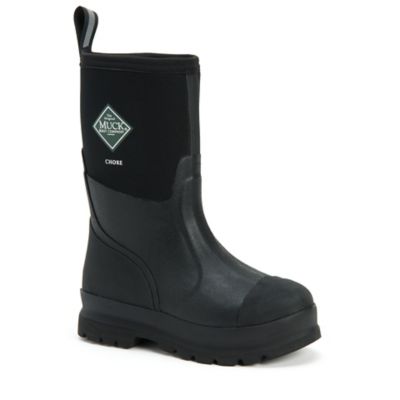
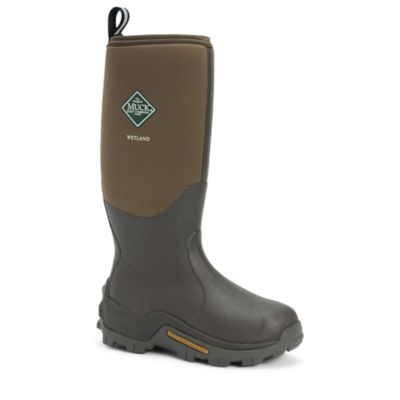
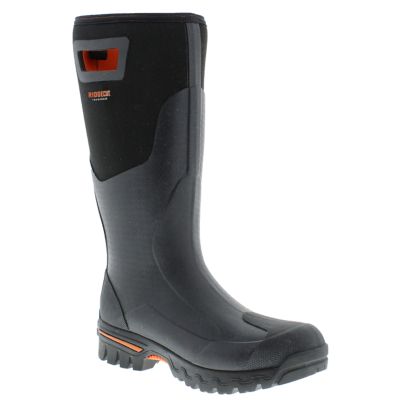
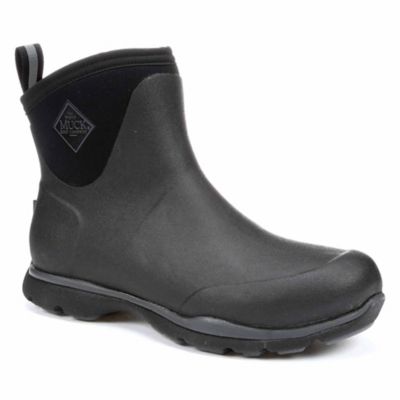
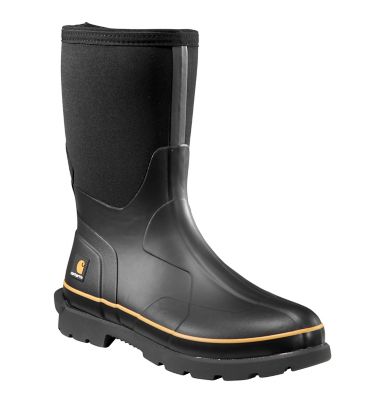
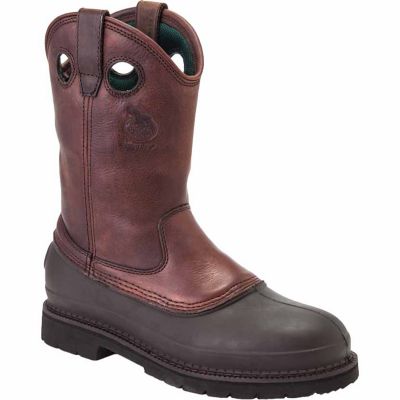
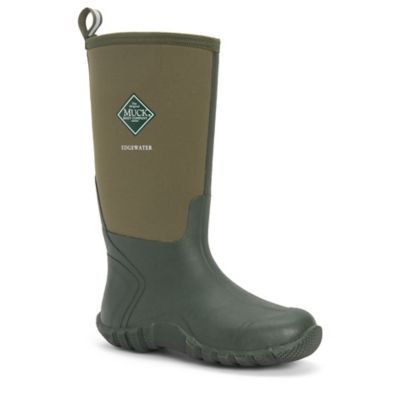
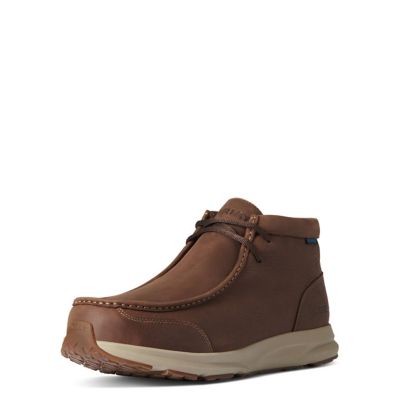
Neoprene wading boots bring a close-fitting feel to footwear meant for time around creeks, ponds, boat launches, and fishing water. Neoprene is a flexible synthetic rubber foam that provides cushioning and insulation, often with a fabric facing that helps protect the surface. In wading footwear, it may form much of the upper, line selected areas, or appear in the separate socks and stocking-foot booties worn inside an outer boot. Those differences matter: a lightweight neoprene water boot and a structured wading boot built to fit over waders are not interchangeable. Soft, low-profile boots can suit paddling, shoreline access, and some wet-wading situations, while more structured designs can provide greater protection and support for walking across uneven streambeds. Neoprene itself resists water, but a boot with neoprene panels is not necessarily waterproof. Openings, seams, closures, and the overall construction determine whether water enters, drains away, or stays outside. Wet-wading footwear generally allows water in; stocking-foot waders supply the water barrier in a wader-and-boot setup. For an angler stepping from a gravel bank into a shallow riffle, the important combination is a secure fit, suitable traction, and enough protection underfoot to keep sharp stones from becoming the main event. Rubber outsoles, reinforced toes, and protective heel sections can help with that job, depending on the design. Neoprene thickness also affects flexibility, insulation, and how much room the footwear takes up. A thicker layer can provide more cushioning and insulation, but thickness alone does not tell the whole story about walking comfort or support. Shoppers comparing neoprene wading boots benefit from looking at the complete construction rather than treating every neoprene style as the same kind of footwear. The right match depends on whether the day involves standing near a fishing hole, climbing in and out of a kayak, or covering a stretch of rocky creek on foot.
Fit starts with what will be inside the boot. Some wading boots have extra room for stocking-foot wader booties, while other neoprene styles are intended for a closer fit against the foot or a thin sock. Sizing practices vary by manufacturer, so automatically going up a shoe size can leave too much space or still fail to accommodate a thick bootie. The sizing chart and intended wearing setup are better starting points. For wet wading in an outer boot designed around waders, neoprene wading socks can help fill that extra volume, cushion the foot, and limit rubbing. Thicknesses around 2.5 to 4 millimeters are common, but the best choice depends on the boot’s internal space and the wearer’s needs. A gravel-guard cuff that folds over the boot opening can help keep sand and small pebbles from working inside; it does not create a waterproof seal. When checking fit, wear the same socks or wader booties planned for the water, seat the heel, and fasten the boot fully. Toes need room to move without striking the front on a downhill step, and the heel should not lift excessively. Pressure across the instep or bunching around the toes can become a nuisance well before the walk back to the truck. Closures affect that fit, too. Laces offer adjustment along the foot, while zippers and straps can simplify entry on some designs. Underneath, outsole choice deserves just as much attention. Rubber tread can work across banks, trails, and streambeds, although grip varies with the rubber compound, tread pattern, and surface. Algae-covered rock remains slippery even with purpose-built footwear. Compatible studs may add bite on certain surfaces, but they can scratch boat decks and slide on some hard surfaces. Felt soles face restrictions in some waters because they can transport aquatic organisms, so local rules matter. No sole makes moving water safe by itself; careful footing, sensible depth limits, and a wading staff where appropriate remain important parts of the setup.
Care has a direct effect on how well neoprene wading footwear holds up. Fine sand trapped around a zipper, grit beneath a strap, and mud packed into tread can interfere with closures and wear against the material. After an outing, rinse away debris with fresh water, paying attention to seams, sole edges, and the spaces around hardware. Saltwater exposure calls for a thorough fresh-water rinse as well. Follow the manufacturer’s cleaning directions, since harsh cleaners, solvents, and excessive heat can damage neoprene, adhesives, or other components. Let the footwear drain and dry in a ventilated spot away from direct heat, opening closures and removing removable insoles when the care instructions permit. Putting damp boots straight into a closed tote can leave lingering odors and keep moisture trapped against the lining. Between trips to different waterways, follow local clean, drain, and dry guidance, including any required treatment for aquatic invasive species; a quick rinse alone may not be enough. An occasional look at stitching, toe protection, sole attachment, and closure function can catch trouble before a loose edge or jammed zipper interrupts a fishing trip. Store boots without sharply folding the neoprene or crushing them beneath heavy gear. Beyond care, intended use should stay front and center. A flexible boot that feels comfortable in a kayak may lack the underfoot protection needed for a long walk over jagged rock, and a substantial stream boot may feel cumbersome in a tight footwell. Anglers, paddlers, and folks who spend time along pond edges each have different needs, even when their footwear shares the same material. For a gift, knowing the recipient’s wader style, foot size, and usual terrain is more helpful than guessing from everyday shoe size alone. For footwear beyond wading,
Boots With Neoprene provides a related place to browse. Keeping the actual task in mind helps separate water-specific features from those intended for chores on land, so the footwear fits the work or recreation ahead.