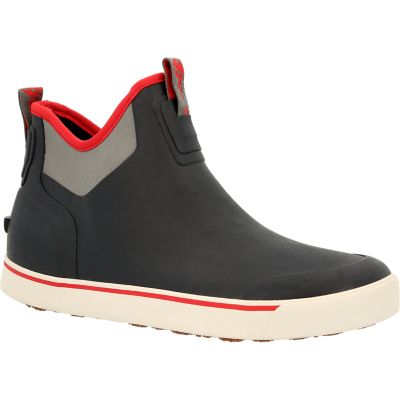
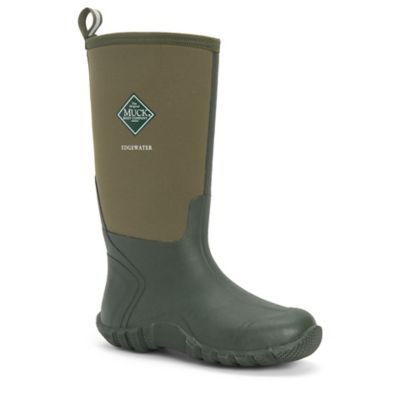
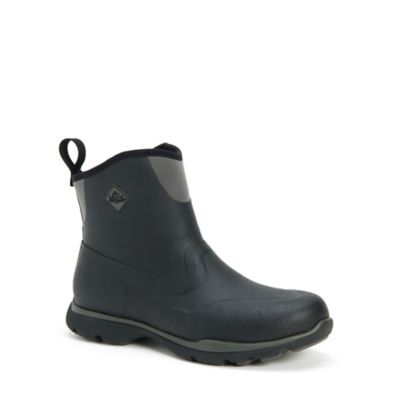
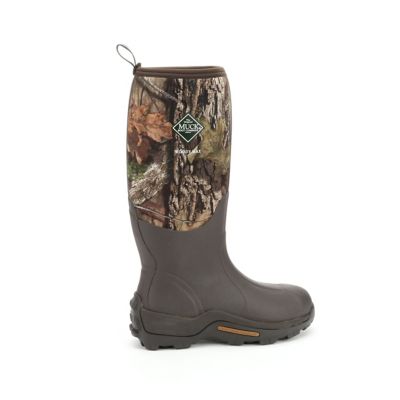
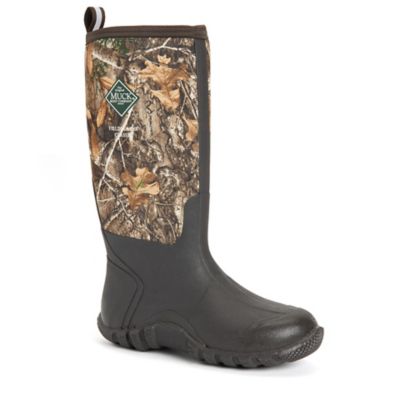
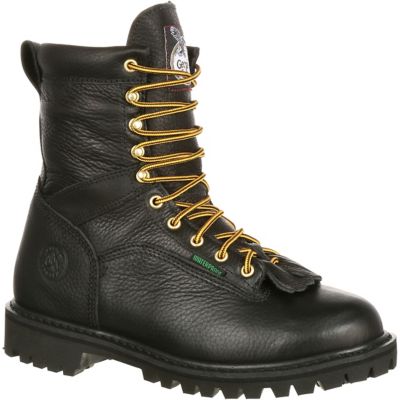
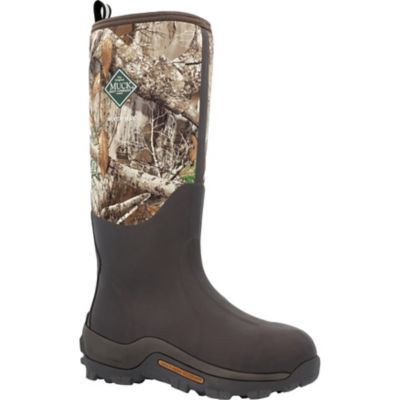
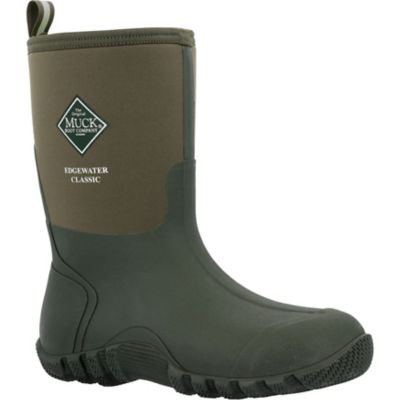
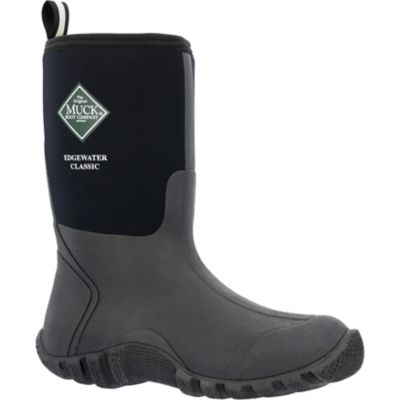
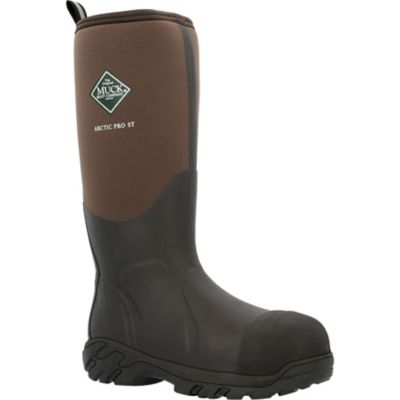
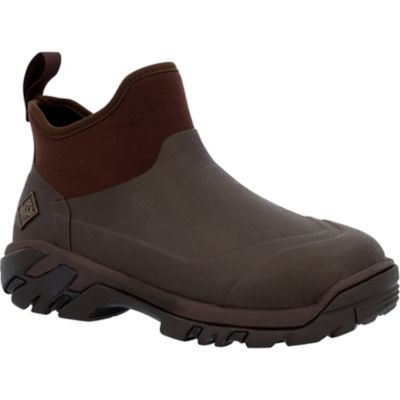
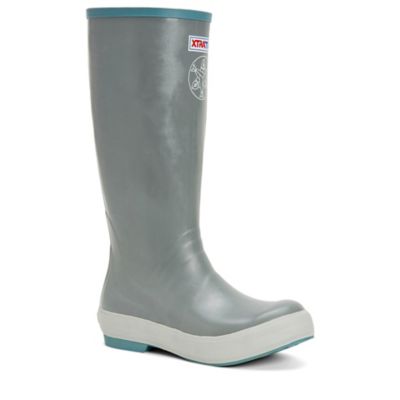
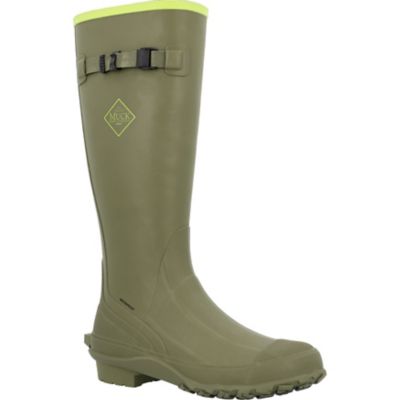
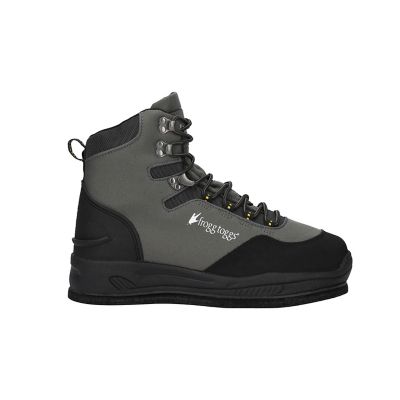
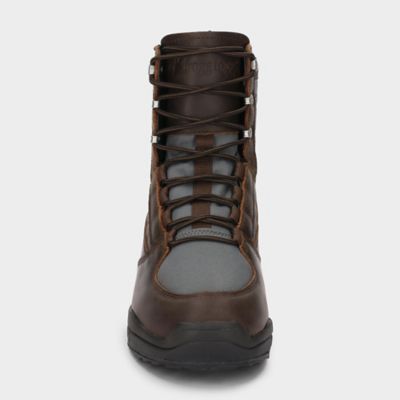
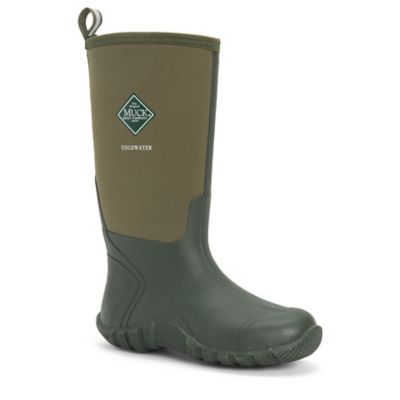
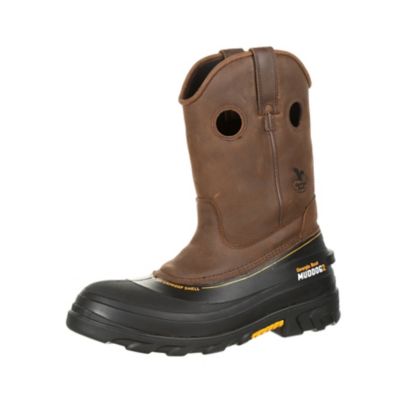
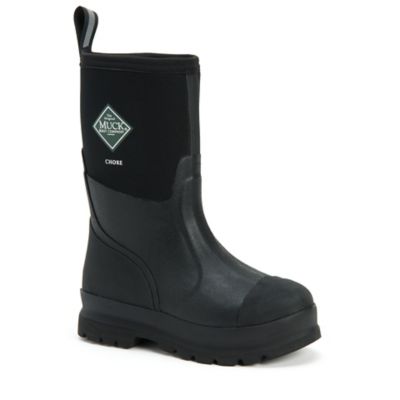
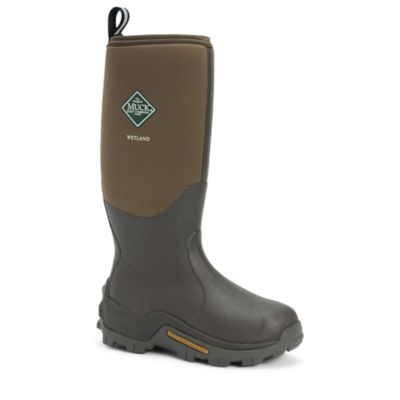
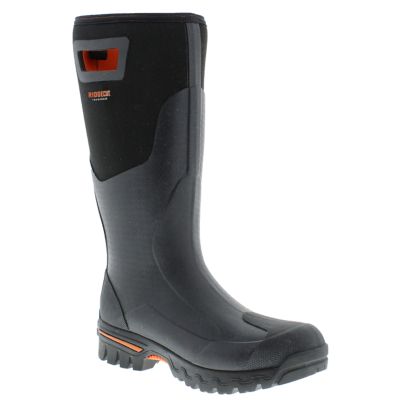
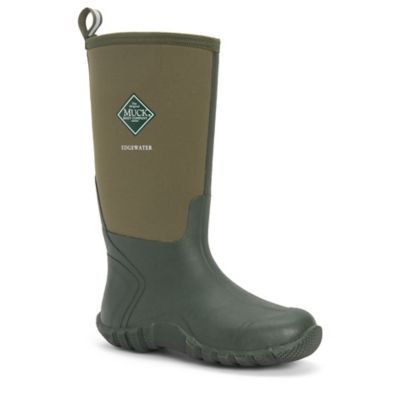
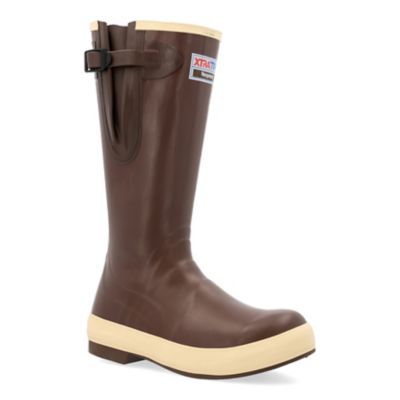
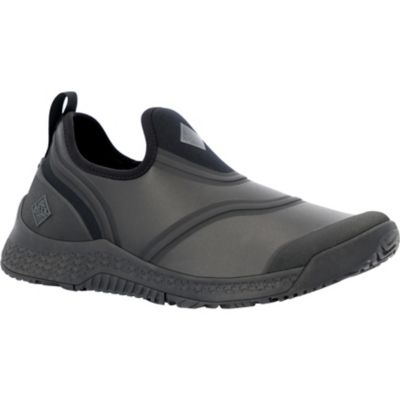
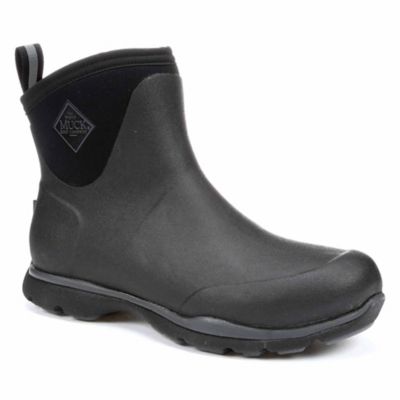
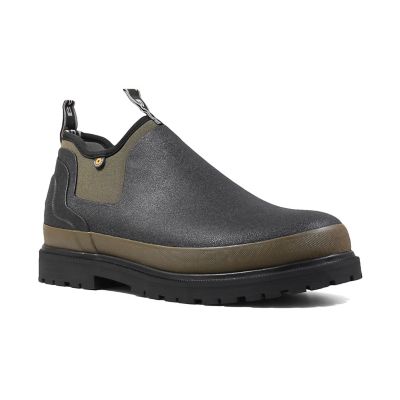
Comfortable boots for fishermen need to do more than keep feet dry. They should feel steady on a wet boat deck, hold up through long hours around the dock, and provide enough support for walking rocky shorelines, muddy banks, sandy beaches, and slick ramps. For many anglers, a waterproof ankle-height or mid-calf boot is a practical choice because it offers coverage without the weight and heat of a tall wader. Shorter shafts are easy to pull on before sunrise, give your legs room to move, and still help keep splashes, spray, and shallow puddles from soaking your socks. Look for a snug but not tight fit around the heel and instep, with enough room in the toe box to wiggle your toes and wear the socks you prefer. Feet often swell a little during a full day outside, and cramped toes can turn an enjoyable fishing trip into a sore-footed walk back to the truck. Cushioning through the footbed and midsole can soften the pounding that comes from standing on a hard deck or casting from a rocky bank, while flexible construction helps your boots move naturally as you climb into a boat, step over gear, or work along the water’s edge. Pull tabs or easy-grab handles are handy when your hands are full of rods, tackle, bait, or a cooler. Breathable linings can help reduce that clammy feeling during warmer stretches, while a little extra room makes it easier to add thicker socks during the cooler months. Fishermen who spend much of their time on fiberglass boats, aluminum jon boats, or wet docks should pay close attention to the outsole. Razor-cut channels, often called siping, help move water away from the bottom of the boot and can improve grip on wet surfaces. Non-marking rubber is also useful aboard a boat because it helps protect the deck from dark scuffs. A good pair should feel planted without making each step stiff or heavy, especially when a long day starts before daylight and ends with a damp walk from the boat ramp.
The best comfortable fishing boots depend on where and how they will be used. A boat fisherman may value a lightweight waterproof boot with a flexible shaft, cushioned insole, and dependable traction for wet fiberglass or metal. Someone who fishes from shore may prefer a little more ankle coverage, a sturdy sole for uneven ground, and enough room for warm socks when crossing cool grass or muddy trails. Surf casters need protection from spray and shifting sand, along with a sole that stays secure as waves wash around their feet. Those who spend time wet wading or walking shallow creeks should consider how high the boot reaches, how easily it drains or dries, and whether the design allows a comfortable stride through gravel and current. Waterproof rubber helps keep water out, but it is still worth checking the seams, tongue area, pull-on opening, and upper construction for places where moisture could work its way inside. A tread with well-spaced lugs can shed mud and sand, while a flatter, siped outsole may be better suited to smooth, wet boat decks. Comfort also comes from the way a boot flexes. Stiff boots can offer structure, but overly rigid shafts may rub behind the calf or make it harder to kneel, bend, and climb. A flexible pair with support around the heel and arch often feels better during the steady movement that comes with fishing: stepping across a deck, bracing against a gentle swell, carrying a net, or walking back to the truck with a full stringer. Color and appearance matter, too, especially for anglers who move from the water to a bait shop, feed store, or casual meal without changing shoes. Those looking for a pair that works around town as well as at the water may also enjoy browsing
Fisherman Aesthetic Boots for a practical look with a little personality. For a gift, comfortable fishing boots are a thoughtful choice for a dad, grandparent, spouse, friend, or young angler who spends weekends near the water. When choosing for someone else, it helps to know their usual fishing location, preferred sock thickness, and everyday shoe size, since a little fit information goes a long way.
A few simple habits can help fishing boots stay comfortable and useful through changing conditions. Wear them around the yard or on a short walk before taking them on a full trip, giving your feet time to settle into the fit and revealing any rubbing at the heel, ankle, or toe. Pair waterproof boots with moisture-wicking socks rather than cotton when possible; socks that move perspiration away from the skin can help reduce blisters and cold, damp feet. After fishing, rinse away salt, mud, fish slime, and sand with clean water, paying attention to the tread and the folds around the sole. Let the boots dry naturally in a well-ventilated spot instead of setting them against a heater or leaving them in direct, intense heat, which can stiffen rubber and affect adhesives. If the insoles come out, remove them so the inside can air out more quickly. Keeping a spare pair of socks in the truck is a small step that makes a big difference when a wave, rain shower, or misplaced step leaves feet damp. During cooler months, boots with room for warmer socks can be more comfortable than a tight fit that cuts off circulation. As the weather shifts between mild afternoons and chilly mornings, versatile boots are useful for more than fishing: they can handle chores around the barn, walks through wet grass, trips to the lake, and time spent checking lines or tending a dock. Replace a pair when the tread is worn smooth, the sole begins separating, or the waterproof protection no longer keeps up with ordinary splashes. A well-fitting, cushioned, slip-resistant pair helps fishermen stay focused on the cast, the current, and the day ahead instead of thinking about cold toes, tired arches, or an uncertain step.