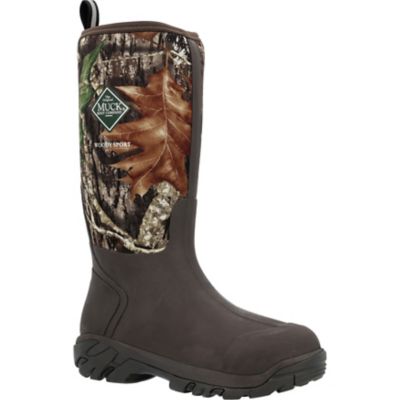
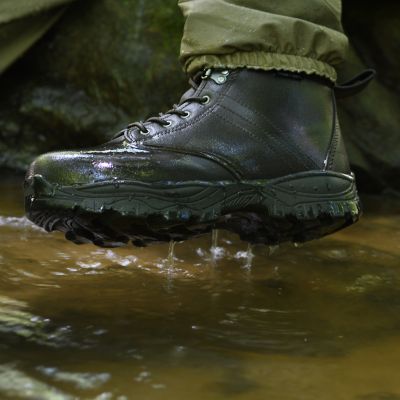
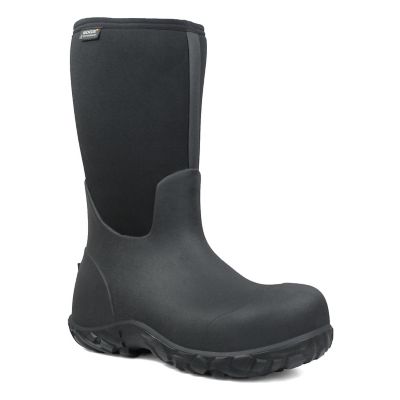
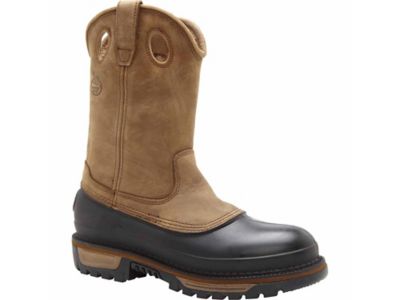
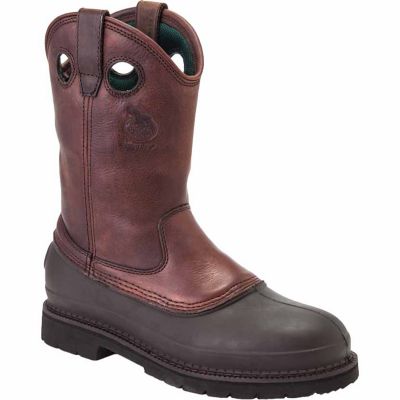
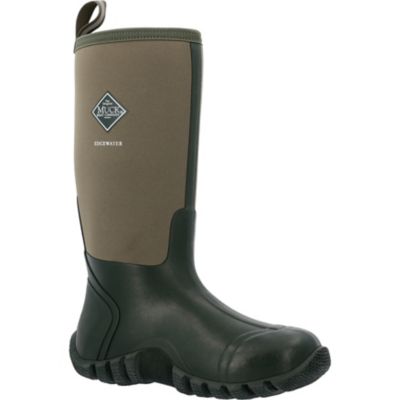
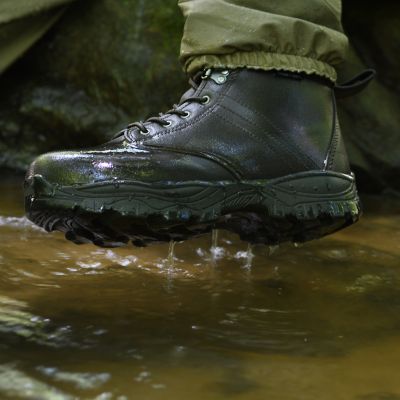
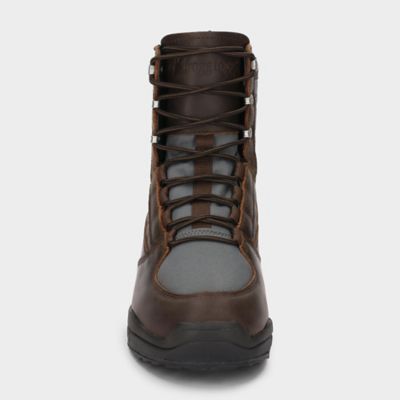
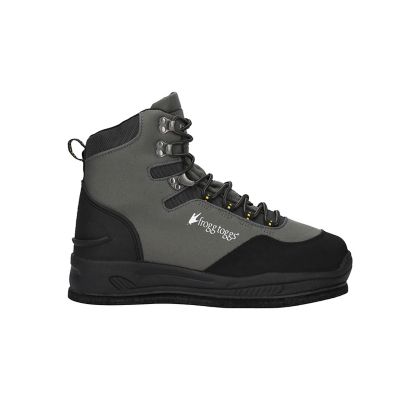
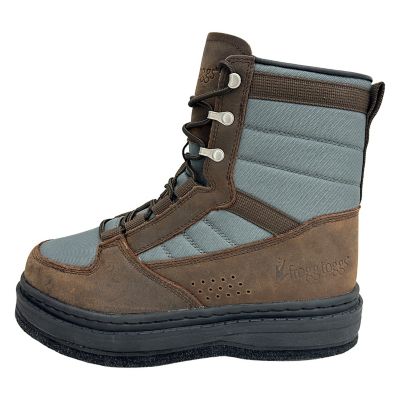
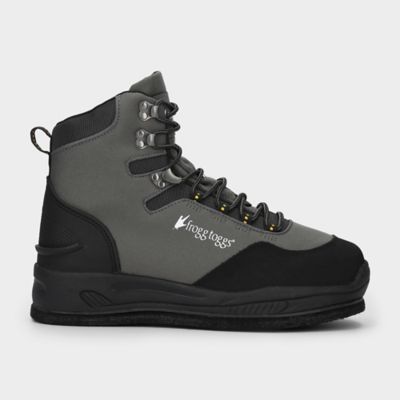
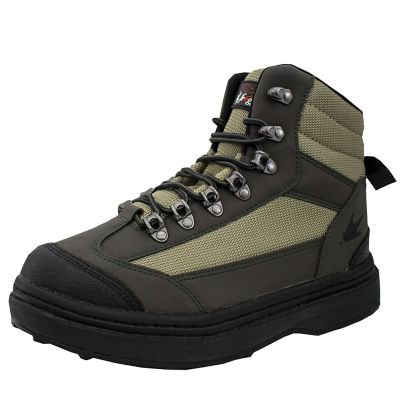
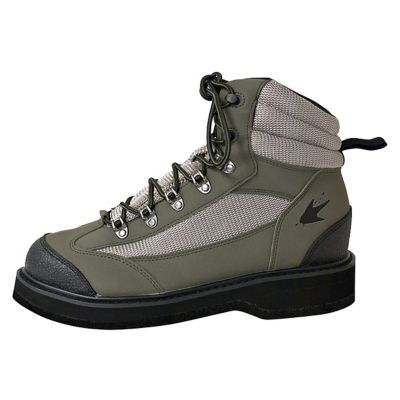
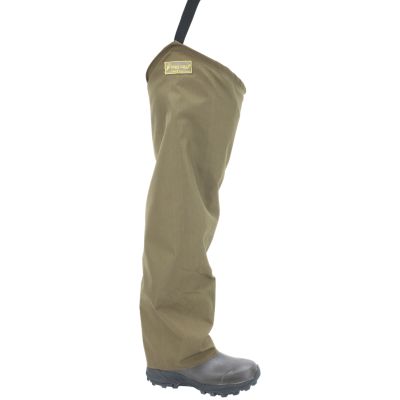
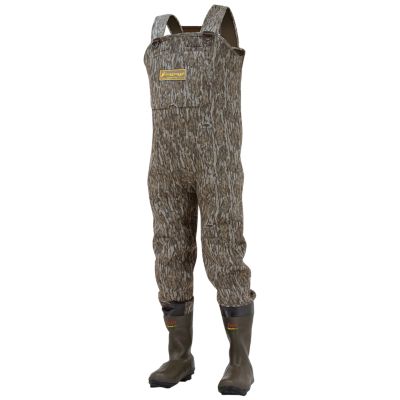
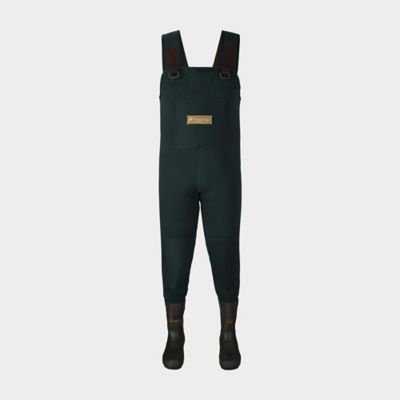
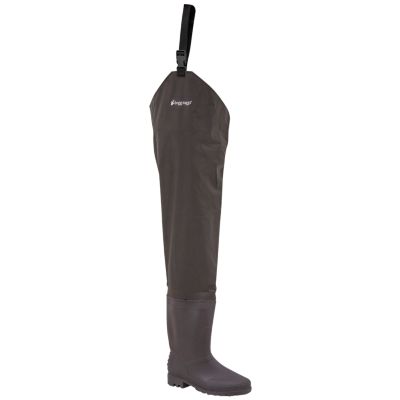
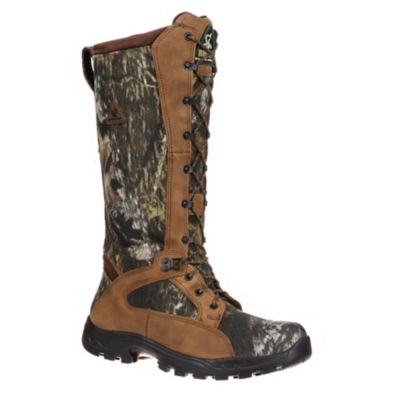
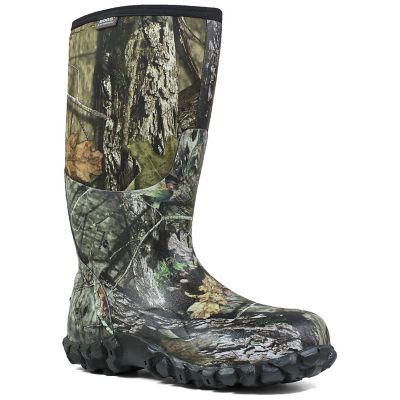
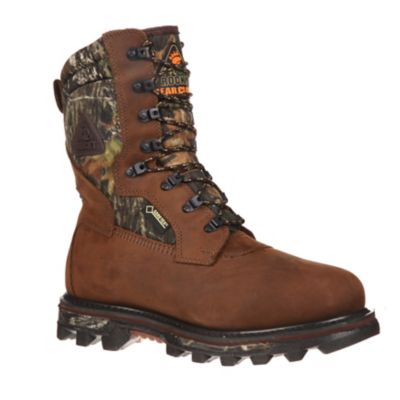
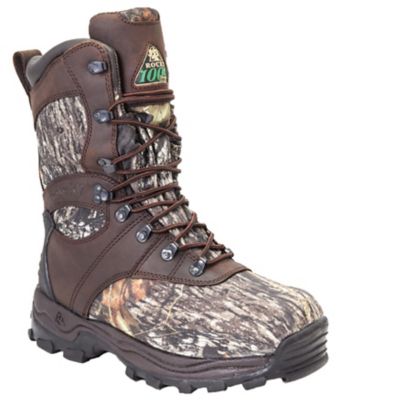
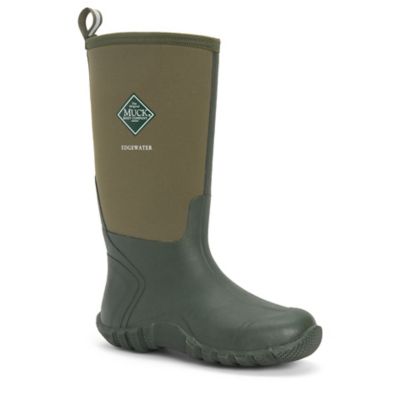
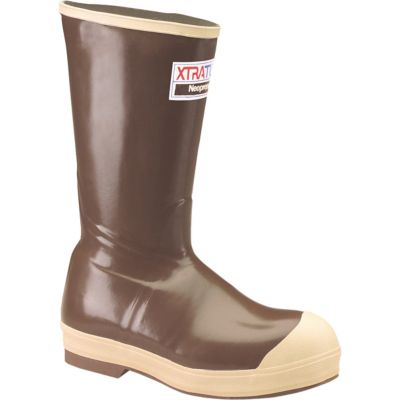
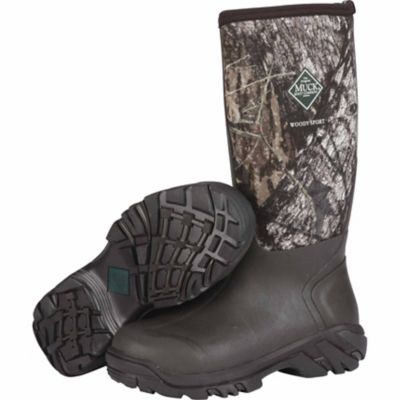
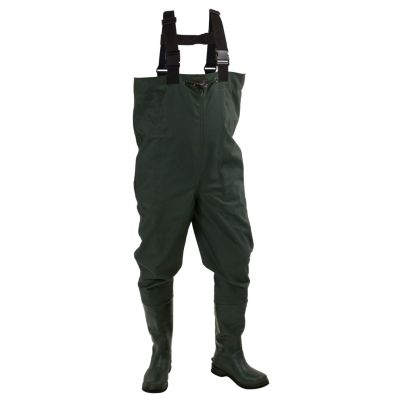
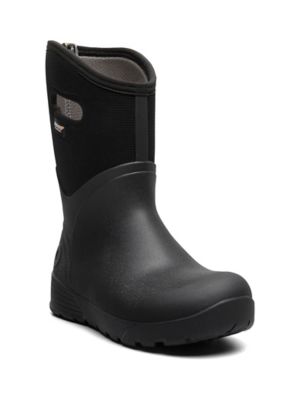
Men’s wading boots are made for anglers who spend time where the trail ends and the water begins. They help protect your feet from sharp rocks, sticks, rough gravel and uneven river bottoms while giving you a steadier step in moving water. A good pair can be useful for fly fishing, bait fishing, stream surveys, hunting around marshy ground, or simply getting to a favorite fishing hole without worrying about soaking and scuffing your everyday shoes. Some styles are built to wear over stockingfoot waders, while lighter wet-wading shoes can be worn with fishing pants, neoprene socks or other water-ready layers. The right choice depends on how you fish and how far you walk. An angler who steps from a truck into a shallow creek may want a lighter boot that drains quickly and dries without much fuss. Someone hiking a mile or more along a rocky bank may appreciate a more supportive ankle, a sturdy toe, secure laces or a dial-style closure, and a sole that feels dependable on changing ground. During the warmer part of the season, breathable construction and drainage can make a noticeable difference when you are walking through shallow water. As the weather turns cooler, room for wader booties and heavier socks becomes more important. Men’s wading boots also make a thoughtful gift for the angler who has a well-used rod and reel but still fishes in ordinary outdoor shoes. They are practical gear for a first fly-fishing setup, a weekend trip to a stocked stream, or a seasoned fisherman replacing a pair that has seen years of mud, current and gravel.
Sole choice deserves close attention because river bottoms are rarely consistent from one step to the next. Rubber soles offer a versatile option for anglers who hike dirt paths, cross muddy banks and fish a mix of streams, ponds and shoreline terrain. Many rubber-soled boots can accept screw-in studs for added traction where local rules allow, though studs may be less comfortable on hard trails, boat decks or smooth floors. Felt soles have long been valued for their grip on slick, algae-covered rocks, especially in cold rivers where a careful step matters, but felt use is restricted or prohibited in some states and waterways because it can carry invasive organisms from one fishing spot to another. Check local regulations before buying, and clean, drain and dry your boots between outings no matter which sole you choose. Interchangeable sole systems can be handy for anglers who fish different kinds of water, allowing one boot to be set up for rocky streambeds and another day’s hike. Still, traction is only part of safe wading. Move slowly, keep your feet planted before shifting your weight, and use a wading staff when the current is strong or the bottom is hard to read. Look for reinforced toe and heel areas, rust-resistant hardware, strong stitching and materials that can handle brush along a creek bank. Drainage holes or water-shedding panels help reduce the weight of a soaked boot, while a firm midsole can take the sting out of walking across loose cobble. Boots should feel secure without pinching. When worn with stockingfoot waders, anglers often need to go about one full size larger than their regular street shoe to make room for the thick neoprene booties, but sizing varies by brand and design, so check the manufacturer’s chart and consider the socks you plan to wear. Your heel should stay mostly locked in place, and your toes should have enough room to move without sliding forward. A loose heel can cause blisters on a long walk, while a cramped toe box can leave feet cold and uncomfortable during a full day outdoors.
Before choosing from men’s wading boots, think through the whole outing instead of focusing only on how a boot looks online. Consider the water you fish most often, the kind of bank you walk, the weight of your waders, and whether you drive straight to the access point or hike in with a pack. Traditional laces make it easy to fine-tune the fit around the ankle and instep, while quick-closure systems can be convenient when cold fingers or gloves make tying knots a chore. A padded collar can add comfort on a long approach, and a lower-cut wet-wading shoe may feel cooler and more flexible for shallow summer creeks. Anglers who fish during the cooler months may prefer a roomier boot that accommodates thicker socks and insulated wader booties. If you are comparing men’s wading boots with other cold-water footwear,
Neoprene Wading Boots can offer added warmth and a snug feel in chilly conditions, though the same sizing rule applies: leave enough space for the layers worn inside. After each trip, rinse away sand, silt and plant matter, paying attention to the sole edges, lace eyelets and seams. Open the boots fully and let them dry in a shaded, well-ventilated place rather than setting them against a heater, which can damage adhesives and materials. Keep felt away from other fishing gear until it is completely clean and dry, and follow any care directions provided with the boots. A little maintenance helps preserve traction and keeps unpleasant odors from settling in. Whether they are packed for a fall trout trip, kept in the truck for impromptu creek stops, or wrapped as a useful gift for someone learning to fish, dependable wading boots make wet ground easier to manage and help anglers spend more time paying attention to the current, the cast and the next good spot along the bank.