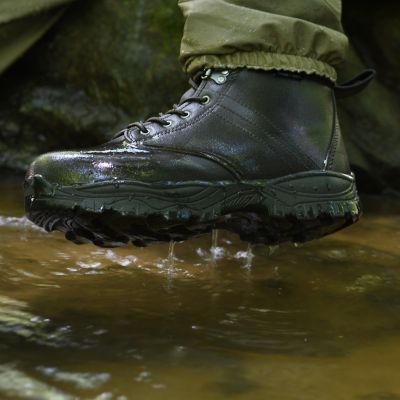
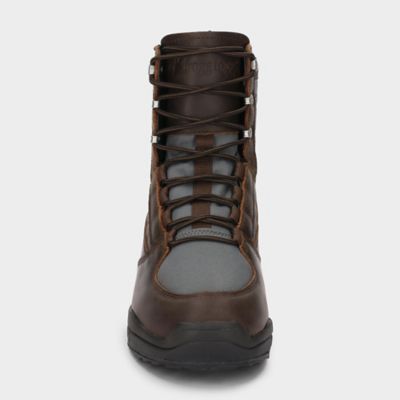
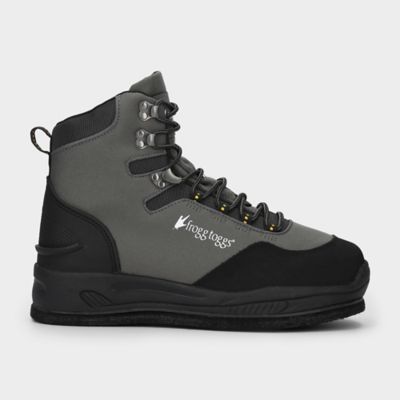
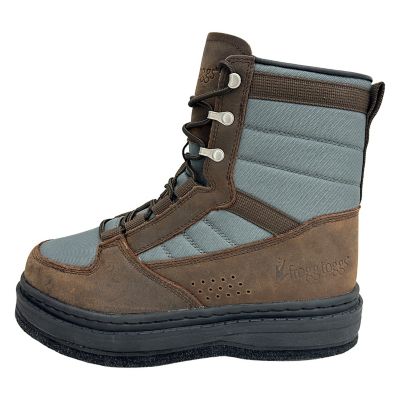
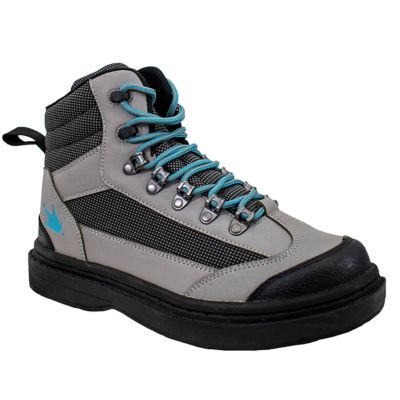
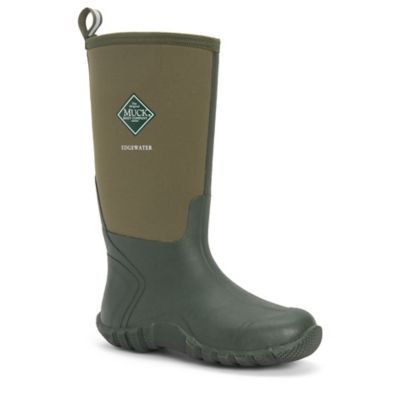
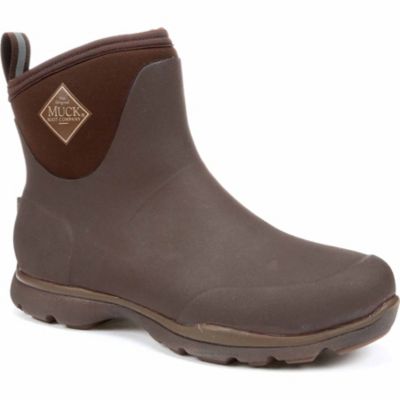
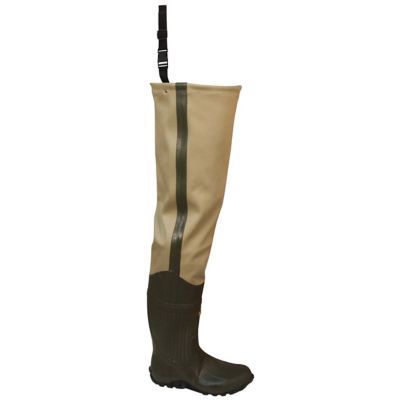
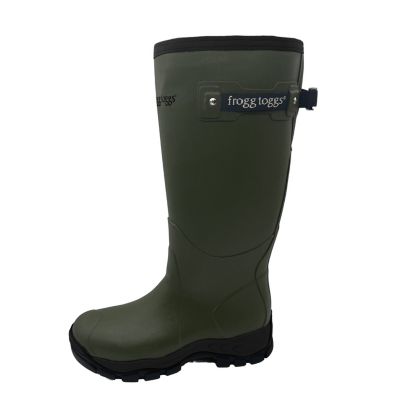
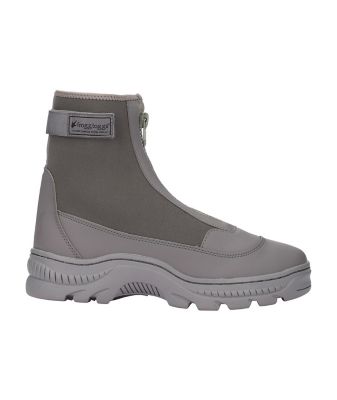
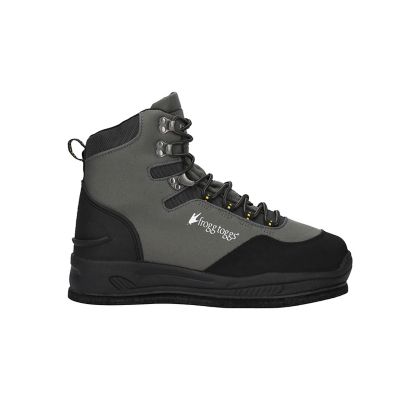
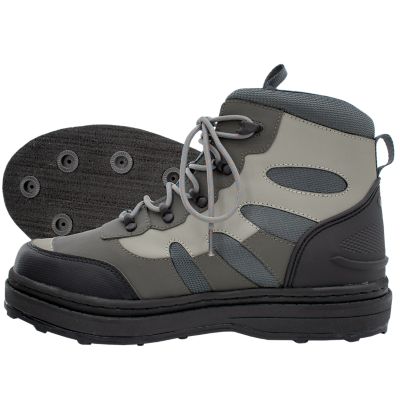
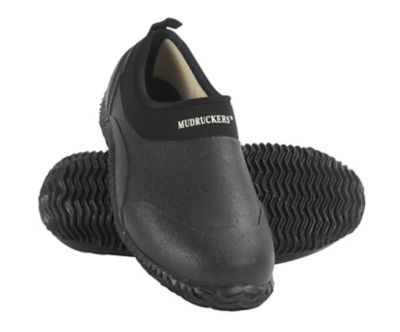
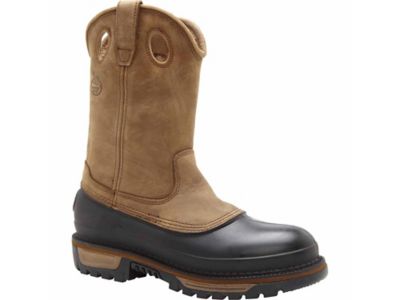
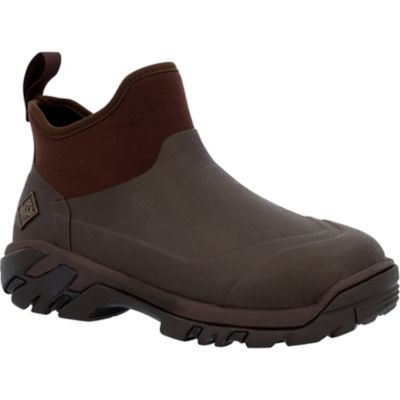
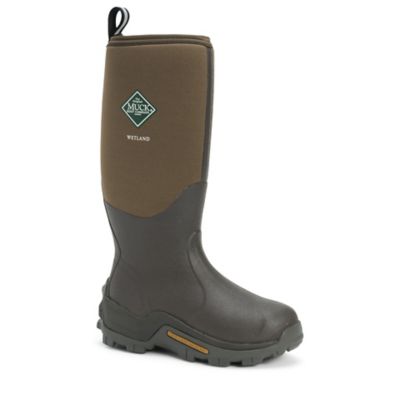
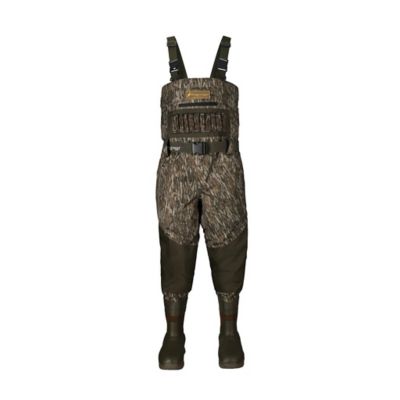
Wading boots give fishermen a firm platform underfoot when a fishing trip takes them beyond the bank and into a creek, river, or lake. Unlike ordinary hiking boots, they’re built for repeated time in the water, with drainage features, protective uppers, and soles intended for wet terrain. Most pair with the neoprene booties on stockingfoot waders, adding traction and support while the waders provide the waterproof barrier. The boots themselves generally let water in and drain it back out; they aren’t a substitute for waterproof waders or insulated footwear. That distinction matters on a cool morning when the gravel bar is frosty and the walk to a favorite bend is longer than expected. A good match depends on the whole trip, from the pasture path leading to the water to the rocks beneath the surface. Rubber outsoles are a practical choice for fishermen who cover dirt trails, gravel, and streambeds in the same outing, though grip on slick rock varies with the rubber compound and tread. Felt soles can provide traction on some wet rock surfaces, but they aren’t permitted everywhere because of concerns about spreading aquatic invasive species. Local fishing regulations and access rules matter before choosing a sole. Some boots accept compatible metal studs for additional bite on certain surfaces, while others feature interchangeable outsoles for different terrain. Neither feature is universal, and studs can damage boat surfaces or slip on hard, smooth flooring. No sole makes algae-coated rocks or strong current safe. For fishermen comparing
Men's Wading Boots, the most useful differences often come down to traction, fit over wader booties, ankle coverage, and how much walking the day involves. A short walk to a familiar pool calls for a different balance than a mile along a brushy bank before the first cast. Fly fishermen, spin fishermen, and folks who split their time between small creeks and broader rivers all benefit from footwear suited to the ground they actually cover.
Materials and construction help determine how wading boots feel after several hours of walking, standing, and working around submerged rocks. Synthetic leather, woven synthetic fabrics, and mesh panels appear in many designs, combining structure with varying degrees of drainage and flexibility. Reinforced toe caps and heel sections help protect against bumps, while a protective rand around the lower upper can limit abrasion where rocks scrape the boot. Strong stitching, securely attached soles, and corrosion-resistant hardware are worth attention when footwear will spend much of its working life wet and gritty. A more structured boot can feel reassuring on uneven footing, but extra weight may become noticeable on a long approach or after repeated steps through soft bottom. Lighter construction can make walking less tiring, although ankle coverage, underfoot stiffness, and protection still matter. Those features vary independently, so weight alone doesn’t tell the whole story. Fit deserves just as much thought as materials. Wading boot sizing isn’t consistent across manufacturers: some sizing already accounts for stockingfoot waders, while other designs require a larger size than everyday footwear. Automatically going up one full size can leave too much room in one boot and not enough in another. The better reference is the manufacturer’s sizing guidance, checked against the socks and wader booties intended for the trip. There should be space to move the toes without a loose heel or a foot that slides forward on a downhill bank. Thick socks squeezed tightly inside a boot can reduce comfort and circulation rather than improve warmth. Traditional laces offer straightforward tension adjustment, while dial closures on some designs make tightening and loosening convenient. Either way, a secure fit through the heel and midfoot helps keep the boot from shifting with each step. For wet wading without full waders, compatible neoprene wading socks can help fill the space normally occupied by stockingfoot booties; ordinary thin socks may leave that same pair fitting far too loosely.
The small details become easier to appreciate after a full day near the water. A wide opening can make it less of a struggle to pull boots over neoprene booties beside a tailgate, and a substantial pull loop gives cold fingers something to hold. A gusseted tongue can help limit grit entering around the laces, while compatible gravel guards help keep sand and small stones from collecting around the wader booties. Drainage ports let water escape, but mud and debris can obstruct them, so their condition matters as much as their presence. Cushioning and a supportive footbed can improve comfort during long stretches on a gravel shelf, though cushioning alone doesn’t provide traction or make deep mud easier to cross. During the cooler months, warmth depends on the full clothing and wader setup, along with water temperature, activity, and time spent standing still. Boots that fit comfortably at home should still leave room for the layers planned for those conditions. Back at the truck, knocking off clinging mud is only the start of proper care. Cleaning away sediment and plant material, draining retained water, and following local clean, drain, and dry guidance help reduce the chance of carrying aquatic hitchhikers between fishing waters. Some locations call for additional decontamination steps, particularly with felt soles, so local requirements take priority over a quick rinse. At home, loosen the closures, remove removable insoles when the manufacturer recommends it, and let the boots dry thoroughly in a ventilated spot away from direct heat. Inspecting seams, laces, sole edges, and stud attachments can reveal wear before the next trip. For a fisherman receiving wading boots as a gift, knowing the wader setup, usual fishing terrain, and sizing needs is more helpful than guessing from an everyday shoe size. The right pair belongs naturally alongside the rod case and tackle bag: practical gear for getting to the water, settling into a careful stance, and spending more comfortable hours fishing.