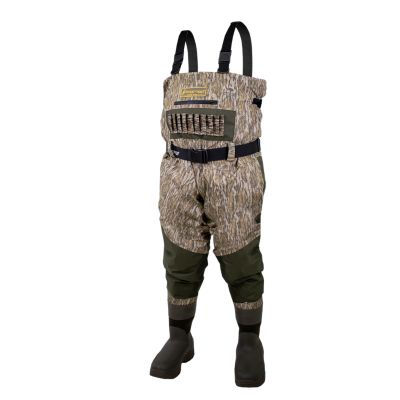
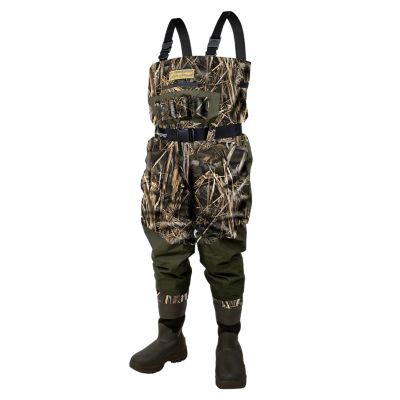
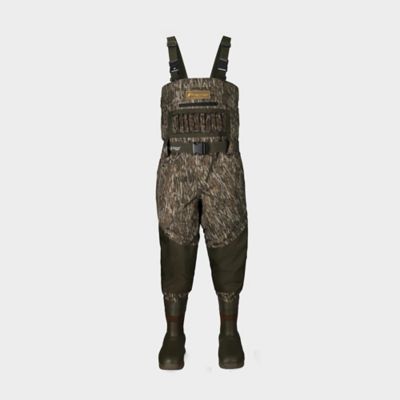
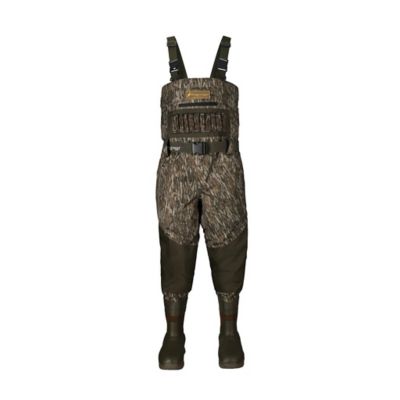
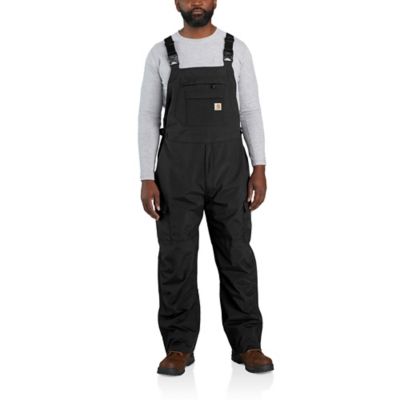
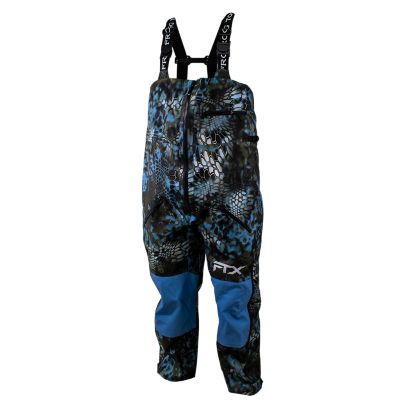
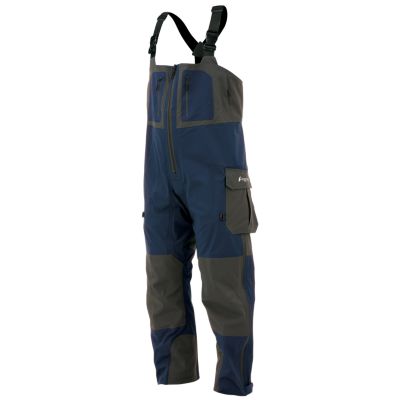
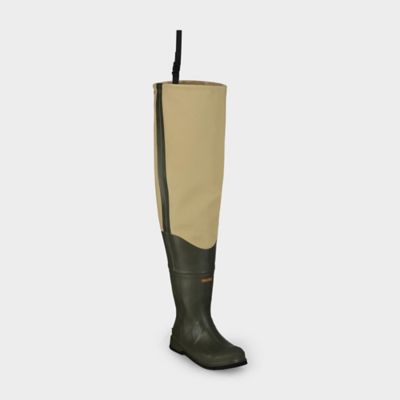
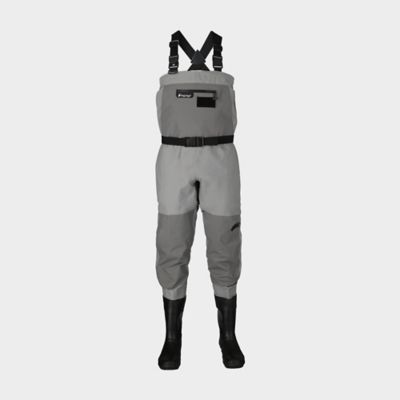
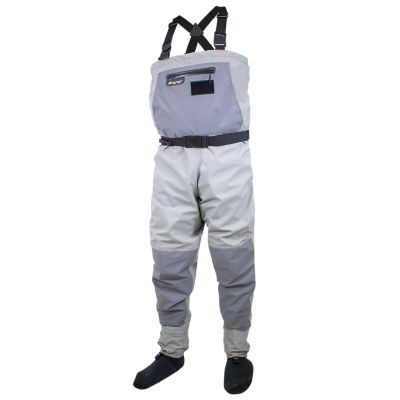
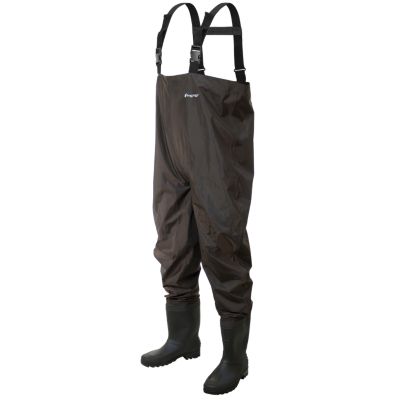
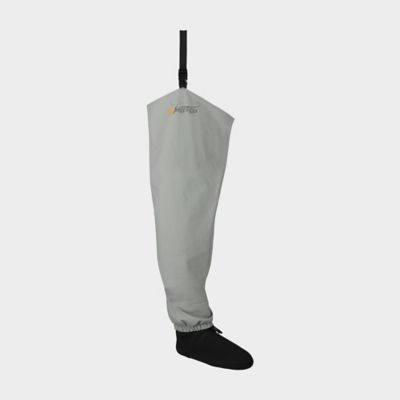
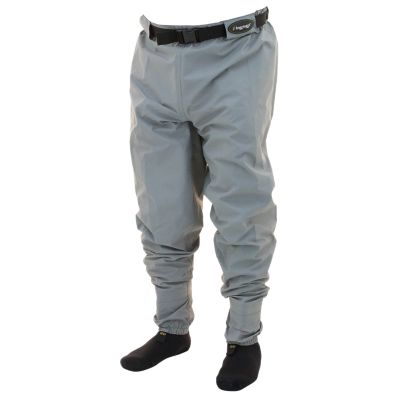
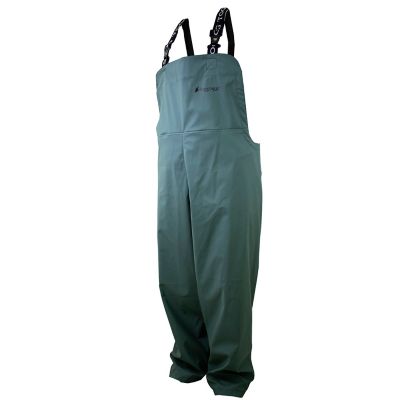
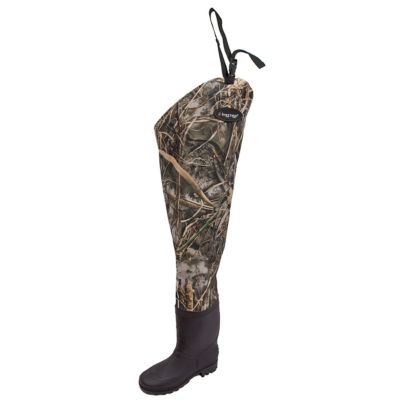
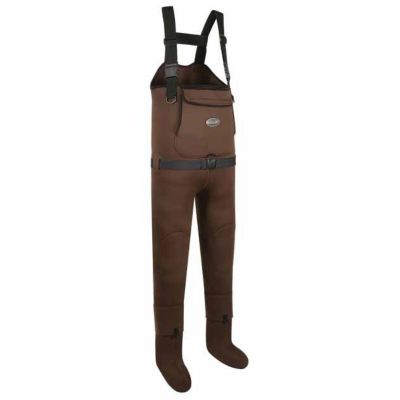
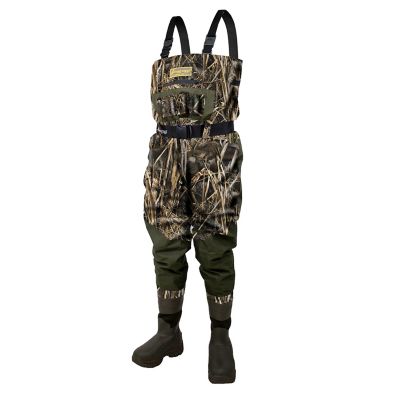
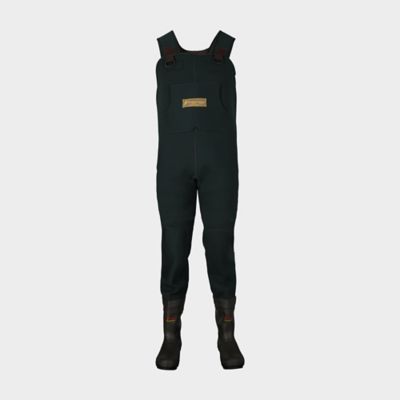
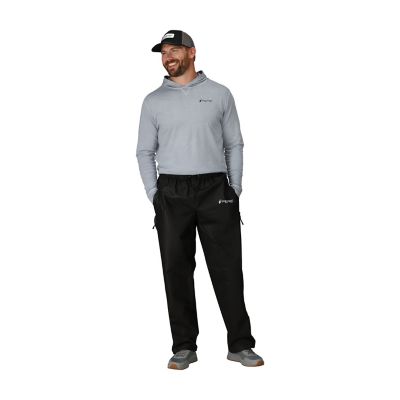
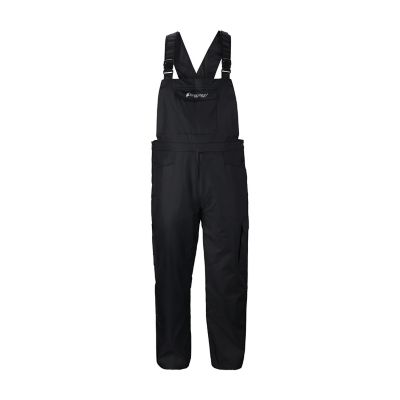
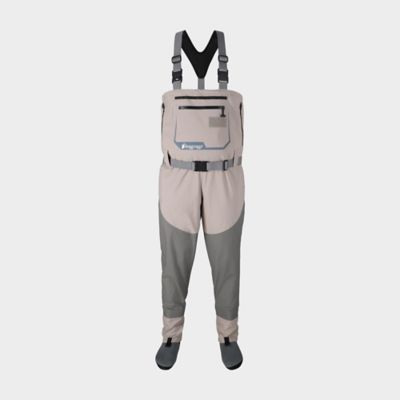
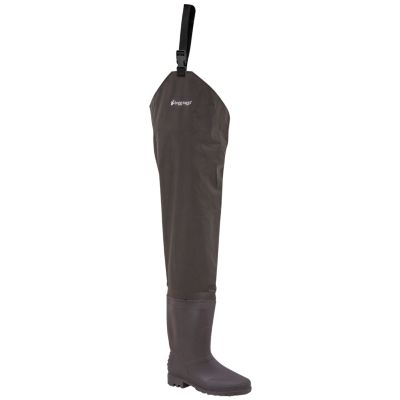
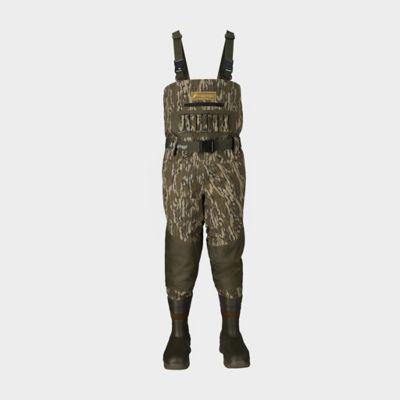
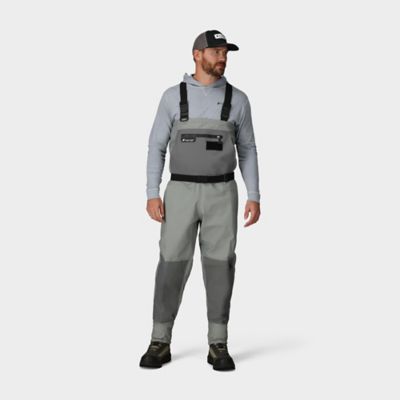
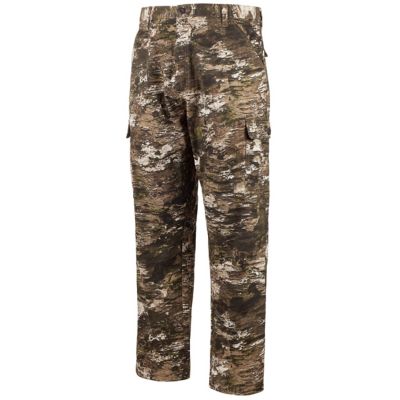
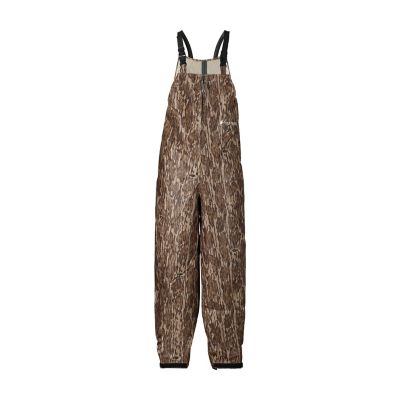
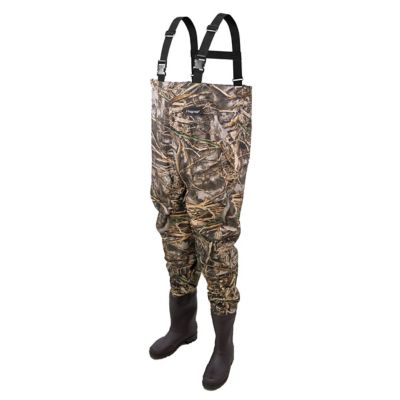
Fishing wader pants for fisherman are a practical choice for anglers who spend time in shallow creeks, calm river edges, ponds and flats where staying dry matters but full chest waders feel like more gear than the day calls for. Designed to come up around the waist, these waterproof trousers help keep legs and lower body protected from cold water, wet grass, muddy banks and splashing without adding as much heat or bulk through the chest and shoulders. That lighter feel can make a real difference when walking from one fishing hole to the next, stepping over downed limbs or casting along a narrow stream. Waist-high waders are especially useful during milder days and the warmer part of the fishing season, though many anglers continue to wear them during cooler months with the right base layers underneath. They can be a handy fit for fly fishermen, bank anglers, people who fish small streams and anyone who prefers a quick setup for a short trip. They are also a thoughtful gift for a fisherman who spends weekends exploring local water, checks farm ponds before sunrise or enjoys getting away from the boat ramp and working a quiet stretch on foot. When choosing a pair, start with the water and terrain where they will be used. Waist-high waders are best when water stays below the waist and conditions are manageable; they are not a substitute for chest-high protection when crossing deeper channels, facing strong current or fishing water that may rise unexpectedly. A good fit should allow a full stride, a comfortable crouch and enough room for a warm layer without sagging or pulling at the seams. Look for adjustable suspenders or a secure waistband, reinforced areas around the knees and seat, and a cut that does not bind when climbing over rocks. Breathable fabric can help release body heat during long walks, while waterproof construction and well-sealed seams help keep spray and damp brush from working through.
Comfort and construction are worth paying attention to because wader pants often see rough use. A morning on the water may begin with frost on the truck windshield, continue through a mile of gravel path and end with brush catching at every step along the bank. Durable outer fabric helps stand up to that kind of use, but even tough material benefits from careful handling. Stockingfoot styles pair with separate wading footwear and make it easier to choose boots based on the bottom being fished, whether that means felt-free traction for a rocky stream or a sturdy sole for muddy banks. Some waist-high designs have integrated waterproof footwear, offering a faster grab-and-go setup for anglers who value simplicity. In either case, socks and layers matter. Wool or synthetic fishing socks can provide warmth without holding much moisture, while cotton tends to stay damp and chilly once it gets wet. Leave enough room around the feet for circulation, but avoid excess space that lets the foot slide inside the boot. The waist seal should sit comfortably and stay secure when bending, and the suspenders should hold the pants in place without digging into the shoulders. Useful details may include belt loops, a secure pocket for small tackle or keys, gravel guards, articulated knees and reinforced cuffs. Before heading out, inspect seams, closures and boot connections for damage, especially if the waders have been stored through the off-season. A simple leak check at home can save a long drive and a cold, uncomfortable walk back from the water. After fishing, rinse away sand, silt and plant material with clean water, hang the waders fully open in a shaded, ventilated place and let them dry before storage. Avoid leaving damp waders bunched in a truck bed or gear bag, where mildew and lingering odors can take hold.
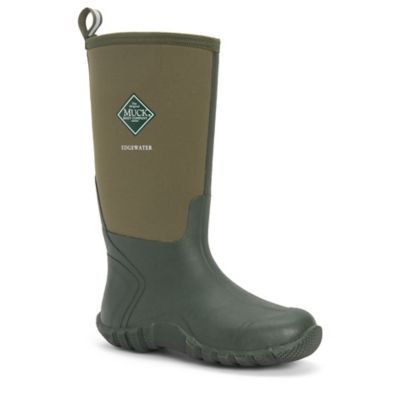
The right footwear completes a waist-high wading setup, particularly on slick stones, loose gravel and muddy shorelines. Anglers looking for a separate footwear option can browse
Wading Boots For Fisherman to compare choices that work with their preferred wader style and fishing ground. Think about traction first, then weight, ankle support and how easily the boots drain and dry between trips. A stable pair can help an angler move carefully instead of rushing across uneven footing, which is important when a wet rock is only one bad step away from a soaked afternoon. Layering also changes with the weather. During warmer conditions, a moisture-wicking base layer under breathable wader pants may be enough. As the air turns crisp, add fleece or a light insulating layer while keeping room to move. On windy days, a shell jacket can provide extra protection without forcing a fisherman into heavy, restrictive clothing. Remember that waterproof clothing is not a license to ignore changing water conditions. Check the forecast, tell someone where you will be fishing, carry a charged phone in a protected case and use extra caution around current, steep banks and slippery crossings. Keep an eye on water levels after rain, since a shallow stream can change quickly. Wader pants are most useful when they match the depth, current and temperature of the water, giving anglers a dry, comfortable way to reach fish without overloading themselves with equipment. With a sensible fit, dependable construction and a little care after each outing, fishing wader pants for fisherman can become one of those reliable pieces of gear that earns a permanent place by the door, ready for a quiet cast after work, a cool morning on the creek or a full day following the water wherever it leads.