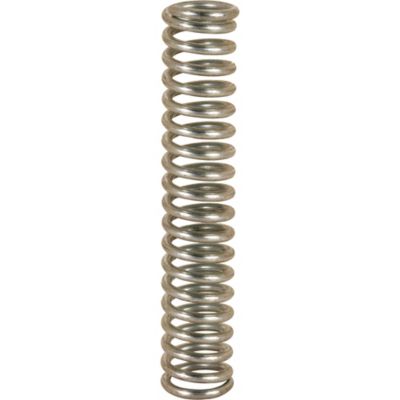
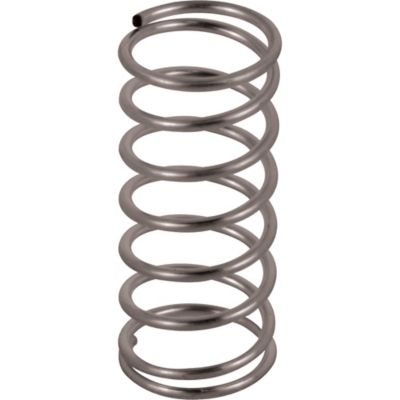
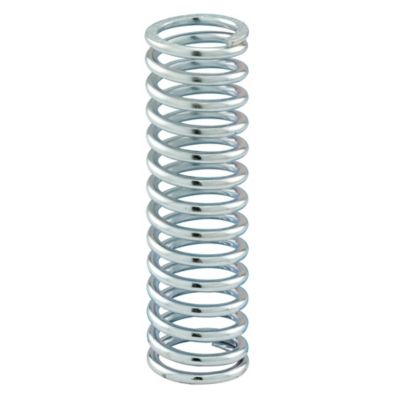
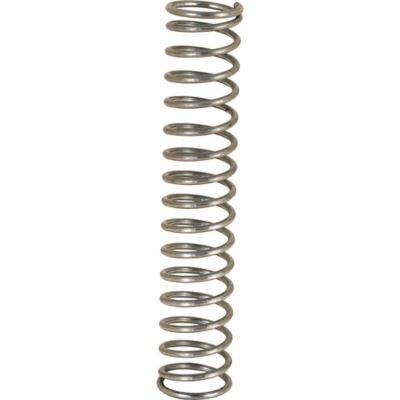
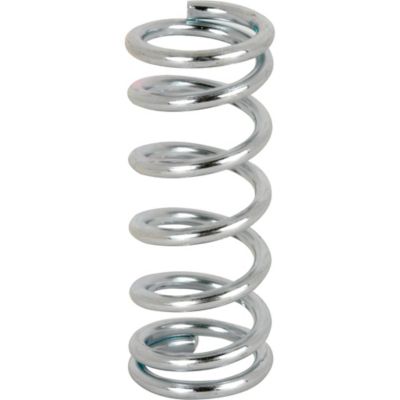
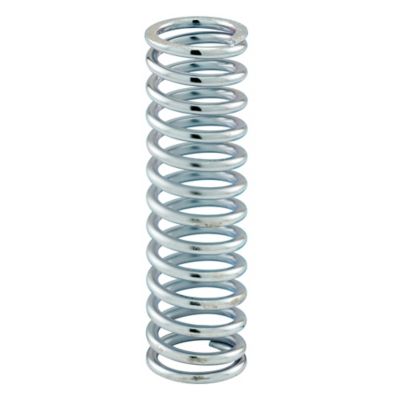
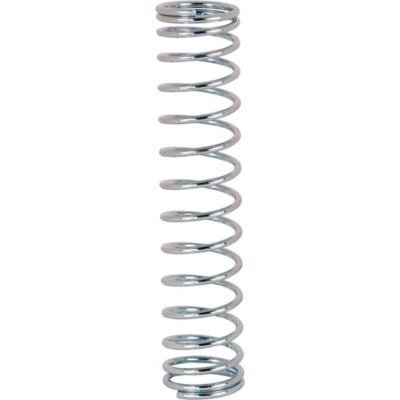
Valve springs are small parts with a big job inside an engine. Each spring sits around a valve and works with the retainer, valve stem, rocker arm, pushrod, lifter, and camshaft to keep the valvetrain moving in time. When the cam lobe opens an intake or exhaust valve, the spring stores energy and pushes that valve closed again. A proper closing action helps seal the combustion chamber, maintain compression, and keep the engine running smoothly. Valve springs also help prevent valve float, which can happen when the spring cannot control the valve at higher engine speed. When that occurs, the valve may not follow the camshaft profile closely enough, leading to lost power, rough running, misfires, or a noticeable stutter near the upper end of the RPM range. Choosing the right valve springs starts with the engine application, not just the spring’s outside appearance. Stock replacement springs are often suited to factory-style engines and mild camshafts, while performance builds may call for springs with different seat pressure, open pressure, installed height, or operating range. Single valve springs are a common choice for many stock and low-performance applications. Beehive and conical valve springs use a tapered shape that can reduce weight in the upper part of the valvetrain, helping some engines reach higher RPM with better control. Dual and triple valve springs add layers of spring support and are generally used where more seat and open pressure are needed, such as engines with aggressive cam profiles, stronger rocker systems, or demanding work and competition use. Since every engine combination is different, compare the spring specifications with the camshaft requirements and the manufacturer’s recommended setup before ordering. A spring that is too light may allow float, while one that is too stiff can add stress and wear to the camshaft, lifters, rocker arms, pushrods, and valve train components.
When shopping for valve springs, pay close attention to fitment details that are easy to overlook during a quick repair. The correct outside diameter must clear the cylinder head and surrounding parts, while the inside diameter needs to work with the valve guide, spring seat, and any locator being used. Installed height is especially important because it affects the pressure the spring delivers when the valve is closed. Check the seat pressure at the specified installed height, along with the open pressure at the valve lift created by the camshaft. Maximum lift, coil bind height, retainer-to-seal clearance, and spring travel all need enough room for safe operation. Coil bind occurs when the spring’s coils come together before the valve has completed its movement, and that lack of clearance can cause serious valvetrain damage. The retainer must match the spring and valve stem, and the spring seat should be inspected for wear, damage, or incorrect machining before new parts go in. It is also smart to verify whether the engine uses standard, beehive, dual, or another spring design rather than assuming the old spring tells the whole story. A worn spring may have weakened over time, but a previous repair may also include mismatched retainers, shims, locks, or aftermarket camshaft parts. Use the engine’s year, make, model, displacement, cylinder head type, camshaft information, and valve dimensions when checking fitment. For a dependable installation, measure instead of guessing, follow the engine or camshaft instructions, and use the proper valve spring compressor. Springs hold considerable force even when removed, so wear eye protection, keep hands clear of the compressor, and make sure the cylinder head or valve is properly supported. A careful home mechanic working in a barn shop, garage, or driveway can handle many valve spring jobs with the right tools and patience, but complicated builds are worth handing to an experienced engine builder. If you are working on equipment that uses fluid control rather than engine valvetrain components, browse
Pump Valves for a different type of replacement part.
Valve springs are useful for more than high-performance cars. Farm trucks, tractors, utility vehicles, generators, small engines, and older work equipment all depend on properly controlled valves to turn fuel and air into steady power. A tired spring may show up as a hard start, uneven idle, sluggish acceleration, reduced compression, backfiring, or an engine that breaks up when it is asked to work harder. In some cases, a spring can be cracked, sagged, corroded, or worn at the ends without making an obvious noise. Removing the valve cover and inspecting the valvetrain can reveal trouble, but a spring pressure test and a careful comparison against service specifications provide a more dependable answer. Replacing springs as a matched set is often important because uneven pressure from old and new springs can create inconsistent valve action across the cylinders. If the engine is being rebuilt, it is a good time to inspect the valves, guides, locks, retainers, rocker arms, pushrods, and camshaft rather than installing springs on top of worn components. Keep replacement springs clean and protected from moisture until installation, especially in a shop where dust, grinding grit, and seasonal humidity can settle on exposed parts. During the warmer part of the year, valve spring work can be a practical project before long hours of mowing, hauling, or weekend driving; as the weather turns cooler, it can also be a smart repair to finish while preparing equipment for storage or indoor work. Whether you are refreshing a dependable farm engine, putting together a weekend project, or helping a young mechanic learn the basics of engine repair, the right valve springs can support reliable compression, steady valve control, and confident performance. Take time to match the complete valvetrain, use the correct specifications, and choose parts made for the way the engine is actually used.