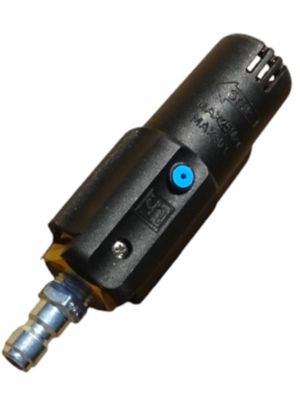
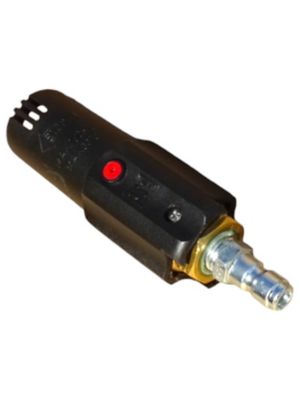
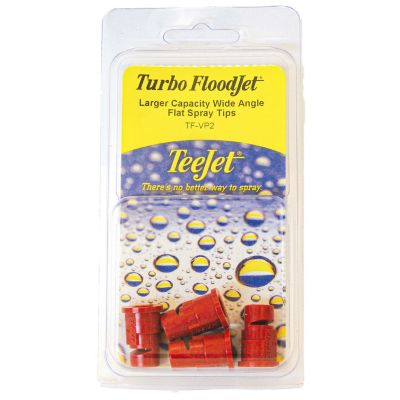
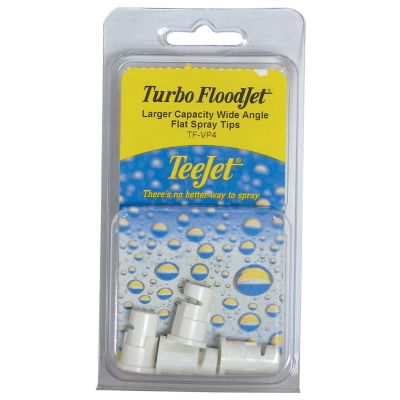
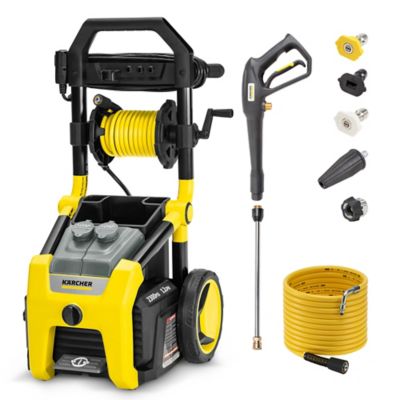
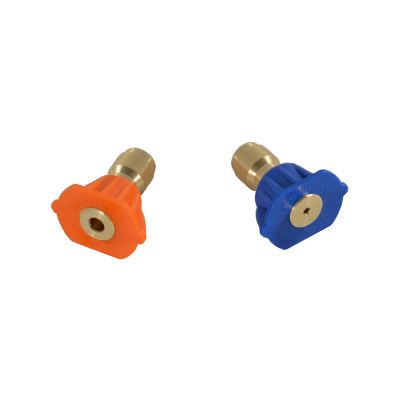
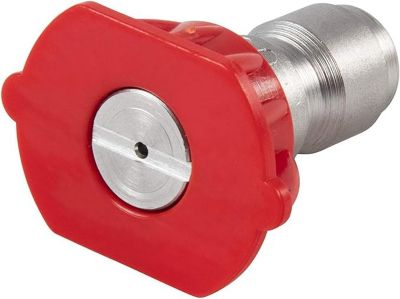
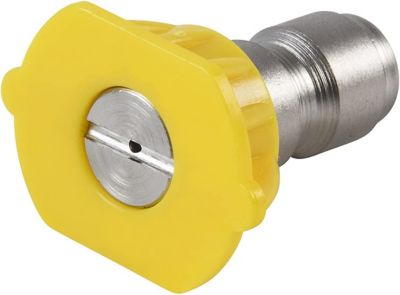
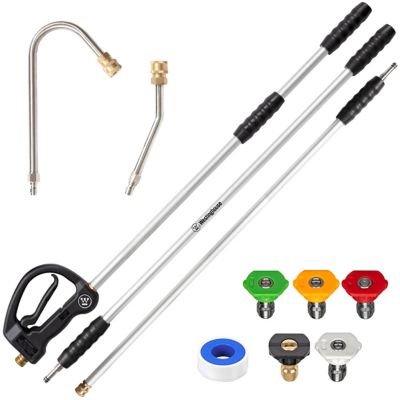
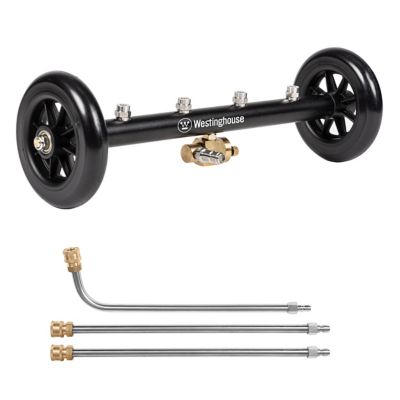
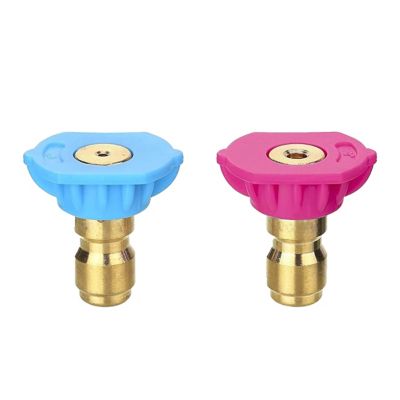
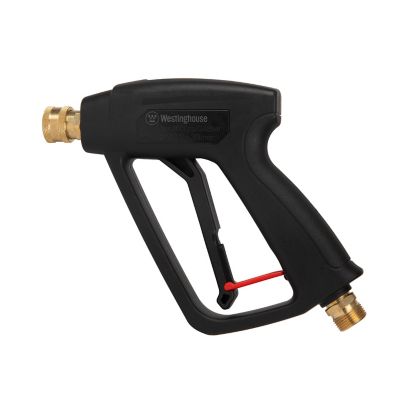
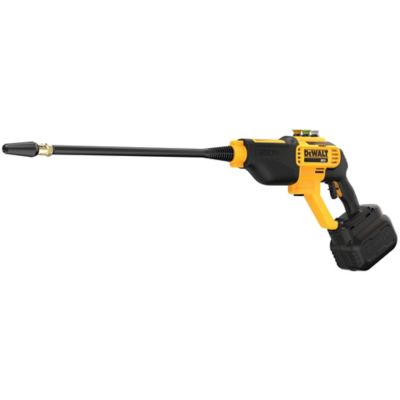
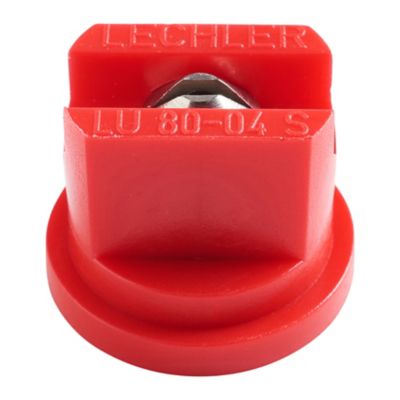
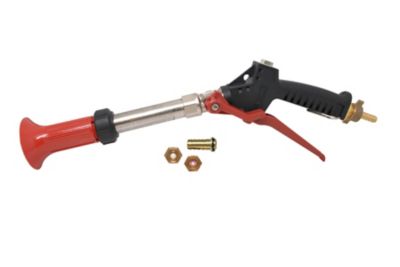
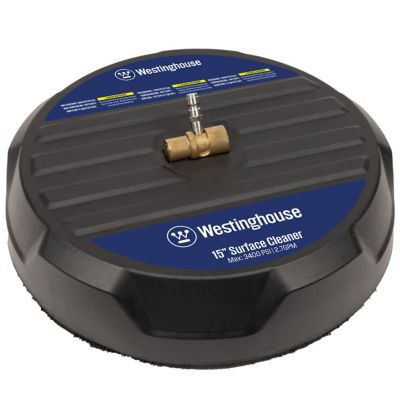
Turbo nozzles are pressure washer attachments made for the jobs where an ordinary spray tip just does not have enough bite. Inside the housing, a concentrated water jet spins in a fast, circular pattern, combining the hard-hitting impact of a narrow stream with the wider cleaning path of a rotating spray. That chisel-like action helps break loose ground-in mud, green growth, road film, old grime, and other stubborn buildup without making you work back and forth over the same small spot for half the day. Around a farm, ranch, home, or workshop, a turbo nozzle can be useful for cleaning concrete driveways, sidewalks, garage floors, barn walkways, patios, retaining walls, steps, trailers, and heavy outdoor equipment. It can also help freshen up tractor tires, mower decks, utility trailers, gates, and other rugged gear after a long stretch of hauling dirt, grass, and gravel. As the weather warms, it is handy for clearing winter residue and slippery growth from outdoor surfaces. During the cooler months, it can tackle the caked-on mud that follows wet roads, fieldwork, and livestock chores. Because the spray rotates thousands of times per minute, many turbo nozzles cover more area than a straight zero-degree stream while still delivering concentrated cleaning power. That makes them a practical choice for people who need to clean large, hard surfaces efficiently, including homeowners, property managers, landscapers, mechanics, farmers, ranchers, and anyone who takes pride in keeping their place looking squared away. A turbo nozzle can also make a useful gift for a handy homeowner, new property owner, or do-it-yourselfer who already has a compatible pressure washer and enjoys taking care of their own cleanup work.
Choosing the right turbo nozzle starts with matching it to the pressure washer, not simply picking the attachment with the highest advertised rating. Check the machine’s exact PSI and GPM ratings, then compare those numbers with the nozzle’s recommended operating range and orifice size. A nozzle that is too small may place unnecessary strain on the pressure washer, while one that is too large can produce a weak, disappointing spray. The connection matters, too. Many pressure washer wands use a standard 1/4-inch quick-connect fitting, but fittings and adapters are not universal across every setup, so confirm the connection before ordering. Look for a nozzle built for the water temperature and pressure used by your machine, especially if you work with hot-water equipment. A durable housing and wear-resistant internal parts are valuable when the nozzle will see regular use around gravel drives, muddy equipment, livestock areas, or commercial work sites. Think about the surfaces on your cleaning list as well. Turbo nozzles are generally best suited to hard, durable materials such as sound concrete, brick, stone, metal, and some heavy-duty equipment. They are not the first choice for delicate siding, painted wood, soft decking, asphalt shingles, vehicle finishes, window screens, or surfaces with loose coatings. The concentrated rotating spray can etch concrete, remove paint, damage mortar, gouge wood, strip decorative finishes, or leave visible marks if it is held too close or moved too slowly. For lighter cleaning, a wider-angle spray tip, low-pressure setting, detergent application, or soft brush may be a better fit. When in doubt, test an out-of-the-way area first and keep the spray moving in smooth, overlapping passes. A turbo nozzle is a cleaning tool for stubborn buildup, not a substitute for choosing the gentlest effective method.
Safe handling keeps a powerful attachment from turning a simple cleanup into a costly repair. Before pulling the trigger, inspect the nozzle, wand, quick-connect fitting, and hose for cracks, wear, or loose parts. Secure the attachment firmly, wear eye protection and sturdy footwear, and keep children, pets, livestock, and bystanders away from the work area. Point the turbo nozzle straight down at the ground before starting the pressure washer so the internal rotating assembly can stabilize under pressure. Do not fire it into the air or point it toward yourself, another person, an animal, windows, electrical equipment, or anything that could be damaged by a high-pressure stream. Start several feet away from the surface, then move closer only as needed while watching for changes in color, texture, or coating. Keep the nozzle moving rather than dwelling in one place, and use extra care around joints, edges, cracks, painted markings, and mortar lines. Shut off the machine and release pressure before changing attachments or clearing a blockage; never try to stop a clogged nozzle with your hand. After cleaning, rinse away loosened grit, inspect the attachment, and store it in a dry, protected place where freezing temperatures and dirt will not damage the internal parts. For people comparing specialized attachments,
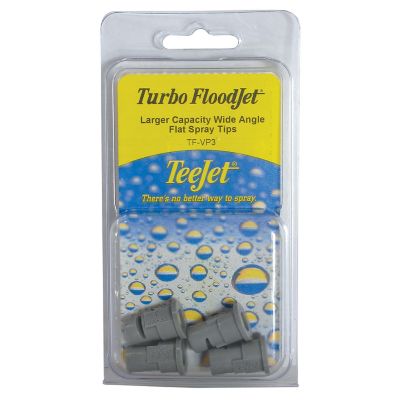
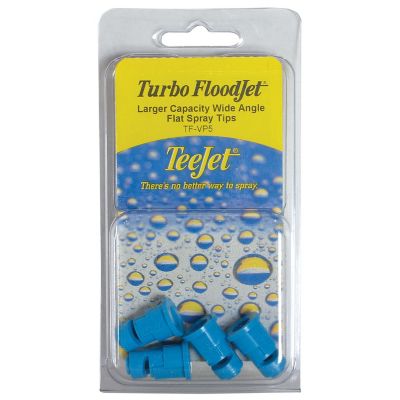
Turbo Blades may also be worth a look when a project calls for a related high-impact cleaning option. With the correct pressure match, sensible surface selection, and a steady hand, a turbo nozzle can become one of the most useful accessories in a pressure-washing setup, helping bring back the clean, solid look of concrete, equipment, and outdoor work areas without unnecessary fuss.