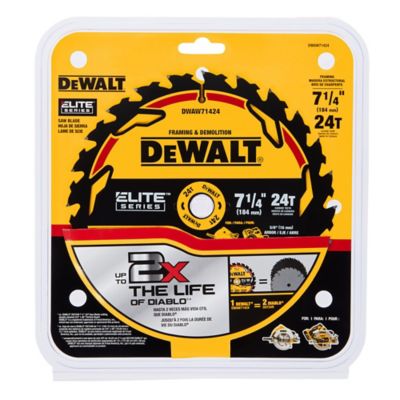
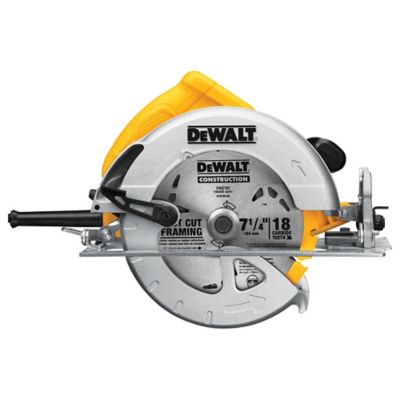
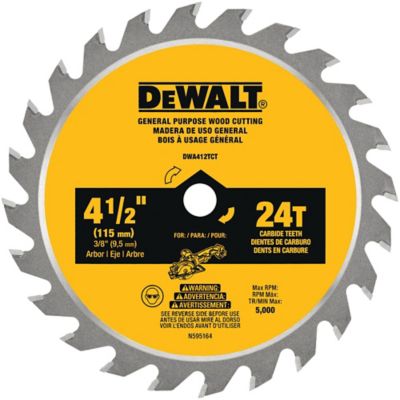
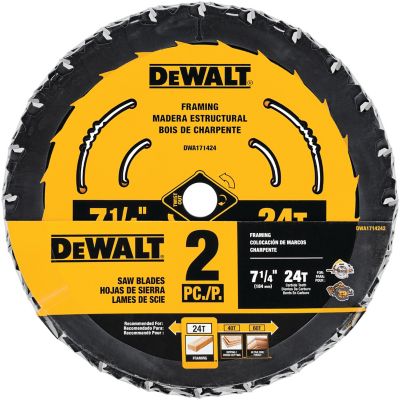
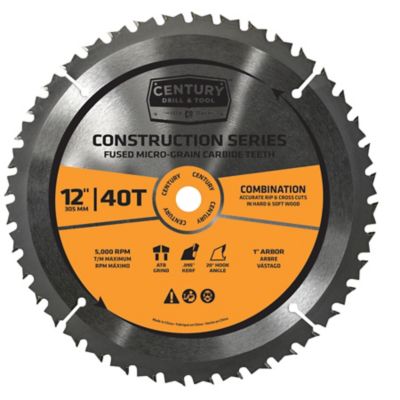
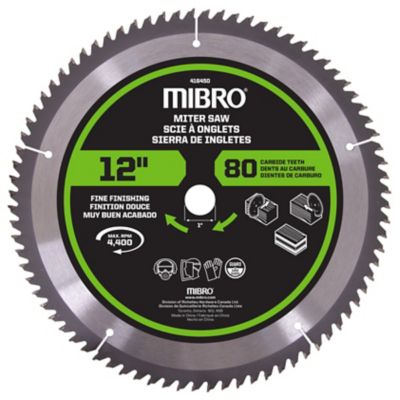
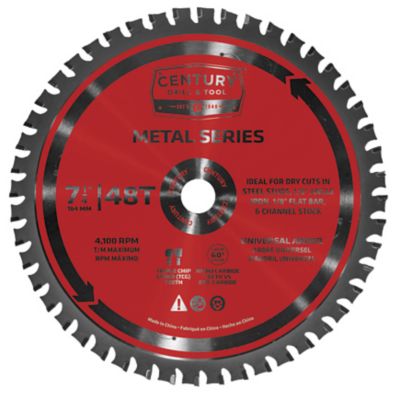
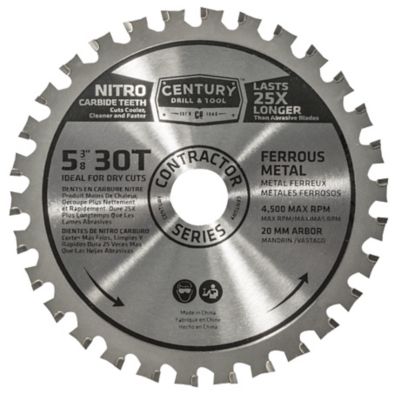
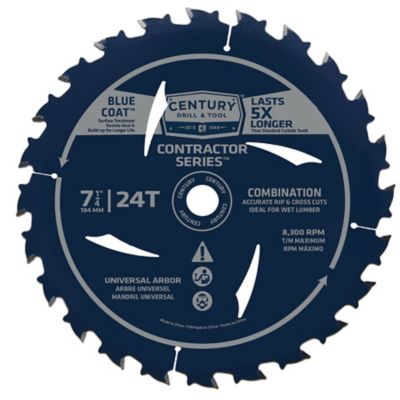
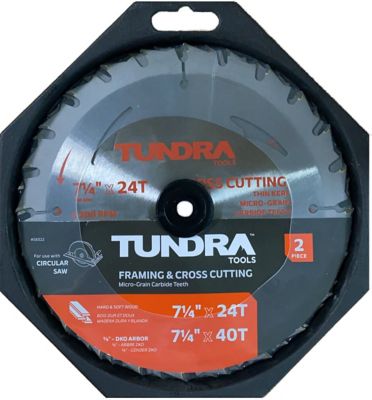
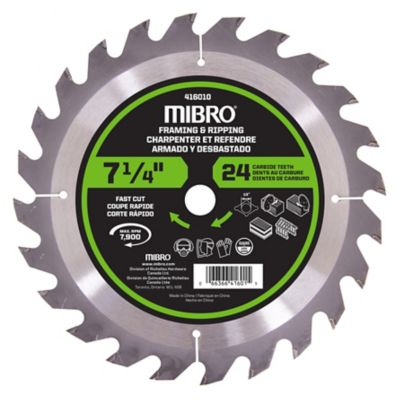
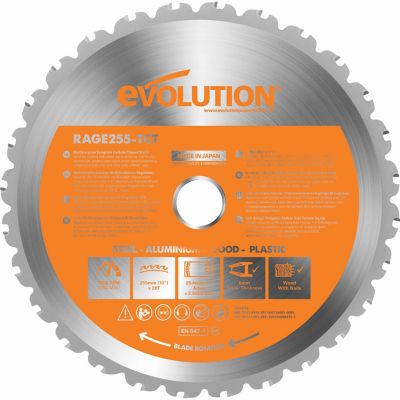
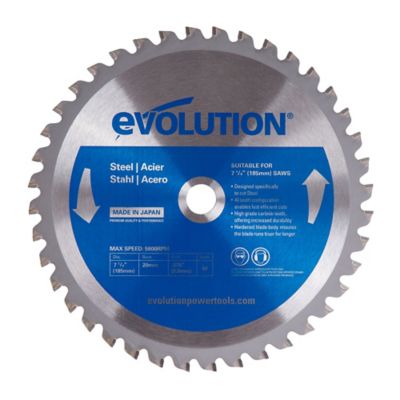
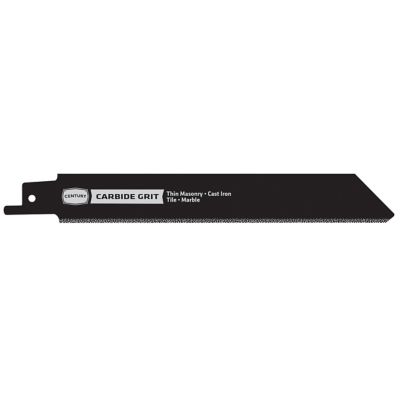
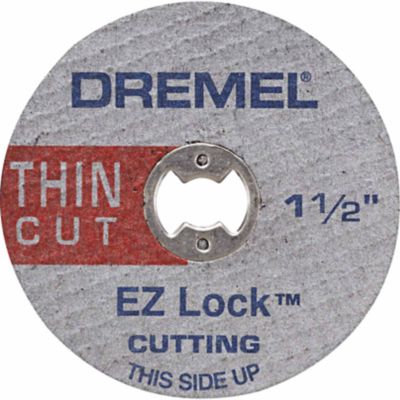
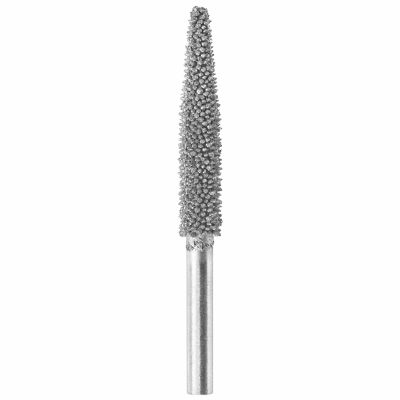
Carbide circular saw blades are built for dependable cutting when a standard steel blade would begin to dull, drag, or leave a rough edge. Most have a hardened steel body with tungsten carbide tips brazed onto the cutting teeth, giving the blade exceptional hardness and wear resistance while keeping the body strong enough for the speed and vibration of a circular saw. That combination makes carbide-tipped blades a practical choice for farm repairs, home projects, construction work, cabinetry, woodworking, and general upkeep around the shop. A lower tooth count, such as 24 to 30 teeth, is commonly used for fast framing cuts, ripping lumber, cutting dimensional boards, and clearing chips quickly from the kerf. Blades with 40 to 50 teeth offer a useful middle ground for everyday crosscuts and a cleaner finish, while higher tooth counts around 60, 80, or more are suited to trim, plywood, laminates, and other work where reducing splintering and tear-out matters. The right blade can turn a rough, smoky cut into a steady pass that leaves a crisp edge, much like the difference between a dull pocketknife and one that has been honed carefully. When shopping, start by checking the blade diameter and arbor size required by your saw, then confirm the maximum rated RPM meets or exceeds the tool's speed. A blade must seat fully and run true; never force a blade onto an arbor that does not match. It is also worth checking whether your saw is a corded circular saw, cordless model, table saw, miter saw, or another tool designed for a particular blade size and guard arrangement. A blade made for one application may not be the safest or cleanest choice for another, even when the diameter appears correct.
Kerf width is another important detail, especially for cordless tools. Thin-kerf carbide blades remove less wood with each pass, which can reduce resistance on the motor and help stretch battery life when cutting framing lumber, sheet goods, or boards during a long day of work. They can be especially handy when a portable saw is being carried from a barn to a fence line or from a truck to a remodeling project. Standard-kerf blades remove more material but can provide a solid, stable feel on powerful corded saws and stationary equipment. Match the tooth grind and blade design to the material rather than relying on tooth count alone. General-purpose wood blades are useful for common lumber and plywood, while blades intended for fine finish work may use tooth geometry that limits chipping along a visible edge. Specialized blades are available for non-ferrous metals and other materials, but a wood-cutting blade should not be treated as a universal option for metal, masonry, or any material outside its rating. Cutting through reclaimed lumber also calls for care. Old boards can hide nails, screws, grit, or bits of roofing material, and an unexpected strike can damage carbide tips, throw off the cut, or create a safety hazard. Inspect boards before cutting whenever possible, use the proper blade for the material, and let the saw do the work without leaning into it. If a cut begins to wander, burns the wood, produces unusual vibration, or requires more pressure than usual, stop and inspect the blade and saw. Keep the work supported on both sides of the cut, set the depth so the blade extends only as far as needed, and wear eye and hearing protection along with appropriate footwear and work clothing. These habits are useful for seasoned tradespeople and first-time DIYers alike. A carbide circular saw blade can also make a thoughtful gift for someone setting up a workshop, maintaining a small farm, building a hunting cabin, or tackling repair projects during the cooler months, particularly when paired with a proper blade case or storage solution.
Good care helps preserve the cutting edge and the smooth feel of a carbide circular saw blade. Pitch, resin, glue, and sawdust can collect on the teeth and side faces, increasing friction and heat even when the carbide itself remains sharp. After the blade has cooled, remove loose debris with a soft brush and use a cleaner approved for saw blades and the blade manufacturer's materials. Avoid scraping the carbide with hard tools or soaking a blade in a product that can harm the steel body, brazed joints, or protective coating. Dry the blade completely before storage and keep it where the teeth will not strike other tools. A clean blade cuts more freely, helps reduce burning, and makes it easier to spot chipped or missing carbide. Before each use, look for cracks, bent sections, damaged gullets, loose tips, or excessive wear, and replace a blade that shows signs of structural damage. Carbide is extremely hard, but it is also brittle; striking a nail, dropping the blade on a concrete floor, or prying with the saw can chip a tooth. Sharpening is possible, yet carbide generally requires diamond grinding equipment and the right amount of material removal to keep every tooth balanced. Improper do-it-yourself grinding can alter tooth geometry, create uneven cutting, or damage the brittle tips, so professional sharpening is often the better route for a quality blade that is otherwise in good condition. For additional information about carbide construction and related cutting options, visit
Tungsten Carbide Blades. Whether the work involves cutting fresh lumber for a gate, trimming plywood for a tack room shelf, or finishing boards for an indoor project as the weather changes, choosing the correct tooth count, kerf, material rating, and saw compatibility makes each pass more controlled and helps the blade deliver reliable service from the first cut to the last.