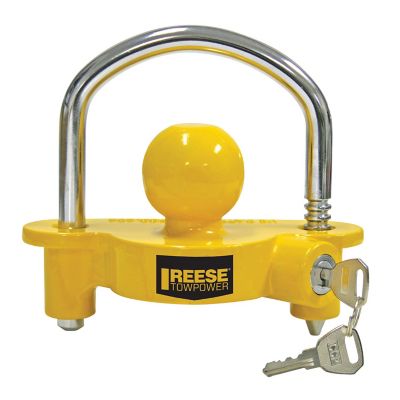
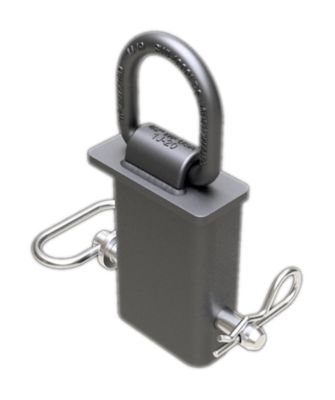
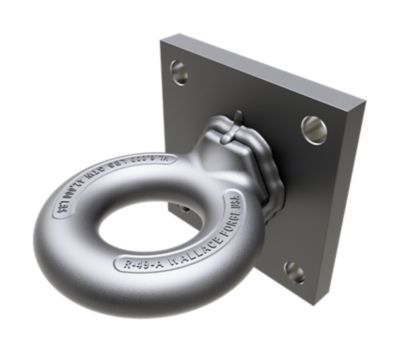
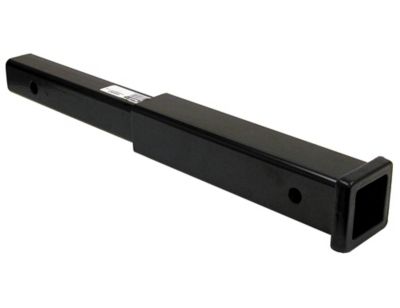
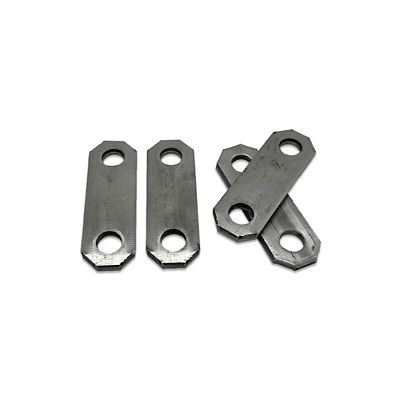
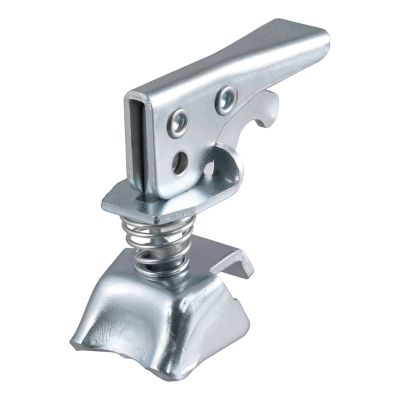
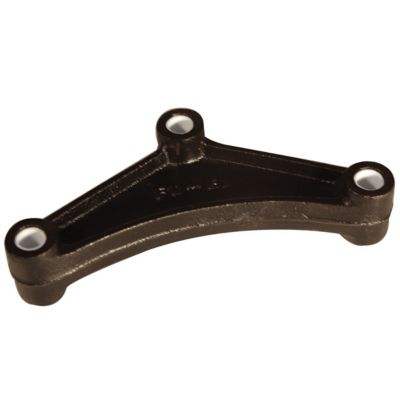
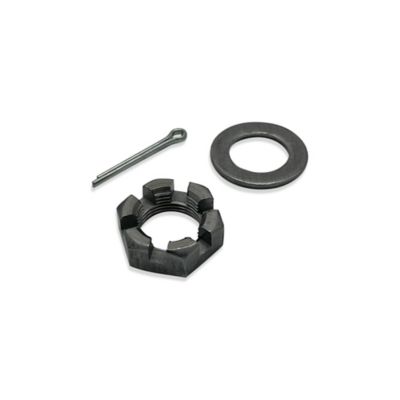
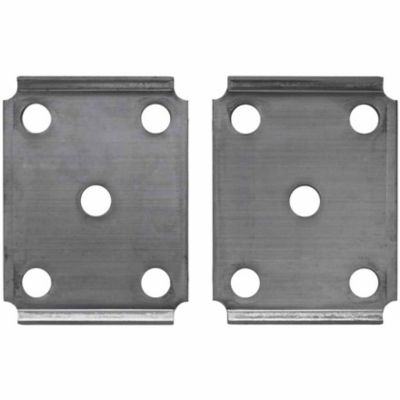
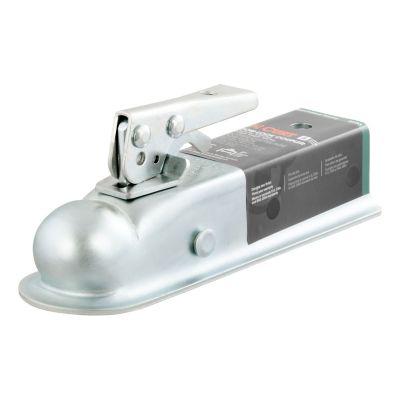
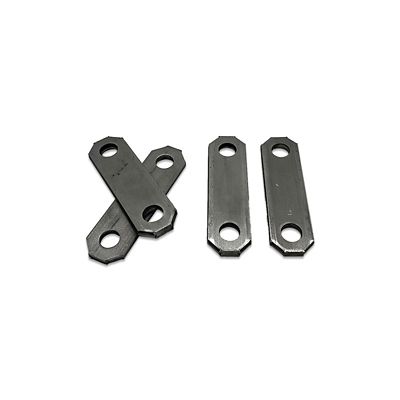
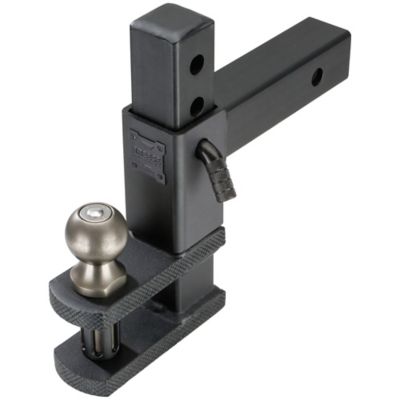
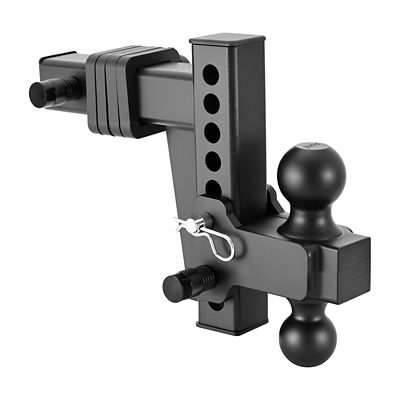
Trailer parts in Tulsa, Oklahoma, support the everyday hauling that connects town jobs, small acreages, farms, and ranches across the area. A trailer carrying fencing supplies beyond the city limits has different demands than one moving lawn equipment between neighborhood jobs, but both depend on components that match the trailer and its load. Trailer parts cover the working systems behind a sound towing setup, from the connection at the truck to the running gear beneath the deck and the hardware securing cargo. For Tulsa-area landowners, contractors, landscapers, and livestock owners, compatibility starts with the trailer manufacturer’s specifications, rated capacity, and intended job. A part that looks right may still have the wrong mounting dimensions, connection size, or load rating. Coupling components need to match the hitch ball size and towing arrangement, while mounting hardware needs the specified dimensions and strength. Safety chains and their attachment points are another part of that connection, with ratings and installation requirements that deserve the same attention as the hitch itself. Materials matter, too. Steel brings strength to many load-bearing applications, while protective finishes help limit corrosion where exposed metal meets road grime and regular handling. Aluminum can reduce weight in suitable applications, though material alone does not establish how much weight an assembly can carry. Weld locations, fastener requirements, and the manufacturer’s rating all play a role. On a trailer that spends its days hauling compact equipment or feed, repeated loading puts steady demands on attachment points and moving joints. Matching replacement parts to those demands helps preserve the way the trailer was designed to work. A higher-rated component does not raise the trailer’s overall capacity; the complete setup remains limited by its lowest-rated relevant component and the vehicle and trailer ratings. That distinction matters whether the trip is across Tulsa or out to a pasture gate, especially when the cargo looks modest but carries considerable weight. Dense materials, equipment attachments, and several small loads combined can place more demand on a trailer than their size suggests.
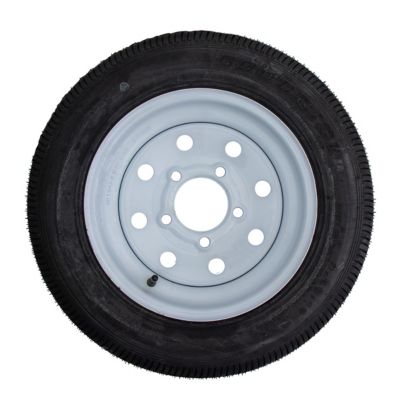
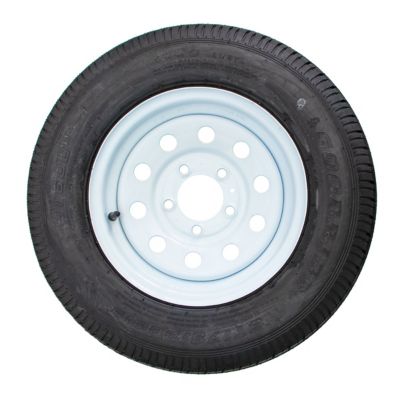
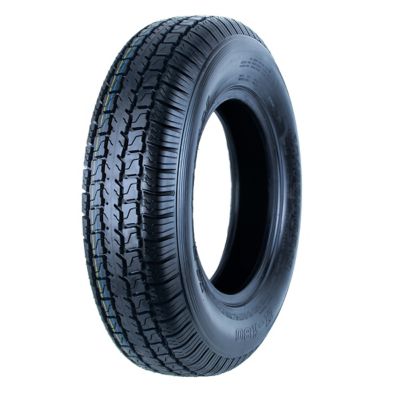
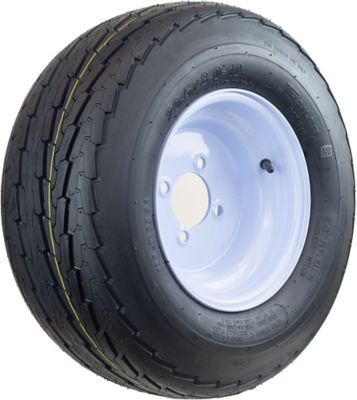
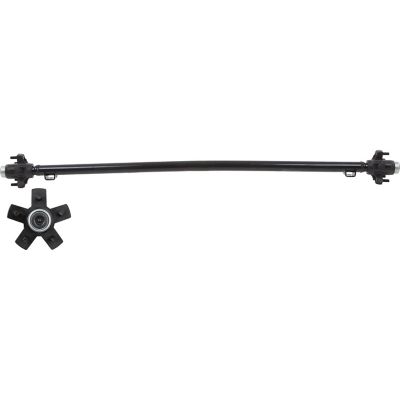
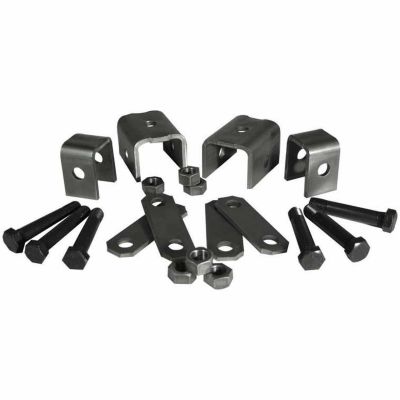
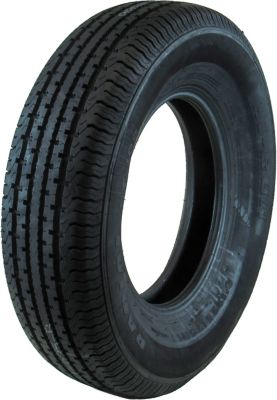
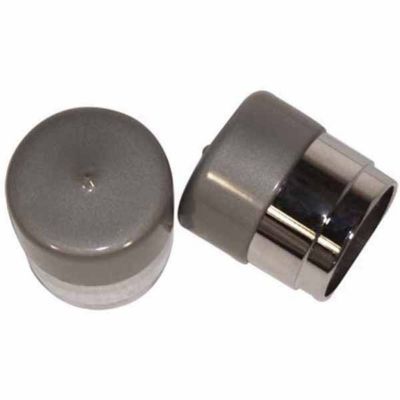
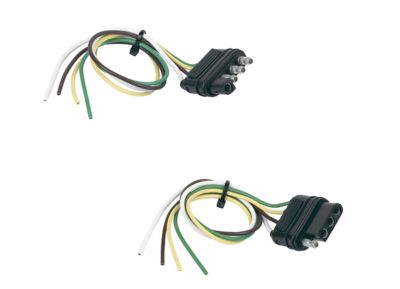
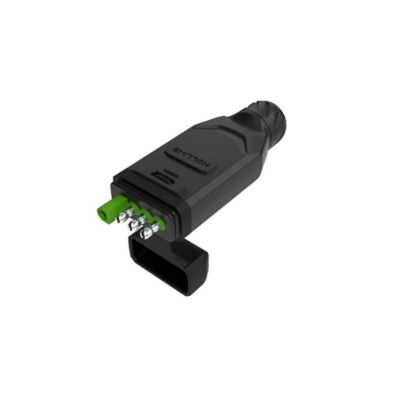
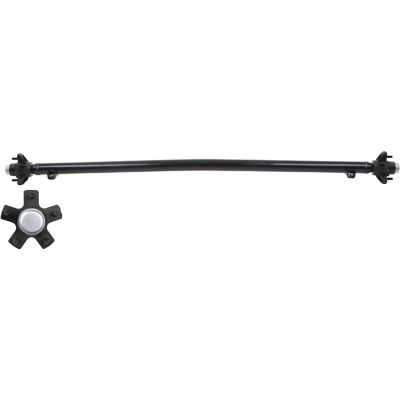
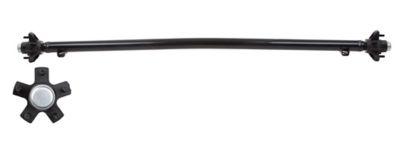
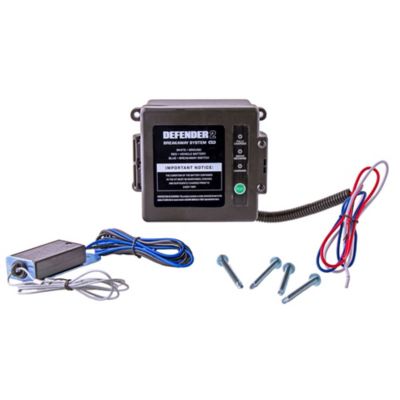
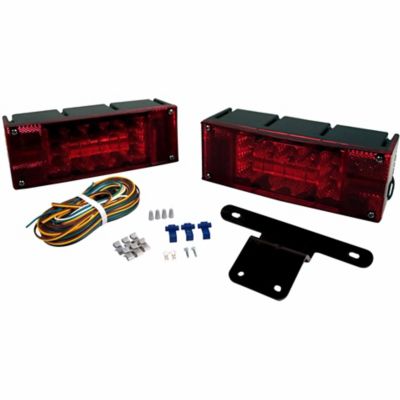
Running gear carries that load mile after mile, making axle, hub, bearing, suspension, wheel, and tire compatibility central to trailer-part selection. These components work together rather than as separate upgrades. An axle’s capacity is only one consideration; mounting measurements, hub dimensions, brake configuration, and the trailer’s original design also affect fit. Wheel bolt patterns and pilot dimensions need to match the hub, and tire specifications need to suit the wheel, load, and towing application. Tires that appear similar can have different capacities and operating limits, so the markings and manufacturer’s recommendations matter more than appearance. A utility trailer making frequent stops around Tulsa may see plenty of loading cycles and tight turns, while a livestock or equipment trailer heading farther out of town adds longer stretches of continuous travel. Both situations put bearings, seals, and suspension hardware to work. Correct lubrication, properly fitted seals, and manufacturer-specified adjustments help those assemblies function as intended. Grease type is not interchangeable across every application, and mixing incompatible lubricants can create problems rather than solve them. Brake parts require the same attention to the complete system. Electric and hydraulic arrangements have different component requirements, and replacement assemblies must match the trailer’s specifications and the tow vehicle’s compatible equipment. Brake performance also depends on proper adjustment and condition, not just the presence of new parts. Lighting and wiring belong in that same road-readiness picture. Stop lamps, turn signals, running lights, grounds, and connectors all need to work together so other drivers can see the trailer and understand its movement. Connector shape alone does not confirm that the wiring functions match. Secure connections, protected wire routing, and suitable mounting help reduce problems from vibration and rubbing against the frame. On a work trailer that crosses gravel entrances and travels paved roads in the same afternoon, small details such as a supported wire or a correctly fitted seal can make a meaningful difference over repeated trips.
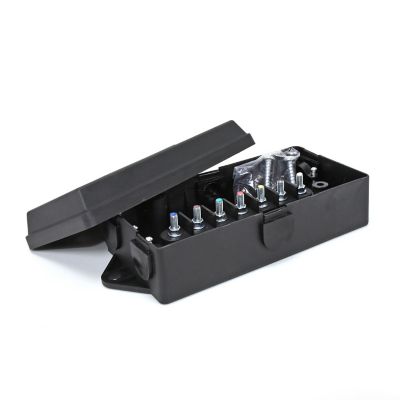
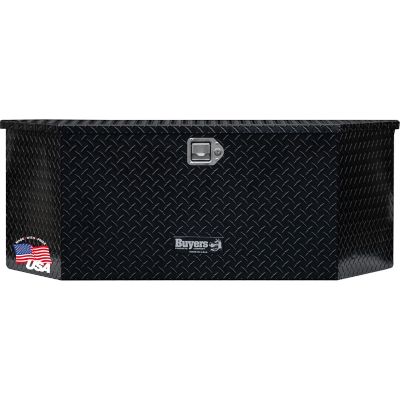
Cargo-handling hardware rounds out a trailer setup, especially when the load changes from one job to the next. Fencing materials, bagged feed, lawn equipment, and compact machinery each bring different shapes, contact points, and securement needs. Tie-down components depend on their working load limits, condition, attachment method, and the strength of the trailer’s anchor points. A strong strap cannot make up for a weak mounting point, and a loose piece of equipment can shift even on a short drive. Edge protection and suitable routing help keep securement materials away from sharp corners and moving parts. Gate latches, hinges, ramps, and support hardware also need to suit the trailer’s design and the way loading takes place. Ramp capacity, attachment, and approach geometry matter when equipment rolls aboard, while gates and latches need clearance to close fully without forcing misaligned pieces together. Support equipment has its own fit considerations, including mounting style, rated capacity, and clearance during travel. Storage can make the whole setup easier to manage without leaving loose gear on the deck. A
Trailer Tool Box provides a dedicated place for compatible tools and towing essentials, with mounting dimensions, lid clearance, and access around nearby equipment all worth considering. Any added storage also contributes weight and must not interfere with trailer operation. Across these categories, ongoing care comes down to keeping working surfaces clean, checking for wear, and following the maintenance instructions for each assembly. Cracks, bent brackets, loose fasteners, damaged wiring, and worn contact surfaces call for attention before the next haul. Clear model information, measurements, and readable rating labels make matching parts easier than relying on a quick visual comparison. For the homeowner hauling supplies, the crew moving equipment, or the ranch hand keeping chores on schedule, well-matched trailer parts help keep the focus on the load and the job ahead.