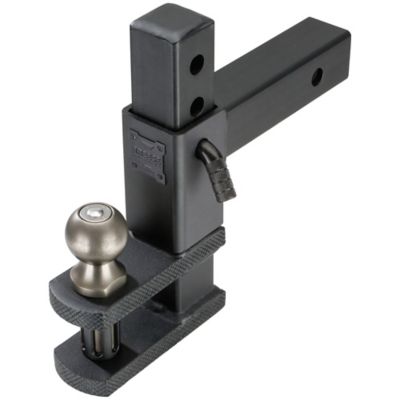
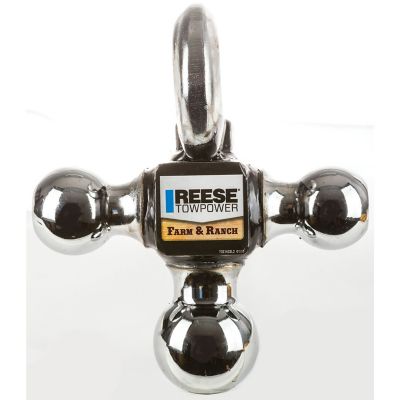
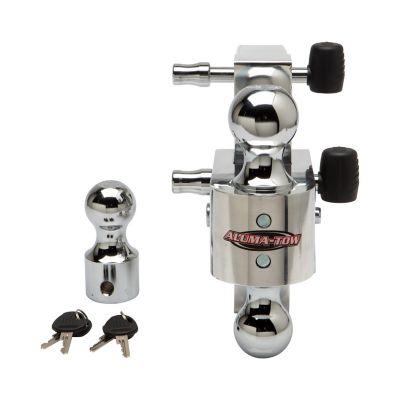
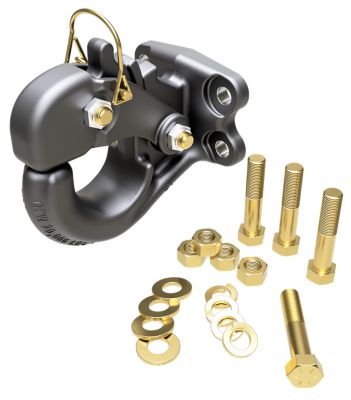
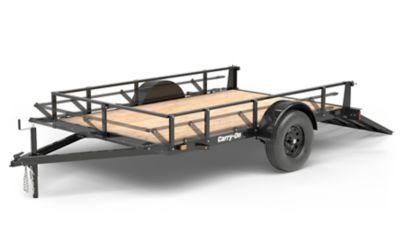
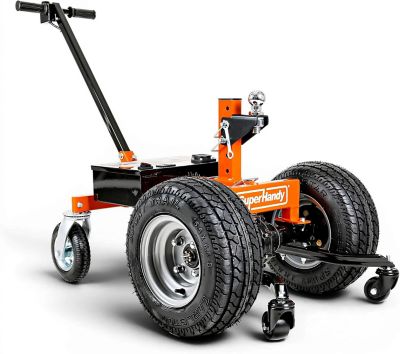
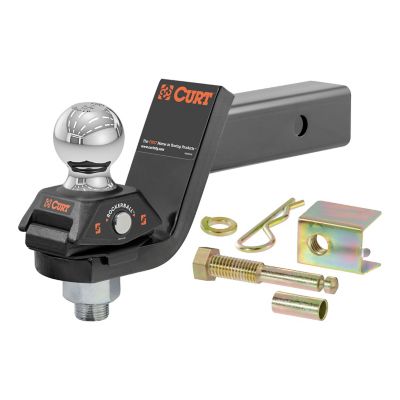
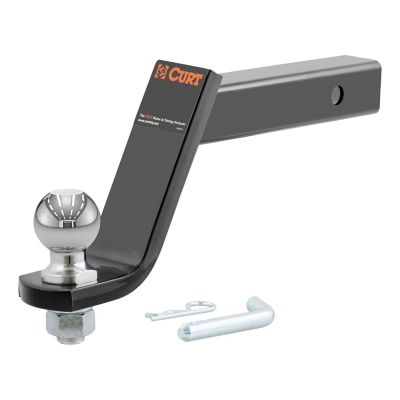
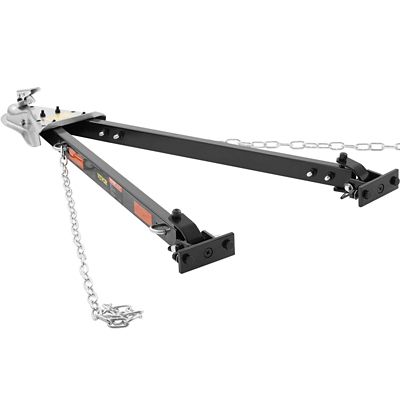
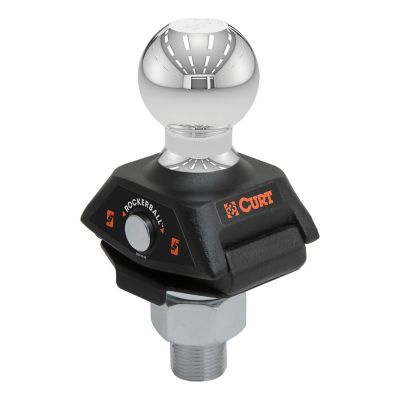
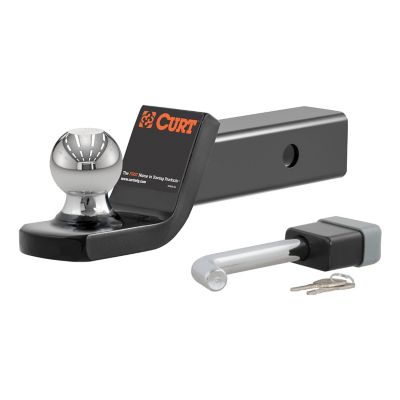
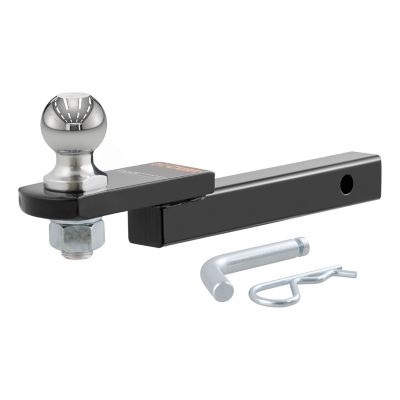
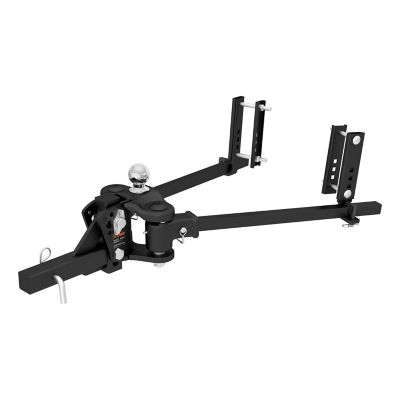
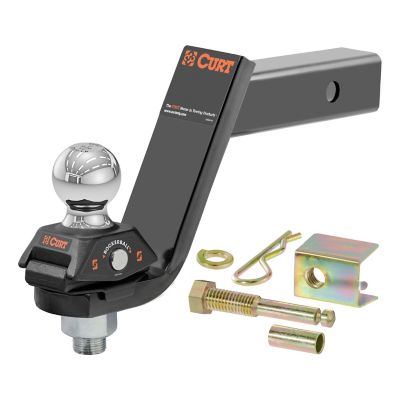
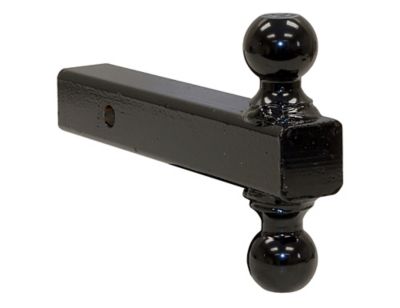
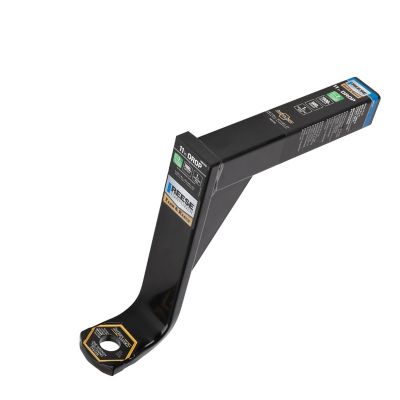
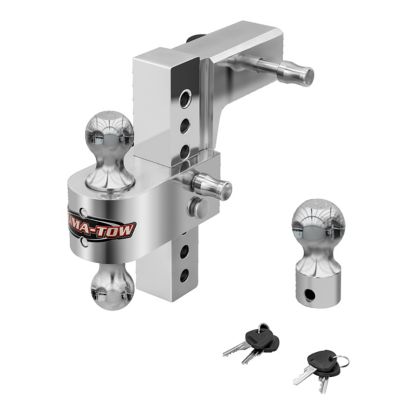
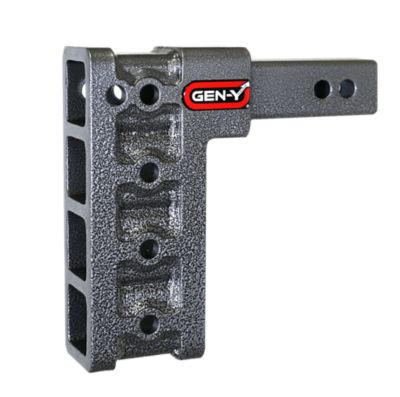
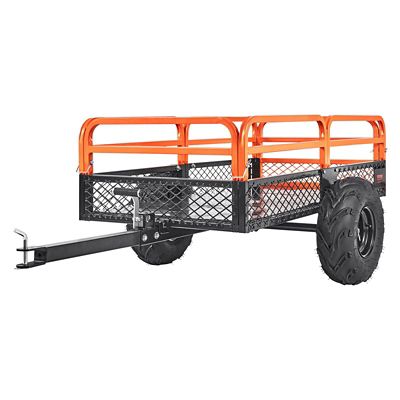
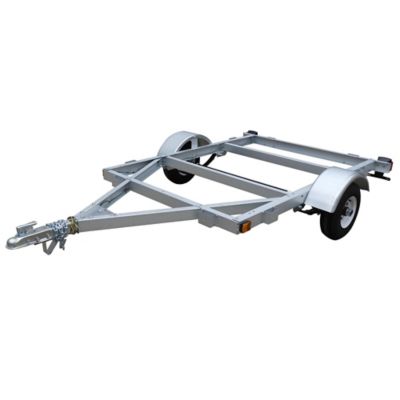
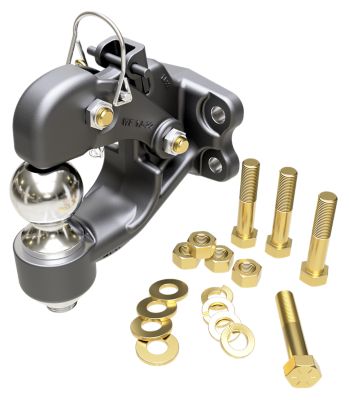
Trailer towing covers a lot of ground, from taking a mower to the next property to hauling fencing supplies, moving equipment or pulling a camper out for a weekend away. The right towing equipment starts with how the vehicle and trailer work together, not simply whether the parts connect. Receiver size, hitch design, trailer coupler fit and loaded trailer weight all shape what belongs in that connection. A pickup pulling a small utility trailer has different demands than a vehicle hauling a livestock trailer, and an empty trailer tells only part of the story. Feed bags, lumber, machinery and other cargo add weight that must stay within the limits of the tow vehicle, trailer and every rated towing component. Tongue weight matters, too, because it places a load on the vehicle and affects how the whole setup handles. Hitch balls and couplers need matching sizes, while ball mounts need the proper shank size, weight rating and attachment hardware. Drop and rise measurements help establish a suitable trailer position when the truck and trailer sit at different heights. That fit can make a noticeable difference when a farm lane gives way to pavement or a trailer passes over an uneven entrance. A taller truck does not automatically call for the same ball mount as another truck parked beside it, even when both have the same receiver opening. Loaded ride height, trailer geometry and the manufacturer's specifications help determine the match. Weight-distribution and sway-control equipment also needs to suit the vehicle, receiver and trailer; neither takes the place of staying within load limits or arranging cargo properly. For folks towing regularly between properties, to a jobsite or out to a campground, compatible connections help make hitching up a more straightforward part of the day. The goal is a setup matched to the work, with enough attention to fit that no single connection gets overlooked.
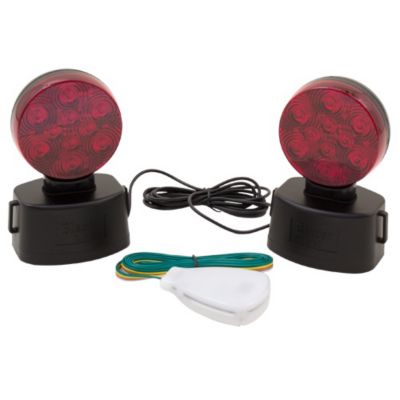
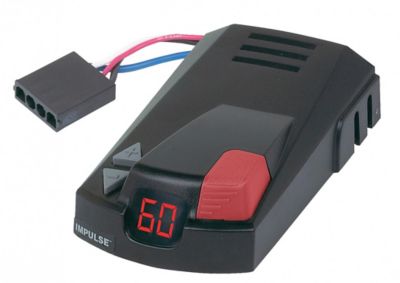
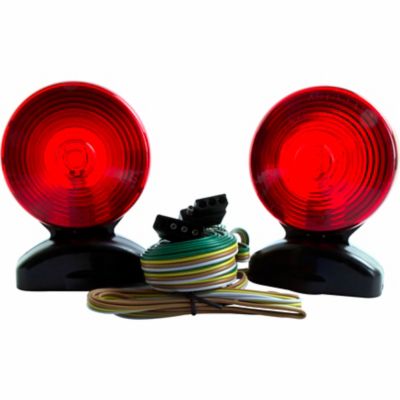
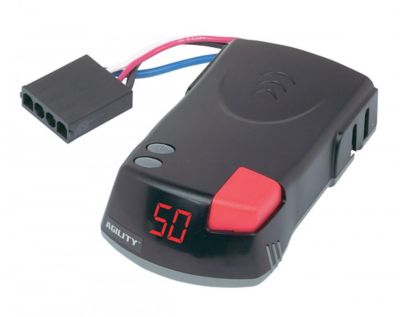
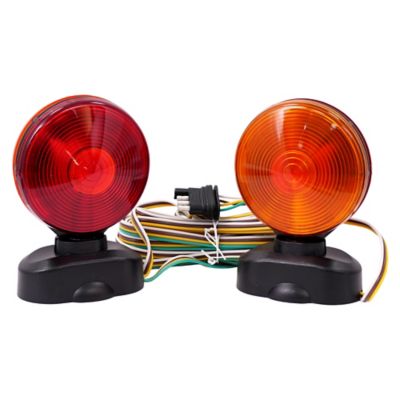
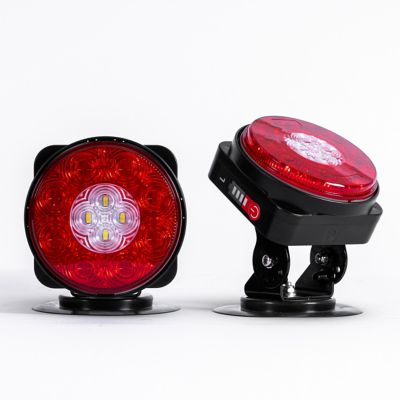
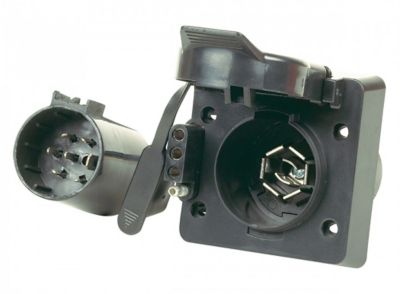
Materials and construction deserve a close look because towing equipment carries its load through repeated pulling, braking, turning and vibration. Steel is common throughout hitch assemblies and connecting hardware, with finishes such as powder coating or zinc plating helping protect exposed surfaces from corrosion. The finish contributes to service life, but it does not replace the weight rating or establish whether a component fits a particular application. Welds, fasteners, mounting surfaces and moving parts all have their own roles in keeping the connection sound. A hitch pin holds a ball mount in the receiver, while a locking version can help discourage removal when equipment is parked. Locks serve a different purpose from load-bearing connections, so their presence should never stand in for properly matched towing hardware. Safety chains provide a backup connection between the trailer and tow vehicle, with suitable ratings, sound attachment points and enough clearance for turns without dragging. Electrical connections are another important part of trailer towing, carrying signals for lights and, on compatible setups, power for trailer brakes and other functions. Connector style, pin functions and the vehicle's wiring all matter; a plug that physically fits does not tell the whole story. Brake lights, turn signals and running lights help other drivers understand what the trailer is doing, especially when the load blocks the view of the tow vehicle's lights. Electric trailer brakes depend on compatible controls and sound wiring, while a breakaway system, where required, activates the trailer brakes if the trailer separates from the vehicle. Wiring routed away from pinch points and rubbing surfaces has a better chance of standing up to regular hauling. Around the farm or on the road, those details matter just as much as the larger metal parts. A sturdy-looking hitch cannot make up for a loose electrical connection, and working lights cannot make up for a mismatched coupler. Each part has a job, and the towing setup depends on those jobs working together.
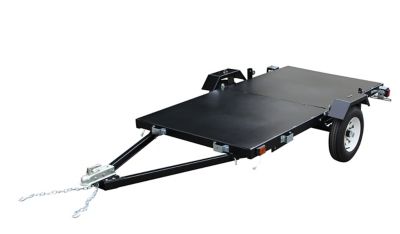
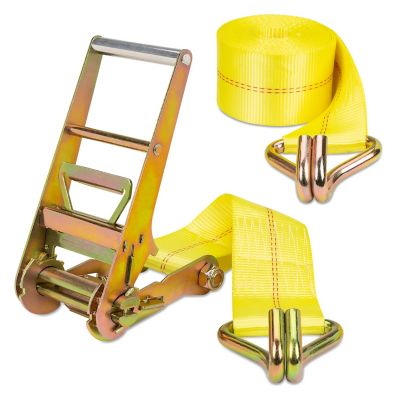
Choosing towing equipment also means thinking about what happens before and after the drive. A trailer that hauls a compact tractor may need room around the tongue for loading access and attached equipment, while a utility trailer carrying long boards brings different concerns about load placement, tie-down access and clearance during turns. Trailer towing hardware handles the vehicle-to-trailer connection; cargo restraints have the separate job of keeping the load in place. Neither replaces the other. Frequent hauling can make convenient coupling, accessible locking points and manageable component weight worth considering, particularly when hitching up happens several times in a day. For a trailer build or a planned overhaul,
Trailer Kits can be part of the broader project, with component fit still tied to the trailer design, frame dimensions and intended load. Replacement work also calls for attention to existing mounting locations and manufacturer specifications rather than appearance alone. Between trips, ordinary care helps preserve towing equipment and makes developing problems easier to spot. Dirt and road grit can collect around moving connections, coatings can wear at contact points, and wiring can loosen where it flexes. Cracks, bent parts, elongated mounting holes, damaged threads or heavy corrosion deserve attention before another load goes down the road. Lubrication needs vary by hitch and coupler design, making the manufacturer's directions important, particularly around equipment that relies on friction to function. Keeping removable components clean and stored off the ground can help limit unnecessary wear, while keeping pins, clips and matching hardware together saves hunting around when it is time to hitch up. Farmers, acreage owners, contractors and recreational haulers may put different miles on their trailers, but they share the need for equipment that fits and supports the intended work. Whether the next load is a mower, building materials or camping gear, well-matched towing components help keep the focus on the job waiting at the other end of the trip.