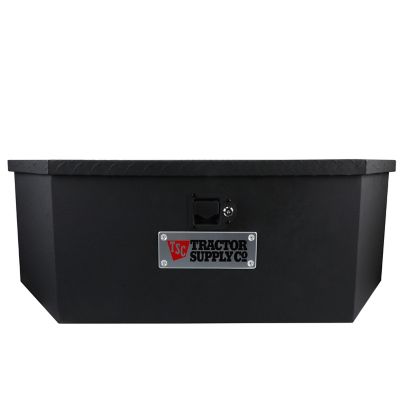
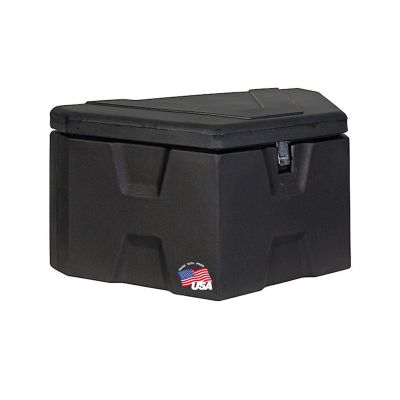
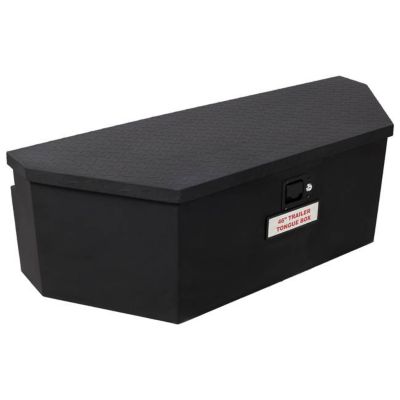
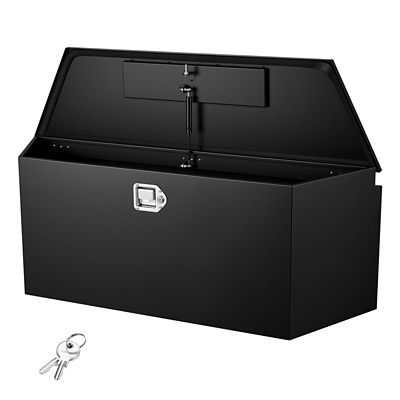
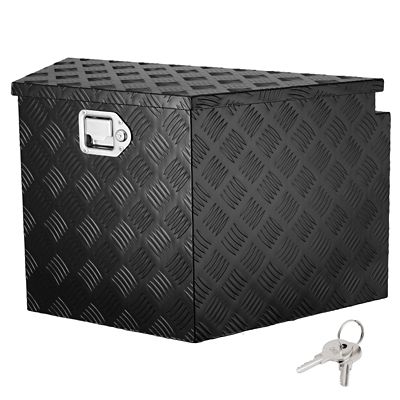
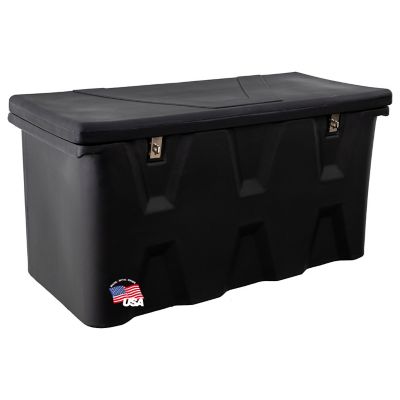
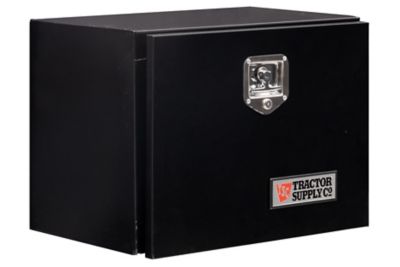
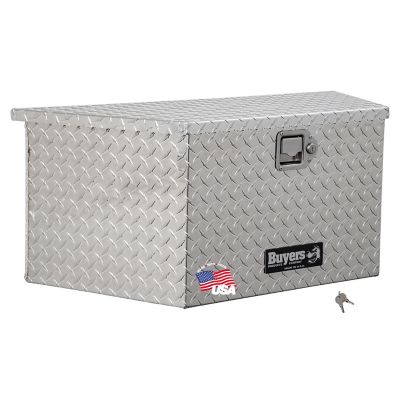
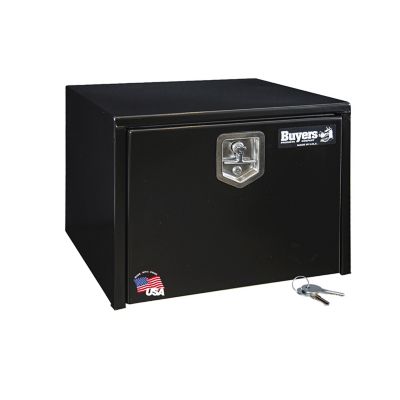
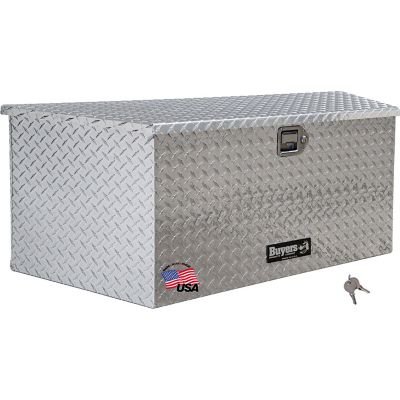
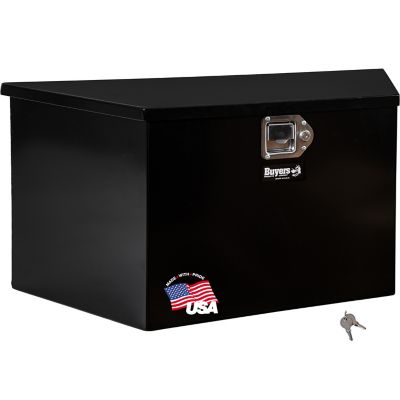
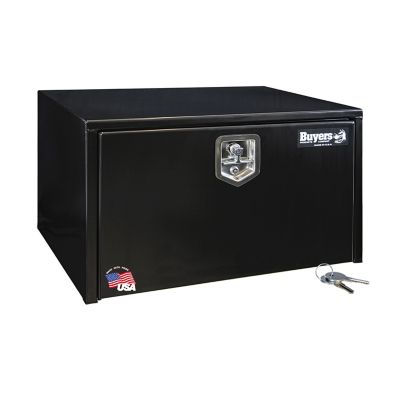
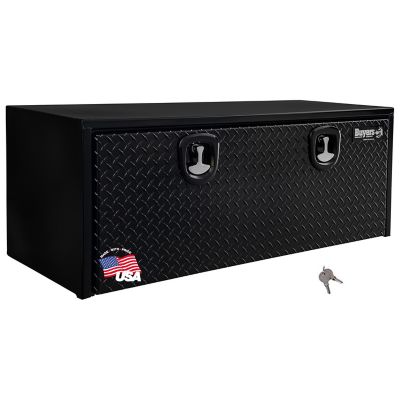
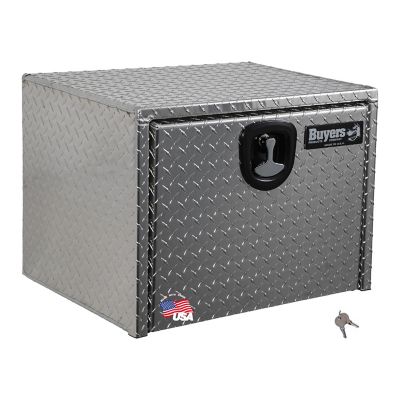
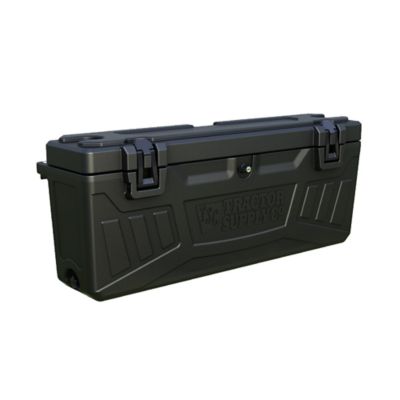
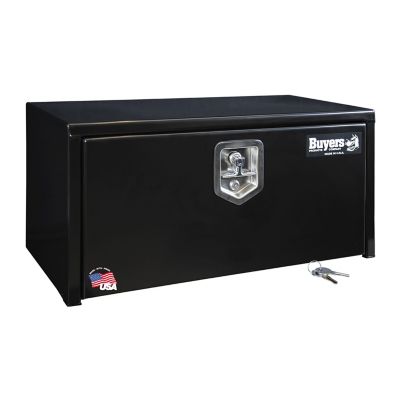
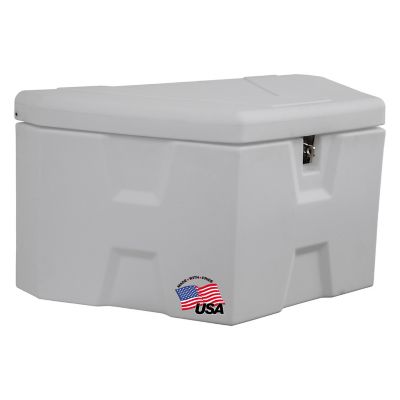
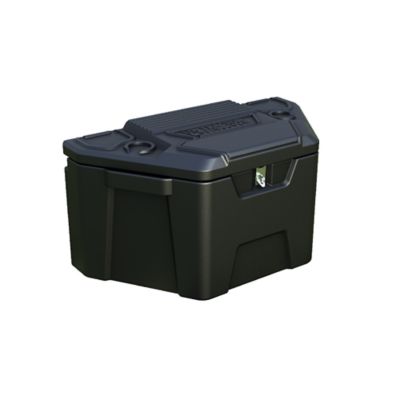
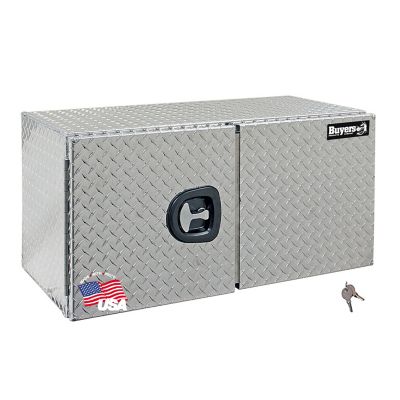
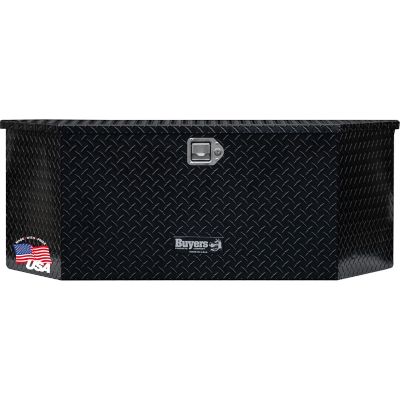
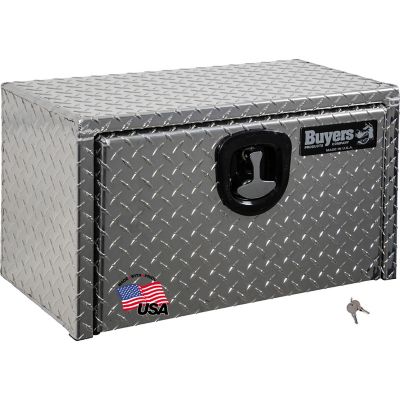
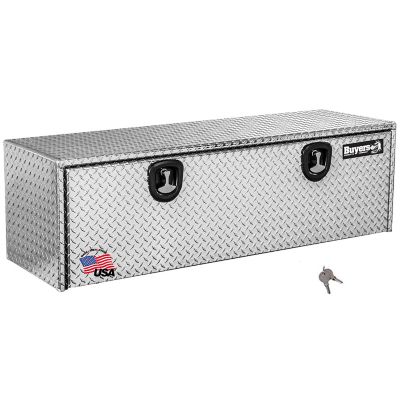
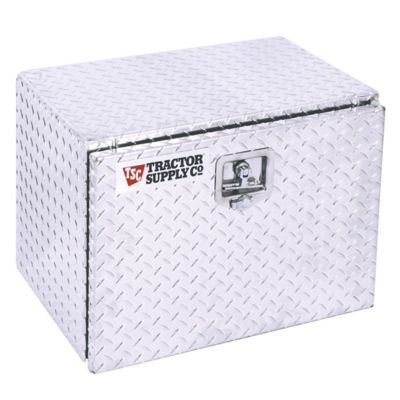
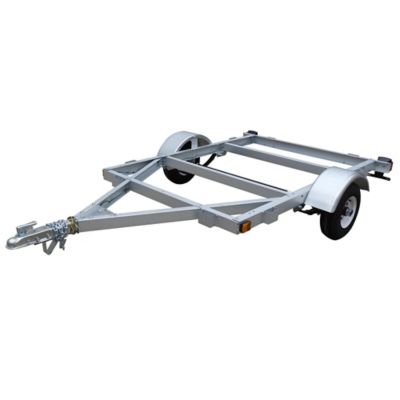
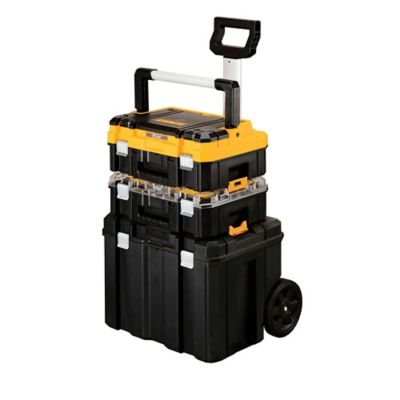
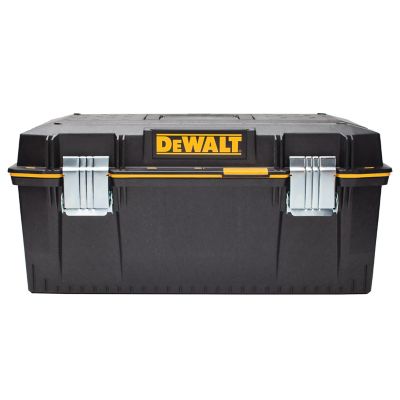
A trailer tool box provides dedicated storage for towing supplies, hand tools, and the small pieces of gear that otherwise end up scattered across the trailer deck or truck cab. Typically mounted on an A-frame tongue, along a trailer frame, or beneath the deck in a suitable underbody location, these boxes help keep equipment contained and close to the work. For a farmer hauling a compact tractor, that might mean a spot for chain binders, gloves, and spare hitch pins. For a contractor or landscaper, it might mean keeping ratchet straps, a socket set, and basic repair tools together between stops. A tongue-mounted box puts those essentials near the coupler without taking up the main loading area. An underbody box can leave more deck space open, provided the trailer has enough room for the box, its mounting hardware, and safe ground clearance. Shape matters as much as overall size. Tapered boxes often suit converging A-frame rails, while rectangular designs need a mounting area that supports their footprint. Exterior dimensions help establish whether a box fits the trailer, but interior dimensions determine whether longer tools, coiled straps, and other supplies fit inside. Lid openings, hinges, and recessed sections can reduce usable space, so capacity is more than a single measurement. Fit also includes the space around the box: the jack handle needs room to turn, the coupler must remain accessible, and the lid needs clearance to open. On trailers with nearby propane cylinders, batteries, or spare tires, access to those components still matters after the box is mounted. Clearance between the box and tow vehicle matters during turns, too. A roomy box that blocks a jack or crowds the truck bumper is not a good match. The most practical size holds the gear needed for the job without creating interference or encouraging more weight than the trailer setup can safely carry.
Aluminum and steel are common trailer tool box materials, and each brings a different balance of weight, strength, and upkeep. Aluminum generally weighs less than a comparable steel box and resists rust, making it a practical choice when keeping added weight down matters. Steel is generally heavier and can offer strong resistance to knocks and rough handling, with its protective finish playing an important role in preventing corrosion. Material alone does not tell the whole story. Metal thickness, reinforced corners, welds, hinge construction, and mounting support all affect how a box handles loaded tools and repeated trips down gravel lanes. Diamond plate adds a textured surface, while smooth panels offer a different appearance; neither surface pattern by itself establishes how much weight a box can hold. A sturdy lid and a well-supported bottom matter when the contents include dense gear such as chains and binders. Those pieces can weigh considerably more than a few straps and gloves, even when they occupy less space. Seals around the opening help limit dust, road splash, and moisture entering the storage area, but a sealed lid should not be taken as a guarantee that the contents will stay dry under every condition. Hinges and latches also deserve attention because they handle every opening and closing. A lid support can make reaching into a loaded box easier, especially when both hands are needed to lift a chain or sort through tools. Locking features add a barrier against casual access, though no storage box makes valuable equipment theft-proof. For frequent stops at job sites or equipment yards, a lockable compartment can keep loose supplies out of plain sight. Inside, trays or separate containers can keep small hardware from disappearing beneath heavier gear. The best layout for everyday work leaves frequently reached-for pieces near the opening and keeps sharp edges from rubbing against straps, gloves, or the lid seal.
Trailer-mounted storage works best as part of the whole hauling setup, not as an isolated add-on. The box itself, its brackets, and everything inside contribute to trailer weight. A box mounted ahead of the axle can also increase tongue weight, so a load of chains and tools deserves the same attention as equipment carried on the deck. Trailer ratings, tow vehicle limits, and hitch ratings all remain part of that picture. For the connection between truck and trailer,
Trailer Towing Hitches covers a related part of the setup, while the storage box keeps supporting gear close at hand. Mounting arrangements depend on the trailer and box design; some call for brackets or backing plates that spread the load rather than concentrating it on a small section of sheet metal. Attachment points need to suit the trailer structure without interfering with wiring, brake lines, moving components, or access for service. Underbody installations also need clearance around tires, suspension travel, ramps, and other equipment beneath the deck. Once a box is in place, keeping heavy contents from shifting helps protect the enclosure and reduces the clatter of metal bouncing against metal. A shallow tray can separate hitch pins and small fasteners, while straps kept neatly rolled are easier to inspect before the next load. Routine care is straightforward: grit around the lid opening can wear on seals, loose mounting hardware can let the box move, and damaged coatings on steel can expose the metal beneath. Cleaning away dirt and letting damp gear dry before closing it inside helps protect both the box and its contents. Hinges, locks, and lid supports benefit from attention according to their care instructions. For farm chores, equipment hauling, and trips between work sites, a well-fitted trailer tool box gives the everyday essentials a settled place. That means less digging through the cab for a missing pin and more room on the trailer deck for the load that brought the trailer out in the first place.