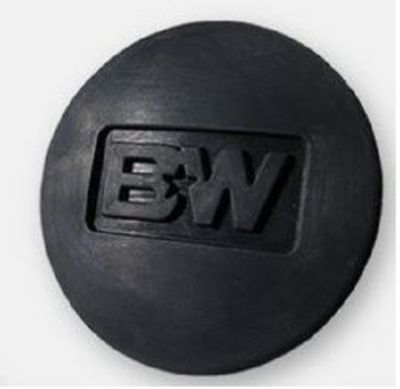
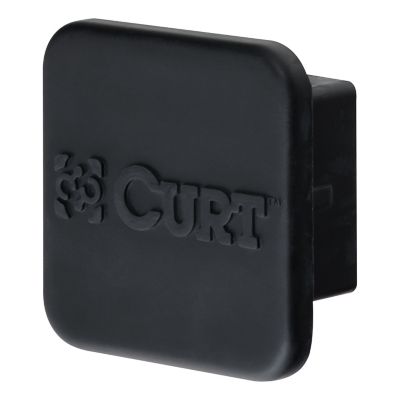
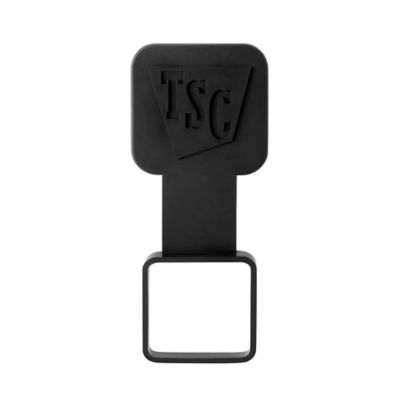
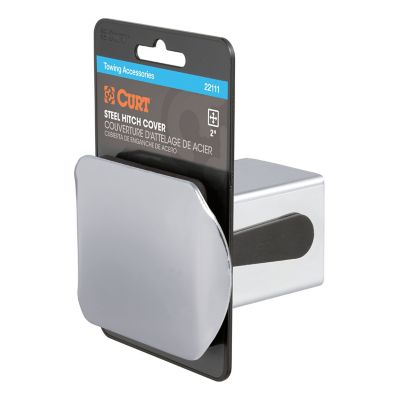
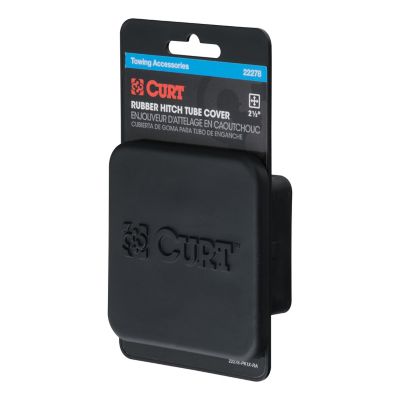
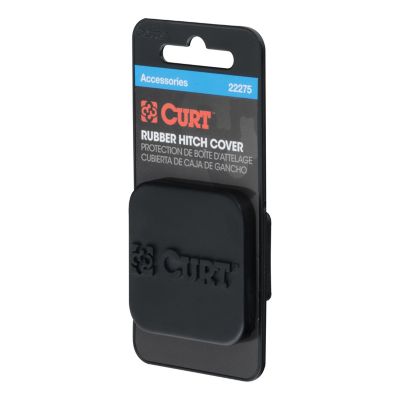
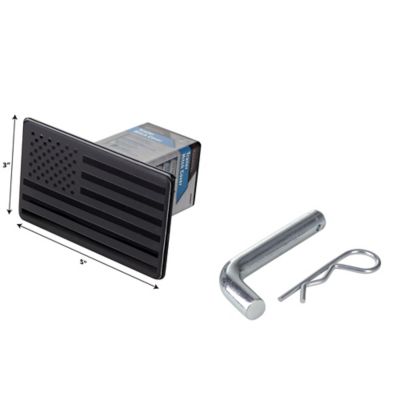
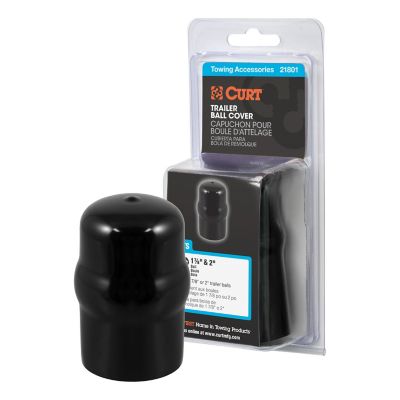
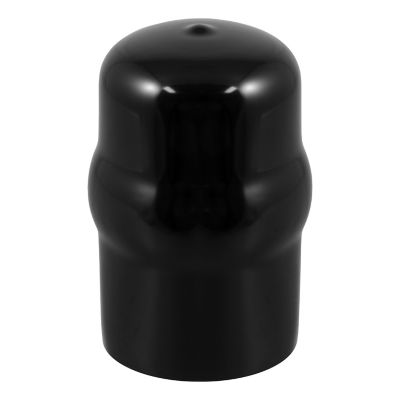
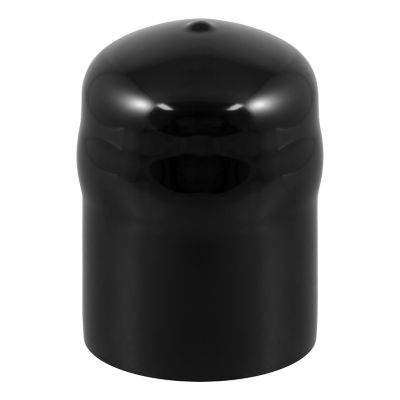
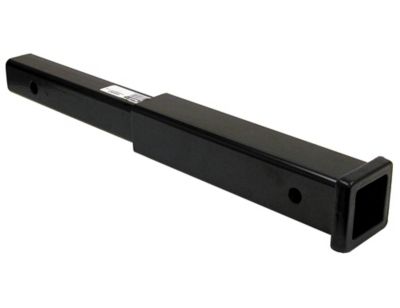
Trailer hitch covers for trucks help keep dirt, grit, and moisture out of an open hitch receiver when the ball mount is off the truck. By shielding that opening from buildup, a cover can help keep the receiver cleaner and make it easier to slide a compatible ball mount or hitch accessory back into place. It is a small finishing touch with a practical job, especially on a pickup that spends time around gravel lanes, barnyards, job sites, and boat ramps. A cover does not make the receiver waterproof or stop rust on its own, but it can reduce direct exposure to debris that would otherwise collect inside the tube. That matters when a truck pulls a utility trailer one day and handles errands without a trailer the next. Materials range from flexible rubber and molded plastic to metal, with different strengths for different routines. Rubber covers can offer a simple, low-profile fit, while molded plastic gives room for a range of shapes and designs without much added weight. Metal covers bring a solid feel, though their finish and care needs depend on the metal and coating. Painted, powder-coated, and plated surfaces can all show scratches or chips over time, particularly around gravel and equipment. The back of the cover matters just as much as the face: the insert, retaining hardware, and any tether all affect how the cover fits and stays attached. A plain cap keeps the rear of the truck looking tidy, while a design with a farm, outdoor, patriotic, or other personal theme adds a little character. For a working pickup, an understated cover may suit the truck best. For a daily driver that also hauls a fishing boat or a small livestock trailer, the cover can reflect what happens after the work is done. Either way, the right match starts with the receiver opening and the way the truck gets put to work, not just the design on the front.
Fit is the main consideration when comparing trailer hitch covers for trucks, since receiver openings come in several sizes. Common square receiver sizes include 1-1/4 inches, 2 inches, 2-1/2 inches, and 3 inches, but the truck’s size alone does not tell the whole story. The inside dimensions of the receiver opening, the cover’s listed fit, and the hitch manufacturer’s information provide a better basis for matching the two. Some covers slide into the receiver and attach with a hitch pin or lock; others fit over the opening or use a flexible retaining arrangement. Pin-hole alignment and insertion depth matter on designs that attach through the receiver’s cross holes. A cover that sits too far out, presses against nearby equipment, or cannot accept its intended retaining hardware is not a good fit, even if its face looks right on the truck. Bumpers, license plates, trailer wiring sockets, and rear-mounted accessories also need room to do their jobs. A larger cover should not block a plate, interfere with wiring connections, or get in the way of normal access around the bumper. On trucks with a hitch adapter, fit depends on the opening where the cover will actually sit rather than the receiver hidden behind it. A cover is separate from the towing equipment itself: it does not add towing capacity, establish a hitch rating, or take the place of a ball mount, coupler connection, or safety equipment. For the equipment that makes the towing connection,
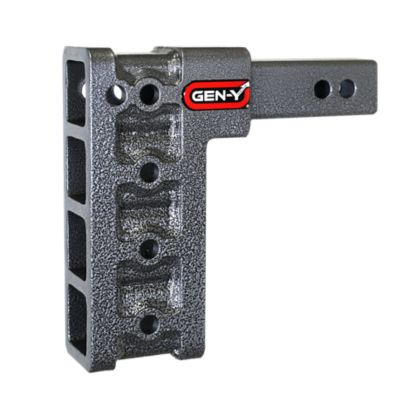
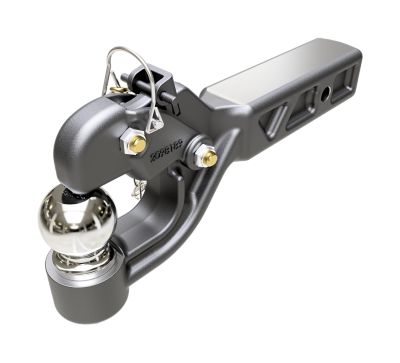
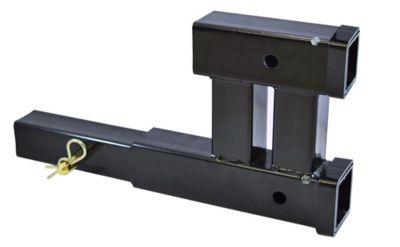
Trailer Towing Hitches covers that part of the setup. A hitch cover serves its purpose while the receiver is not carrying a towing component or another accessory. That distinction makes it a useful finishing piece for trucks that switch between hauling and everyday driving, without confusing its role with the equipment that carries the load.
Day-to-day convenience often comes down to how easily a cover comes off and where it goes when towing starts. A truck that hooks up to trailers several times a week benefits from a cover with straightforward attachment and removal, while a pickup that only tows occasionally may spend more time with the cover in place. A tether, where included, can help keep a cap from getting misplaced, but it still needs to stay clear of the hitch connection and moving parts. Covers secured with a separate pin require compatible hardware, and a locking pin may help discourage casual removal without making theft impossible. Keeping the cover, pin, and key together between trips can save a search through the cab when it is time to hook up. Care is generally simple: dirt on the cover and around the receiver opening can be removed with a soft cloth or brush, with cleaning products chosen to suit the material and finish. Trapped grit can rub against coated surfaces, so cleaning matters even when the front of the cover still looks tidy. Rubber parts deserve a look for splitting or loss of shape, plastic for cracks, and metal for chipped finishes or corrosion. A loose cover or worn attachment point deserves attention rather than another trip down a rough lane. These small details help the cover keep doing its job without becoming a nuisance. Hitch covers also make practical gifts for truck owners, farm families, horse owners, anglers, and anyone whose pickup regularly trades a trailer for an open receiver. Knowing the receiver size is more useful than guessing from the truck’s make or appearance, and a design that suits the recipient’s everyday interests is often a better match than something flashy. Whether the goal is a cleaner receiver opening, a tidy rear bumper, or a bit of personality, a well-fitting hitch cover earns its place by staying secure and being easy to manage between towing jobs.