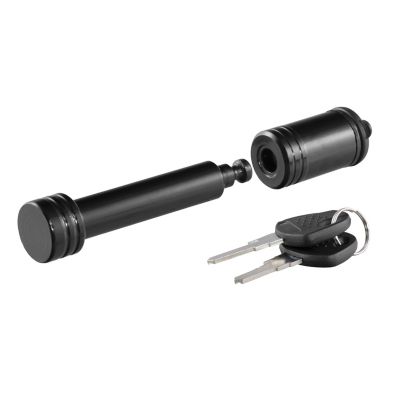
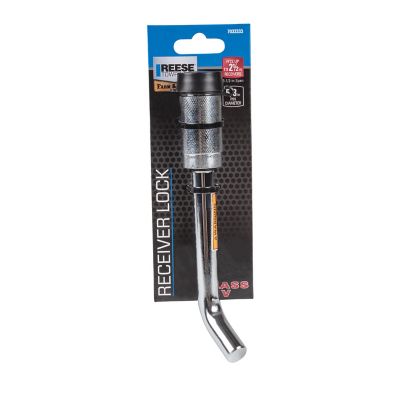
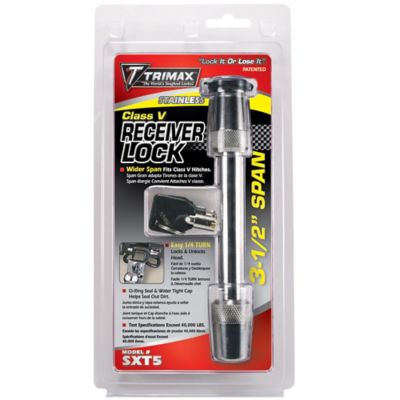
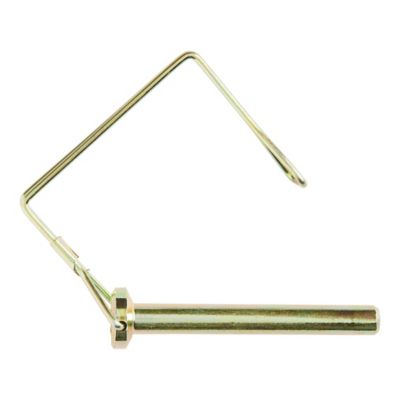
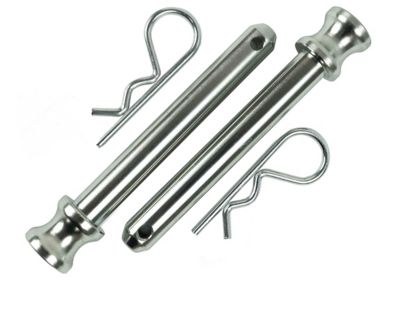
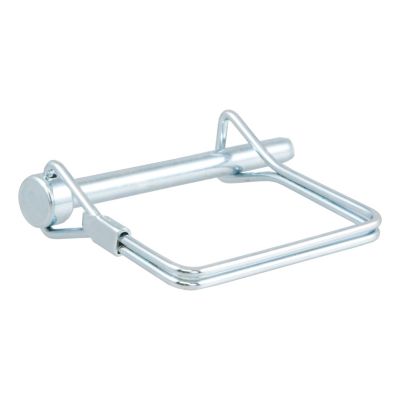
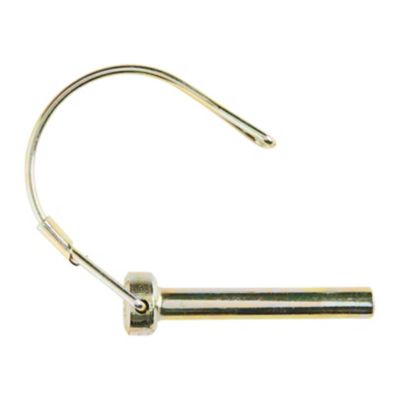
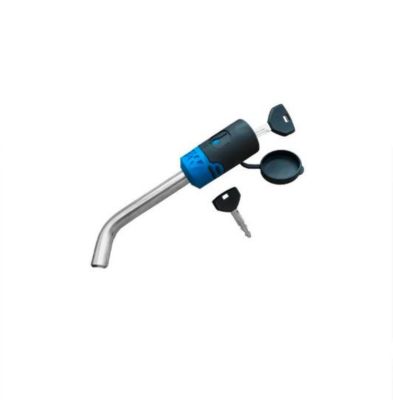
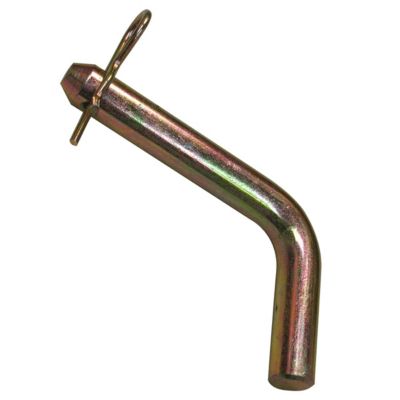
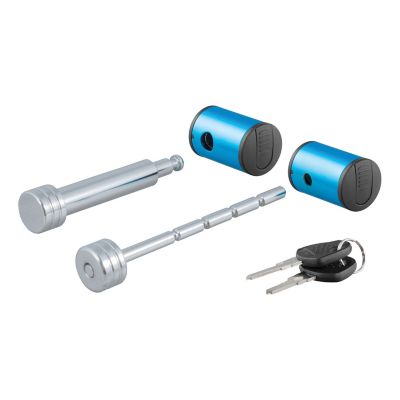
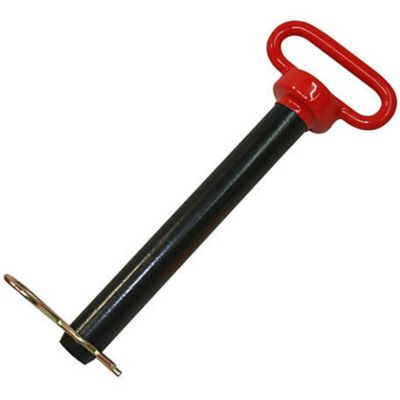
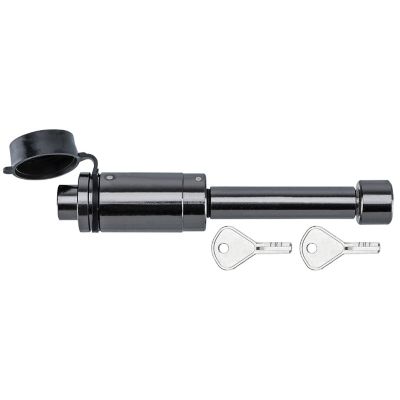
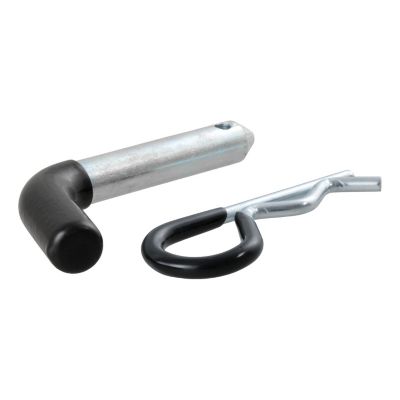
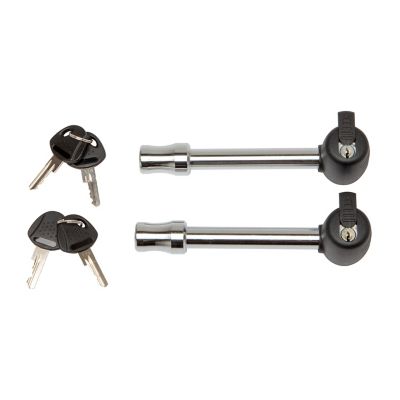
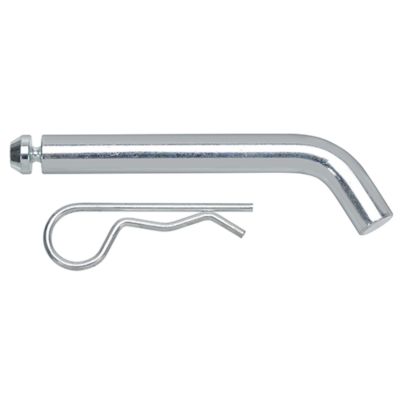
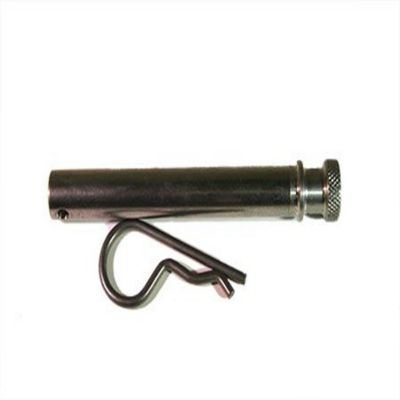
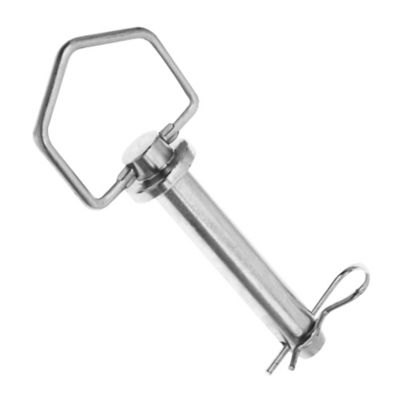
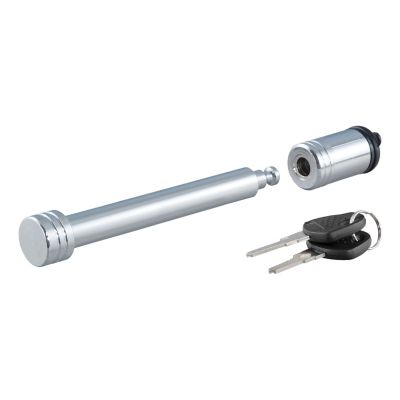
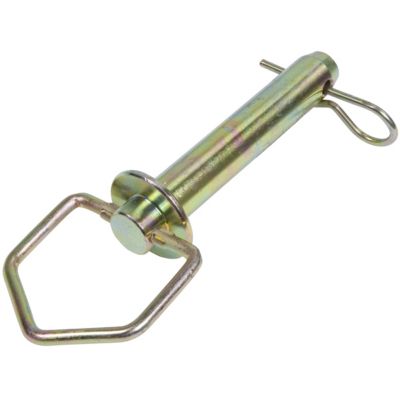
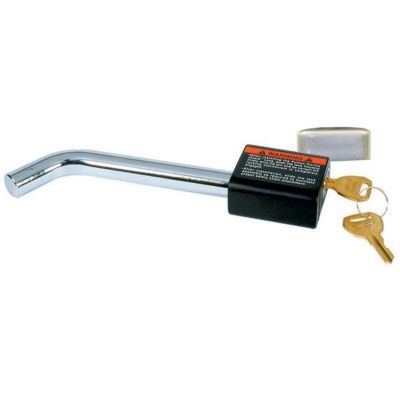
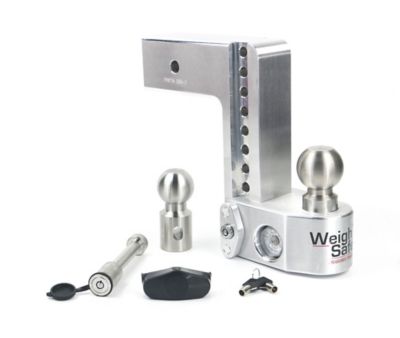
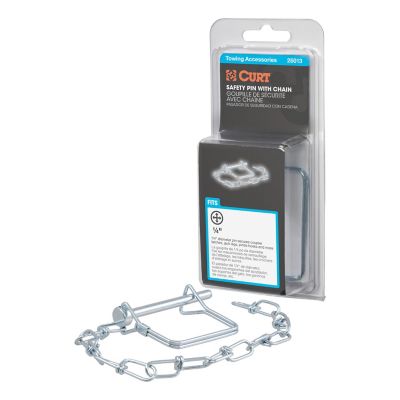
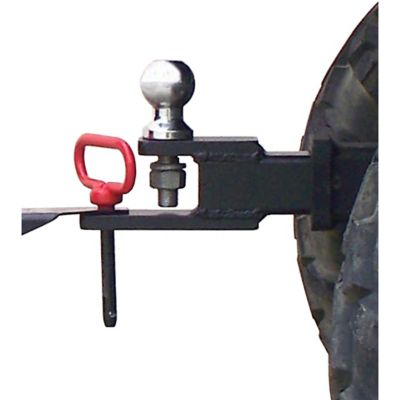
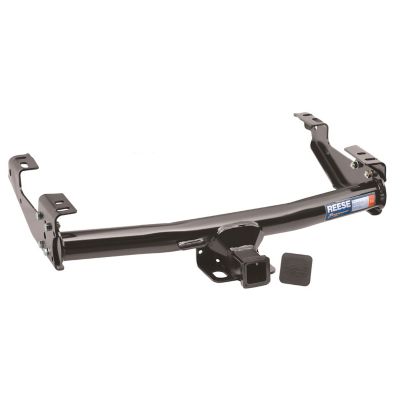
Locking pins for trailer hitches are a simple way to help keep a ball mount, drawbar, cargo carrier, bike rack, or other hitch-mounted accessory secured in the receiver tube. A standard hitch pin holds an accessory in place, but a locking hitch pin adds a keyed lock that helps prevent someone from sliding the accessory out and carrying it away when your truck or SUV is parked. These pins are useful for farm trucks, work vehicles, campers, utility trailers, and everyday vehicles that carry hitch accessories. They can also make a practical gift for someone who tows, hauls firewood, pulls a small equipment trailer, or keeps a cargo carrier on the back of a vehicle during the cooler months. Before choosing one, match the pin diameter and usable length to the hitch receiver and accessory. A 1/2-inch locking pin is commonly used with smaller 1-1/4-inch Class I and Class II receivers, while a 5/8-inch pin is widely used with 2-inch, 2-1/2-inch, and 3-inch receivers found on many Class III, Class IV, and Class V setups. The receiver opening size alone is not the only detail to check. The pin must pass through the receiver wall and the aligned hole in the ball mount or accessory, with enough room for the locking head to seat properly. Some adjustable ball mounts and heavy-duty accessories have thicker shanks, so measuring the shank and checking the manufacturer’s fit information can help prevent a frustrating trip back to the store. Locking pins are not a replacement for the correct hitch rating, safety chains, trailer wiring, or a properly secured coupler. Instead, they are a theft-deterrent accessory that keeps the removable portion of the hitch setup attached to the vehicle.
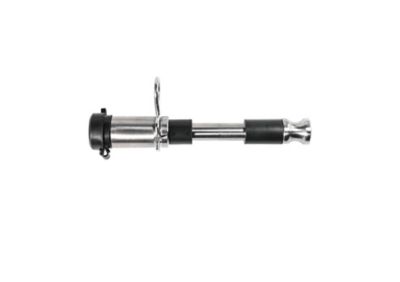
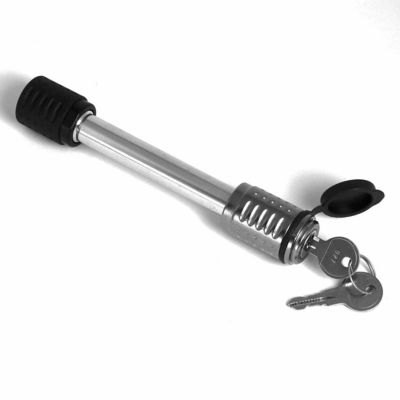
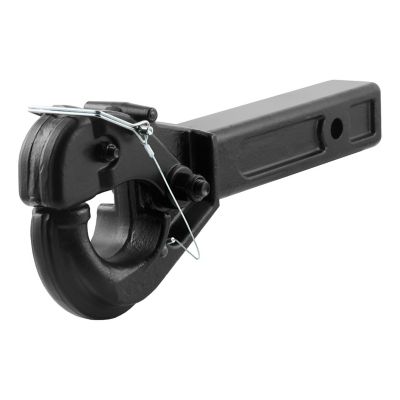
Construction matters when a hitch pin spends its life under a vehicle, where road spray, mud, gravel, and winter salt can reach it. Hardened steel offers strength for everyday towing and helps resist bending or cutting, while stainless steel can provide added resistance to rust and corrosion in wet or salty conditions. A weather cap over the key cylinder helps keep out rain, dirt, and road grit, and a covered lock is especially handy for trucks that travel gravel roads or sit outside near a barn. Rubber O-rings or similar fittings may help reduce vibration, limit metal-on-metal contact, and quiet the familiar rattle that can come from a loose hitch accessory. Not every setup needs the same style of pin, so look closely at the locking head, shank length, receiver class, and clearance around the hitch. The lock head should sit securely without pressing against the bumper, spare tire, exhaust, or other vehicle parts. If the hitch has an unusual design, a recessed pin hole, or limited space around the receiver, a compact head or a different pin length may be a better fit. A locking pin for a receiver is also different from a coupler latch lock. Receiver locks secure the ball mount or hitch accessory inside the vehicle’s receiver, while coupler locks are designed for the trailer tongue and help prevent the coupler from being connected or removed without authorization. Some towing setups benefit from using both types, particularly when a trailer will be left unattended. For related ways to outfit a vehicle for hauling, browse
Trailer Hitch Hooks along with the appropriate receiver accessories.
A little care can keep a locking hitch pin working smoothly through changing weather. Before installation, wipe dirt and rust from the receiver and accessory holes, then slide the pin through without forcing it. The locking head should click or turn into place according to the design, and the key should come out only when the lock is fully engaged. Give the pin a quick inspection whenever you hook up a trailer or remove a hitch accessory. Look for a bent shaft, damaged threads, a loose lock head, worn seals, or corrosion around the keyway. If the mechanism feels gritty, use a lubricant recommended for lock cylinders, such as a dry graphite-based product or a silicone spray made for this purpose. Heavy grease and oily lubricants can collect dust and road grit inside the cylinder, which may make the tumblers stick over time. A weather cap should be closed after locking, and the pin can be wiped clean before the vehicle goes back on the road after muddy work around the property. During colder weather, moisture trapped in a lock can freeze, so keeping the keyway protected and clearing away packed ice before turning the key is worthwhile. Store the key where it can be found easily, but not in the truck bed or glove box if those areas are accessible to someone who could also reach the hitch. Many owners keep a spare key with their vehicle documents or in a secure spot at home. Choosing the right locking pin comes down to a dependable fit, durable construction, protection from the elements, and a lock style that is easy to operate with cold or dirty hands. With the right match for the receiver and accessory, a locking hitch pin adds peace of mind when a trailer is parked at a jobsite, a cargo carrier is loaded for a long drive, or a ball mount stays in place between trips.