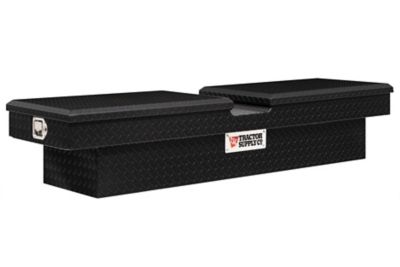
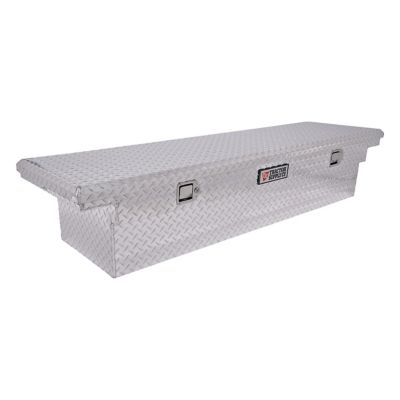
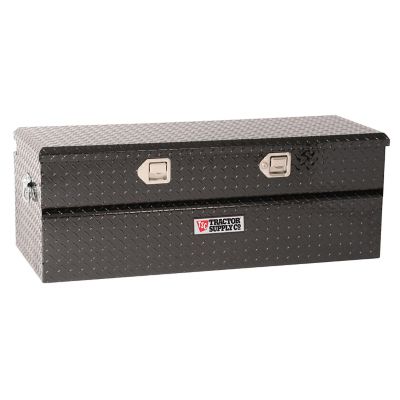
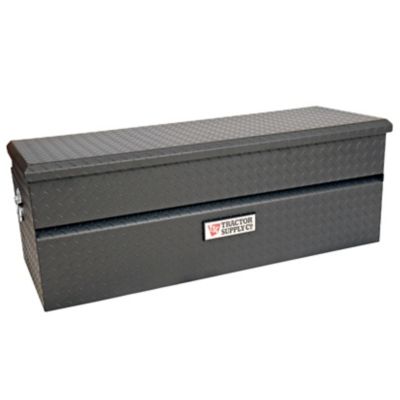
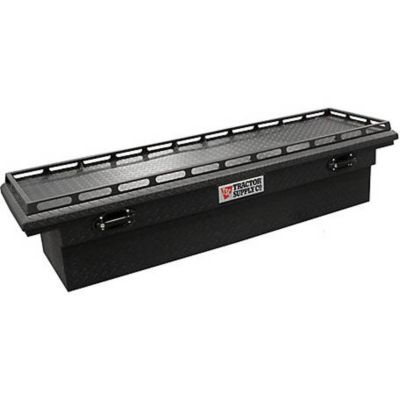
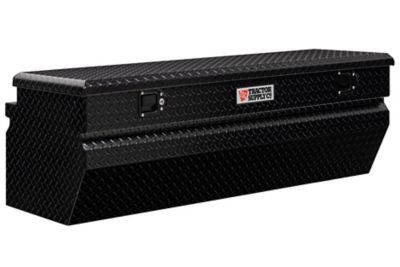
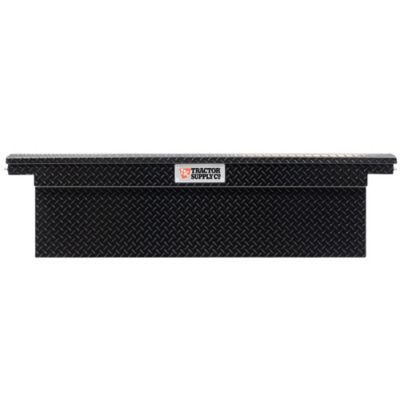
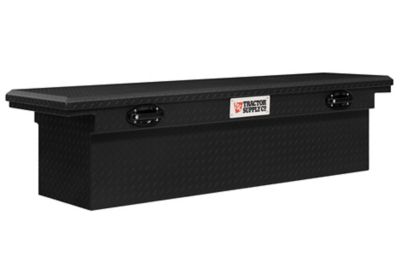
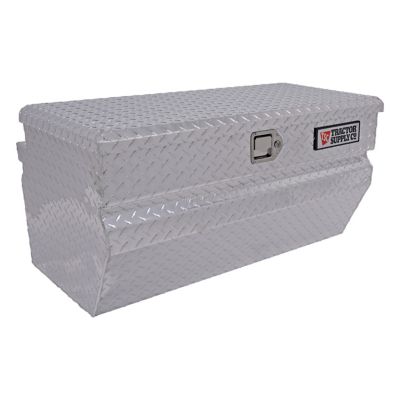
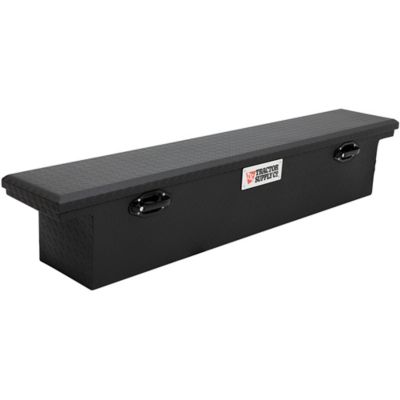
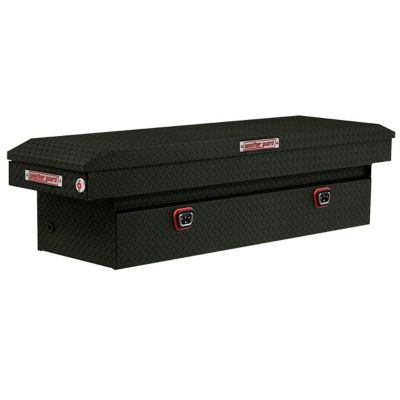
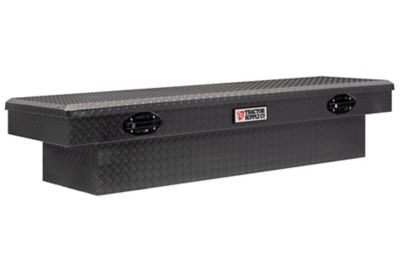
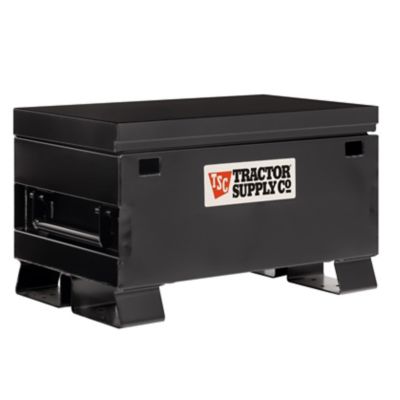
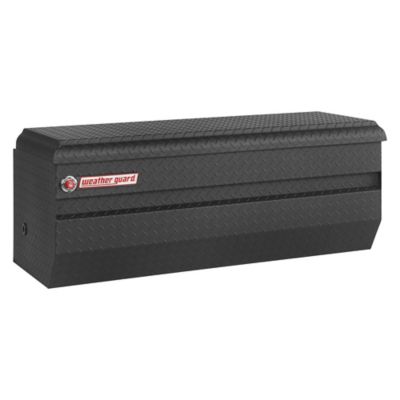
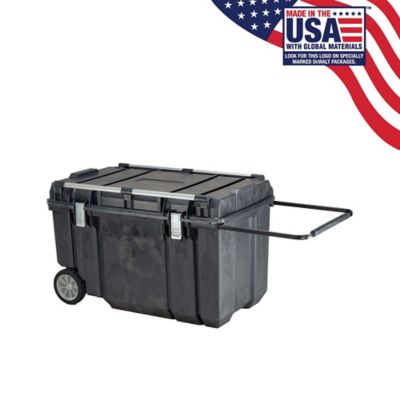
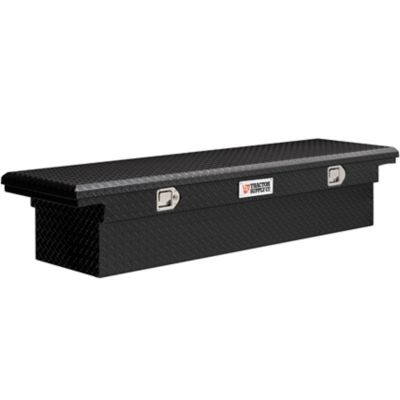
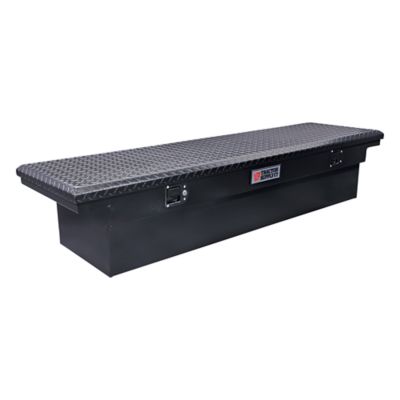
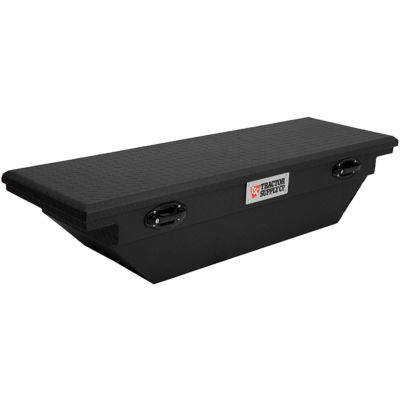
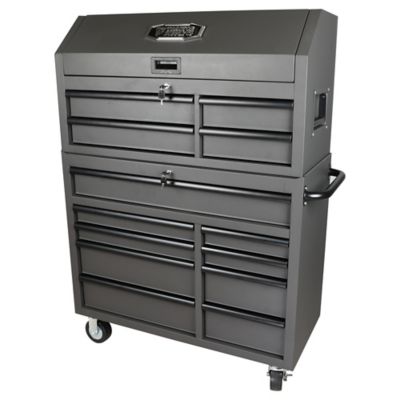
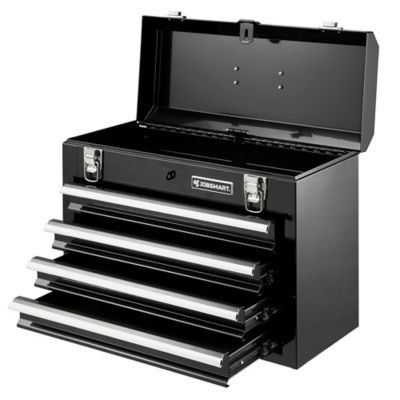
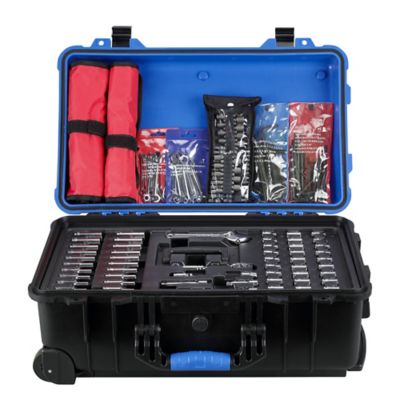
Tool boxes for power tools store, protect, and carry corded or cordless equipment, along with batteries, chargers, and the accessories that keep a job moving. Their rigid walls help separate tools from the knocks and clutter of a busy shop, while trays and compartments give smaller gear a place of its own. For someone fixing a gate hinge, hanging shelves in the garage, or tackling repairs around the barn, having a drill, driver, spare battery, and bit set together saves trips back to the workbench. The main styles include portable hand-carry boxes, fitted hard cases, stackable storage systems, and rolling tool boxes. A basic portable box generally provides an open lower compartment for larger tools and may include a removable tray for bits, sockets, or measuring tools. A fitted case holds equipment in shaped recesses or foam, helping keep pieces from shifting during transport. Stackable systems connect separate boxes so tools and accessories can travel together, with smaller sections detached when the job calls for less gear. Rolling designs move the weight onto wheels, making them worth considering for larger kits that would be awkward to carry by hand. Each layout suits a different working routine: a compact case makes sense for a single drill kit, while deeper storage can accommodate several tools and their supporting gear. Farmers, maintenance crews, tradespeople, and homeowners all have reasons to keep power tools organized, but the best arrangement depends on what travels and what stays in the shop. A box that spends most of its time beneath a bench has different demands than one lifted into a truck several times a day. Good organization also makes missing pieces easier to spot before heading out to a fence line or another part of the property. An empty battery compartment or bit holder is easier to notice than a small accessory buried beneath a pile of cords.
Fit starts with the inside dimensions, not just the overall size printed in a description. Thick walls, wheel housings, trays, and lid supports can reduce usable room, so a tool box needs clearance for the actual shape of the equipment it will carry. A drill with its battery attached takes up space differently than the same drill stored with the battery removed. Circular saws, reciprocating saws, and grinders bring other considerations, including handles, guards, and protruding parts that should not be squeezed against the lid. Follow the tool manufacturer's storage instructions, and leave enough room that closing the box does not press against switches or controls. Deep compartments suit larger bodies, but extra depth without dividers can leave smaller equipment piled together. Removable trays, adjustable partitions, and foam inserts offer different ways to organize that space. Trays keep small accessories near the top, partitions separate tool bodies from chargers, and fitted foam can limit movement around sensitive components. Foam also takes up room, so its benefit needs to be weighed against storage capacity. Materials affect both handling and resistance to everyday wear. Molded plastic and resin boxes generally weigh less than comparable metal designs and do not develop red rust, though their load ratings and construction vary. Steel provides a rigid shell but adds weight and needs attention where scratches expose bare metal. Aluminum can offer a lighter metal option, depending on the design. Corners, hinges, handles, and latches deserve as much attention as the shell because those points take repeated strain during lifting and transport. A broad handle with enough finger clearance is easier to grip, especially with work gloves. Wheels help with heavier loads, although wheel size and ground clearance influence how a rolling box crosses gravel, thresholds, and uneven shop floors. For stackable storage, connection systems are not universal; boxes need matching interfaces to lock together as intended. A stated load capacity matters for the whole setup, including the base, handle, wheels, and connecting points.
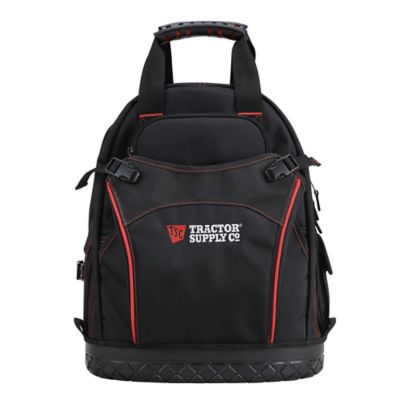
The details inside and outside a power tool box can make the difference between tidy storage and a daily wrestling match. A lid that opens fully makes it easier to lift out a bulky tool without catching the handle, while a removable organizer lets fasteners travel to the work area without bringing the entire kit along. Positive-closing latches help keep the lid shut in transit, and a padlock opening adds a place for a lock, though a locked box alone is not a substitute for secure storage. Dust-resistant seals can help keep shop debris out, but protection varies by construction and any stated rating; a closed lid does not automatically mean a sealed case. The packed weight matters just as much as the empty weight. A box that feels light on the shelf can become a substantial load once it holds several tools and batteries. Keeping heavier equipment low helps a rolling or stacked setup feel steadier, and securing boxes during vehicle transport helps prevent sliding and tipping. Routine care is straightforward: clear out chips and grit, wipe spills promptly, and inspect hinges, latches, wheels, and handles for damage. Tools should be clean and dry before storage, with cords arranged in loose coils rather than pinched beneath trays or stretched around sharp edges. Batteries need protection from contact with loose screws, nails, and other metal pieces that could bridge their terminals. Store and charge them according to the manufacturer's directions, and do not assume a closed storage box is suitable for charging. For jobs that call for flexible sides and quick access to pockets,
Tool Bags for Power Tools offer another carrying option alongside rigid boxes. A storage box can also make a practical gift for someone setting up a first workshop or getting an existing tool collection in order, especially when its dimensions and layout match the equipment already on hand. The right fit leaves tools easy to reach, accessories easy to count, and the next repair a little easier to get started.