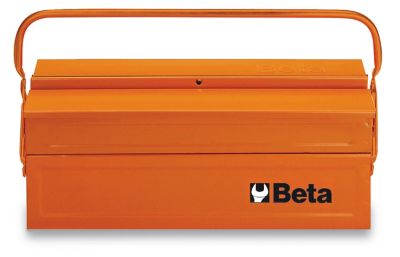
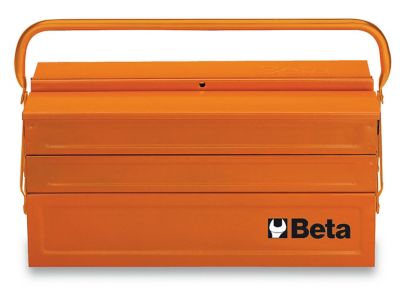
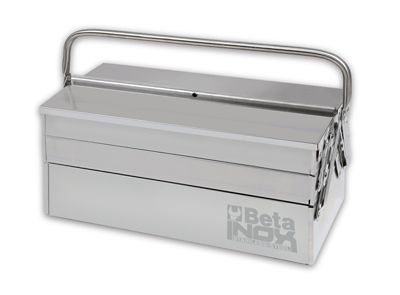
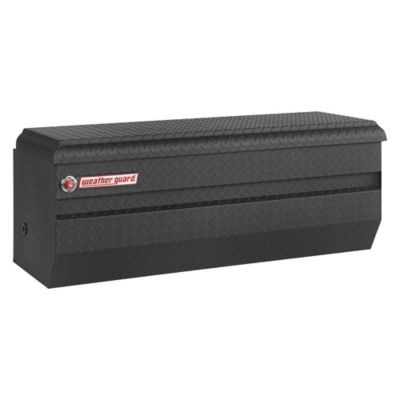
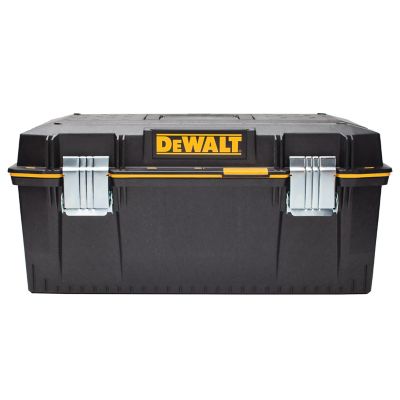
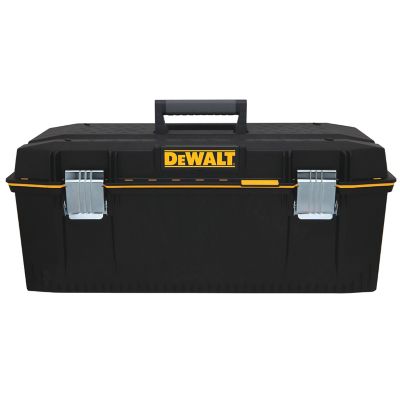
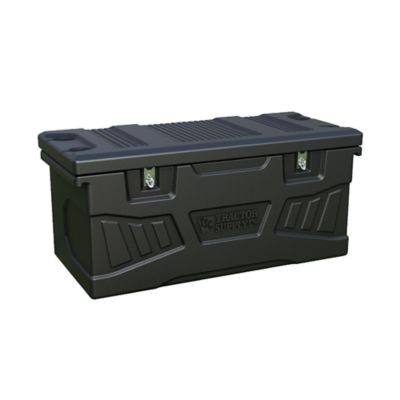
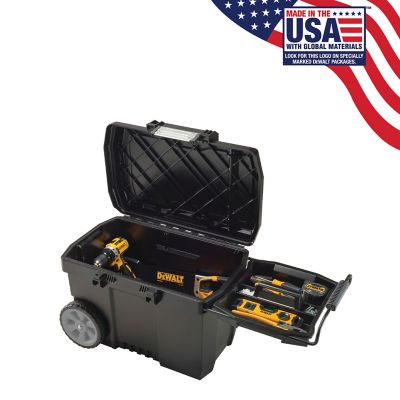
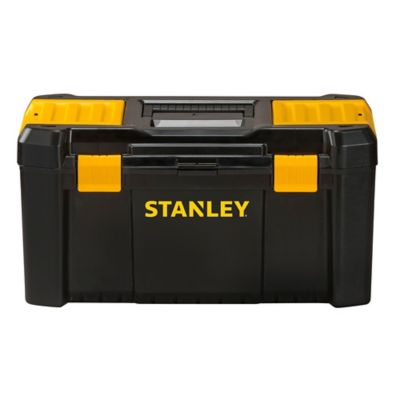
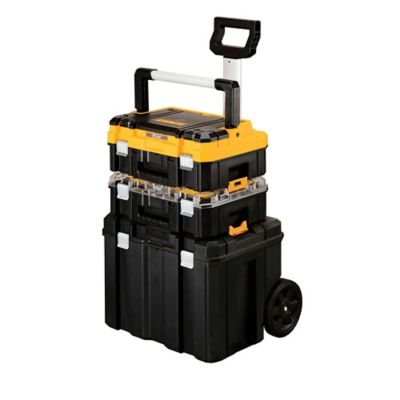
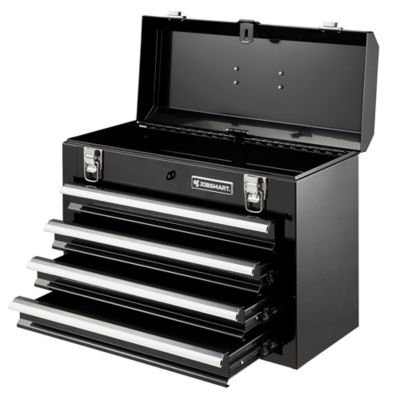
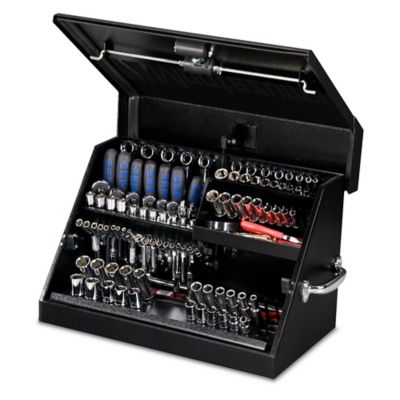
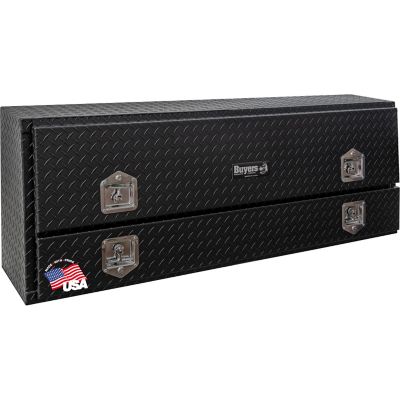
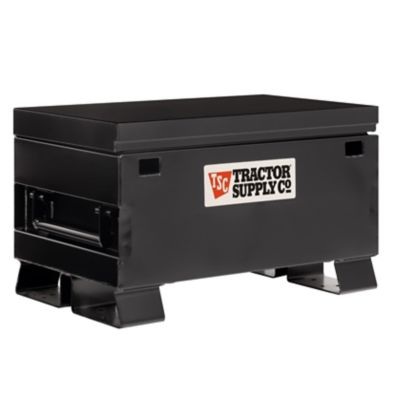
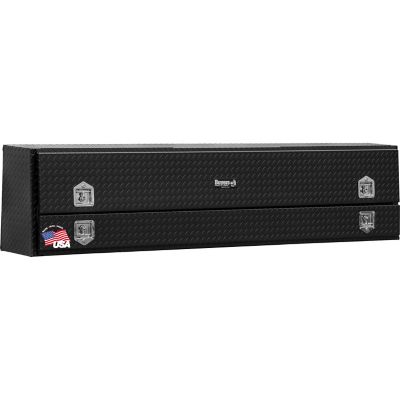
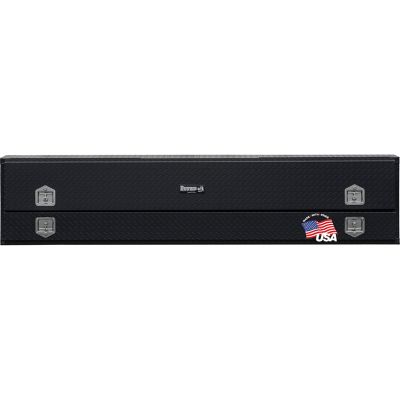
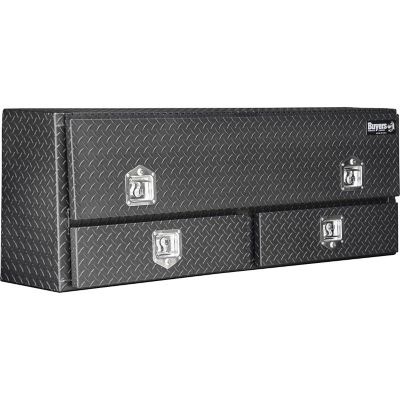
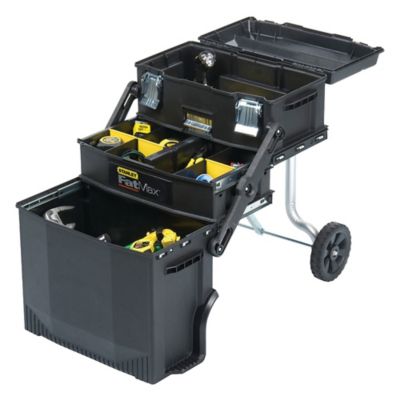
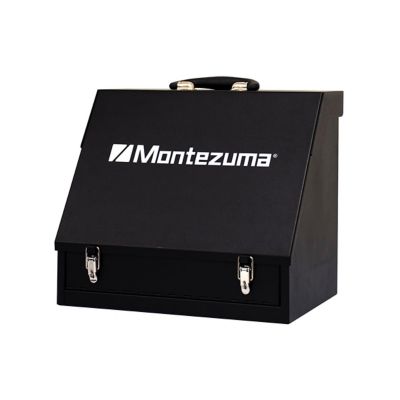
Tool boxes for electricians organize and protect hand tools, test equipment, and small electrical parts while making them easier to carry between jobs. Common formats include portable carry boxes, rolling tool boxes, stackable storage systems, and drawer-style chests, each suited to a different way of working. A compact box can hold the essentials for a short service call, while a rolling setup makes more sense when several cases would otherwise need separate trips. For an electrician moving between a farm shop, a house, and an outbuilding, portability matters just as much as storage space. Larger wheels generally handle gravel and uneven ground better than small casters, but the loaded box still needs to fit through doorways and leave room to maneuver. Stairs, narrow hallways, and truck bed height can make a large rolling case awkward, so removable upper boxes and comfortable side handles have practical value. Stackable systems let separate boxes travel together, although their connecting hardware needs to match within the same system. Drawer-style storage provides access without lifting off every box above it, which helps when the same tools come out repeatedly throughout a job. Materials also affect how a box handles everyday work. Steel offers a rigid shell and substantial weight, aluminum can reduce carrying weight, and molded plastic avoids rust on the body itself. Hinges, latches, handles, and drawer hardware deserve just as much attention as the shell because those parts take strain every time the box moves. Reinforced corners and recessed hardware can help limit damage from bumps against truck beds and shop benches. Dimensions matter inside and out: exterior measurements determine where the box fits, while usable interior space determines whether longer tools can lie flat and the lid can close without pressure on the contents. A box that fits neatly behind a truck seat may still lack room for a long level or a larger meter case, making interior measurements more useful than appearance alone.
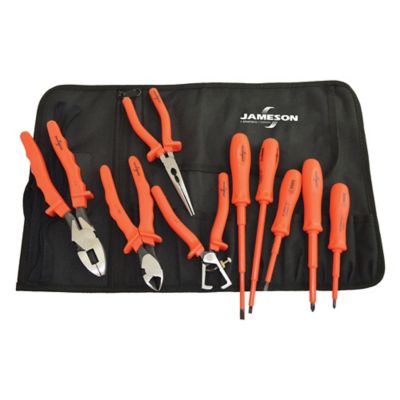
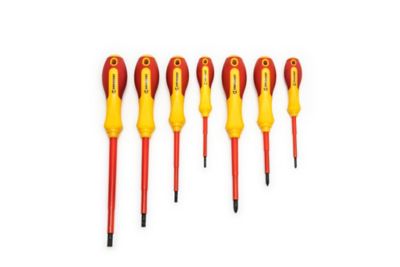
Inside an electrician’s tool box, organization works best when the layout reflects the tools that come out together. Pliers, wire strippers, screwdrivers, and nut drivers benefit from separate spaces that make missing tools easy to spot before leaving a job. Removable trays keep frequently reached-for tools near the top, while deeper lower compartments accommodate larger equipment. Small-parts organizers help separate connectors, terminals, fasteners, and other components that can disappear into the bottom of an open box. Dividers that meet the lid closely can reduce parts mixing during transport, though compartment size should match the contents rather than simply offer the greatest number of sections. A handful of roomy compartments may serve larger connectors better than dozens of narrow slots. Test instruments need a different kind of space. A multimeter or clamp meter benefits from a fitted case or padded compartment that keeps it apart from loose metal tools, with room for leads to rest without sharp bends or pressure on their connectors. Sharp blades and pointed tools also need separation from cords, instrument screens, and insulated tool handles. Tool boxes for electricians are storage equipment, not electrical protective equipment; a plastic shell alone does not establish an insulation rating or make the box suitable for contact with energized parts. Tool and instrument ratings remain separate considerations. Capacity means more than fitting everything under a lid, too. Manufacturer weight limits apply to the box and its carrying or rolling hardware, and stacked systems may have separate limits for individual components and the complete assembly. Heavy tools generally travel better low in the setup, with lighter organizers above them. A fully loaded carry box can become difficult to lift even when plenty of interior space remains. For work that involves frequent trips up stairs or through tight spaces, two manageable boxes may be more practical than one oversized chest packed to its limit.
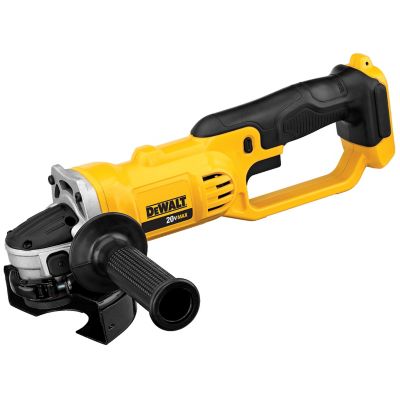
The way a tool box fits into a workday often determines whether its features earn their keep. A hinged lid needs clearance above it, drawers need room to open, and a telescoping handle should retract far enough for the box to fit its storage spot. In a service truck, a box needs a secure position rather than room to slide around during turns and stops. Latches should hold the lid closed during transport, while lockable compartments provide another layer of access control when tools stay in a shared shop or vehicle. Locks do not replace secure vehicle storage or proper tie-downs. Electricians who carry drills, drivers, and larger cordless equipment alongside hand tools may also find
Tool Boxes for Power Tools helpful when comparing storage layouts with deeper compartments and space for accessories. Keeping those larger tools separate can leave the everyday electrical kit easier to lift and quicker to sort through. Routine care helps preserve both the box and what rides inside it. Emptying loose debris, wiping away dirt, and drying compartments before closing them limits buildup around hinges, latches, and drawer tracks. Metal shavings deserve prompt removal, particularly around test equipment and cords. Cleaning methods should suit the box material, and lubricants belong only where the manufacturer recommends them. Periodic checks for cracked handles, loose fasteners, bent hinges, and sticking latches can catch trouble before a loaded box reaches the truck tailgate. For an apprentice starting a first job, a portable box with a straightforward layout can make a useful gift without committing to a large storage system. An experienced electrician may get more value from storage that matches an existing setup, the vehicle’s available space, and the tools already carried. Whether the work centers on service calls, construction, or maintenance around agricultural buildings, a well-matched tool box keeps essential gear together without turning every trip into a heavy haul.