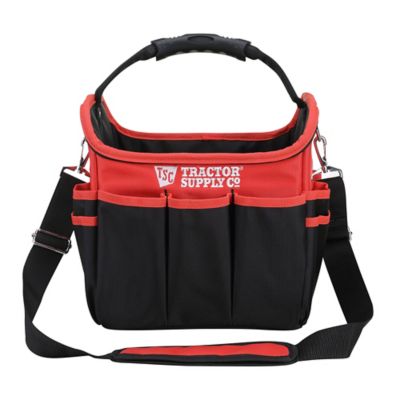
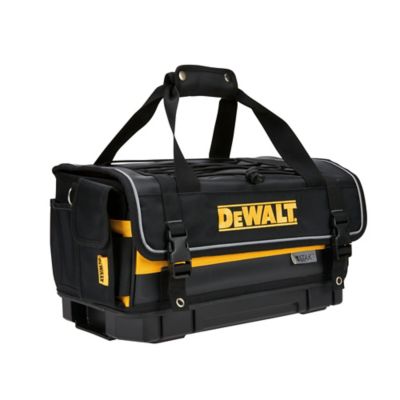
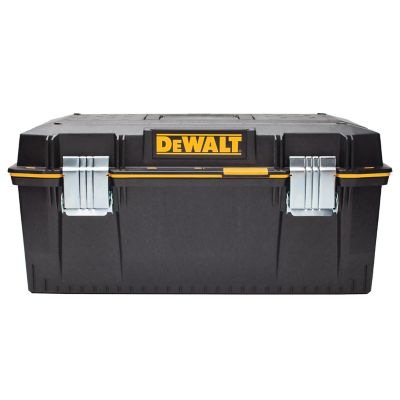
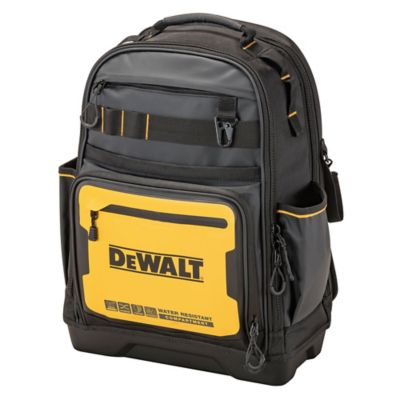
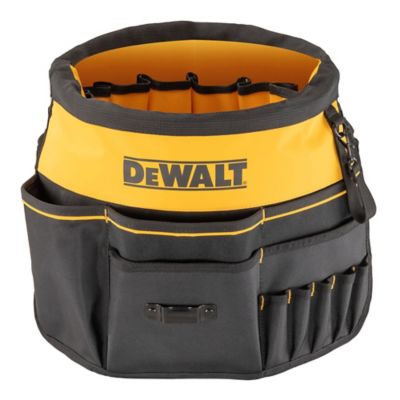
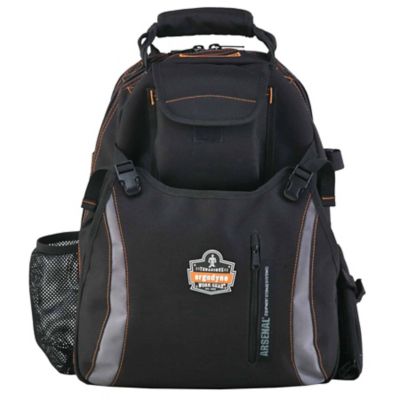
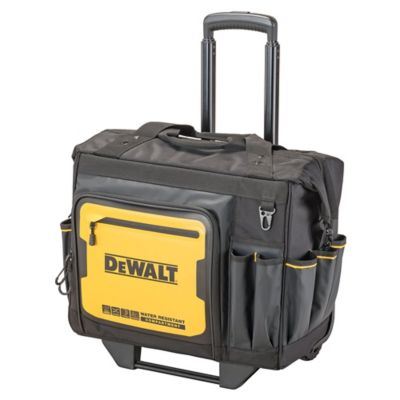
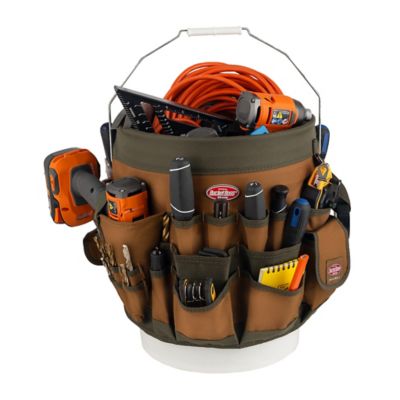
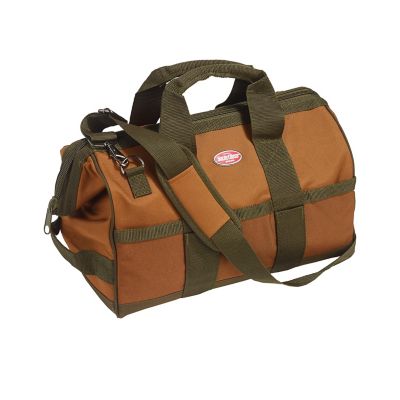
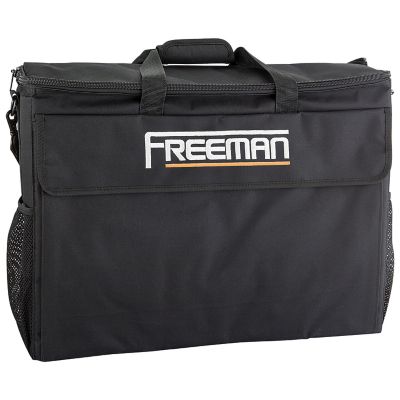
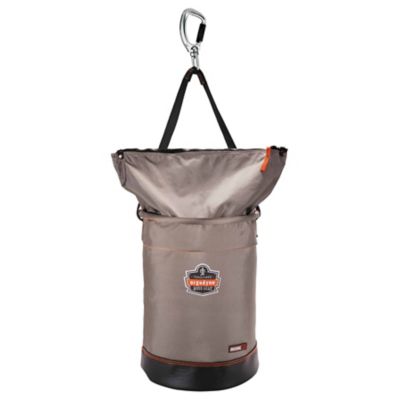
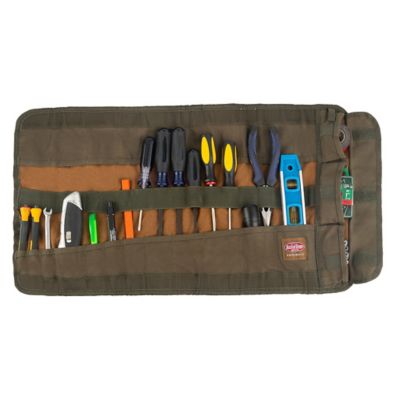
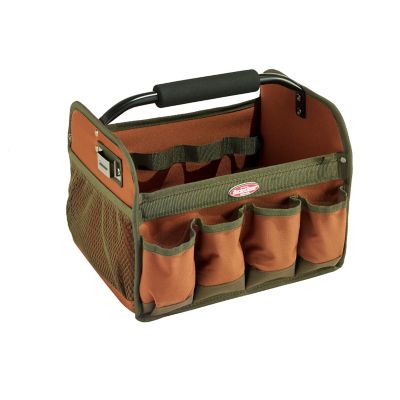
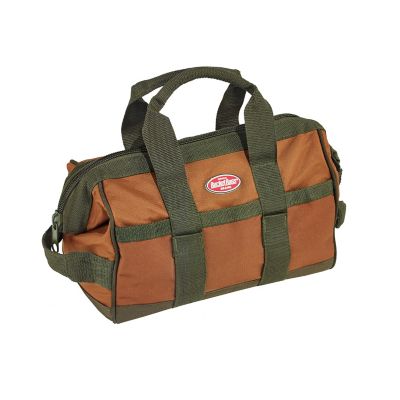
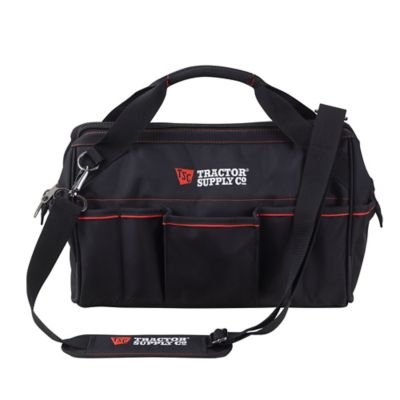
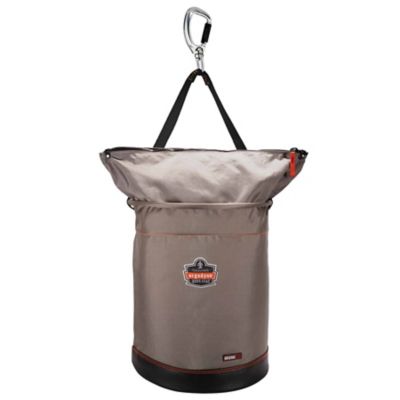
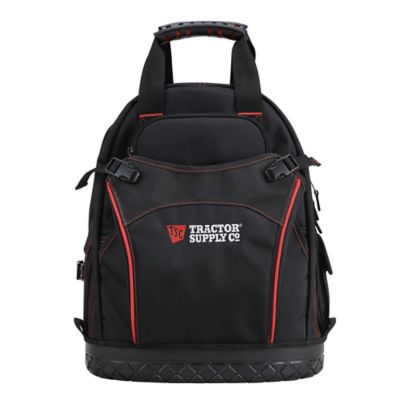
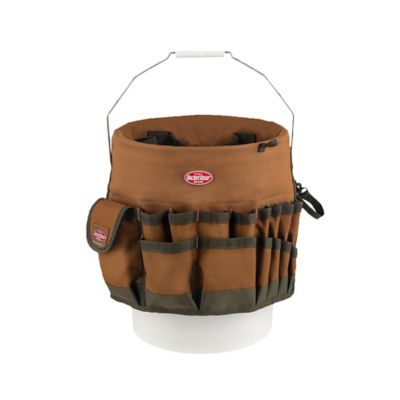
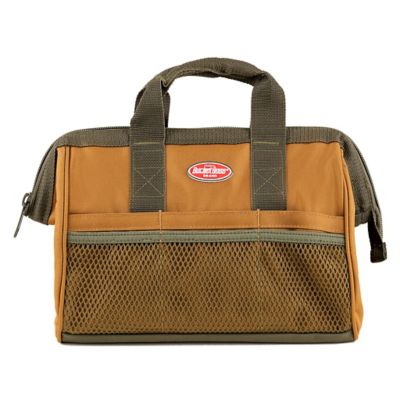
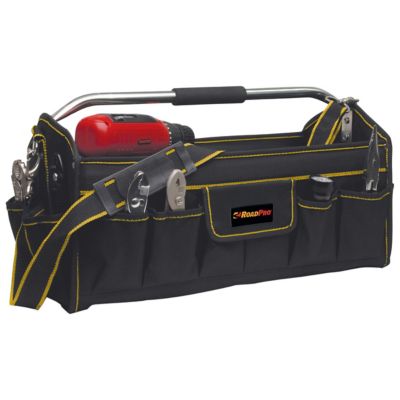
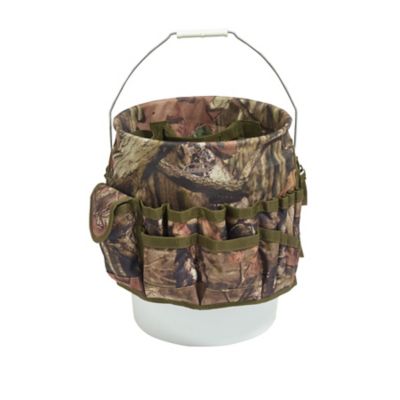
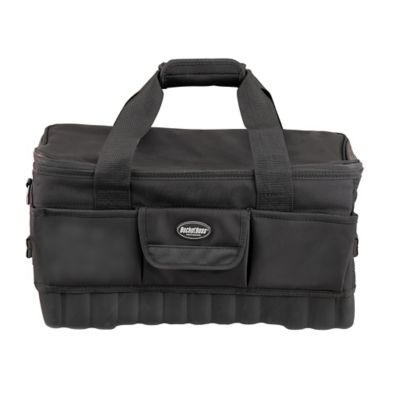
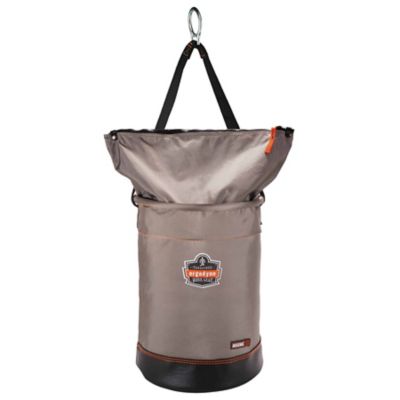
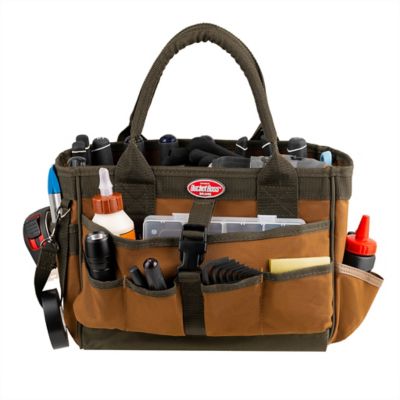
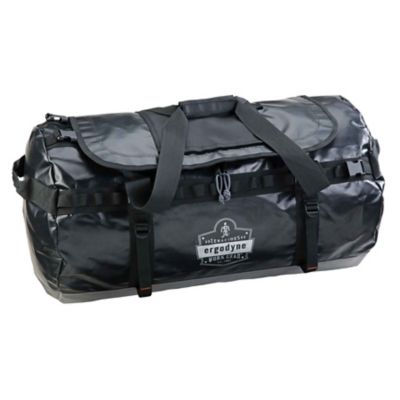
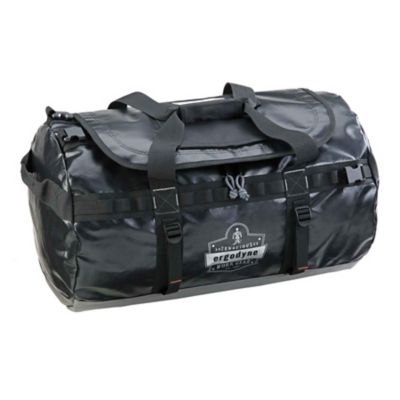
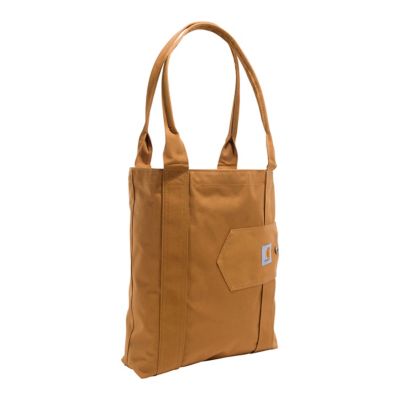
Tool bags for power tools give you a practical way to carry the equipment that keeps a job moving, whether you’re repairing fence lines, hanging a gate, finishing a remodel, or handling everyday maintenance around the farm and home. A good bag keeps drills, impact drivers, multi-tools, circular saws, chargers, spare batteries, bits, fasteners, and hand tools together instead of scattered across the truck, shop bench, or back of the UTV. For larger cordless tools, look for a wide-mouth design in the 20- to 24-inch range so bigger equipment can slide in without a struggle. A smaller tote may work well for one drill and a few accessories, but a larger opening gives you room for several power tools and makes it easier to see what you have packed. Open totes are handy when you’re moving from one task to the next and need quick access, while zip-top bags offer more protection when tools ride in a vehicle or need to be stored between jobs. Padded handles and a comfortable shoulder strap can make a noticeable difference when the bag is loaded with batteries and metal tools. A reinforced rim helps the bag hold its shape, and sturdy stitching at the handles is worth close attention since that is where much of the weight is carried. When a bag is headed to a job site, pasture, garage, or workshop, tough construction matters. Tear-resistant polyester, ballistic-style nylon, and other heavy-duty woven fabrics are built to stand up to sharp corners, rough lumber, concrete floors, and the general wear that comes with working outdoors. A hard-molded plastic or rubber bottom helps keep moisture away from your equipment when the bag is set on damp ground, a wet trailer floor, or a dusty shop surface. Raised feet can also help keep the base from sitting directly in puddles and mud. No tool bag should be treated as fully waterproof unless the manufacturer says so, but a water-resistant exterior and sealed or covered openings can provide useful protection from light weather and everyday spills. During the cooler months, when wet ground and muddy boots are part of the routine, a protective base is especially helpful for keeping cordless tools and chargers in better shape.
Organization is just as important as overall capacity. A deep main compartment is useful for drills, drivers, saws, and larger tools, while smaller outside pockets can hold pencils, tape measures, utility knives, pliers, sockets, driver bits, and other items that tend to disappear at the bottom of a tote. Dedicated battery pockets help keep lithium-ion batteries from sliding around and knocking against tools, and interior straps can hold equipment upright during transport. Keeping batteries separated from loose screws, nails, and other metal hardware is a sensible habit that helps protect the contacts and reduces clutter. Bright interior lining is another small feature with a big payoff; it makes dark tools and black cords easier to spot when you’re working in a dim barn, under a sink, or inside a truck bed. Check the bag’s dimensions against the tools you actually plan to carry, not just the outside measurement listed on the tag. A circular saw, charger, or large impact wrench may need more height or width than expected, while a compact drill kit may fit comfortably in a smaller bag. Think about how you work, too. If tools are carried up ladders, across gravel, or between outbuildings, a balanced load and secure handles can save your shoulders from unnecessary strain. If the bag stays in a workshop, a broad base and open access may be more useful than a long shoulder strap. If it travels in a pickup or service vehicle, a zippered top, reinforced corners, and a stable bottom can help keep everything contained when the road gets bumpy. Tool bags are also useful for keeping a household repair kit ready for quick fixes, and they make thoughtful gifts for handy relatives, new homeowners, contractors, maintenance workers, farmers, and anyone who enjoys working with their hands. A bag does not need to be filled with tools to be useful; giving someone a well-built carrier lets them organize the equipment they already own and add to their setup over time. For more options suited to personal work kits and everyday carry, browse
Tool Bags for Men.
Before choosing a tool bag for power tools, make a simple list of the equipment that needs a home and leave a little room for the accessories that usually come along. A drill by itself may become a drill with two batteries, a charger, a bit case, a magnetic holder, and a handful of fasteners before long. If you use a circular saw or multi-tool, account for blades and guards so they can be stored without rubbing against softer items. A bag that is too small often ends up overstuffed, making the zipper hard to close and putting extra stress on the seams. One that is much too large may allow tools to shift, bang together, and become harder to find. The right fit keeps the load manageable and makes cleanup simple at the end of the day. Look for dependable zippers, smooth-running hardware, reinforced stress points, and pockets that stay open enough to use with work gloves. A washable or easy-to-brush-clean lining helps after a dusty fence repair or a muddy trip to the barn. It also helps to think about where the bag will be stored: a compact shape may slide neatly beneath a workbench, while a taller tote can stand beside a tool chest or in the corner of a utility room. Keeping power tools in a dedicated bag protects them from loose hardware and makes it easier to grab the right gear when a repair comes up unexpectedly. From tightening livestock gates to building shelves, replacing deck boards, or handling seasonal upkeep around the house, an organized tool bag saves time and keeps useful equipment close at hand. Choose a capacity that matches the job, durable materials that can handle real work, a protective base for rough or damp surfaces, and storage features that keep batteries and accessories secure. With those details in place, a tool bag becomes more than a way to carry equipment—it becomes a dependable part of the work setup.