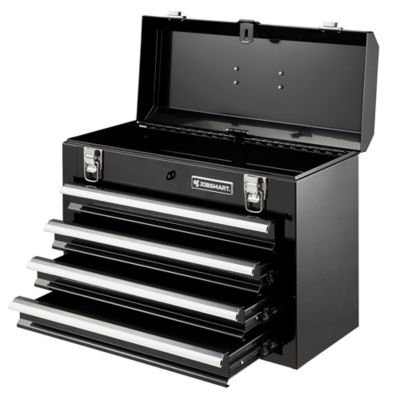
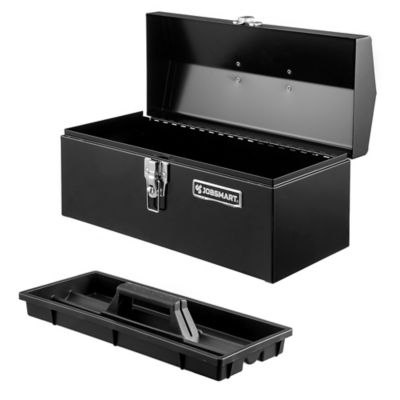
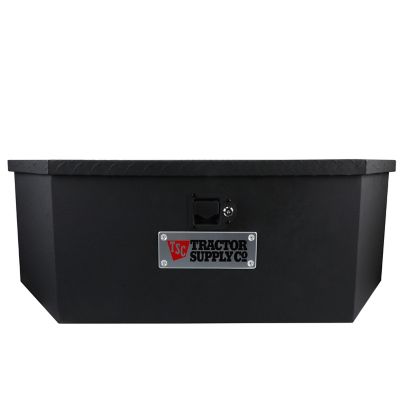
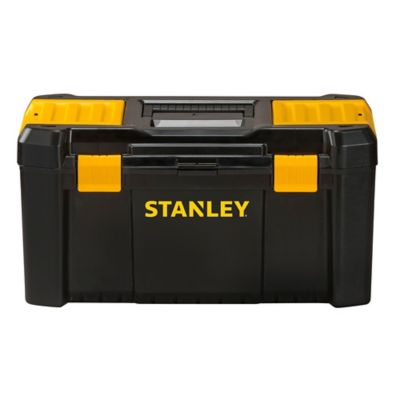
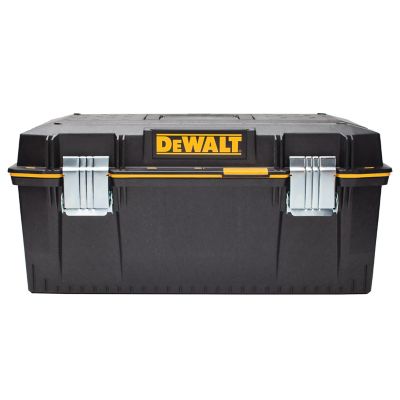
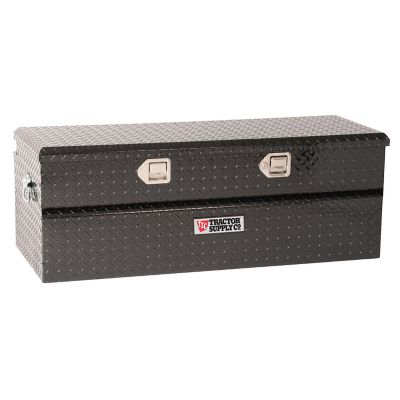
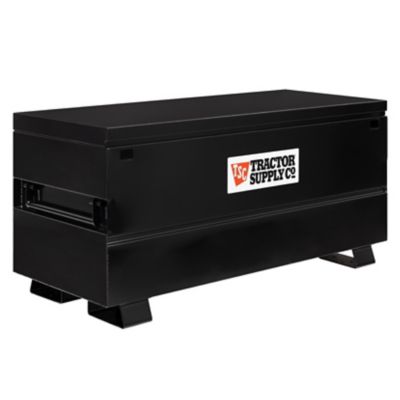
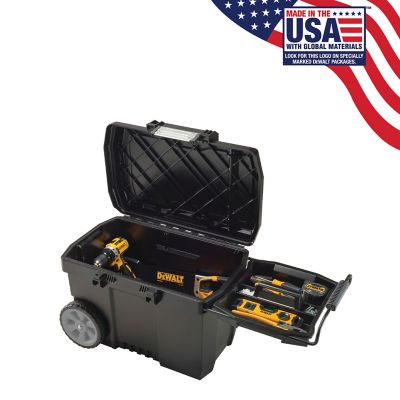
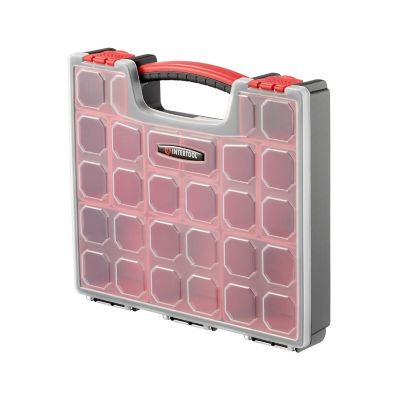
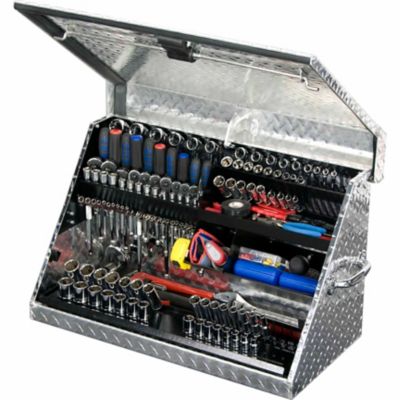
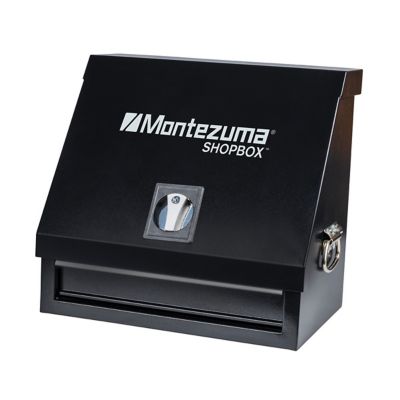
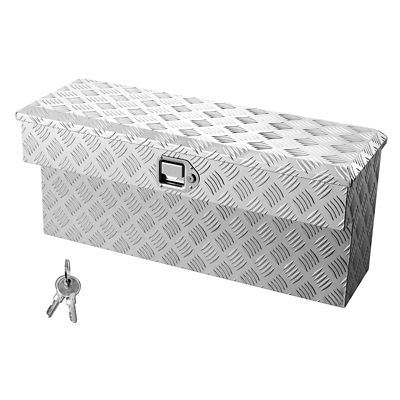
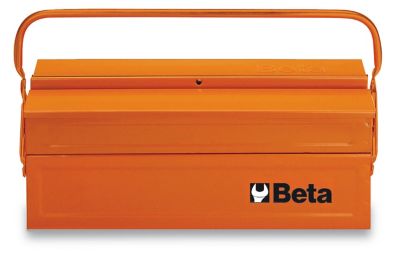
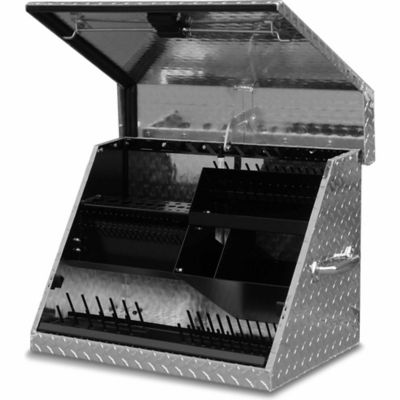
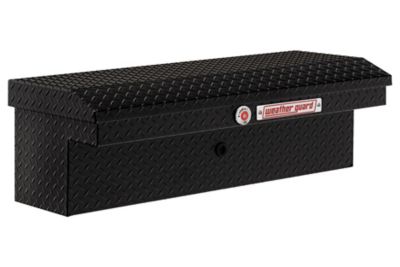
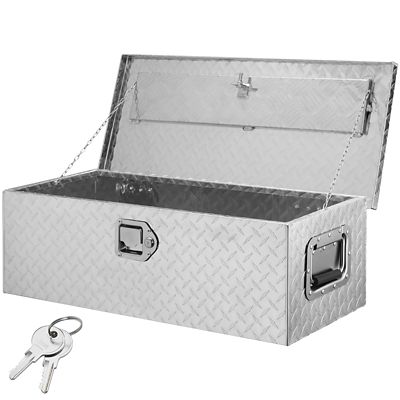
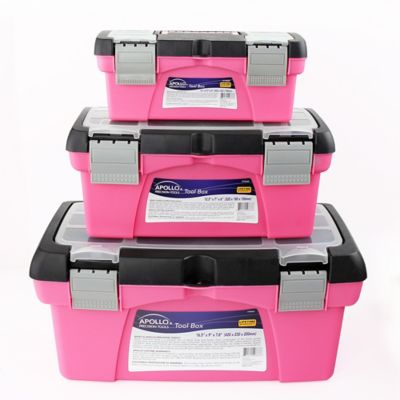
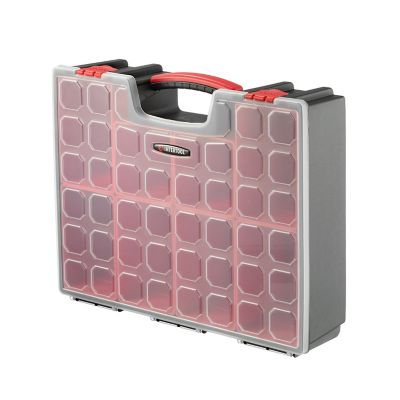
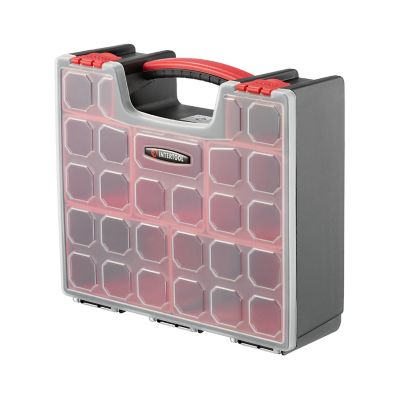
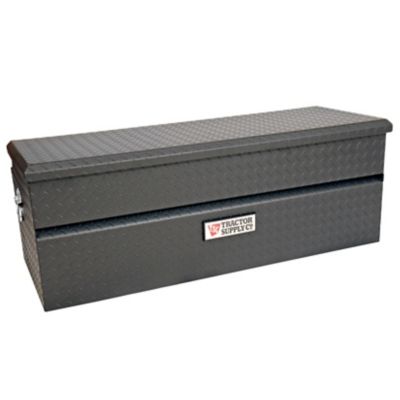
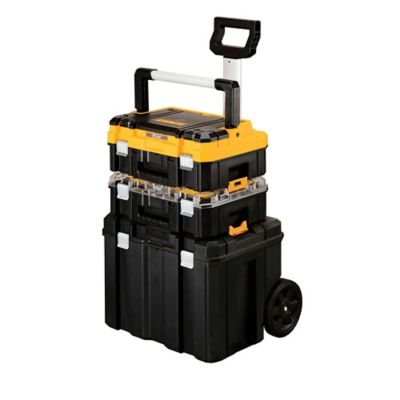
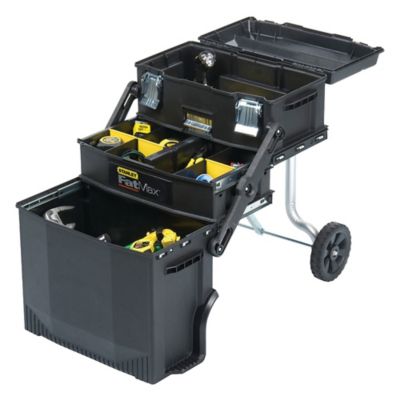
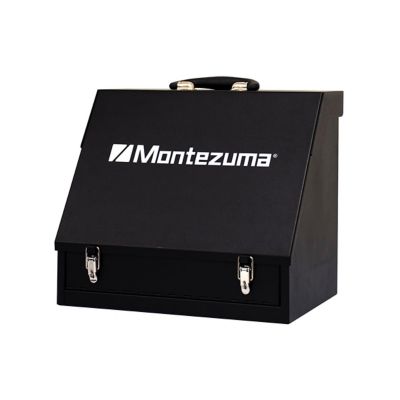
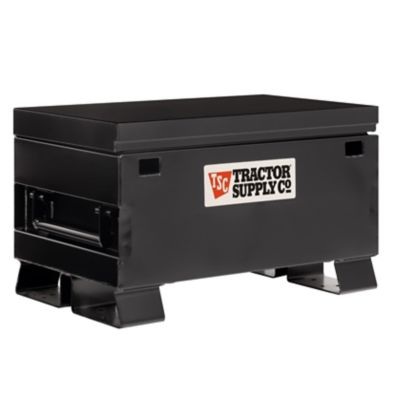
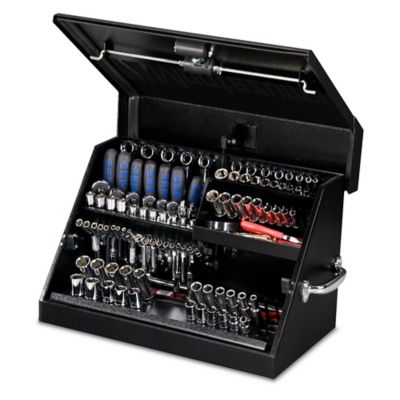
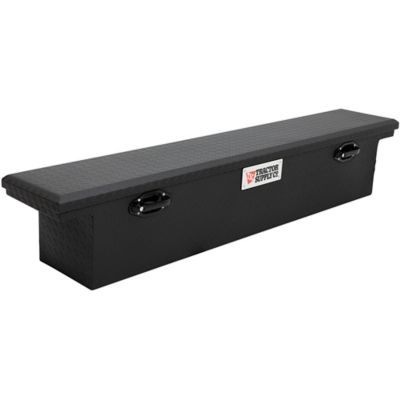
Medium-sized tool boxes bring together carry-along convenience and enough room for the tools that handle everyday repairs. They sit between small grab-and-go cases and larger chests that generally stay in the shop, making them a practical fit for a workbench, a truck cab or a shelf near the barn door. There is no single measurement that defines a medium tool box, so exterior dimensions, interior space and the storage layout tell more than the size label alone. A box with a lift-out tray can keep sockets, screwdrivers and pliers within reach while leaving space below for a hammer, adjustable wrench or compact drill. Compartments help separate fasteners and small parts, while an open main section makes room for tools with broad heads or longer handles. That balance matters when a loose gate hinge needs attention or a piece of equipment needs a quick adjustment away from the shop. Instead of carrying a full workshop, a medium-sized tool box holds a working assortment suited to the job. Farmers, mechanics, homeowners and folks who maintain acreage can all find a place for this middle-ground size. Portability still depends on the load: the box itself contributes weight, and a collection of steel hand tools adds up fast. A comfortable grip, sensible handle placement and a shape that stays close to the body can make the walk from the shed to the work area less awkward. Interior length matters just as much as overall capacity, especially for a ratchet, breaker bar or other long tool. Space beneath a tray can also be shallower than the outside dimensions suggest. A well-matched box has room for the regular lineup without requiring a pile of tools that must be emptied whenever something at the bottom is needed.
Materials and construction give medium-sized tool boxes different strengths for different routines. Steel bodies offer rigidity and a familiar shop-ready feel, with painted or powder-coated finishes that help protect the underlying metal when the finish remains intact. Aluminum can reduce carrying weight compared with similarly built steel designs, though panel thickness, frame construction and hardware also affect how a box handles a full load. Molded plastic provides another option, often with shaped compartments and no metal body panels to rust. Resistance to impacts, chemicals and cracking varies by material and construction, so those details matter wherever a box may bump against equipment or share space with shop supplies. For a metal-body option that can travel between the shop and the truck, explore
Portable Metal Tool Boxes. Across materials, hinges, handles and latches deserve as much attention as the body. A lid that closes squarely and latches that hold firmly help keep the contents contained during ordinary transport. A padlock opening or built-in locking mechanism can limit casual access, although neither takes the place of secure storage. Drawer-style layouts keep tools visible without lifting out trays, but they need clearance in front and a way to keep drawers shut while carrying. Top-opening designs need room above the lid, which matters on a shelf beneath a workbench. A broad, steady base helps the box sit securely, while rounded edges can be more comfortable to handle in tight quarters. Removable dividers offer flexibility for changing tool assortments; fixed compartments keep their shape without extra pieces to track down. Some medium boxes also connect with compatible storage systems, but attachment styles differ. The connection, carrying arrangement and combined load rating all affect whether that setup suits trips between the vehicle and the job. A stated load capacity is separate from storage volume: a box may have space left inside even after reaching its carrying limit.
The best fit often comes down to the work that happens most often. A general repair assortment might need an open lower compartment for larger tools and a tray for measuring, marking and fastening tools. Small-engine work benefits from orderly socket storage and separate spaces for extensions, bits and loose hardware. Fence and gate maintenance may call for roomier sections that accommodate pliers, wrenches and work gloves without crowding the lid. A medium tool box can also keep a second set of essentials near a detached garage or equipment shed, saving repeated trips back to the main bench. When the box rides in a vehicle, its footprint should suit the intended storage spot without interfering with passengers, controls or access to other equipment. It also needs to be secured so it cannot slide or tip during travel. Inside, trays and dividers help prevent tools from knocking together, but leaving enough clearance for the lid and latches is important; forcing an overfilled box shut puts strain on both. Everyday care is straightforward. Loose grit and metal filings can be brushed or vacuumed from corners, and spills should be cleaned according to the material and finish instructions. Tools should be clean and dry before storage, with oily rags and open chemical containers kept elsewhere. Occasional checks for loose fasteners, bent hinges, worn grips and damaged latches can catch small problems before the next trip across the property. Liners can help cushion tools and quiet rattles, provided they fit without obstructing drawers or trapping debris underneath. For someone setting up a first workbench, maintaining a small property or building a dedicated repair kit, a medium-sized tool box can make a thoughtful gift. Matching the layout to that person’s tools and carrying habits gives it a clear purpose from the start. It is a useful middle ground: enough storage to keep a working set together, with a manageable footprint for the places where repairs actually happen.