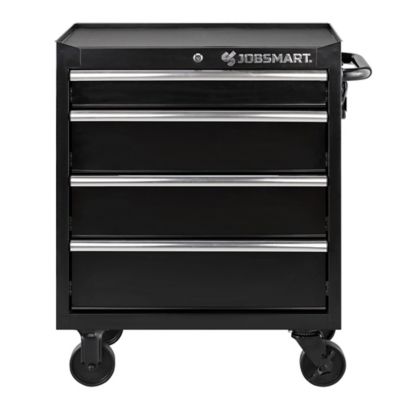
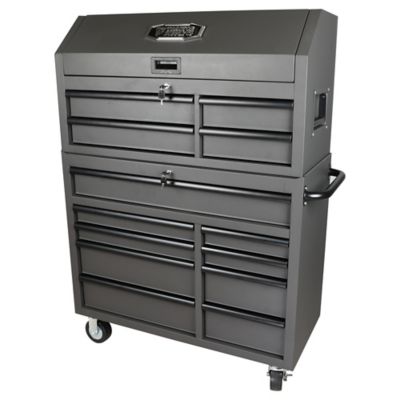
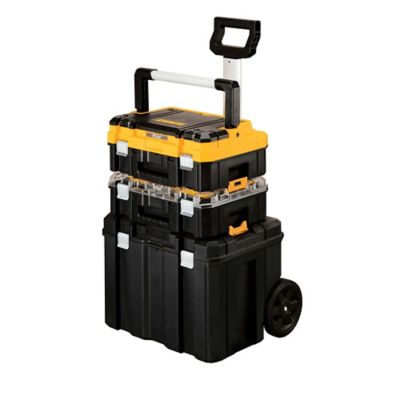
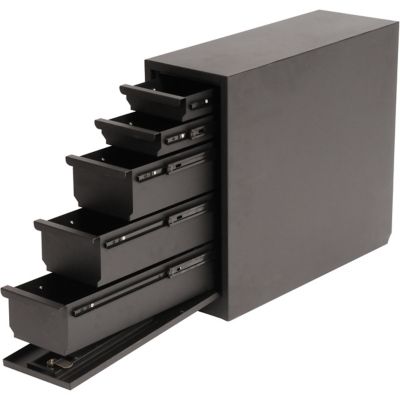
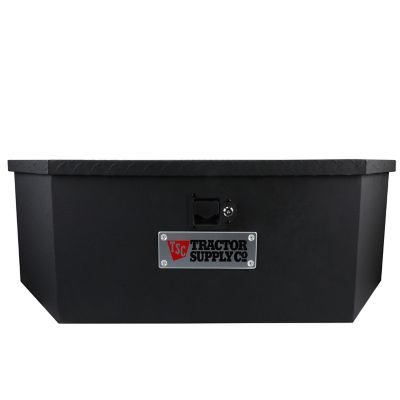
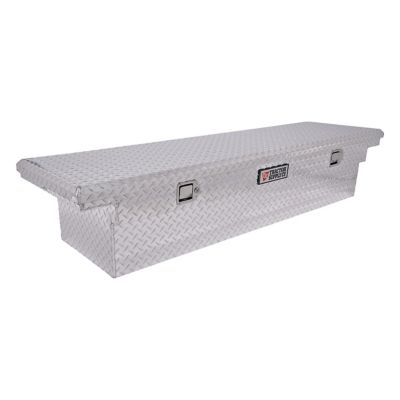
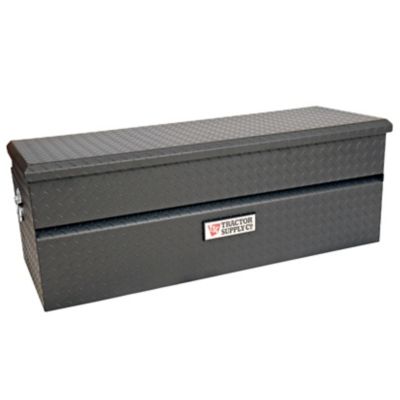
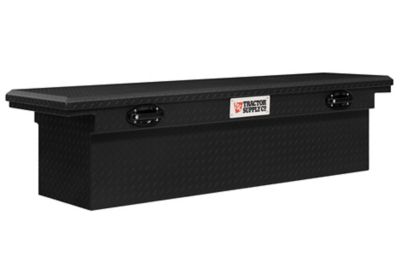
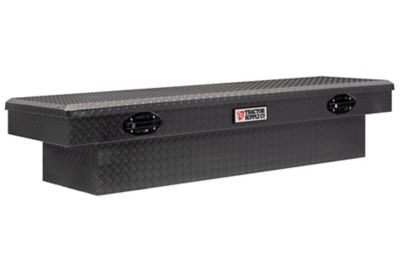
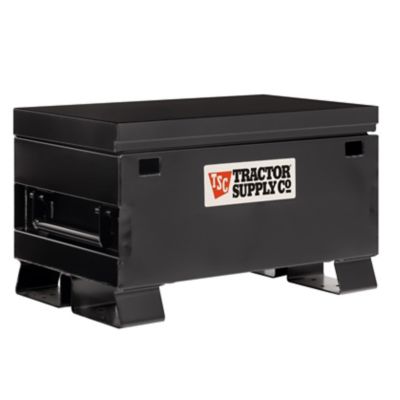
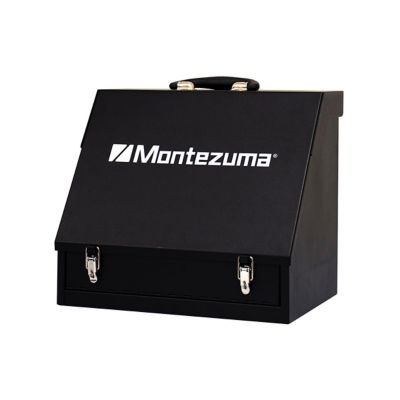
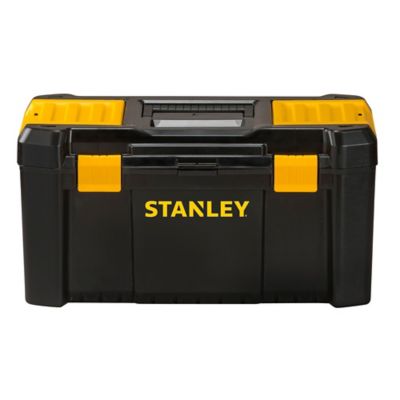
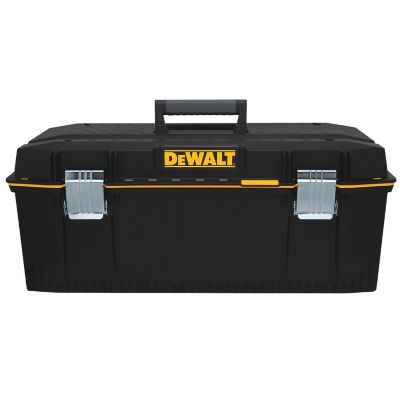
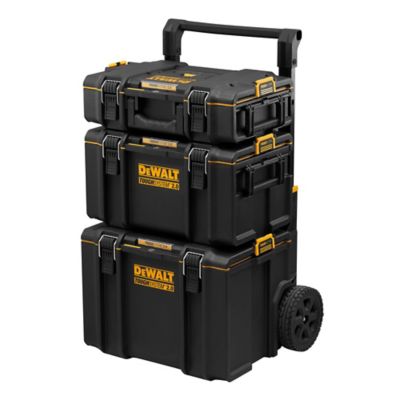
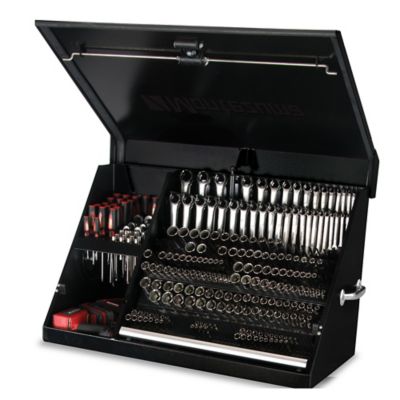
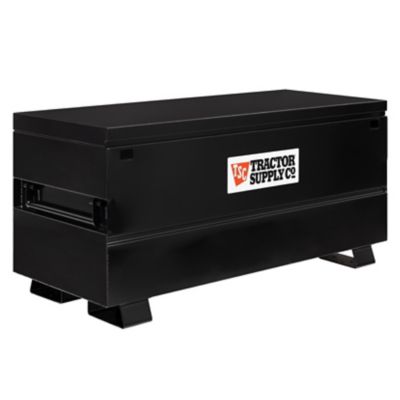
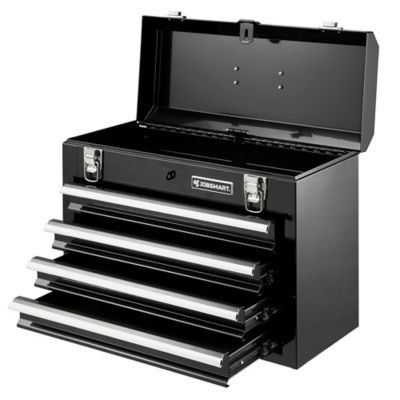
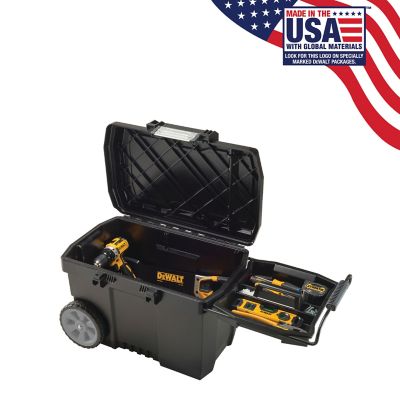
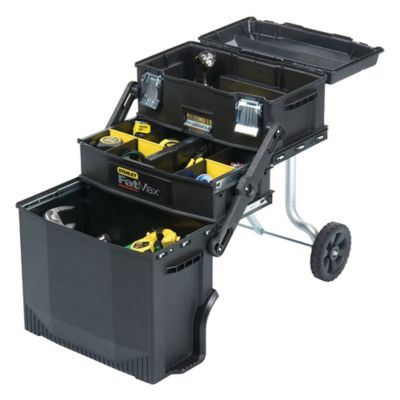
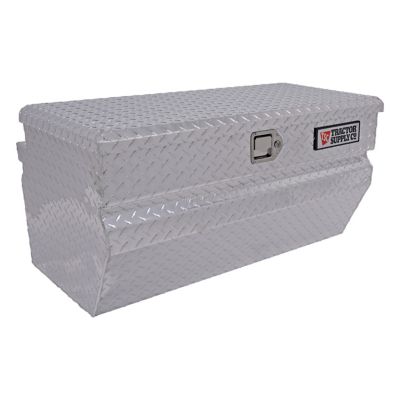
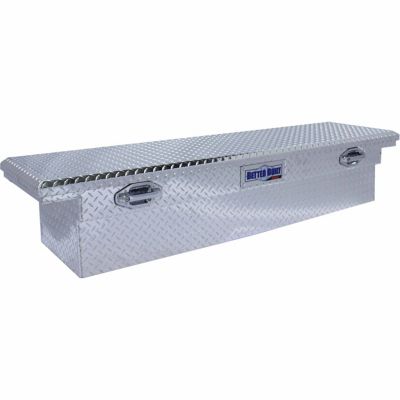
Tool boxes for hand tools keep wrenches, screwdrivers, pliers, sockets and other everyday essentials together, whether the next job is at a workbench, out by the barn or across the property. A well-matched box gives each tool a place and makes it easier to carry what a repair calls for without hauling the whole shop along. Portable designs range from compact cases for a basic repair kit to deeper boxes with room for longer tools and a larger assortment of gear. Lift-out trays keep smaller pieces near the top while leaving space underneath for hammers and bigger wrenches. Cantilever boxes open into several sections, spreading tools out so there's less digging around for the right size. Stackable designs can separate tools by task and connect compatible boxes for transport, while wheeled designs make sense when the load is too much to comfortably carry by hand. The best fit depends on both the tools inside and the places the box needs to go. A kit that rides from the garage to a fence repair has different demands than one that stays beneath a bench for occasional household fixes. Interior measurements matter more than the outside footprint alone: a long screwdriver needs enough uninterrupted space, and a tall tool may prevent a tray from sitting flat. Dividers and tray supports also take up part of the interior, so an empty box's overall dimensions don't tell the whole story. A little extra room makes additions easier, but an oversized box can invite unnecessary weight and loose tools that shift in transit. For a setup that falls between a small grab-and-go kit and a larger shop collection,
Medium Sized Tool Boxes can offer a practical balance of carrying space and manageable size. Enough room for a working assortment, with tools that are easy to spot and reach, often matters more than squeezing every last piece into one container.
Material and construction shape how a hand tool box carries, closes and stands up to everyday work. Steel boxes bring a solid feel and can handle the weight of a substantial tool collection, though the box itself adds to the load before the first wrench goes in. Aluminum can reduce that empty weight, with performance depending on panel thickness, reinforcement and overall construction. Plastic and resin designs often weigh less and don't develop rust on the box body, but hinges, handles and latches still deserve close attention. Reinforced corners, a supported handle and a lid that meets the base evenly all contribute to a box that feels steady when loaded. A broad handle opening leaves room for a comfortable grip, including when work gloves are part of the job. Secure latches help keep the lid closed during a trip from the shop to the truck, while padlock tabs or locking mechanisms can help limit access when tools need to stay put. Water resistance varies by design; a molded shell alone doesn't establish how well a box keeps moisture out. Gaskets and closely fitted lids may add protection, with any resistance claims depending on the manufacturer's specifications. For transport, a box needs a stable resting place and suitable restraint rather than a loose spot where it can slide around. Stacking systems also depend on matching connections, not just similar dimensions. Weight capacity deserves the same attention as storage space, since a box full of steel sockets can become heavy long before every compartment is filled. The manufacturer's load limit sets the boundary for the contents, and the handle and latch instructions matter when moving the box. A practical choice balances strength with the distance it will travel: carrying a full kit across a shop floor is one thing, while walking it down a long fence line is another.
Inside the box, thoughtful organization saves time on the jobs that tend to crop up around a home, farm or small workshop. Separate spaces for sockets, driver bits and small fasteners keep those pieces from settling beneath larger tools. A shallow tray can hold the pliers and screwdrivers that come out most often, while the lower compartment carries the heavier pieces. For someone who switches between equipment maintenance and household repairs, removable sections can keep each task's tools together without turning the entire box upside down. Compartments work best when their size matches the contents; tiny pockets won't help much with long wrench handles, and a broad open space won't keep a handful of loose bits sorted. A lid organizer also needs partitions that meet the lid closely enough to keep small parts in their own sections during transport. Care is straightforward but worth keeping up with. Dirt and metal filings can collect along tray corners, hinges and latch openings, so wiping out the interior helps keep those areas clear. Tools should go back clean and dry, especially when steel surfaces share a closed compartment. A damp rag left inside can trap moisture next to the tools, and a tight-fitting lid cannot solve that problem on its own. Cleaning methods vary by material and finish, making the manufacturer's care directions the right reference for soaps, solvents and lubrication. Occasional attention to loose hardware, cracked hinges or bent latches helps catch problems before a loaded box is carried. These everyday details matter to mechanics, property owners, tradespeople and anyone building a first set of hand tools. A tool box can also make a useful gift for someone setting up a garage or taking on more repairs, particularly when its layout suits the tools that person already owns. From tightening a gate hinge to keeping a bench clear between projects, organized hand tool storage helps the next job start with less searching and a kit that's ready to carry.