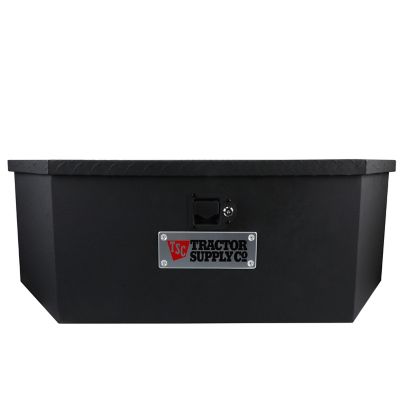
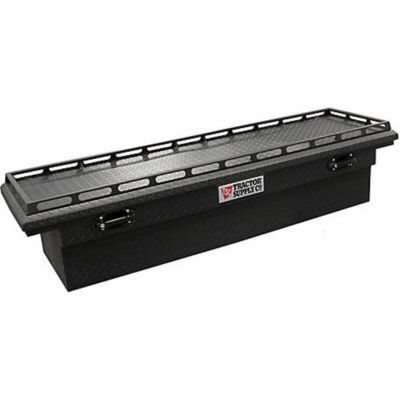
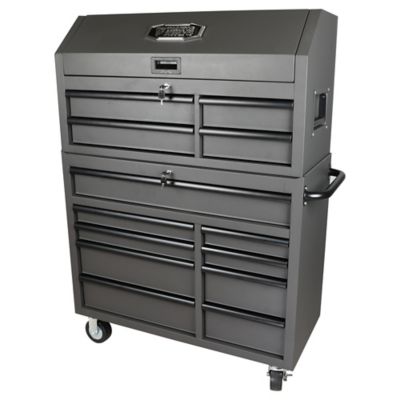
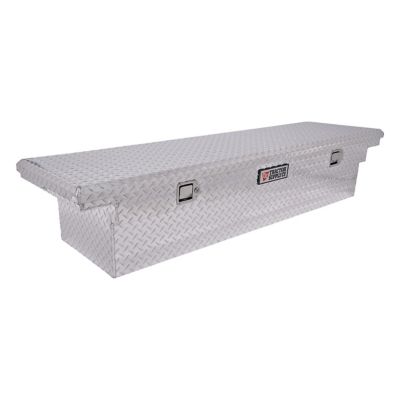
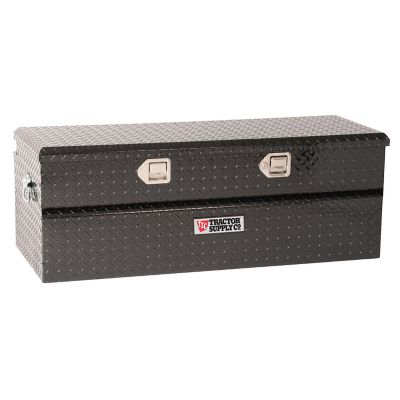
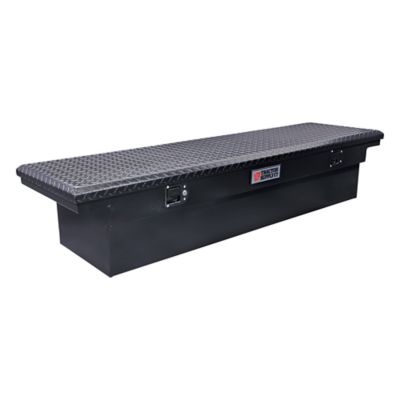
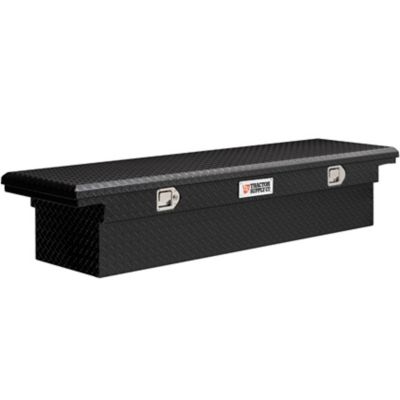
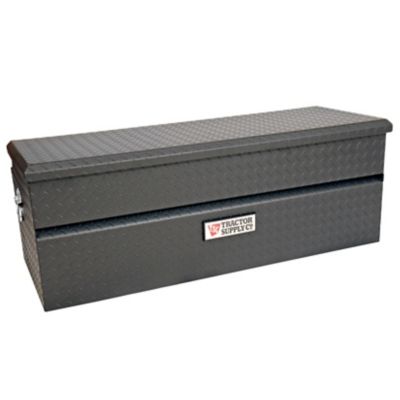
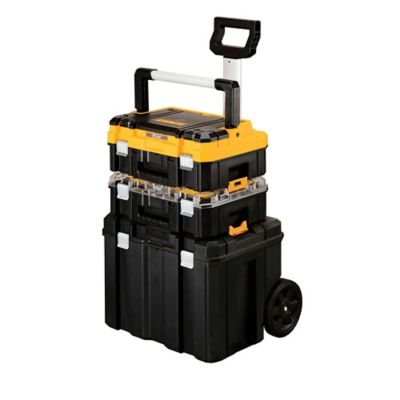
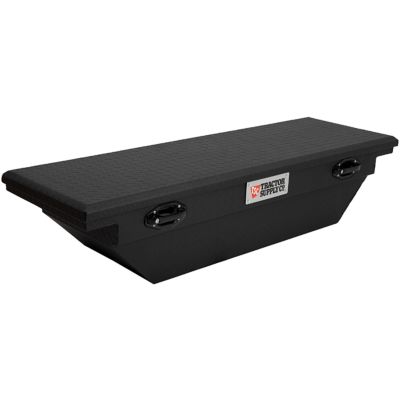
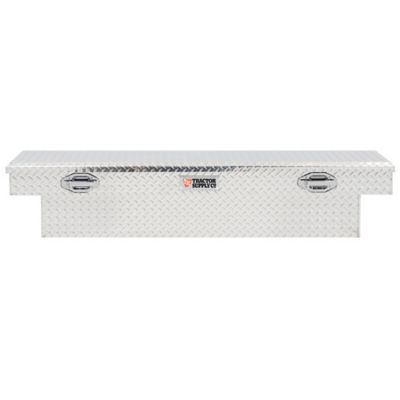
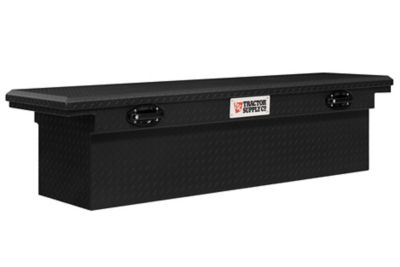
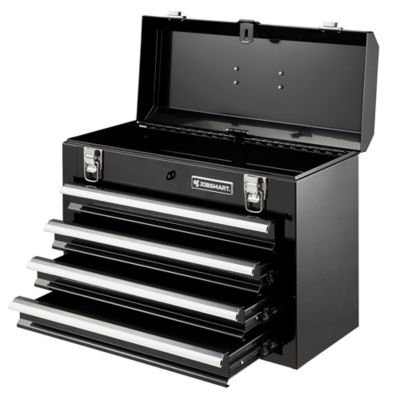
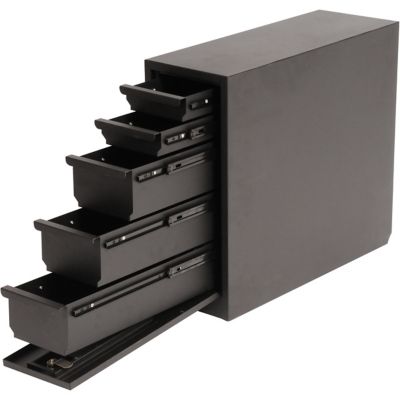
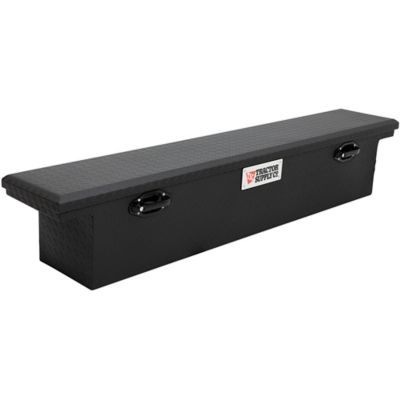
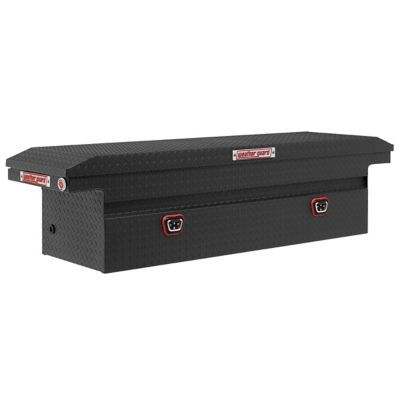
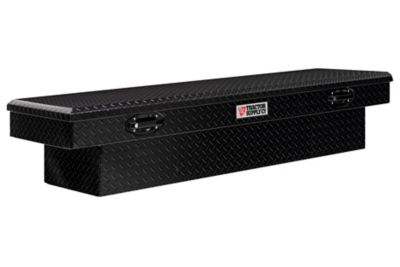
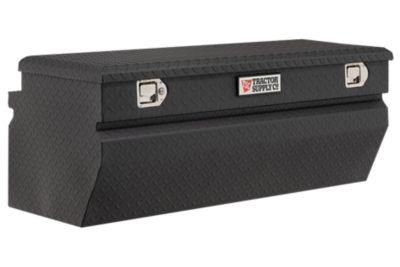
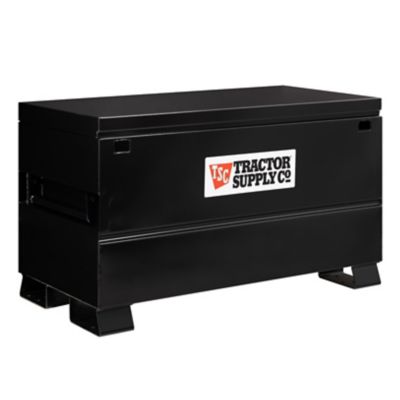
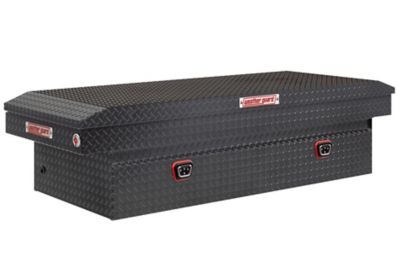
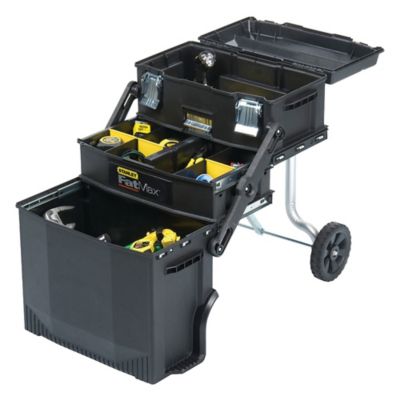
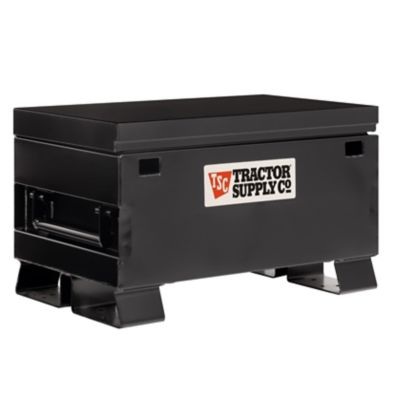
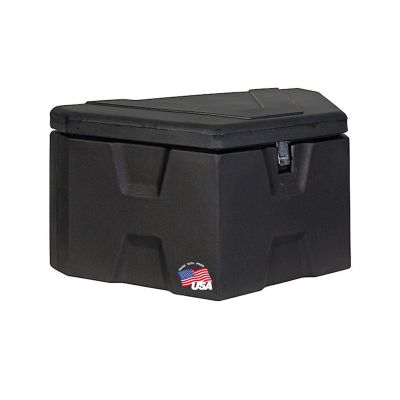
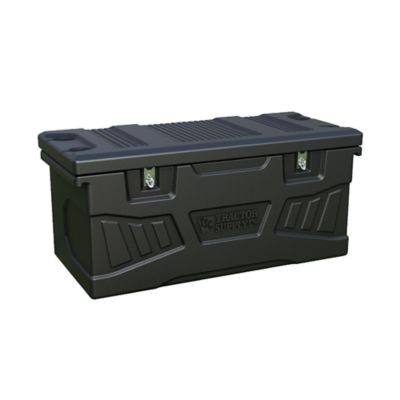
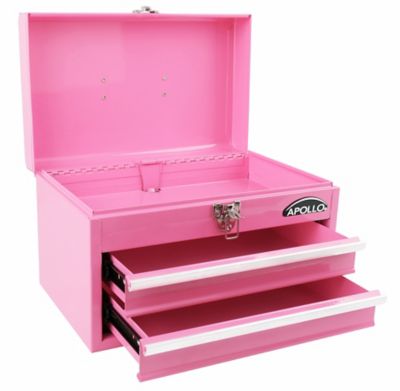
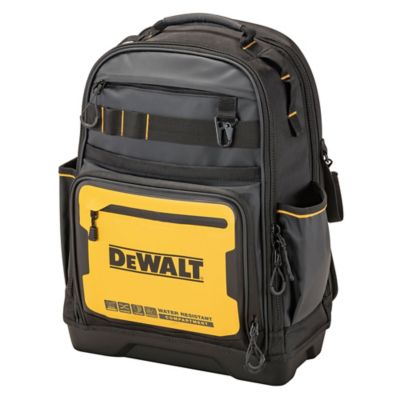
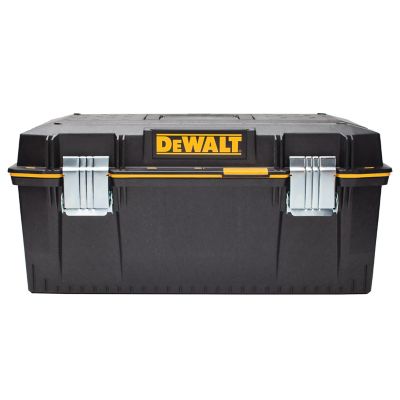
Storage toolboxes keep hand tools, power tools and small parts organized, easier to carry and protected from everyday bumps and grime. They give everything from a socket set to a handful of drill bits a place to land, whether the work happens at a shop bench, beside a tractor or out along a fence line. A portable toolbox suits tools that travel from job to job, while a larger stationary box makes sense for equipment that stays close to the workbench. Rolling boxes help move heavier loads across suitable surfaces, and stackable systems bring separate tool and parts compartments together for transport. The right arrangement depends on what goes inside, how far it needs to travel and how often each tool comes out. Materials make a difference in both handling and upkeep. Molded plastic and resin boxes can offer a lighter carry and surfaces that are easy to wipe clean, though load limits, hinges and latch construction still deserve attention. Steel adds weight but can provide a sturdy shell for busy shop work; intact finishes help protect exposed metal from corrosion. Aluminum offers another metal option with less weight than many comparable steel designs, depending on construction. No material tells the whole story. Reinforced corners, well-supported handles, solid hinges and latches that close cleanly all contribute to how a box holds up under regular work. For someone carrying pliers, a tape measure and a few wrenches to a livestock pen, a compact box may provide plenty of room without becoming a burden. A larger collection of power tools, chargers and attachments calls for more interior space and a layout that keeps heavy equipment from crowding smaller pieces. Water resistance, dust protection and security features vary by design, so those capabilities belong to the individual box rather than the material alone. A tight-looking lid is not, by itself, proof that the contents will stay dry or that the enclosure is suitable for every working environment.
A toolbox’s outside measurements describe where it can sit, but its interior dimensions determine what it can actually hold. Long-handled tools, deep sockets and bulky power tools need enough clearance for the lid to close without pressure on handles, cords or accessories. Removable trays can keep frequently reached-for tools near the top while leaving deeper storage underneath. Dividers and small compartments help separate screws, nuts, washers and fittings, cutting down on the familiar search through a mixed pile at the bottom of the box. Compartment size matters just as much as compartment count: narrow sections suit small fasteners, while larger sections leave room for attachments and measuring tools. Clear lids can make parts easier to spot, and secure compartment closures help prevent pieces from spilling into neighboring sections during transport. For a farm shop or garage with several kinds of work going on, separate boxes can keep fence repair supplies apart from mechanical tools and household hardware. Stackable toolboxes offer another way to divide the load, but connecting hardware needs to match the system, and the assembled stack must stay within its stated limits. A box that feels manageable empty can become awkward once it holds a full set of metal tools. Handle placement, comfortable grip space and balanced loading make a real difference between the bench and the job. Wheels reduce lifting on appropriate ground, though gravel, ruts, steps and narrow doorways can affect how easily a rolling box moves. Fit also includes the space around the toolbox. A shelf needs clearance for the handle, a cabinet needs room for the lid to open, and a vehicle storage area needs a way to keep the box from shifting. Where mounting is intended, suitable mounting points and the manufacturer’s directions matter. For arrangements that extend beyond a single box,
Tool Storage Solutions brings the broader storage category into view. A well-matched toolbox should leave room to reach the tools already inside, not merely enough space to squeeze them in.
Keeping tools organized is only part of a toolbox’s job; the box also needs to suit the pace and conditions of the work. In a shared shop, labeled compartments and a consistent layout make it easier to return tools to their proper spots and notice when something is missing. At a home workbench, shallow trays can keep everyday tools within reach while deeper sections hold equipment brought out for bigger repairs. On a property with several work areas, a grab-and-go box stocked for routine tasks can save repeated trips back to the shed. Lockable lids and drawers add a way to control access, although a lock is not a guarantee against theft. For rolling storage, wheel brakes and a stable base matter when the box is parked beside a work area, and heavier tools generally belong low in the unit to help maintain balance. Drawers should move smoothly under their intended load, with enough room for tools to lie flat rather than bunch up around the slides. Care is straightforward but worth keeping up with. Dirt and metal shavings can collect around hinges, latches, drawer tracks and seals, so clearing that buildup helps moving parts work as intended. Tools should be clean and dry before storage, and spills should be wiped away with a cleaner suitable for the box’s material and finish. Harsh solvents can harm some plastics, coatings and seals. Scratched metal finishes, loose fasteners and cracked handles deserve attention before the next heavy load, with repairs or replacement parts handled according to the manufacturer’s instructions. Batteries, chargers and other powered equipment also need storage that follows their own safety directions; a closed toolbox does not replace those requirements. A toolbox can make a practical gift for a mechanic, a property owner or someone setting up a first workbench, especially when its size and layout match the tools they already carry. From a small repair kit to a substantial shop collection, useful storage comes down to accessible compartments, manageable weight and construction suited to the work ahead.