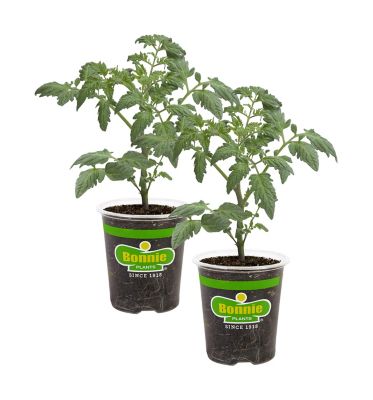
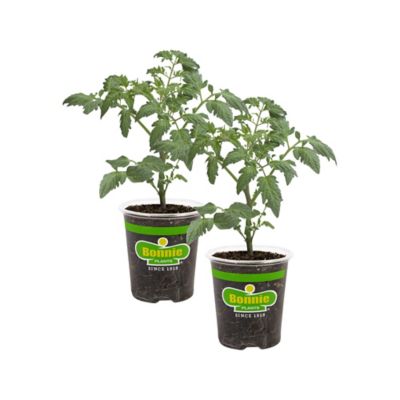
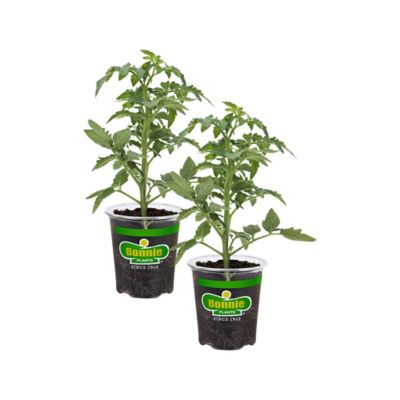
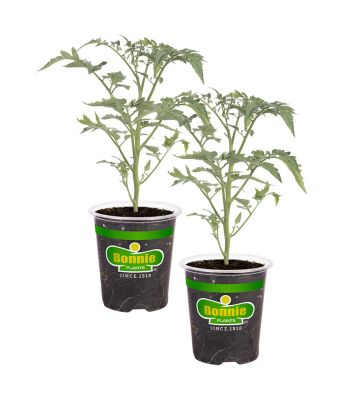
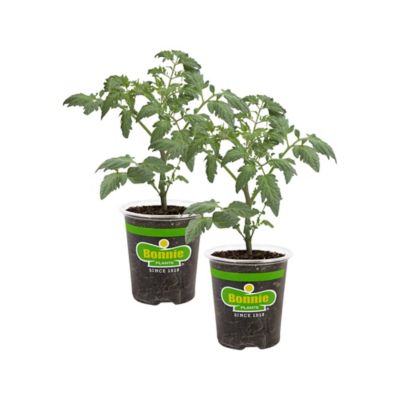
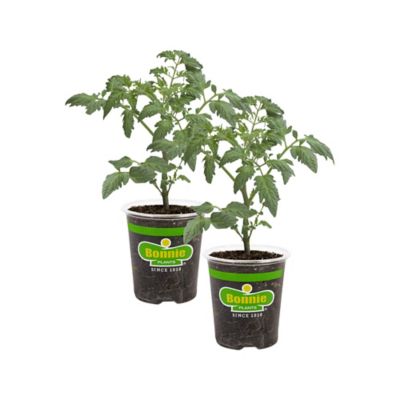
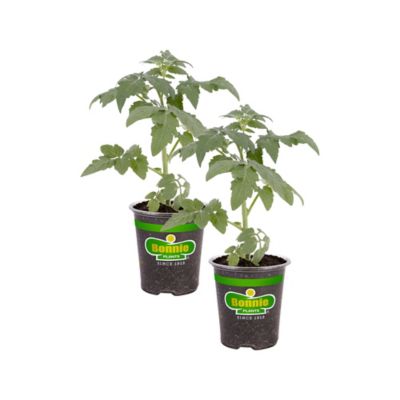
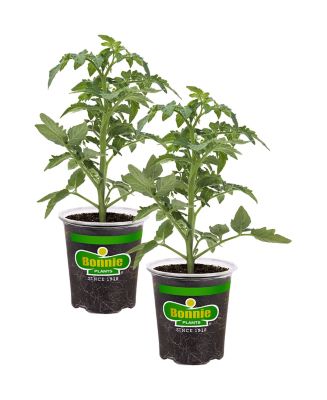
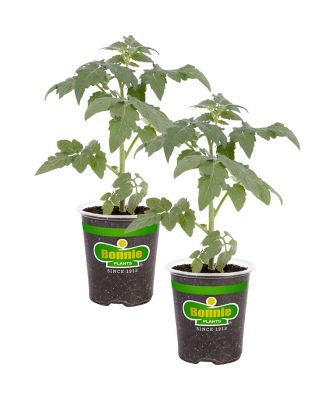
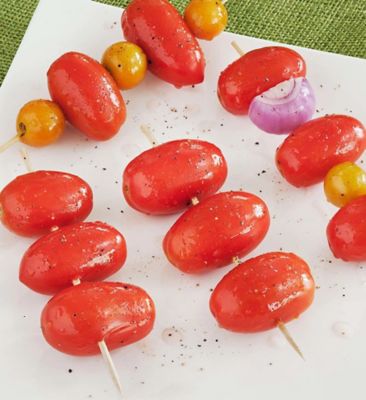
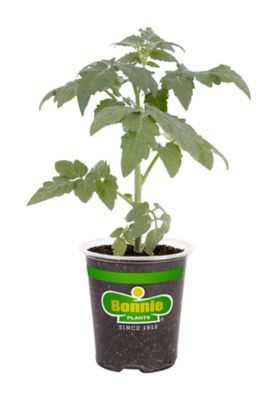
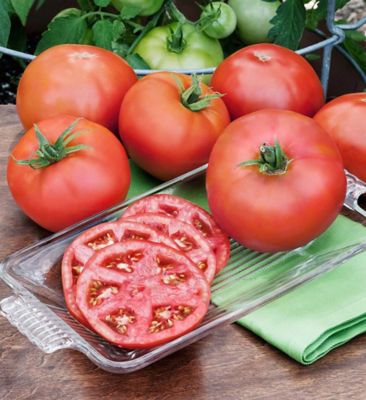
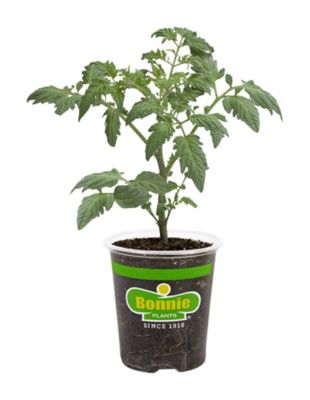
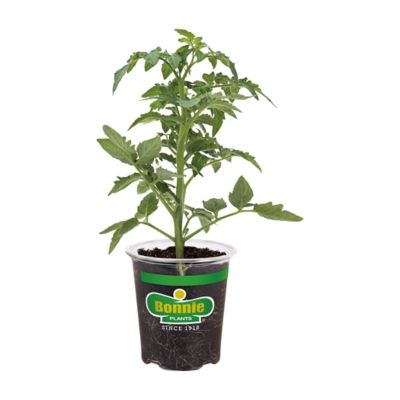
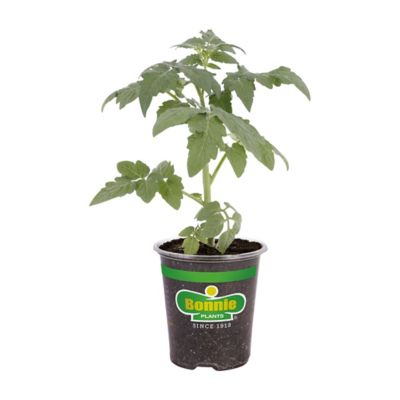
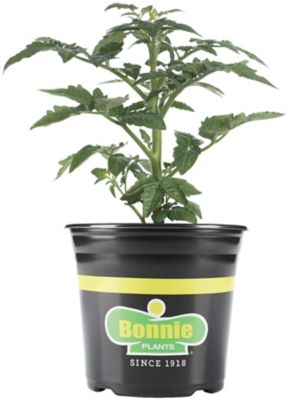
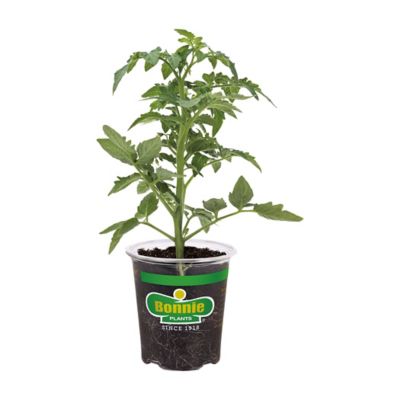
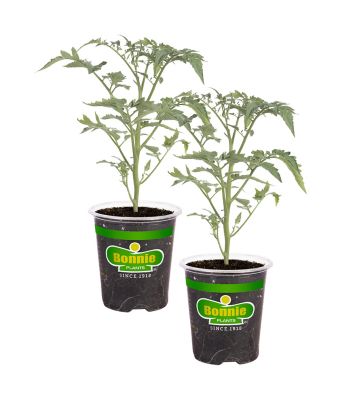
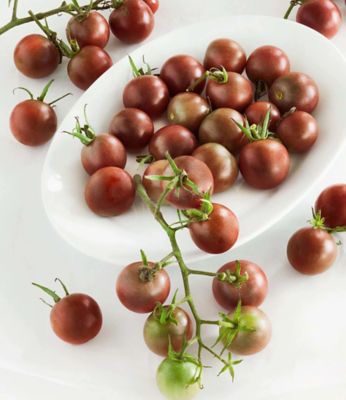
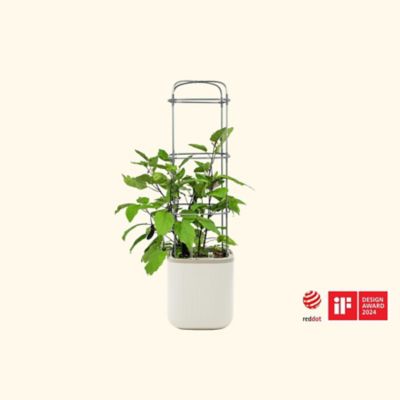
Tomato plants for full sun need at least six hours of direct sunlight each day, with eight hours or more generally supporting strong growth and good fruit production. Full sun means direct light reaching the leaves, not simply a bright spot beneath a tree or beside a shaded porch. A sunny vegetable patch, an open raised bed, or a roomy container along a south-facing fence can all suit tomatoes when the roots have enough space and excess water can drain away. Morning sunlight is especially helpful because it dries dew from foliage, reducing the time leaves stay damp. The best fit depends on both the planting space and what ends up on the kitchen counter. Slicing tomatoes bring thick rounds to sandwiches and burgers, cherry and grape types offer bite-size fruit for snacking and salads, and paste types have the meaty flesh that works well for sauces. Fruit size does not tell the whole story about plant size, though; a cherry tomato can grow into a sprawling vine unless its growth habit is naturally compact. Determinate tomato plants tend to stay bushier and set much of their crop over a shorter stretch, making them a practical choice where space or harvesting time is limited. Indeterminate plants keep extending their vines and forming flowers while conditions remain favorable, so they generally need more room and taller support. Mature height, spread, and days to maturity help distinguish a plant suited to a back-step pot from one that belongs beside a sturdy garden trellis. Days to maturity for tomato transplants are generally counted from transplanting, although the starting point can vary by label. For smaller spaces,
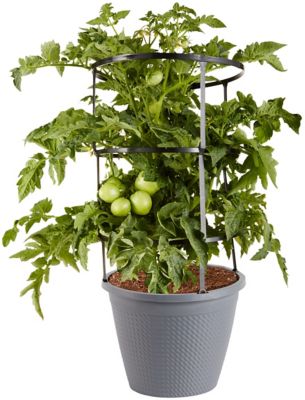
Patio Cherry Tomato Plants are a natural match for sunny decks, porches, and container gardens. A compact habit can make fruit easier to reach without giving up the pleasure of picking a handful for supper.
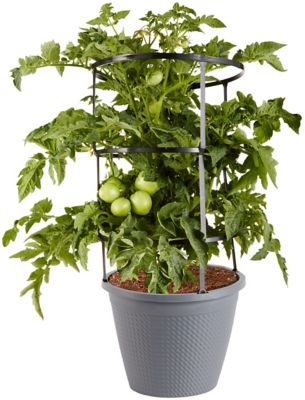
A tomato plant’s roots need as much consideration as its branches. Loose, well-drained soil with added compost gives roots room to spread while holding enough moisture between waterings. Tomatoes generally grow best in slightly acidic soil, around a pH of 6.0 to 6.8, and a soil test can help identify nutrient needs before fertilizer goes into the bed. In containers, potting mix made for container growing allows better drainage and airflow than heavy garden soil alone. Drainage holes are essential, and the container should match the plant’s mature size rather than the size of its nursery pot. Many compact tomato plants can grow in containers holding at least five gallons, while larger plants benefit from considerably more root space, often ten to twenty gallons or more. Pot material affects everyday care, too: unglazed clay loses moisture faster than plastic, and fabric containers allow airflow but may need closer attention to watering. Enough room between plants lets leaves dry and makes it easier to reach ripe fruit without stepping through tangled vines. Crowding extra plants into a narrow bed can leave every plant competing for light, water, and nutrients. Support matters even for many bushy types, since a branch carrying several tomatoes can become surprisingly heavy. Steel cages, wooden stakes, and trellises serve different growth habits; the important match is between the support’s height and strength and the plant’s eventual size. Soft plant ties hold stems without cutting into them as they thicken. For a family garden, that combination of reachable fruit, manageable spacing, and steady support makes tending the patch less of a wrestling match. Compact plants also suit gardeners who prefer caring for a pot beside the porch, while larger vining types make sense for someone with room to train branches upward. Either way, upright stems, healthy foliage, and a growth habit that fits the planting area matter more than a transplant already carrying a few tomatoes.
Full sun supports tomato growth, but intense heat can still interrupt fruit production. Many tomato plants have trouble setting fruit when daytime temperatures stay above roughly 90°F, especially when nights remain warm, because heat can interfere with pollen function. Heat-tolerant types may perform better under those conditions, though no tomato is completely unaffected by prolonged extremes. Light afternoon shade or a shade cloth that filters part of the sunlight can help reduce stress in especially hot locations without turning the planting area into deep shade. Fruit can also develop sunscald when suddenly exposed to harsh light, so healthy leaf cover serves a purpose beyond feeding the plant. Plants raised indoors or under sheltered conditions need gradual exposure to outdoor sun and wind before moving into a fully exposed spot. Tomatoes are frost-sensitive, and transplants establish better in warm soil than in cold ground. Once planted, consistent moisture helps support steady growth and reduces the swings that contribute to split fruit and blossom-end rot. Deep watering at soil level moistens the root area without repeatedly soaking the leaves; container plants may need more frequent checks because their smaller soil volume dries faster. The surface can become slightly dry between waterings, but the root zone should not swing from soggy to bone-dry. A layer of clean straw or other suitable mulch helps slow moisture loss, moderate soil temperature, and limit soil splashing onto lower leaves. Keeping mulch a little away from the stem leaves that area open rather than constantly damp. Fertilizer needs depend on the soil or potting mix, and too much nitrogen can encourage leafy growth at the expense of fruit. For anyone growing tomatoes for lunchbox snacks, sandwich slices, or a pot of sauce, the most useful plant is one whose size, harvest pattern, and care needs fit the space. With that match in place, a sunny corner can earn its keep with fruit worth carrying straight to the kitchen.