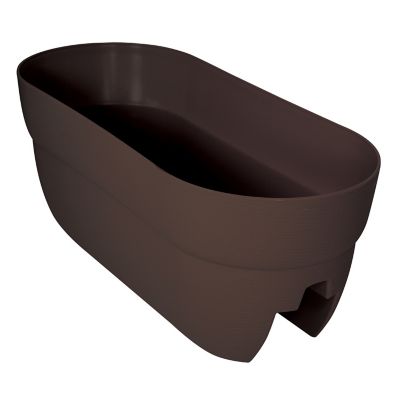
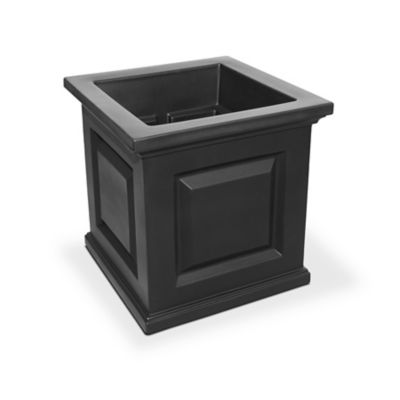
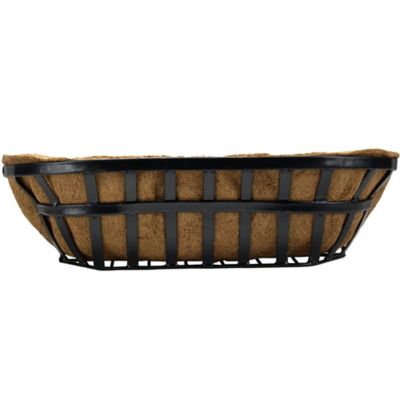
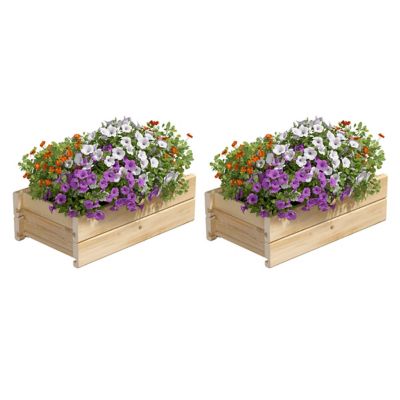
Tomato planter boxes make it easier to grow a productive crop when a traditional garden plot is out of reach or already spoken for. A sunny patio, porch, balcony, deck, or small patch beside the shed can become a handy growing space with the right container. These planters are especially useful for gardeners working with heavy clay, poor soil, limited yard space, or soil that has been used season after season. They also give you more control over the growing environment, from the soil mix and drainage to the amount of water reaching the roots. As the weather warms, set the box in a spot that receives at least 6 to 8 hours of direct sunlight each day. Tomatoes are sun-loving plants, and a location with good light will support stronger stems, better flowering, and a fuller harvest. Keep in mind that a planter filled with damp soil can be surprisingly heavy, so place it on a sturdy, level surface before adding soil. For raised patios, balconies, and decks, check weight limits and protect the surface from standing water. Tomato planter boxes can also be a thoughtful gift for a new homeowner, apartment gardener, grandparent, or anyone who enjoys picking fresh produce close to the kitchen. Paired with seeds, a hand trowel, garden gloves, or a watering can, a container garden setup makes a useful present for birthdays, housewarmings, and other occasions without requiring a large piece of land.
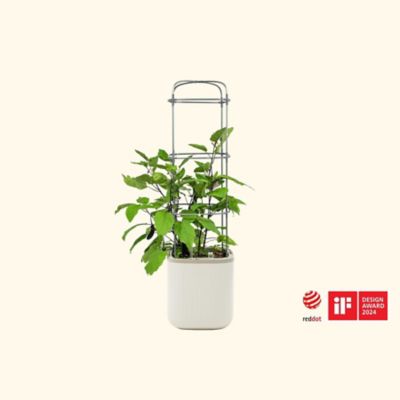
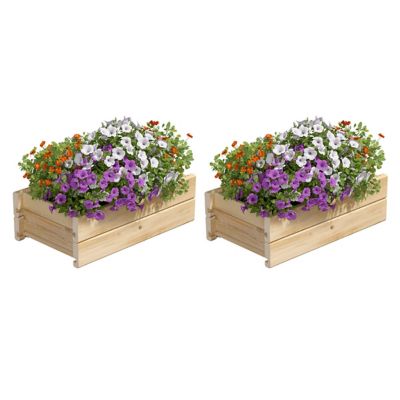
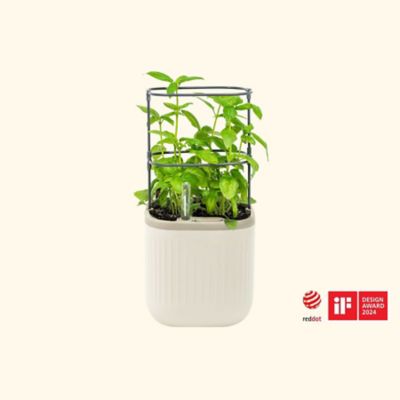
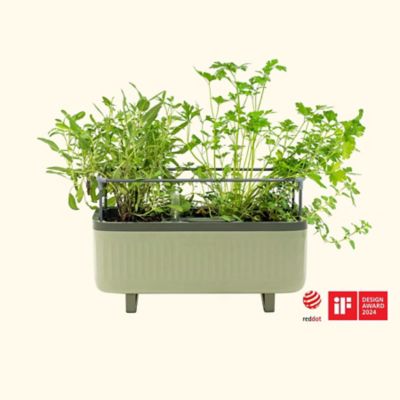
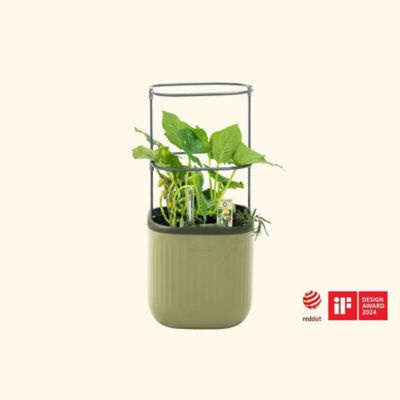
When comparing tomato planter boxes, start with the growing space. Tomatoes need room for a healthy root system, so look for a container at least 12 to 18 inches deep and roughly 18 to 24 inches wide, with enough volume for the variety you plan to grow. Larger boxes may hold more soil and stay steadier in windy weather, but bigger is not always better if the planter will be moved or used on a small porch. A good rule is to limit a large tomato planter box to one or two plants, depending on the mature size and whether the plants are compact patio types or vigorous indeterminate vines. Overcrowding leads to competition for moisture, nutrients, and sunlight, and it can make leaves stay damp longer after watering. Built-in cages, trellises, or other supports are valuable features because tomato branches become heavy once fruit begins to form. Put the support in place before planting or while the roots are still small; pushing stakes or cages into a mature root ball can cause avoidable damage. A sturdy support also keeps fruit off the ground, improves air movement, and makes harvesting easier when the vines are loaded. Self-watering designs with a bottom reservoir can help maintain more even moisture, especially for gardeners who are away during the day or who tend to forget a watering routine. A water-level gauge is a helpful feature, but a reservoir still needs checking and cleaning from time to time. Drainage matters just as much as water storage. Look for openings that allow excess water to escape, and avoid placing containers where runoff collects. During the cooler months, a box with durable construction and a finish suited for outdoor use can remain useful for herbs, greens, flowers, or other container plants after the tomato season winds down. Gardeners who like a natural, warm look may also enjoy browsing
Wooden Planters for additional ways to organize a patio or yard growing area.
The soil inside a tomato planter box has a big effect on plant health, so skip dense garden soil that can pack down and hold too much water in a container. Use a light, fast-draining potting mix, often blended with materials such as peat, coco coir, perlite, or vermiculite to help balance moisture and airflow around the roots. Follow the soil and fertilizer label directions, and consider mixing in a slow-release fertilizer at planting time if the product is made for vegetables. Once plants are established, a balanced liquid feed every 2 to 3 weeks can help support continued growth, flowering, and fruit production, though heavy feeding is not a substitute for good sunlight and consistent watering. Check the soil with your finger and water when the upper layer begins to dry, soaking thoroughly until a little water drains from the bottom. Try to water at the soil line instead of splashing the leaves, and keep the schedule steady through hot, dry stretches. Uneven moisture can contribute to blossom end rot, a common condition that leaves dark, sunken spots on the bottom of developing fruit. Self-watering reservoirs can reduce swings between dry and soaked soil, but they work best when paired with regular checks. Watch for yellowing leaves, curled foliage, chewed spots, and pale or misshapen fruit, since these signs can point to watering stress, pests, or nutrient problems. During late summer, sturdy supports and regular harvesting help keep plants producing, while removing damaged leaves and ripe fruit can improve airflow around the remaining crop. As temperatures cool in fall, move portable planters to a more protected location when practical, especially if strong winds or an early frost is expected. Tomato planter boxes suit first-time growers and seasoned gardeners alike because they bring the work—and the reward—closer to home: the smell of warm leaves in the afternoon, a ripe tomato picked beside the back door, and a productive little garden that fits neatly into everyday life.