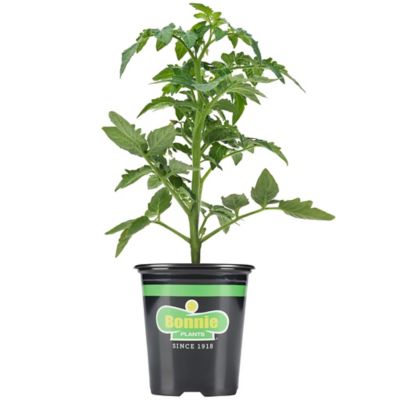
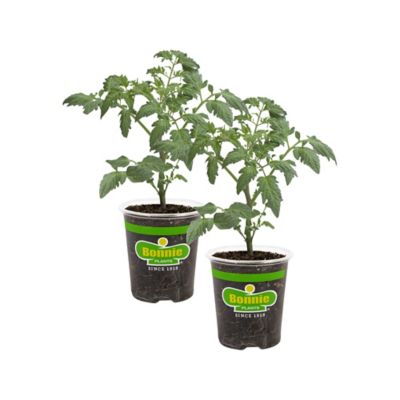
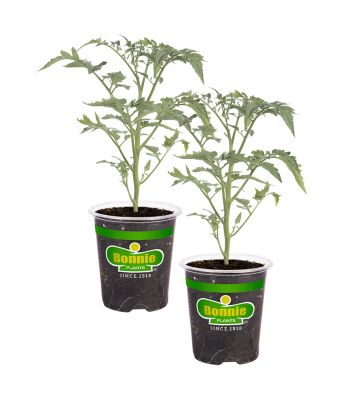
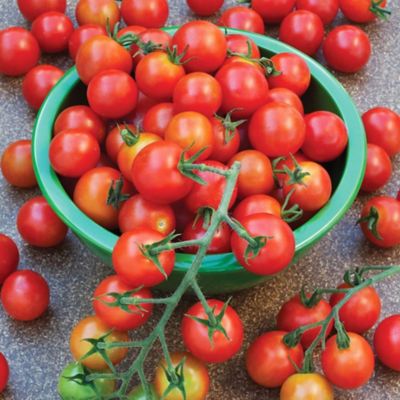
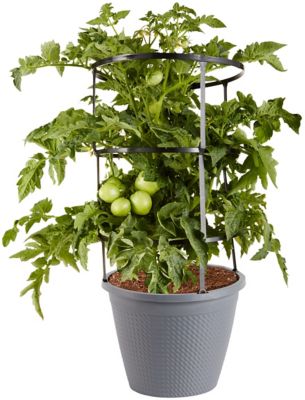
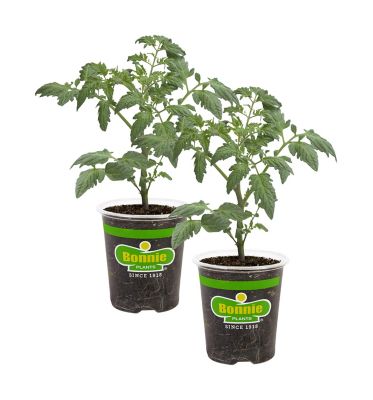
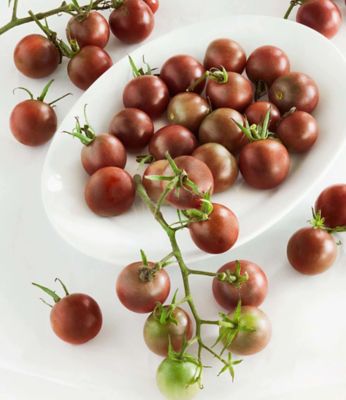
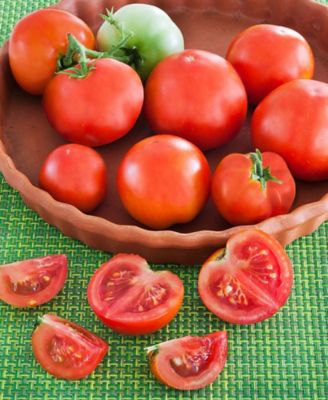
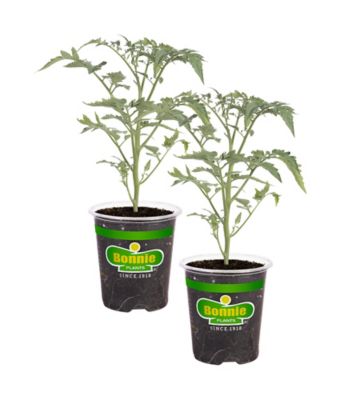
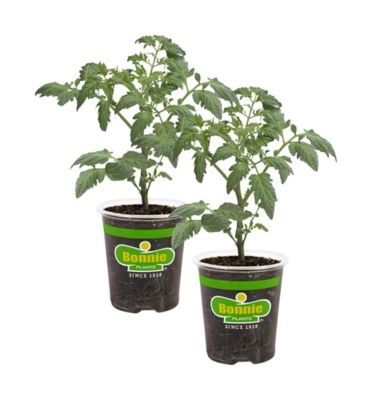
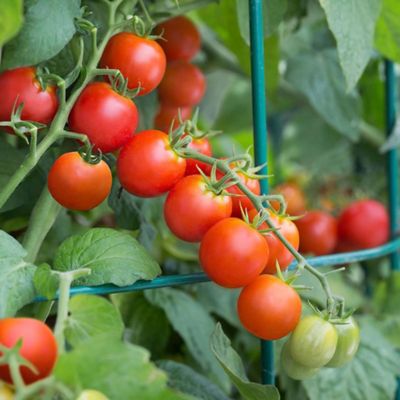
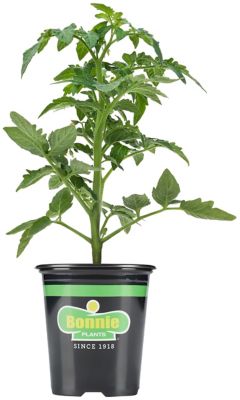
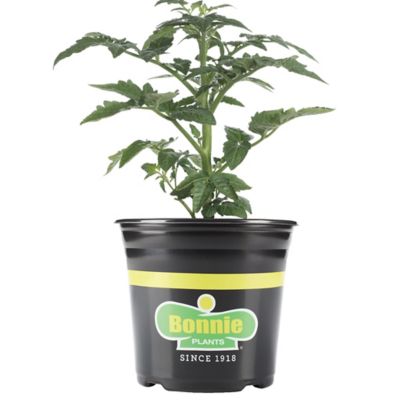
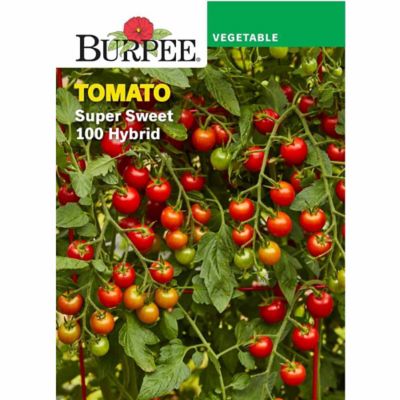
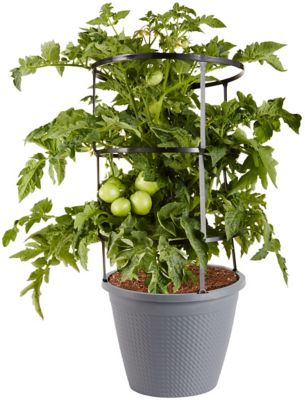
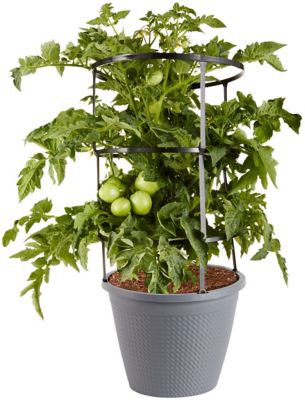
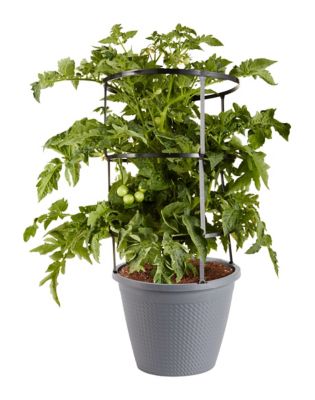
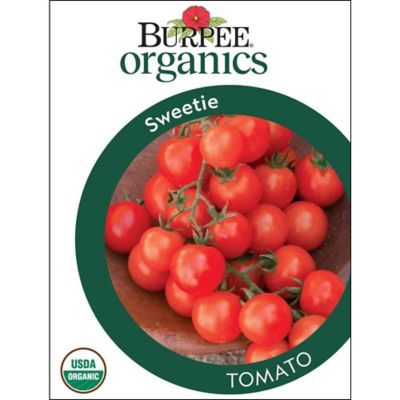
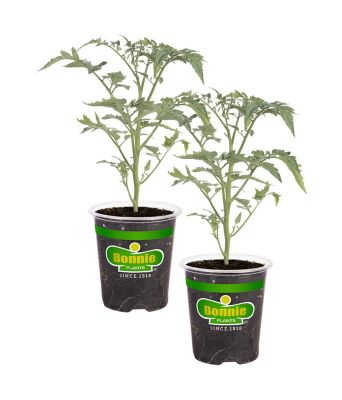
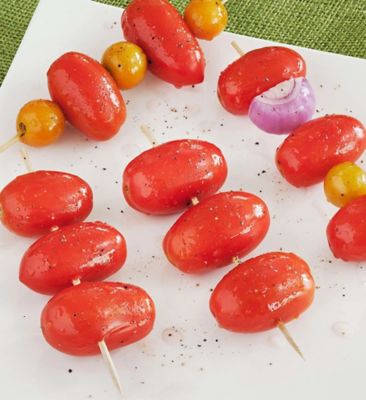
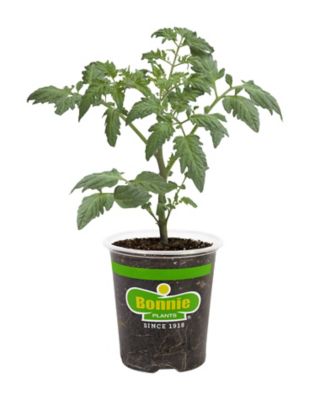
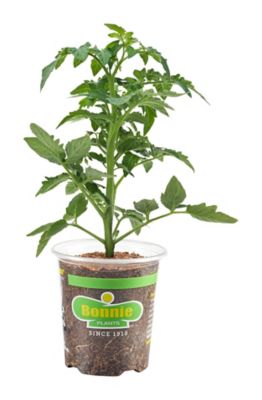
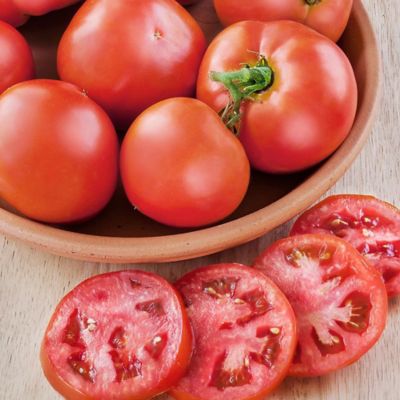
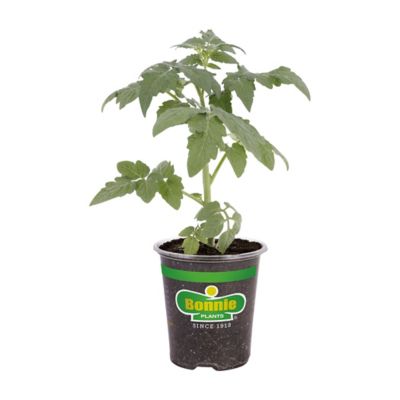
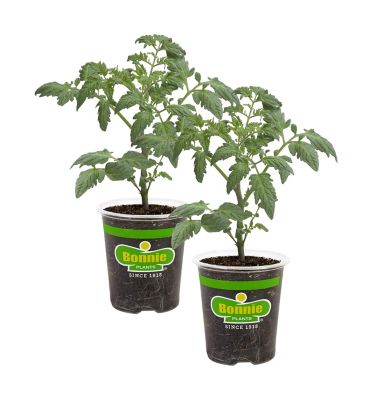
Patio cherry tomato plants are a handy choice for gardeners who want homegrown flavor without giving up a big stretch of yard. Compact bush, dwarf, and container-friendly types can grow in pots, raised planters, hanging baskets, and other small spaces, making them a natural fit for patios, porches, balconies, and sunny decks. Their small, sweet fruit is easy to pick by the handful, whether it is tossed into a salad, tucked into a lunch pail, added to a skillet, or enjoyed warm from the vine while doing chores outside. Many patio-friendly plants stay relatively short, while others grow taller and benefit from a small cage or stake once clusters of fruit begin to form. When comparing patio cherry tomato plants, consider the mature height and spread, the expected days to harvest, whether the plant has a bush or vining habit, and how much room you have for a container and support. A compact plant is a smart match for a narrow apartment balcony or a crowded back step, while a more vigorous type may be better suited to a roomy patio where a cage can stand without getting in the way. Look for healthy green growth, sturdy stems, and a well-developed root system when selecting plants. Avoid plants that look wilted, badly crowded, or damaged, since a strong start makes it easier to settle them into their new growing space.
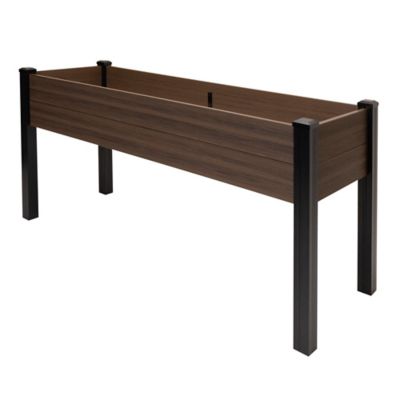
A container holding at least 5 gallons gives a patio cherry tomato plant room for roots, though a larger container around 10 gallons can help hold moisture more evenly and provide extra stability as the plant fills with fruit. Choose a pot with drainage holes, then use quality potting soil rather than dense garden soil that can become hard and poorly drained in a container. Set the plant where it can receive roughly 6 to 8 hours of direct sunlight each day; a south- or west-facing patio often works well when nearby buildings, fences, or tree branches do not cast long shadows. Containers can dry out faster than garden beds, especially when warm air and steady breezes move across an exposed porch, so check the top inch of soil regularly and water deeply when it feels dry. Water at the soil line when possible, allowing excess moisture to drain away, and keep an eye on the leaves for signs of stress. A layer of mulch over the soil can slow moisture loss, but leave a little space around the stem. As fruit sets, a light, balanced vegetable fertilizer used according to its label can help support continued growth. Small cages, stakes, or trellises keep stems from sprawling across walkways and help carry the weight of heavy fruit clusters. During cooler months, plants may slow down or finish producing depending on local conditions. In areas with a short growing season, patio containers are also convenient because they can be moved to a more protected spot when temperatures dip, though tomatoes need plenty of light and should not be left in a place that stays cold or damp.
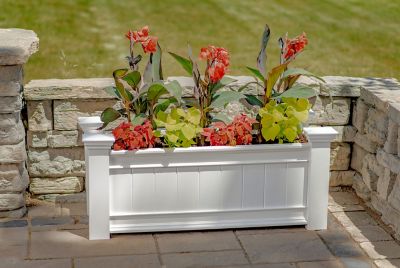
Patio cherry tomato plants are useful for first-time gardeners, families who want an easy crop for children to watch, and experienced growers who enjoy keeping fresh produce close to the kitchen door. They can also make a thoughtful gift for someone settling into a new home, tending a first balcony garden, or looking for a practical present that keeps giving through the growing season. Pairing a plant with a sturdy container, potting mix, a small support cage, gardening gloves, or a simple watering can creates a useful setup without requiring a large garden plot. For gardeners who want to make a patio feel more private as well as productive, tomatoes can be arranged with other container-friendly greenery; browse
Plants for Patio Privacy for ideas that add living texture around a seating area. Keep containers where ripe fruit is easy to reach, and harvest cherry tomatoes when they have developed full color and come away with a gentle tug. Regular picking encourages many plants to keep producing, while gathering fruit into a bowl by the back door makes it simple to add a fresh bite to meals. Even when outdoor growing winds down during the cooler months, a patio tomato plant can be part of a larger gardening routine, offering a useful way to plan next season’s containers, make note of the sunniest spots, and choose the right size and support for another round of sweet, homegrown fruit.