Disease Resistant Tomato Plants
Shop disease resistant tomato plants to help manage disease challenges in your garden. As you browse, check each variety’s listed resistance traits against the tomato diseases common in your area, and compare growing requirements to find a fit for your space. Disease resistance doesn’t mean immunity, so good airflow, proper watering and crop rotation still matter.
Best Of FAQ
What do the letters on disease-resistant tomato plant tags mean?
Plant tags may include letters such as V for Verticillium wilt, F for Fusarium wilt and N for root-knot nematodes. These codes refer to disease or pest resistance traits listed by the grower. Check the tag’s key, since labeling can vary.
When should I plant disease-resistant tomatoes outdoors?
Wait until your area’s last spring frost has passed, nighttime temperatures stay above 50°F and the soil has warmed to at least 60°F. Ease indoor-grown plants into outdoor conditions over about a week before planting them in the garden.
How much sunlight do disease-resistant tomato plants need?
Pick a spot that gets at least six to eight hours of direct sunlight each day. Check how shadows from trees, sheds and fences move across your garden before choosing your planting spot.
What kind of soil do tomato plants prefer?
Tomatoes prefer well-drained soil with plenty of organic matter and a pH around 6.0 to 6.8. Work finished compost into the bed before planting, and use a soil test to guide any adjustments.
How should I water disease-resistant tomato plants?
Water the soil around the base of each plant, soaking the root zone rather than giving it a quick sprinkle. Check soil moisture regularly and adjust your routine for rain, heat and soil conditions. Aim for evenly moist soil without leaving it soggy.
Best Sellers
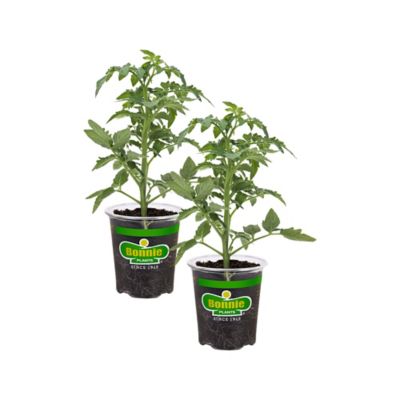
-
"What a great yeild and taste! I went on vacation for a week and had a friend water my garden"
-
"never ordered a plant this big so was alittle nervous but I planted it after a few days and it's doing great"
-
"Absolutely the best patio tomatoes I’ve ever grown Amazing plants and they produce abundance supply all"
-
"Purchased two of them and best thing I love is the self-watering feature and my tomatoes are thriving"
-
"Cage is great. I used it as a fence for my mastiff around my garden, and works perfectly"