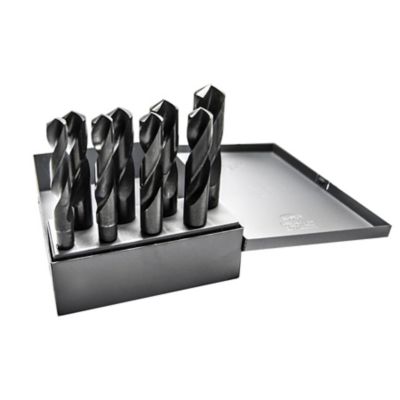
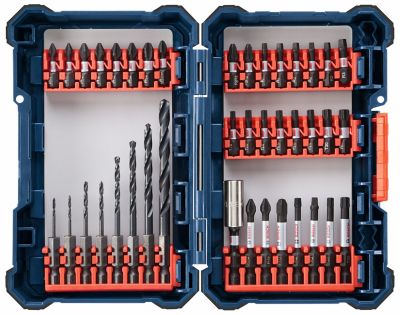
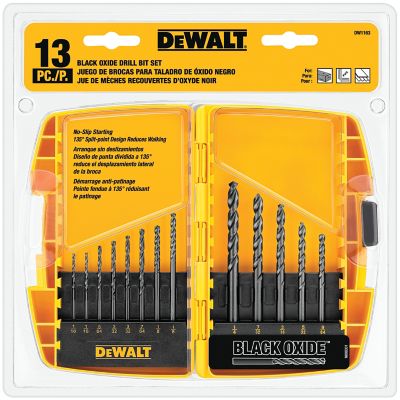
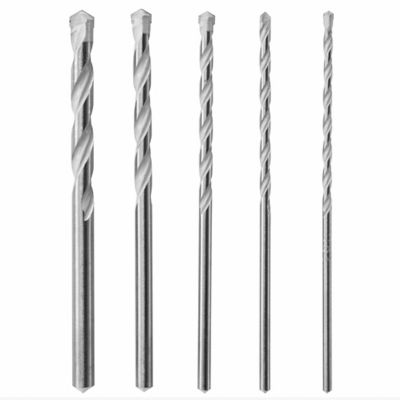
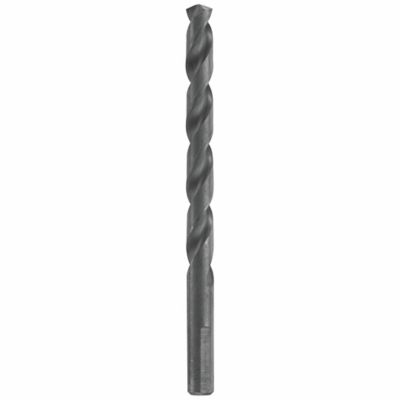
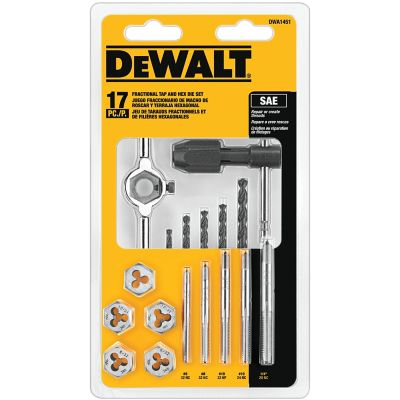
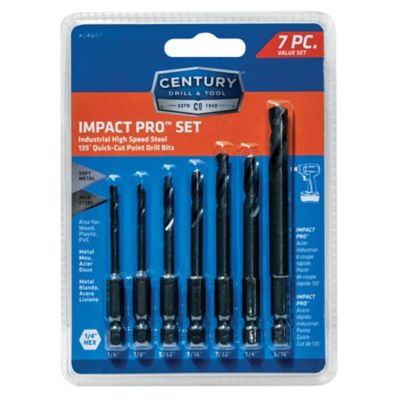
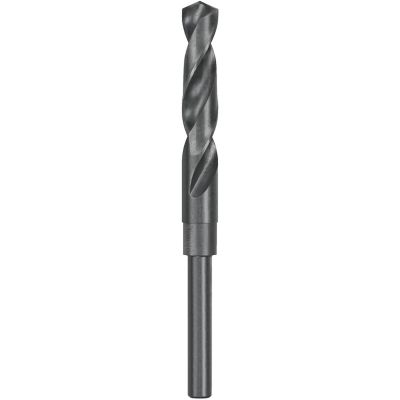
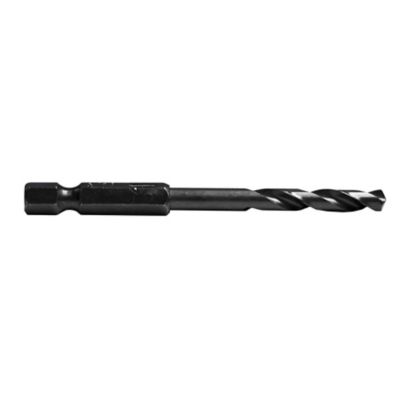
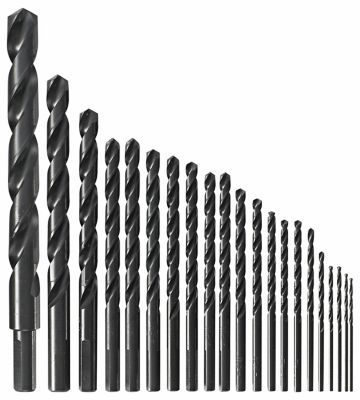
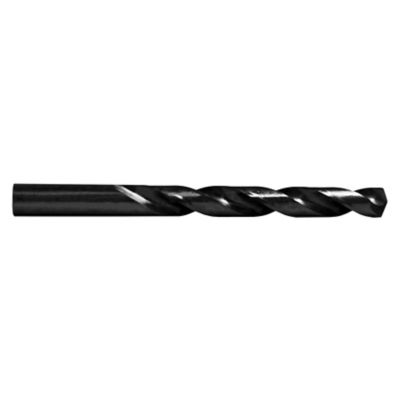
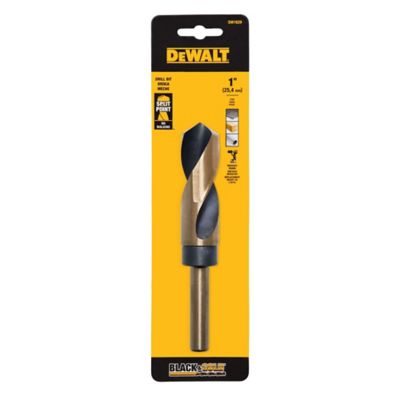
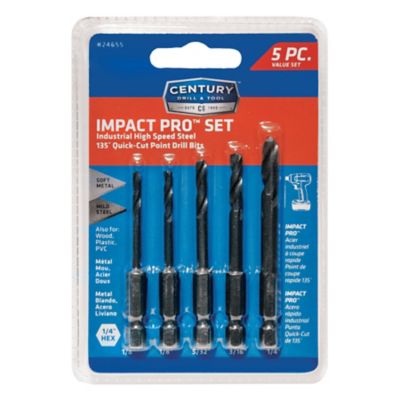
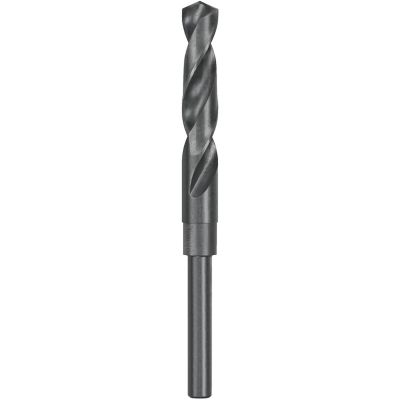
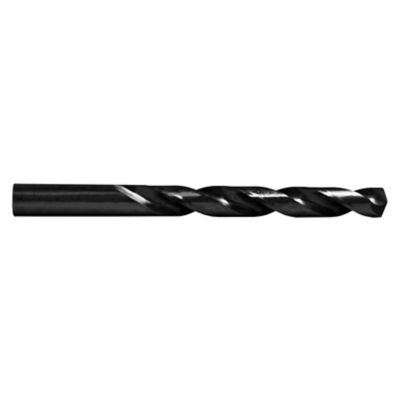
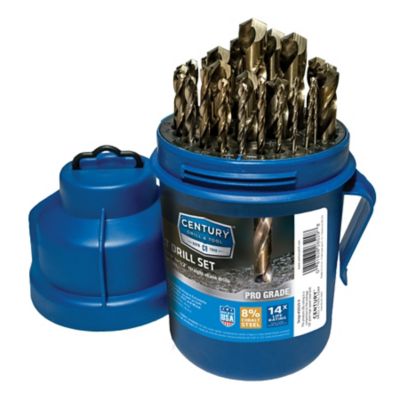
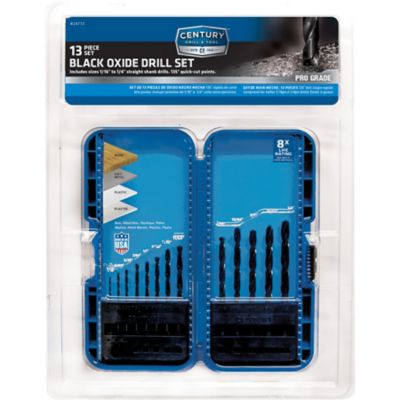
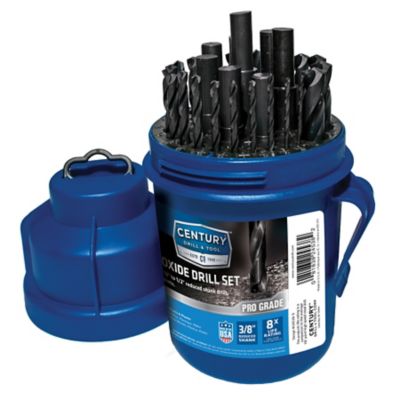
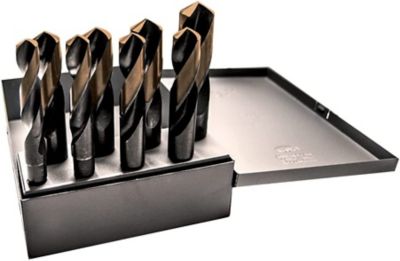
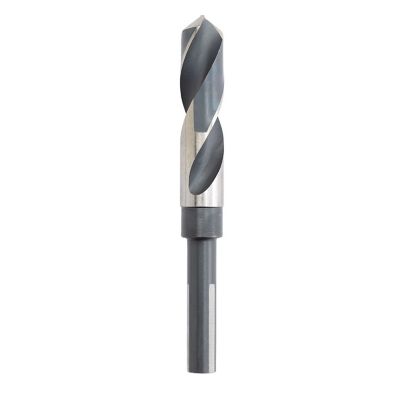
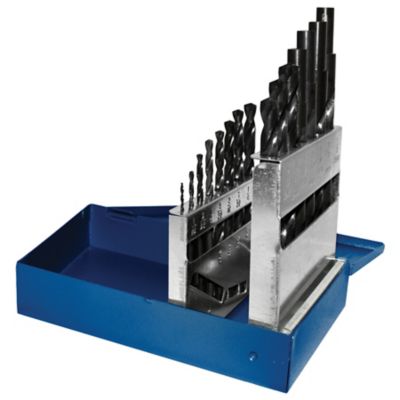
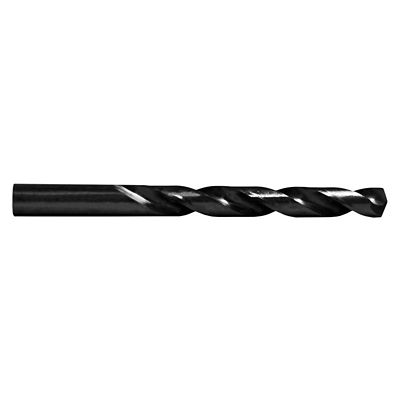
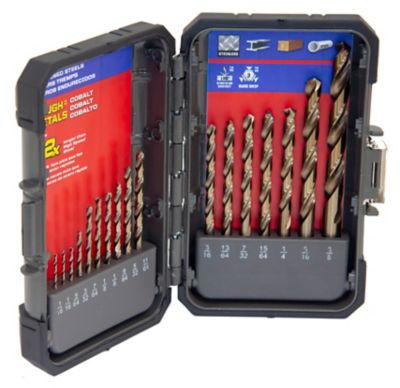
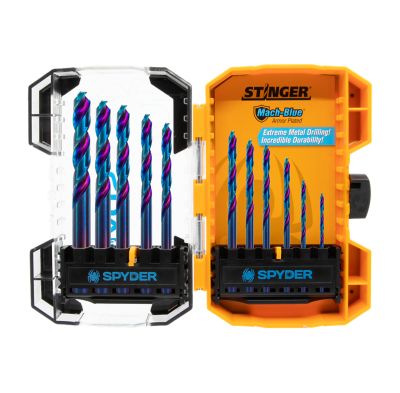
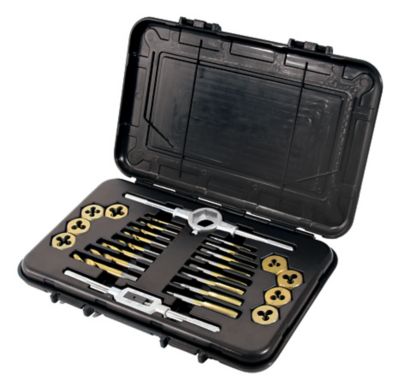
Black oxide drill bits for metal are a dependable choice for everyday drilling around the farm, shop, garage, and home. These bits are generally made from high-speed steel and treated with a black oxide finish that helps reduce friction, hold a small amount of cutting fluid near the cutting edge, and provide basic resistance to surface rust. That combination makes them useful for common jobs involving softer metals and lighter materials, including thin mild steel, aluminum, brass, copper, PVC, and wood. They can help with installing brackets, repairing gates, mounting hardware, running wire or hose supports, assembling equipment, and making clean holes in sheet metal for a weekend project. A good assortment of sizes is especially handy when the job changes from one hole to the next. Smaller bits work well for pilot holes and fasteners, while larger sizes can make room for bolts, conduit, or other hardware. Jobber-length bits are a practical all-around choice for many general repairs, and sets with clearly marked sizes make it easier to grab the right bit when your hands are dusty or the light is fading in the shop. Individual bits can be useful when a frequently used size wears out or goes missing, while multi-piece sets offer a convenient range for a toolbox, workbench, utility room, or service truck. Black oxide drill bits can also make a thoughtful gift for a homeowner, farmer, rancher, mechanic, DIYer, or anyone who enjoys keeping tools and equipment in good working order. They are the sort of useful gift that often gets put to work on a fence repair, a trailer project, or a quick fix before chores are done. When choosing a set, consider the materials you expect to drill, the hole sizes you use most often, the shank style your drill accepts, and the type of case or holder that will keep the bits organized. A sturdy storage case helps protect the cutting edges and keeps sizes together, which matters when a repair needs to be finished before the weather turns rough.
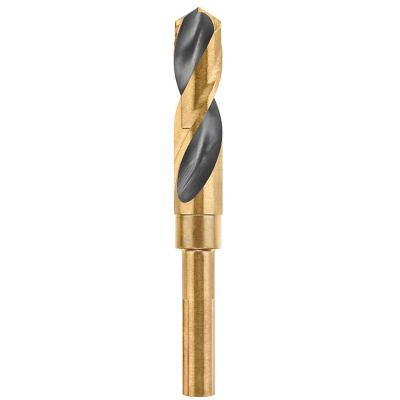
Using black oxide drill bits properly helps them last longer and gives you cleaner holes. Start by marking the hole location with a center punch, especially on smooth metal where a bit can wander across the surface. For larger holes, a smaller pilot hole can make starting easier and reduce strain on the drill. Keep the bit aligned with the workpiece, use steady pressure, and let the cutting edge do the work instead of forcing the drill. Heat is one of the biggest causes of premature wear, so slower speeds, light pressure, and cutting oil are helpful when drilling metal. A few drops of suitable cutting fluid can reduce heat and friction, help chips clear from the hole, and protect the cutting edge. Pause occasionally on thicker stock to let the bit cool, and clear chips with a brush rather than your bare hand. Clamp the work securely, wear eye protection, and avoid loose clothing around rotating tools. Black oxide bits are well suited to general-purpose work, but they are not the best match for every metal. Hardened steel, thick stainless steel, and demanding production work may require a more specialized bit, such as a cobalt or other high-performance option. For those tougher materials, forcing a standard bit can create excess heat, dull the edge, and turn a simple repair into a frustrating chore. If your projects regularly move beyond thin mild steel or softer nonferrous metals, compare the material rating before buying and consider
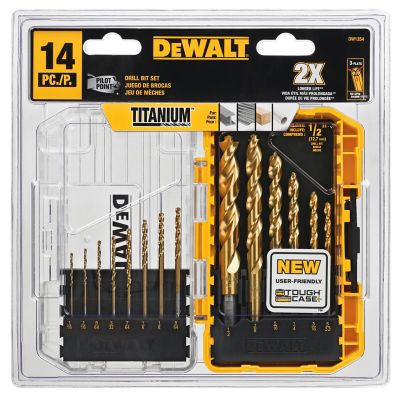
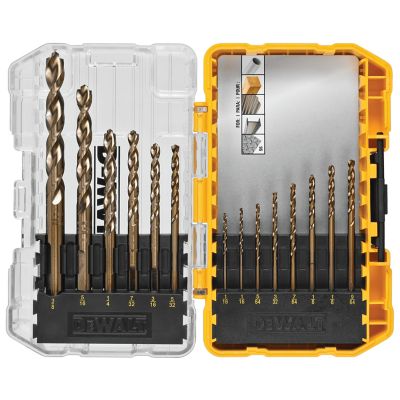
Titanium Coated Drill Bits For Metal for another option. After use, wipe away metal shavings and cutting fluid, check the cutting edges for chips or dull spots, and return each bit to its proper place. Store the set in a dry area, especially during the cooler months when condensation can collect on tools brought in from an unheated barn or shed. With sensible speed, proper cooling, and a little care, black oxide drill bits can serve through everyday maintenance, seasonal repairs, and the many small projects that keep a place running.