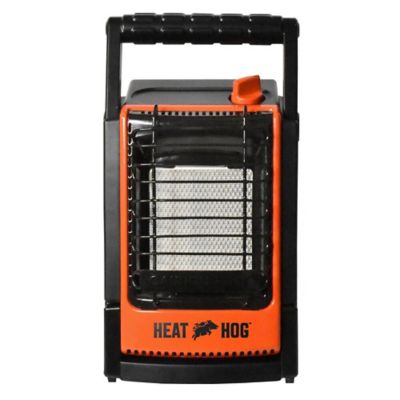
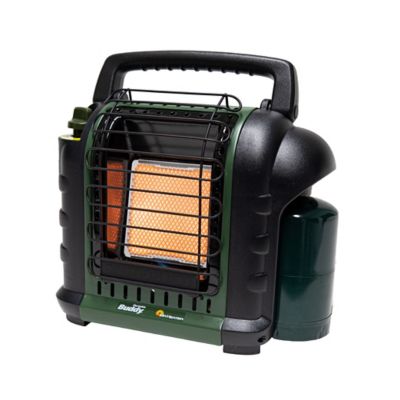
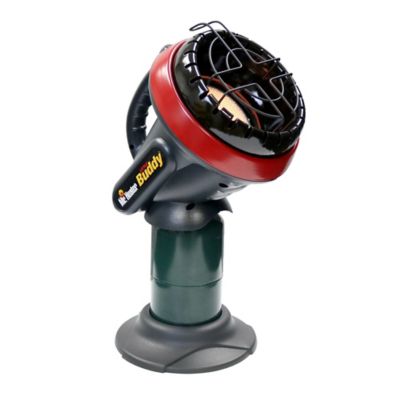
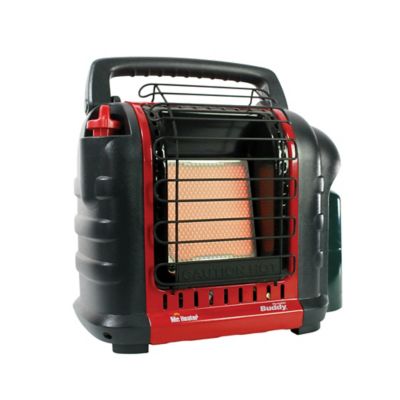
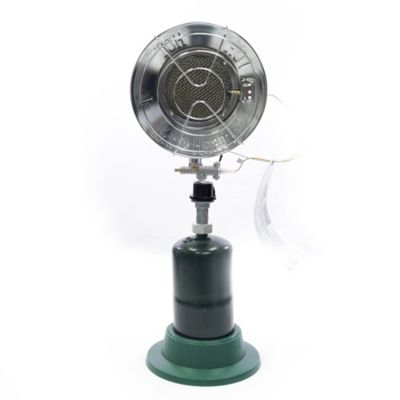
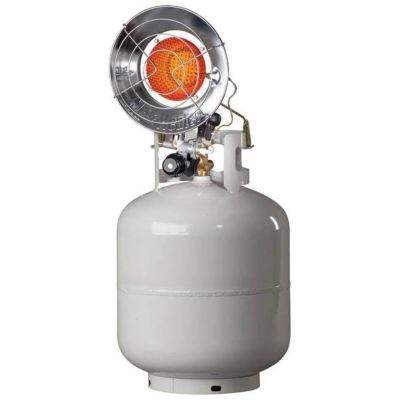
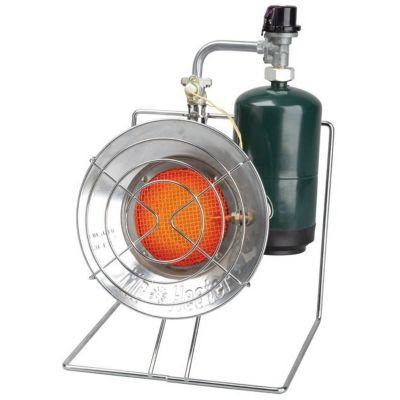
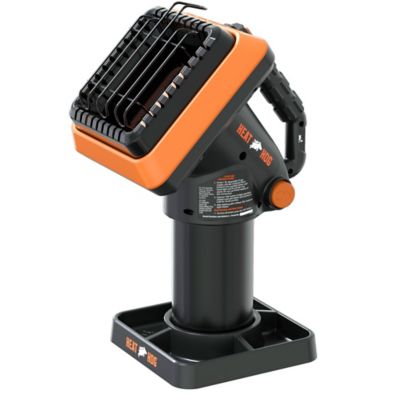
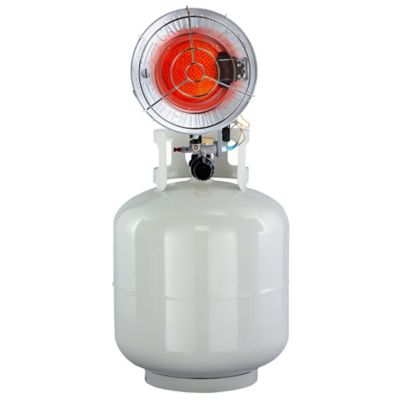
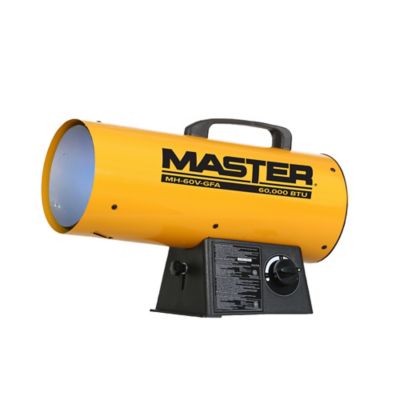
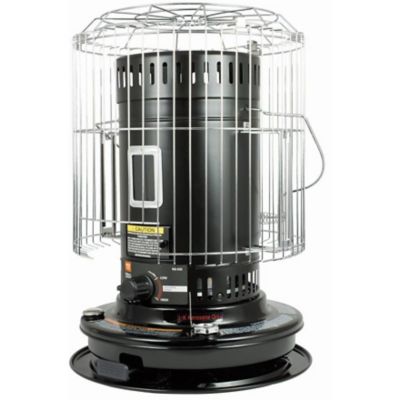
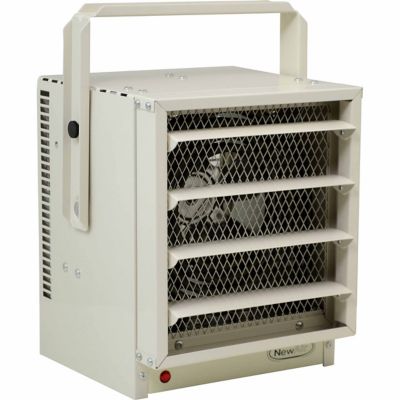
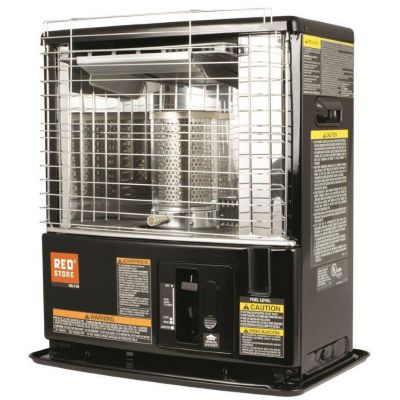
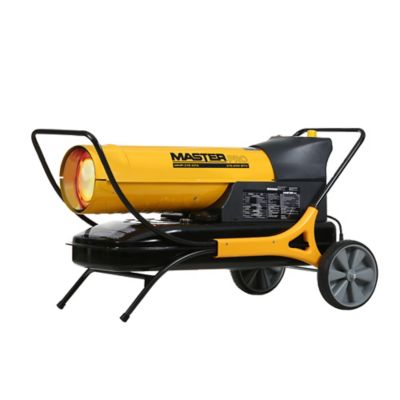
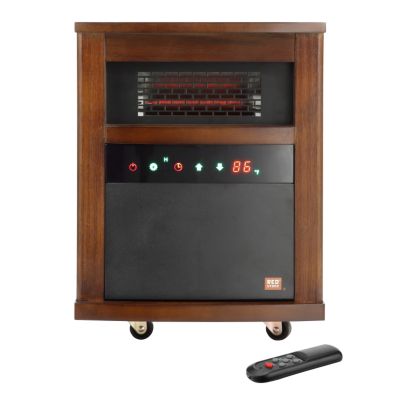
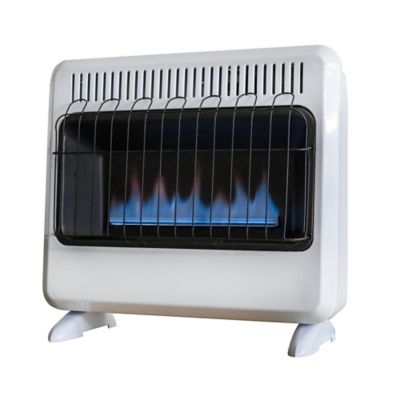
Tent heaters help take the bite out of chilly nights at the campsite, hunting camp, tailgate, or backyard gathering. A little warmth can make a big difference when the sun goes down and the ground starts pulling heat from your sleeping bag. Portable propane heaters are a popular choice because they pack fairly easily, do not need a wall outlet, and can warm a small tent or shelter in a short time. Many use compact 1-pound propane cylinders, while other setups connect to larger tanks with the proper hose and regulator. Look for camping-rated models with features such as an oxygen-depletion sensor and automatic tip-over shutoff, but never treat safety features as a substitute for careful setup. Electric heaters are another option for a tent with dependable access to power. They produce no combustion fumes inside the shelter, though they may require a heavy-duty extension cord, generator, or high-capacity portable power station. Keep in mind that a power station’s running time depends on its wattage and battery capacity, and a small unit can drain faster than expected in cold weather. Diesel air heaters can be useful for longer stays because the heating unit remains outside while warm air travels through a flexible duct into the tent. For canvas shelters made for a hot-tent stove, a compact wood-burning stove can provide steady heat and a familiar campfire feel, but it requires a compatible stove jack, metal chimney pipe, spark protection, and plenty of room around the stove.
Matching the heater to the tent and the trip is the best place to start. Check the heater’s intended coverage area, heat output, fuel type, power needs, and recommended operating conditions before adding it to your camp kit. A small backpacking tent usually needs a different setup than a roomy canvas wall tent, and a heater that works well during a cool evening may not be enough when wind is pushing through camp. Think about how you will carry fuel, where replacement cylinders or firewood will come from, and whether the campsite has electrical hookups. Weight and storage size matter for hunters hiking into a remote spot, while easy ignition and simple controls may be more important for a family camping near the truck. Place any heater on a stable, level, nonflammable surface and maintain the clearance listed by the manufacturer from tent walls, sleeping bags, coats, chairs, and other gear. Never drape clothing over a heater or use one to dry wet boots. Fuel-burning heaters need ventilation, even inside a cold-weather tent. Leave an appropriate vent or window open as directed so fresh air can circulate, and pack a battery-powered carbon monoxide detector whenever you use propane, diesel, or wood heat. Carbon monoxide is colorless and odorless, so do not rely on smell or on waking up if something goes wrong. A heater should never be left running while everyone is asleep unless the manufacturer specifically permits that use and all safety directions are followed. Turn off fuel, let hot surfaces cool, and inspect hoses, connections, vents, and chimney sections before each outing. Keep fuel containers upright and outside the sleeping area in accordance with product instructions, and do not use indoor heating equipment inside a tent unless it is clearly designed and approved for that purpose.
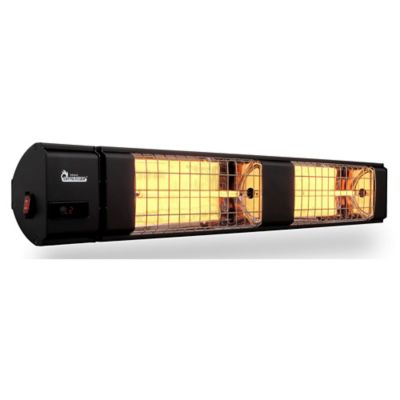
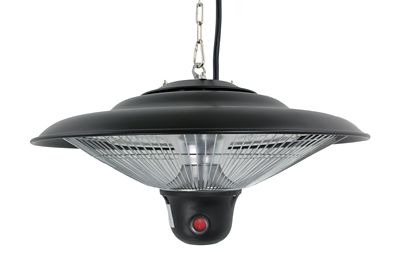
Tent heaters make practical gifts for campers, over-the-road travelers, hunters, anglers, homesteaders, and anyone who spends long hours outdoors during the cooler months. They can also be handy for a covered work area, ice-fishing shelter, portable workshop, or weekend event where a dependable source of warmth makes the space more comfortable. For a gift, consider the recipient’s usual tent style, access to electricity, preferred fuel, and the way they travel. Someone who packs light may appreciate a compact propane or diesel setup, while a family with a larger canvas shelter may be equipped for a wood stove and chimney system. It is worth adding useful safety gear to the setup, such as a carbon monoxide alarm, heat-resistant gloves, a stable stand, spare batteries, or an approved fuel hose. If the goal is to warm a more permanent outdoor area rather than a tent, explore
Mounted Heaters for heating options suited to porches, barns, shops, and other fixed spaces. Whatever style fits your plans, read the full instructions before heading out, test the heater in a controlled setting, and give it a clear area free of clutter. With the right fuel, ventilation, clearance, and power plan, a tent heater can turn a raw evening into a comfortable place to share coffee, sort gear, tell stories, or settle in after a long day outside.