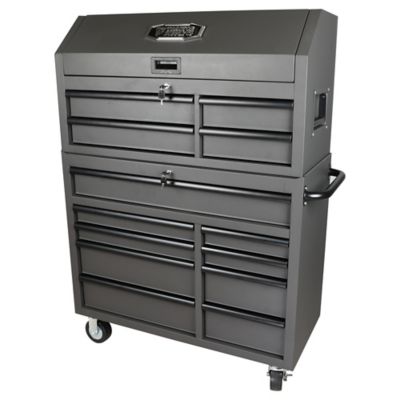
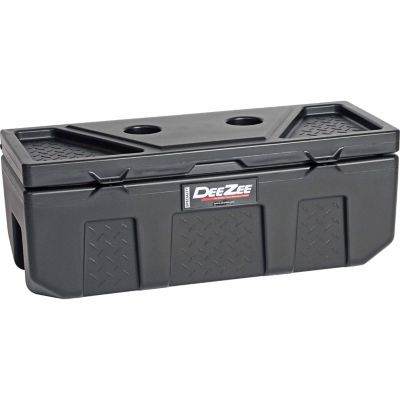
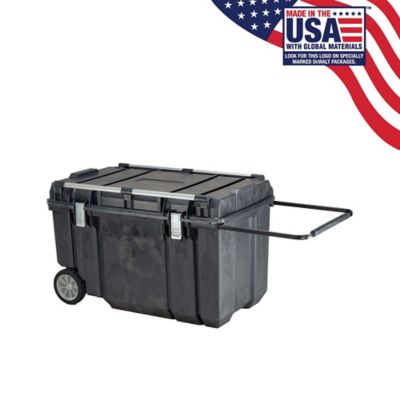
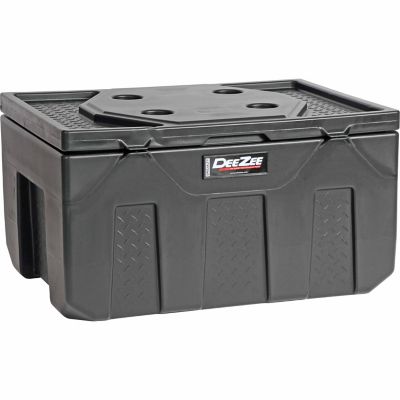
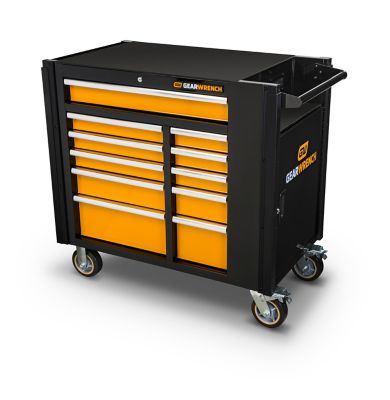
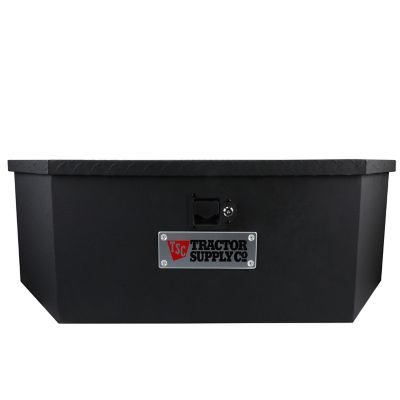
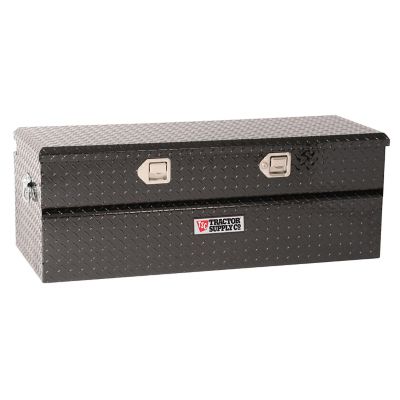
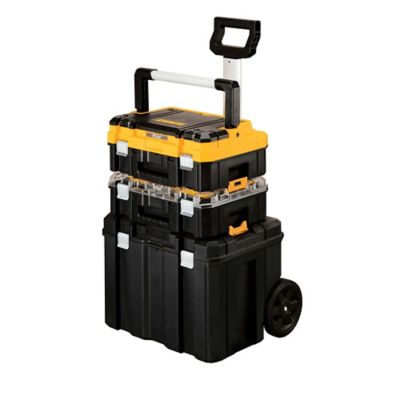
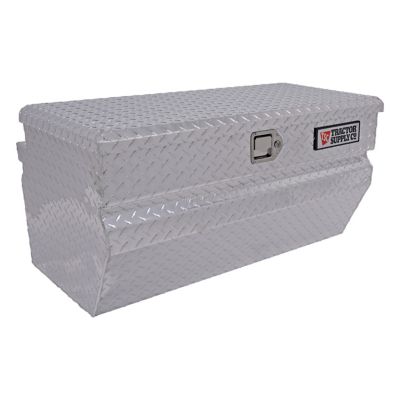
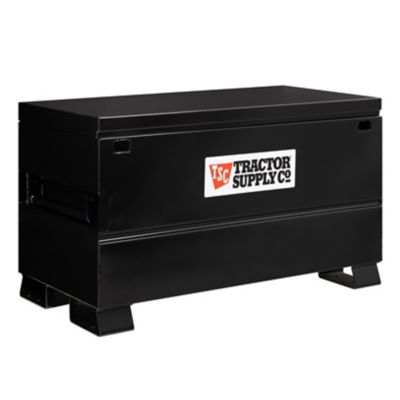
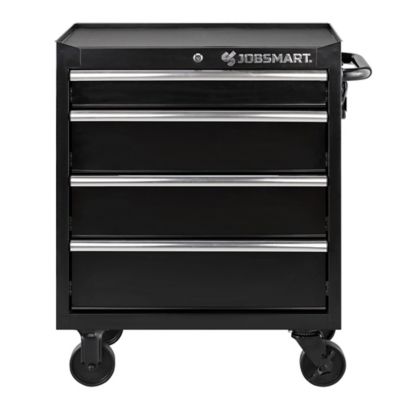
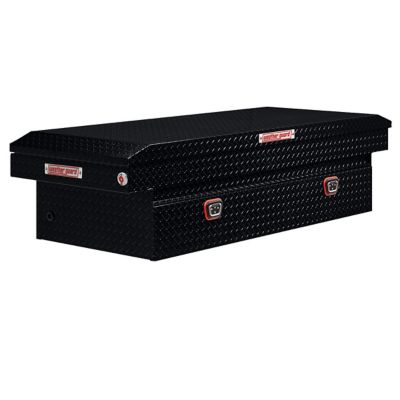
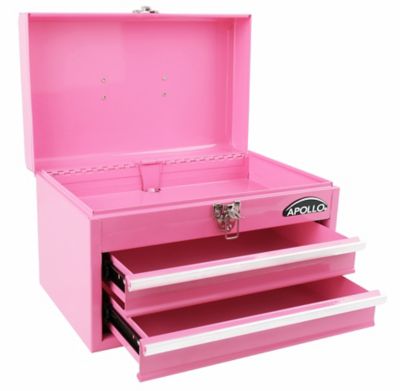
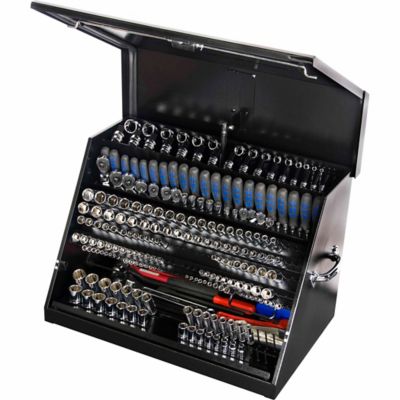
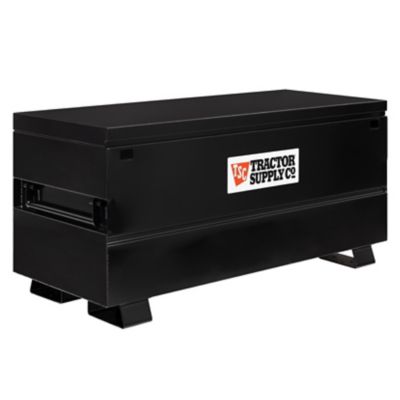
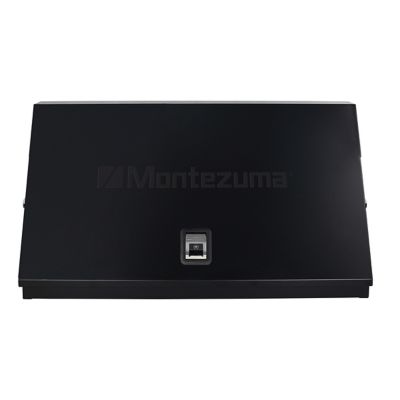
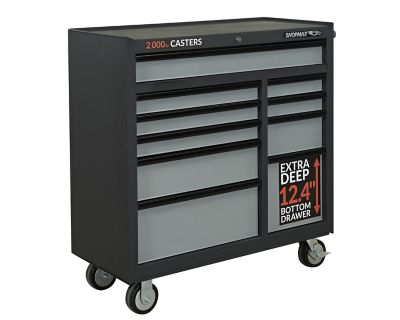
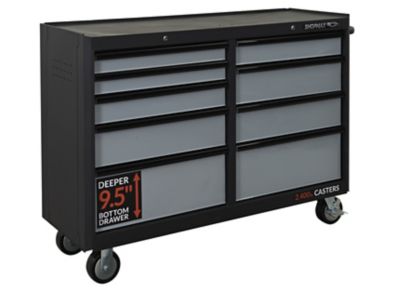
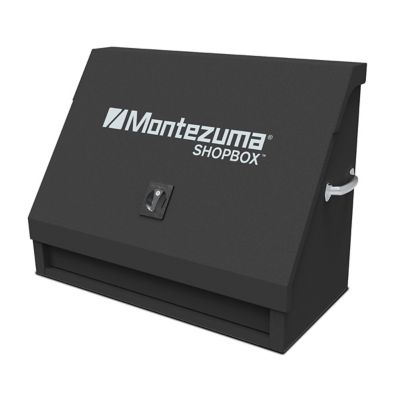
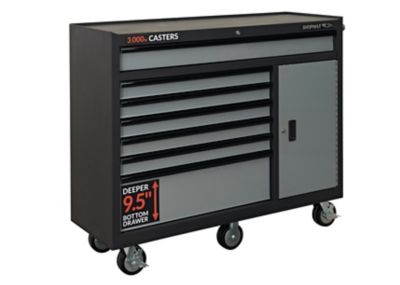
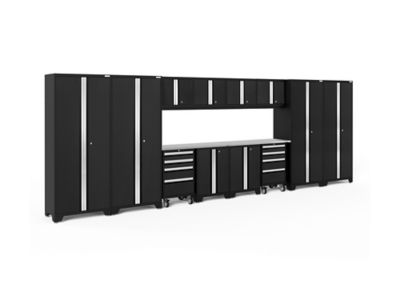
Storage tool chests give every wrench, socket, driver, and fastener a proper place to land, whether you work in a home garage, a farm shop, a barn, or a busy maintenance area. Instead of leaving tools scattered across a workbench or buried in coffee cans and open buckets, a well-planned chest keeps hand tools sorted, protected, and ready for the next repair. Top chests are a practical choice when floor space is limited or when you already have a sturdy workbench or rolling cabinet. They sit at a comfortable working height and keep frequently used tools close at hand, making them useful for routine equipment maintenance, vehicle repairs, household projects, and weekend tinkering. Rolling cabinets and mobile tool chests add larger drawers, more storage capacity, and the ability to move your setup around the shop. A model with locking casters can roll beside a tractor, lawn mower, trailer, or worktable, then stay firmly in place while you work. For anyone who likes a clean, capable workspace, mobile workbenches combine storage with a broad top for measuring, assembling, sharpening, or laying out parts. They can be especially handy in a farm shop where one day may involve replacing a gate hinge and the next may call for servicing a mower or tightening equipment before the cooler months. When comparing storage tool chests, start with the tools you already own and the tools you expect to add. Count larger items such as ratchets, torque wrenches, cordless tools, and specialty sockets, then allow room for future purchases. A chest that is packed too tightly becomes difficult to use, while extra space makes it easier to return each tool to its place. Measure the available area carefully, including doorways, workbench height, and the clearance needed to open drawers fully. A compact chest may suit a small garage or utility room, while a wider roll cabinet can make better sense for a dedicated shop with room to move around it.
Construction details matter when a tool chest will see regular use. Steel walls with a lower gauge number are generally thicker and more resistant to dents, which is helpful in a working shop where heavy tools, parts, and equipment are always being moved around. Look for drawers with full-extension ball-bearing slides when you plan to store dense items such as sockets, hammers, pliers, or power-tool accessories. Smooth slides make it easier to reach tools at the back of a drawer and can support substantial weight without sticking. Drawer liners help keep tools from sliding when the chest is moved, while foam organizers or socket trays make it easier to spot a missing piece before a repair gets held up. Deep drawers are useful for bulky gear, but shallow drawers are often better for wrenches, screwdrivers, measuring tools, and other items that are easier to find when spread out in a single layer. A raised lip around the top helps keep small parts from rolling onto the floor, and a solid work surface gives you a dependable place to handle parts and paperwork. Security is another consideration, especially for expensive tools or shared workspaces. An internal barrel lock can keep drawers closed when you are away from the shop, while a sturdy handle and reinforced frame add confidence when the chest is loaded. Casters should match the weight and surface where the chest will be used; heavy-duty wheels are a smart choice for concrete floors, rough shop areas, or frequent movement, and locking wheels help prevent unwanted shifting. If mobility is a priority, explore options such as
Tool Chest With Wheels for storage that can follow the job from one side of the workspace to another.
Storage tool chests are useful for professional mechanics, farmers, ranchers, maintenance crews, construction workers, and do-it-yourselfers who prefer having the right tool close by instead of making repeated trips across the shop. They also make a thoughtful gift for someone setting up a first garage, restoring an old pickup, maintaining a small acreage, or building a workshop piece by piece. A smaller chest can be a good starting point for a new homeowner, apprentice, student, or young person learning practical repair skills, while a larger mobile cabinet may fit an experienced tradesperson whose collection has grown over the years. During warmer weather, a portable setup can move outside for equipment tune-ups, fence repairs, or project work near the driveway, and during the cooler months it can help keep indoor shop chores organized and efficient. Before loading a chest, group tools by task or type: keep common sockets and ratchets together, place measuring and layout tools in a shallow drawer, and reserve deeper drawers for bulkier equipment. Store sharp or delicate tools so they do not rub against one another, wipe away dirt and moisture before putting tools away, and avoid overloading a drawer beyond its slide rating. A little organization saves time when gloves are on and daylight is fading, especially during a quick repair before chores are finished. With the right size, sturdy construction, smooth drawers, secure locking features, and dependable mobility, a storage tool chest can turn a cluttered workspace into a reliable home base for repairs, maintenance, and hands-on projects.