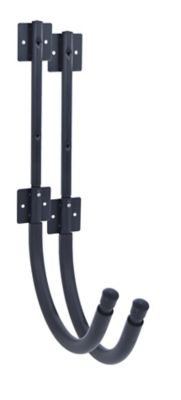
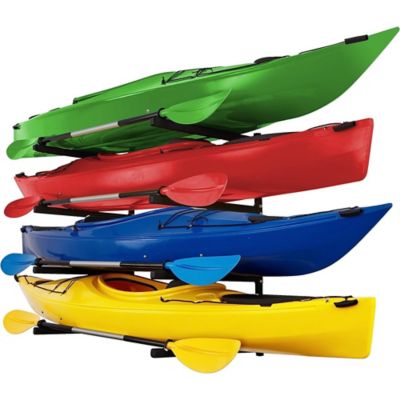
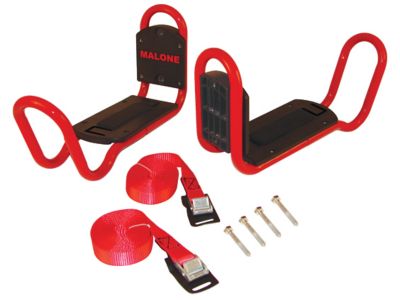
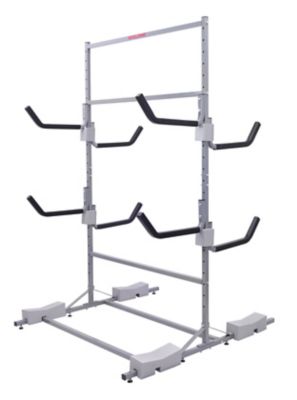
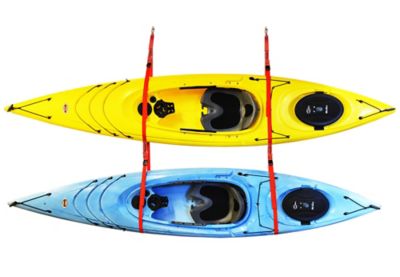
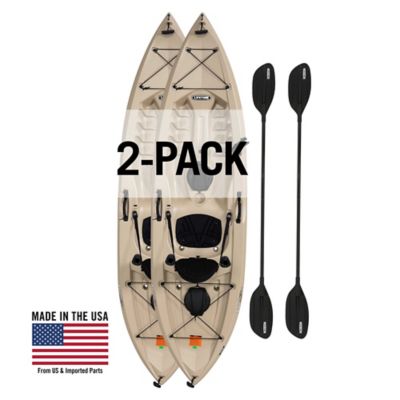
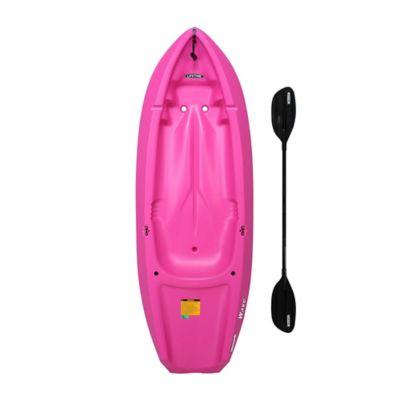
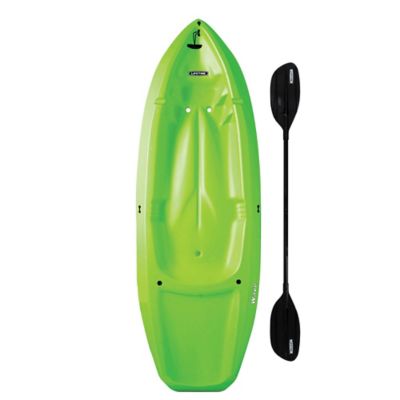
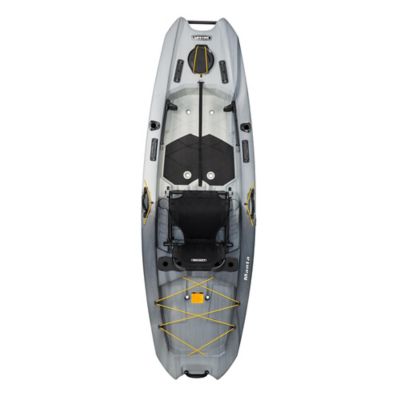
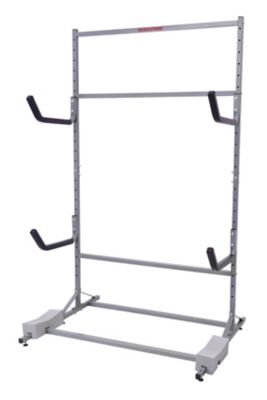
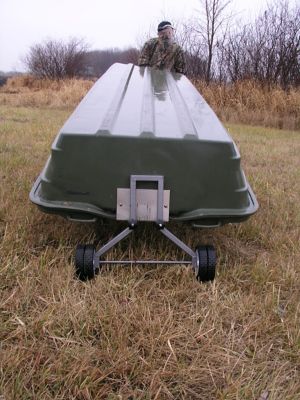
Kayak storage makes room for the boat without giving up the whole garage, shed or boathouse. Wall-mounted racks, freestanding stands and ceiling hoists each offer a different way to keep a kayak off the floor and out of the path of boots, tires and everyday chores. Proper kayak storage supports the hull at manufacturer-approved points, spreads its weight across broad contact areas and avoids concentrated pressure that can change the boat’s shape over time. Padded arms, shaped cradles and wide support straps help distribute that load, while a rack’s spacing determines how well it fits the length and profile of the hull. Many storage arrangements place two supports roughly one-third of the boat’s length in from each end, but the kayak maker’s recommendations take priority over any general rule. Some hulls suit cradle support, while others call for storage on their sides with padding in the right places. That distinction matters for rotomolded polyethylene, thermoformed plastic and composite boats, which can respond differently to sustained pressure. Rack materials matter, too. Steel frames offer sturdy support, with coatings that help protect exposed metal from corrosion. Aluminum frames can offer lower weight and corrosion resistance, though the frame’s stated load rating matters more than its material alone. Foam sleeves and other cushioned contact surfaces help separate the hull from bare metal, fasteners and rough edges. Wide webbing can provide distributed support when it is part of a storage system designed for the boat’s weight. Hanging a kayak by its carry handles, deck lines or scupper holes can stress parts that may not be intended to hold a suspended boat for long periods. A storage setup built around the hull’s shape and the manufacturer’s instructions gives the kayak a proper resting place between trips to the creek, lake or river. It also helps keep sharp tools, rolling equipment and loose gear from knocking against the boat while other work gets done nearby.
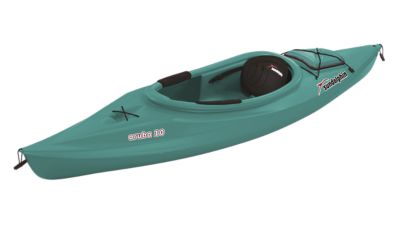
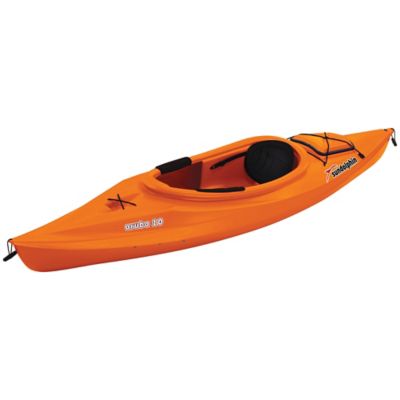
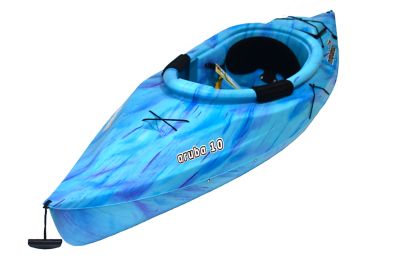
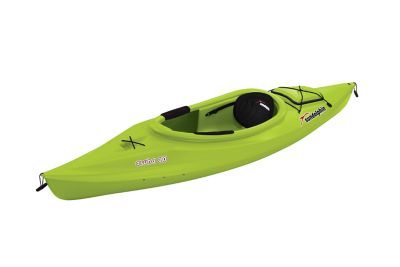
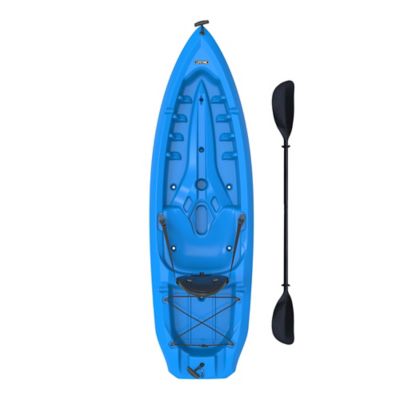
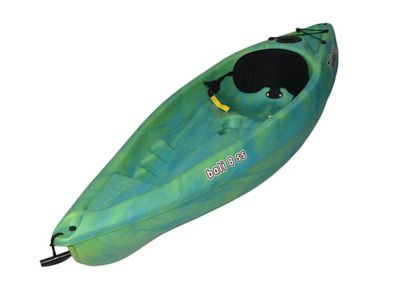
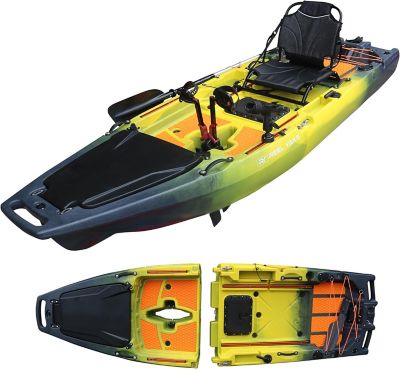
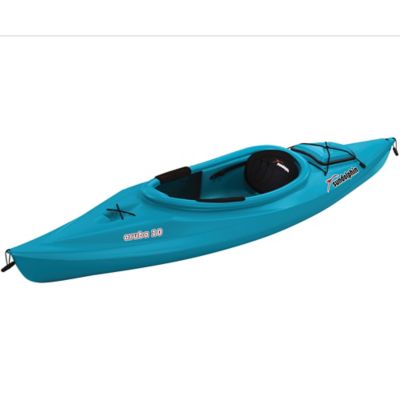
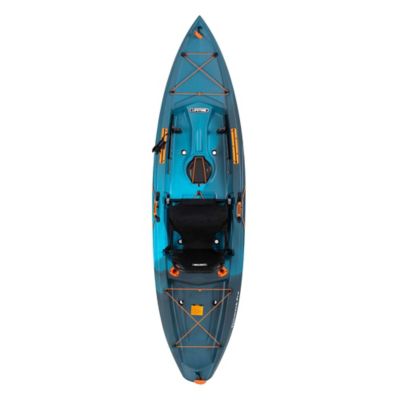
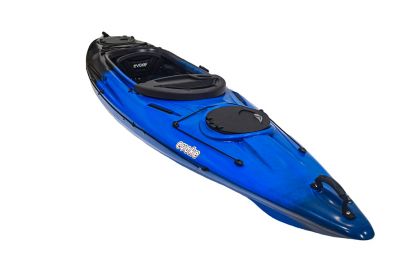
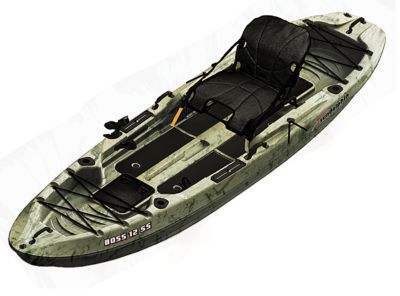
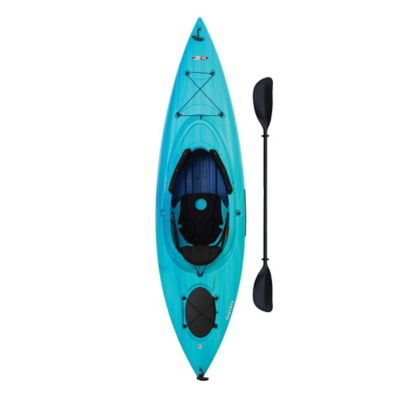
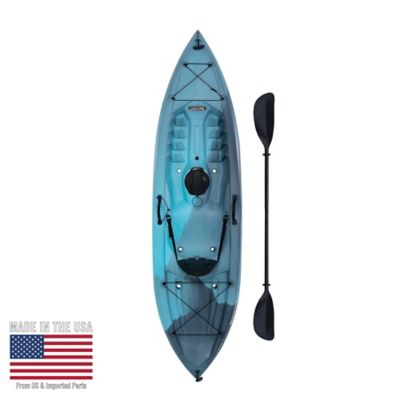
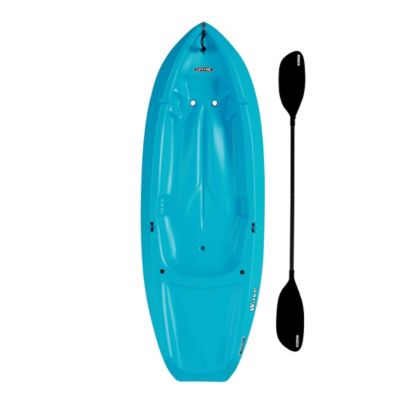
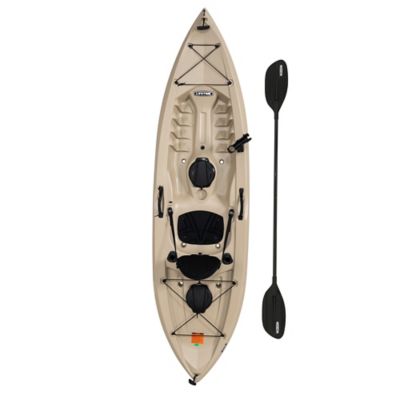
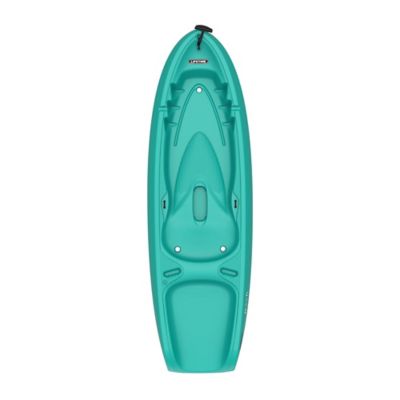
The best fit for a space depends on the kayak’s full dimensions, its weight and the room needed to move it into position. Length alone does not tell the whole story: beam width, hull depth, seat height and attached fishing gear can all affect clearance. A low fishing kayak with a broad hull needs a different amount of elbow room than a narrow recreational boat, and a tall seat back may interfere with a shelf or overhead brace. For paddlers comparing
Single Kayaks, storage space is worth considering alongside carrying weight and intended time on the water. Wall racks leave floor space open for feed bins, yard tools or a workbench, but their arms still project into the room. Freestanding racks work well where wall attachment is not practical, provided the base sits on a firm, level surface with enough room around it for loading. Multi-boat frames need adequate separation so one hull does not rub against another, especially when boats have different widths or raised seats. Ceiling hoists take advantage of overhead space, though the full lift path must clear garage doors, openers, lights and anything else above the work area. A hoist also needs a secure locking arrangement and a clear place for its control rope, away from children and walkways. Wall and ceiling systems depend on sound structural attachment, not drywall alone, with mounting hardware appropriate for the building and the expected load. Weight limits apply to the complete installation, including anchors and supporting structure, rather than just the rack arms or lifting straps. Removable seats, pedal drives and other gear can add considerable weight if they remain aboard. Just as important is the height of the loading position. A rack that lets a paddler settle the boat into place with a controlled lift is a better everyday match than one that demands an awkward reach over a mower or stacked containers.
Care considerations are part of choosing kayak storage, especially when the boat shares space with equipment that brings in dust, grit or moisture. Smooth, clean padding helps prevent trapped sand from rubbing against the hull, and replaceable contact pads can extend the useful life of a rack. Fasteners, welds, straps, buckles and lifting lines all benefit from periodic inspection for looseness, fraying, cracks or corrosion. The kayak itself needs a chance to drain and dry before being covered for an extended stretch; moisture trapped in a cockpit, hatch or folded seat can lead to odors and mildew. Salt and grit are easier on neither the boat nor its supports, so access for rinsing and drying is useful wherever paddling gear comes home dirty. Storage outside calls for attention to direct sunlight, drainage and the suitability of the rack’s finish for outdoor exposure. A fitted cover can help shield a boat from sunlight and debris, but it should not collect standing water or trap moisture against the hull. Straps that secure the boat to a rack should hold it steady without squeezing it out of shape, and exposed storage locations may need additional anchoring specified by the system’s manufacturer. Nearby space for paddles, personal flotation devices and other gear keeps the whole setup practical, as long as damp equipment can dry and extra weight does not exceed the rack’s rating. These details matter whether the boat belongs to a weekend angler, a family sharing a pair of recreational kayaks or a paddler who heads out whenever chores allow. Storage equipment can also make a thoughtful gift for someone whose kayak has been taking up the middle of the shop, provided the boat measurements and mounting space are known. A well-matched setup gives the hull proper support, keeps the work area easier to navigate and makes getting the boat out for the next trip less of a wrestling match.