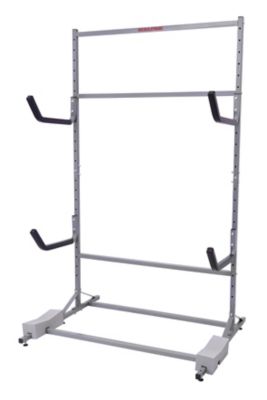
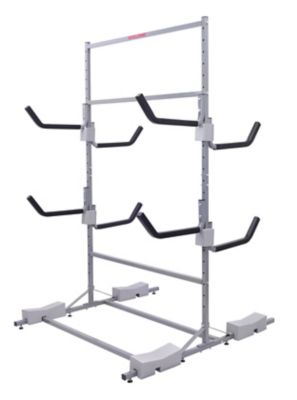
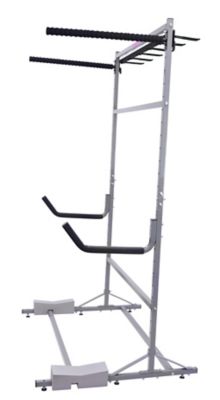
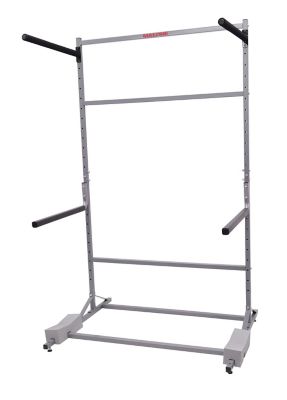
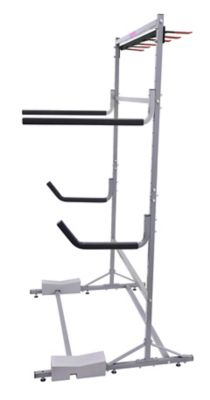
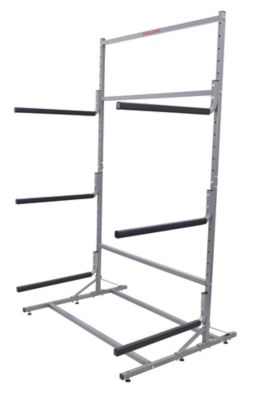
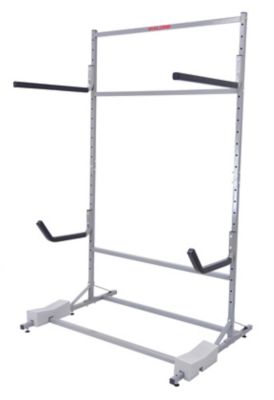
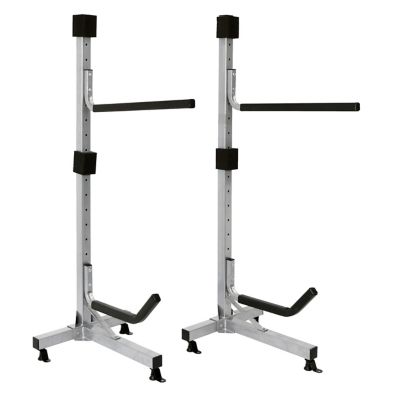
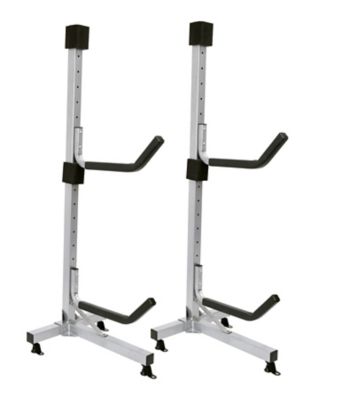
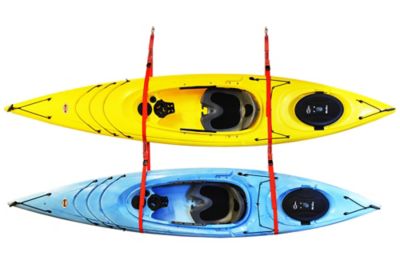
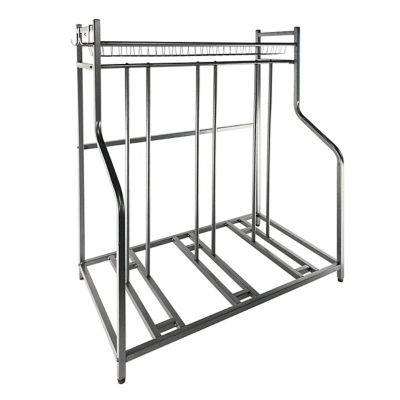
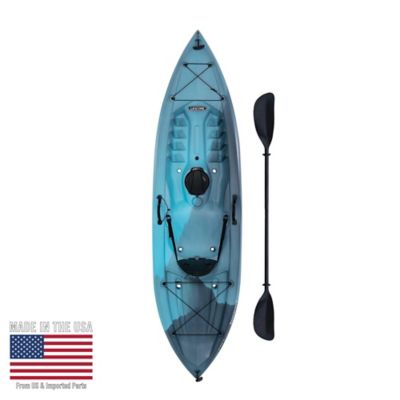
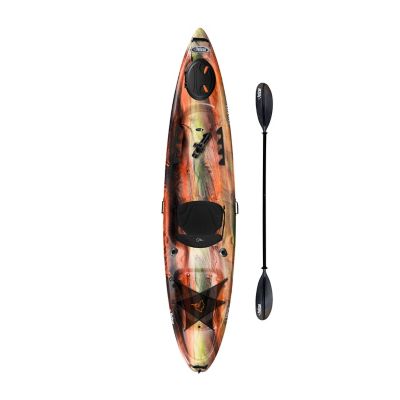
Freestanding kayak racks provide a practical way to keep kayaks, canoes, and stand-up paddleboards off the ground without drilling into a wall or building a permanent storage structure. These unanchored racks can be set up in a garage, shed, barn, covered porch, dock area, or backyard, making them a handy choice for households that need flexible storage through changing seasons. Instead of leaning a kayak against a fence or leaving it flat on the grass, a rack supports the boat at sturdy contact points, helping protect the hull from rocks, wet soil, gravel, and uneven pressure. Freestanding kayak racks come in several layouts, including low horizontal stands, upright storage frames, and multi-tier designs that hold two, three, or four watercraft in a compact footprint. A single-kayak rack may suit a casual paddler with one recreational boat, while a larger family or fishing setup may call for multiple levels and a higher weight capacity. Some racks are also useful for storing canoes or paddleboards, provided the dimensions and weight ratings match the watercraft. Before choosing a rack, measure the overall length, width, and weight of each boat, along with the available storage area. Pay attention to the rack’s total capacity as well as the weight limit for each support arm or level. A rack that fits neatly in an empty corner of the garage can make a big difference when cool weather arrives and outdoor gear begins sharing space with lawn equipment, firewood, and seasonal supplies. For more ways to organize bulky gear, explore
Storage Racks designed for practical storage around the home, farm, or shop.
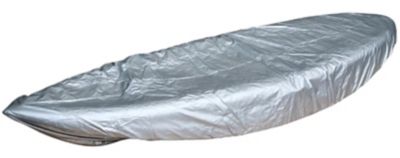
Material and construction matter when a kayak rack will spend time outdoors. Powder-coated or galvanized steel can help resist rust caused by rain, damp ground, and changing temperatures, while heavy-duty tubing and wide feet add stability on hard surfaces. Wood racks can offer a sturdy, natural-looking option for a covered porch, barn, or custom storage area, though outdoor wood should be properly treated and kept from sitting in standing water. Look for broad bases, solid joints, and a frame that does not rock when loaded. Adjustable arms or support bars are useful when storing boats with different hull shapes, while a fixed-width rack may be a simple choice for a matching pair of recreational kayaks. Padding deserves close attention, especially for plastic kayaks that may develop pressure marks or hull distortion if they rest on narrow, hard edges for long periods. Rubber sleeves, foam-covered arms, padded cradles, and suspension-style straps spread the load over a wider area and help guard against scratches, dents, and scuffs. The best contact point is usually near the stronger sections of the hull rather than at the very ends, with the boat balanced evenly from side to side. A rack should hold the kayak securely without squeezing it tightly. When setting up a freestanding kayak rack, place it on a level surface, tighten every fastener, and check that the boat cannot slide or tip when bumped. Indoor storage generally offers the most protection from sun and moisture, but an outdoor rack can work well under a roof or weather shelter. If the rack must sit in full sun, consider a cover for the watercraft and inspect the frame, padding, and hardware regularly for wear. Keeping the hull clean and dry before storage also helps prevent trapped grit, mildew, and unpleasant odors.
Freestanding kayak racks are useful for active households, weekend paddlers, fishing families, campgrounds, outfitters, and anyone who prefers having watercraft ready to load rather than buried beneath other equipment. They can also make a thoughtful gift for a new kayak owner, a couple who spends warm days on the river, or a family building a backyard setup for lake trips and camping weekends. A compact rack can help a first-time paddler keep a new boat organized in a small garage, while a taller multi-tier frame gives experienced boaters a dedicated place for several hulls, paddles, and related gear. During the cooler months, proper support keeps a kayak from being dragged across frozen ground or left under a tarp where moisture collects. When the weather warms and the boats come back out, easy access means less time moving clutter and more time carrying gear down to the water. Keep paddles, life jackets, straps, and dry bags nearby, but avoid piling heavy items on top of a stored kayak or blocking the rack’s base with loose tools. If young helpers or pets share the area, position the rack where it will not create a sharp obstruction in a walkway, and secure taller units according to the manufacturer’s instructions whenever extra stability is needed. Choosing the right freestanding kayak rack comes down to the number and type of watercraft, available floor space, indoor or outdoor placement, construction materials, protective padding, ease of assembly, and overall weight capacity. With a well-fitted rack, the boat stays supported, the storage area stays tidier, and every trip starts with gear that is easier to find, inspect, and carry.