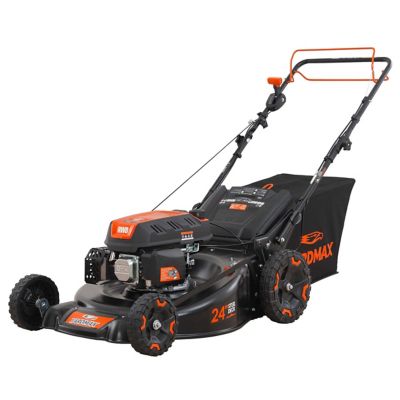
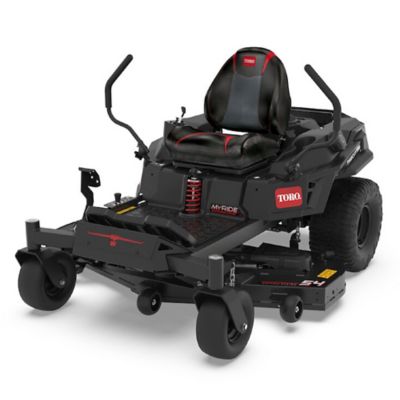
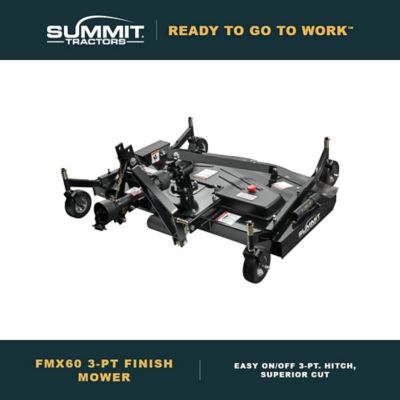
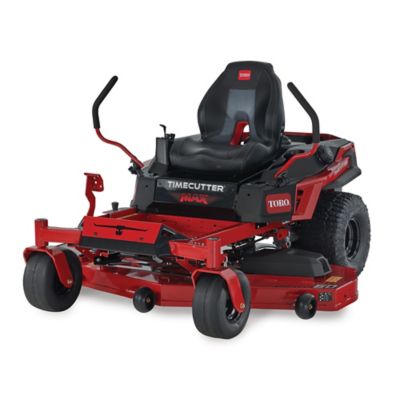
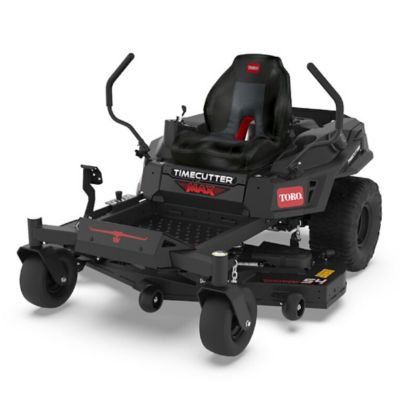
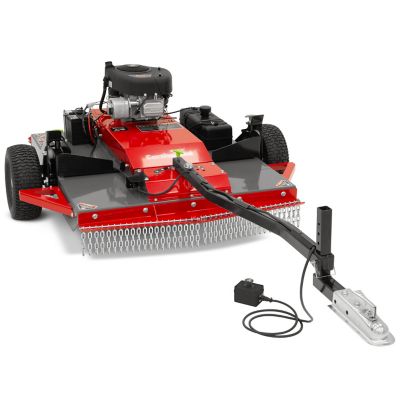
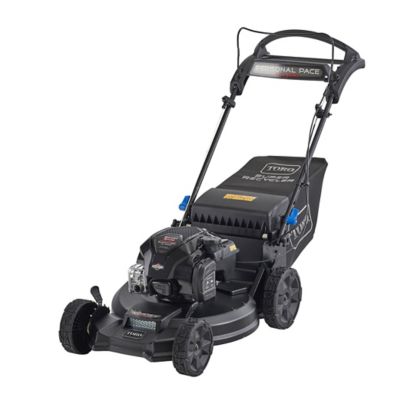
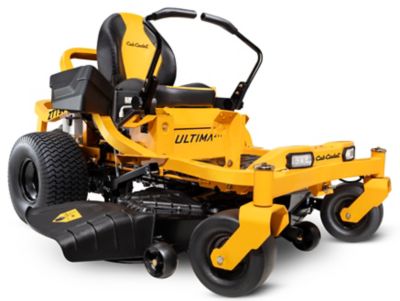
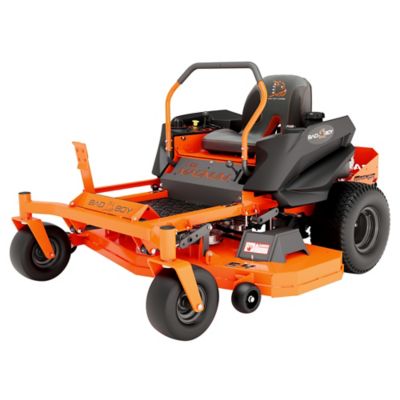
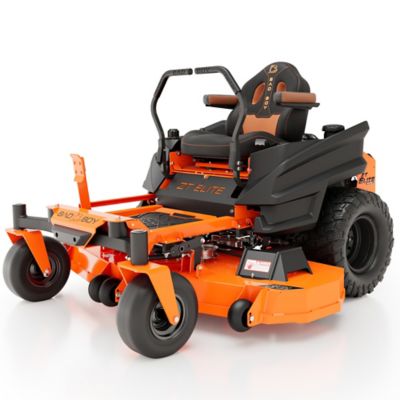
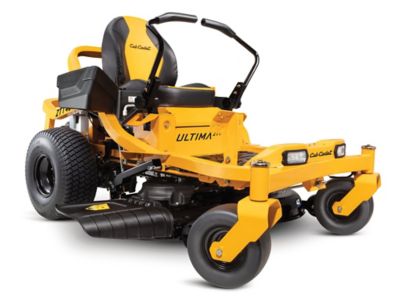
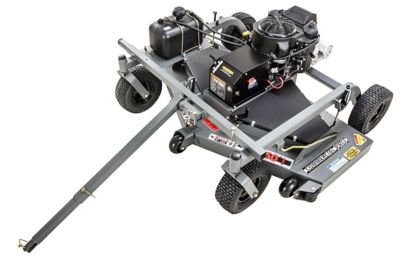
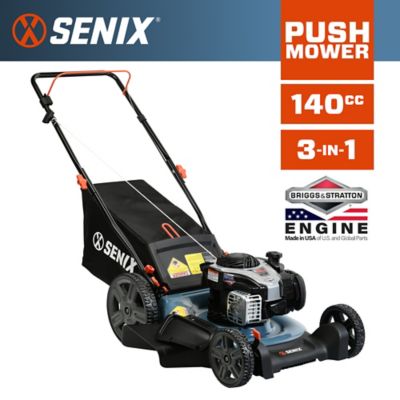
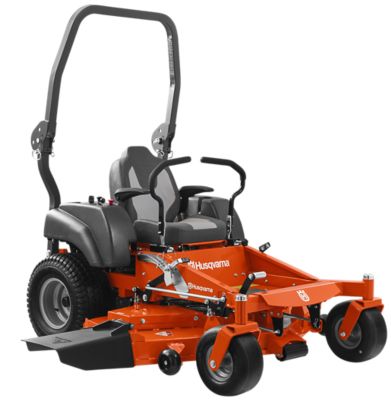
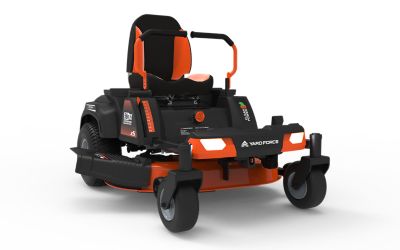
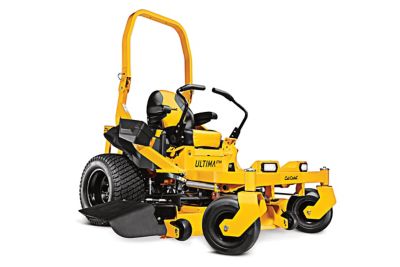
A mower deck is the metal housing beneath a riding lawn mower, lawn tractor or zero-turn mower that surrounds the cutting blades and supports components such as spindles and pulleys. Its shape does more than cover the blades: the space inside helps manage airflow, lift grass for cutting and move clippings toward a discharge opening or collection system. Deck mowers bring that cutting system together with the equipment that carries and powers it, making them a practical fit for home lawns, acreage around outbuildings and open stretches along a driveway. Common residential cutting widths range from 42 to 60 inches, with smaller and larger options depending on the machine. A deck under 42 inches can suit a compact yard, narrow passages and properties around half an acre or less. Widths of 42 to 48 inches often make sense for roughly half an acre to 2 acres, while decks measuring 50 to 60 inches or more can cover open properties over 2 acres with fewer passes. Those ranges are starting points rather than firm acreage limits. A broad, open lawn has different needs than the same acreage broken up by fence corners, garden beds and shade trees. The stated cutting width also differs from the mower’s overall width, especially with a discharge chute extended, so gate openings and shed doors matter. Wider decks reduce the number of passes across open ground, while narrower decks can be easier to work through tight spaces. Uneven ground adds another consideration, since a wide deck may bridge dips or come closer to raised spots. Side-discharge, mulching and bagging configurations handle clippings differently, and each requires compatible blades and hardware. The best match balances the area being mowed, the obstacles along the route and the capabilities of the mower itself.
Mower decks commonly feature steel construction, with stamped and fabricated designs offering different approaches to the housing. A stamped deck is formed from a sheet of steel, often creating rounded contours inside the cutting chamber. A fabricated deck generally joins separate steel panels with welds and may include reinforced edges or mounting areas. Steel thickness, reinforcement, spindle support and the condition of the protective finish all contribute to how the deck stands up to regular mowing. Neither construction style tells the whole story by itself; the complete design and its match to the machine matter just as much. For replacement mower decks, cutting width alone does not establish fit. Two decks with the same width can have different hanger locations, lift connections, belt paths, pulley arrangements and discharge openings. Mower model information, serial-number ranges and the original deck designation help establish the correct match. Engine power and drive-system requirements also limit which decks belong on a particular machine, so a wider deck is not automatically an upgrade that will fit. Equipment-specific browsing, such as the
Husqvarna Mower Deck page, can help narrow the search, while model details remain essential to confirming compatibility. The distinction between a deck shell and a deck assembly is important, too. A shell may provide the housing without blades, spindles, pulleys, belts or other hardware, while an assembly may include some or several of those components. Included parts vary, making the component list more useful than the name alone. Existing parts need to match the replacement housing and remain fit for service before being transferred. Anti-scalp wheels, belt covers, discharge chutes and compatible attachment connections deserve attention as well. For someone maintaining a yard around the house or mowing between a barn and roadside fence, a properly matched deck helps keep familiar equipment working without creating problems at every mounting point.
Ongoing care helps a mower deck keep an even cut and limits wear on the housing and moving parts. Packed grass beneath the deck can restrict airflow, interfere with clipping discharge and hold moisture against exposed metal. Regular cleaning makes it easier to spot chipped finishes, cracks, loose fasteners and areas where rust is starting. Cleaning methods depend on the mower’s instructions; a wash port, where fitted, does not mean every bearing, pulley or electrical connection should receive a direct blast of water. Any work beneath a deck calls for the engine to be off, the key removed, all movement stopped and the power source secured as directed by the manufacturer. Raised equipment needs approved support rather than a lift mechanism alone. Blade condition also affects the result left across the lawn. Dull cutting edges can tear grass, while bent or damaged blades may leave uneven strips or introduce vibration. Correctly matched, balanced blades and sound spindle bearings help the cutting system run as intended. Deck leveling and front-to-back pitch belong to the mower’s specified setup, not a single adjustment that fits every machine. Tire pressure, worn lift connections and wheel position can all affect how the deck sits. Anti-scalp wheels generally help limit contact with raised ground rather than carry the deck’s weight continuously, though the equipment manual determines the proper setting. Belt wear, damaged pulleys and loose hardware deserve attention before they turn a routine mowing job into a repair beside the fence. These cutting systems are intended for maintained grass, not hidden wire, rocks, woody brush or saplings. For homeowners, acreage owners and folks caring for lawns around farm buildings, the right deck combines a workable cutting width, compatible mounting and straightforward maintenance access. That combination supports clean passes around the property and makes routine upkeep easier to stay on top of.