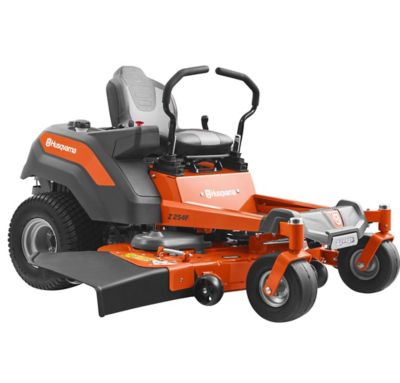
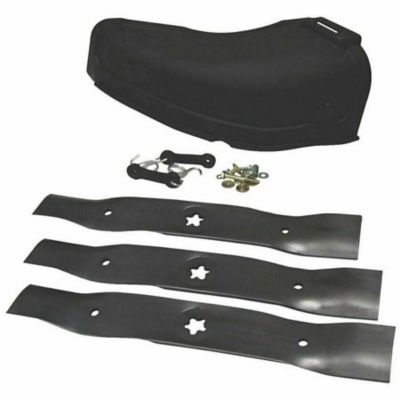
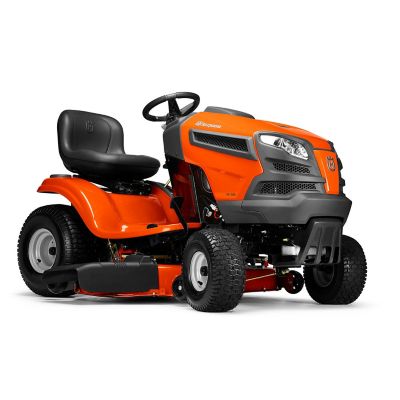
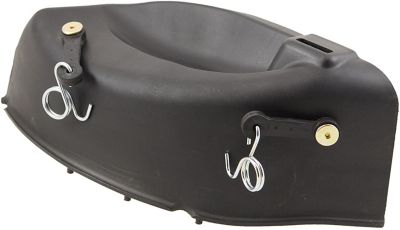
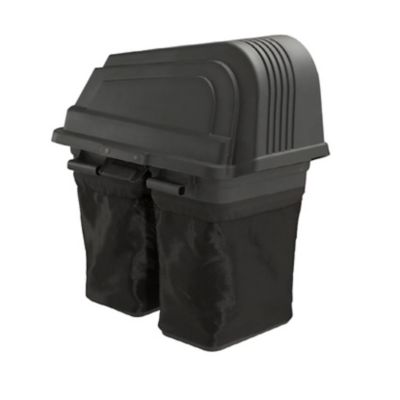
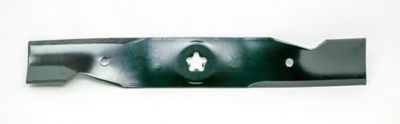
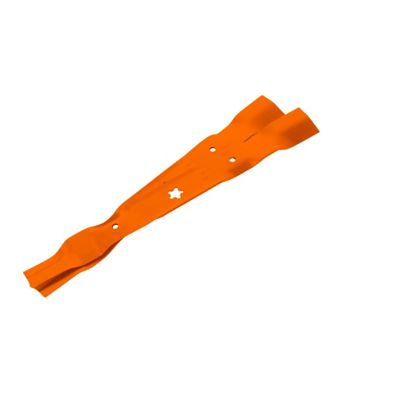
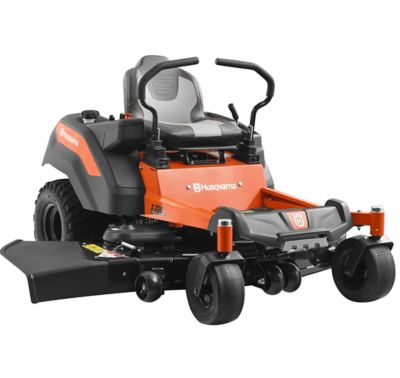
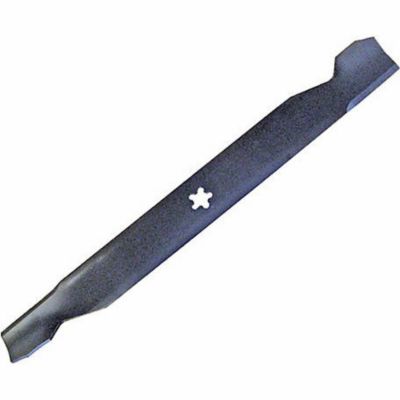
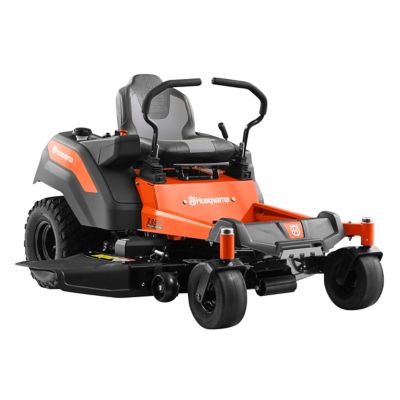
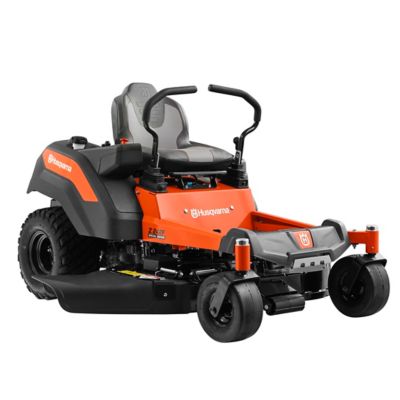
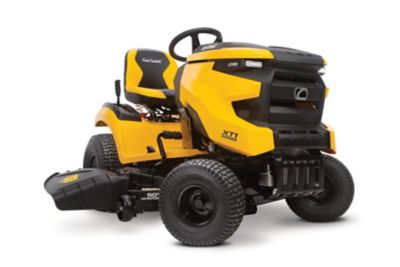
A riding mower deck does more than hold the blades beneath the tractor. Its housing helps manage airflow, contain clippings and support the cutting components that keep a lawn looking even from one pass to the next. For a yard with fence lines, shade trees and a long stretch beside the driveway, the right replacement mower deck starts with a match to the machine—not just a match to the cutting width. Common cutting widths include 42, 46 and 54 inches, but two decks with the same width may have different mounting points, belt paths, spindle arrangements or discharge openings. The mower’s full model number, serial number and manufacturer’s parts diagram help establish which replacement belongs on that particular machine. Production changes can matter, even when two riding mowers look alike from the seat. A deck housing, sometimes called a shell or weldment, is generally the structural body rather than a ready-to-mow assembly. A more complete mower deck assembly may include spindles, pulleys, blades or other hardware, but the contents vary, so the listed components deserve a close look. That distinction matters when an otherwise sound mower has a rusted housing but serviceable cutting parts, or when damage extends beyond the shell. Replacement decks are generally intended to restore the mower’s original cutting setup; a wider deck is not automatically a suitable upgrade. Clearance beneath the frame, the lift system and the drive arrangement all have to work together. For homeowners tending a few grassy acres, folks keeping a farmhouse yard tidy or property caretakers mowing around outbuildings, a properly matched deck helps keep a familiar machine working as intended. The practical benefit is a cutting system suited to the mower and the ground it covers, whether that means maneuvering around a gatepost or making steady passes across an open stretch of lawn.
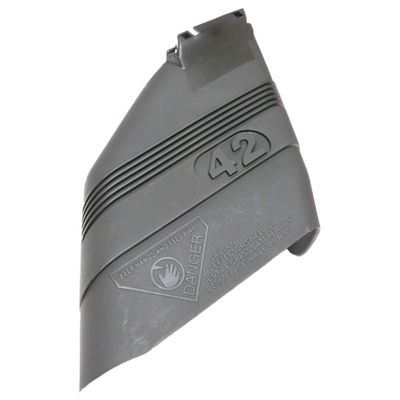
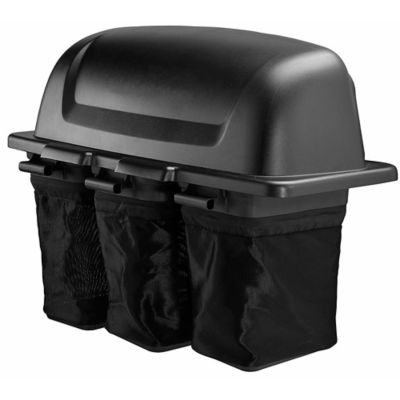
Steel is a common material for riding mower deck housings because it provides the rigidity needed to support rotating components and handle ordinary mowing conditions. Some decks have stamped shells formed into shape, while others have fabricated construction made from steel sections joined together. Neither description alone tells the whole story: steel thickness, reinforcement, weld placement, housing shape and the condition of mounting areas also affect how a deck holds up. Paint and protective finishes help shield the surface, but scrapes, trapped moisture and packed grass can expose metal to corrosion over time. The underside takes the brunt of the work, especially where damp clippings collect around baffles and spindle mounts. A sound housing provides the foundation for the cutting system, while the blades, bearings, belt and pulleys each play their own part in smooth operation. Bent metal near a spindle mount or a damaged hanger can affect alignment, and a fresh shell will not correct worn components transferred onto it. Deck wheels also deserve attention; on many mower designs, their role is to help limit scalping over uneven ground rather than carry the deck’s full weight throughout a pass. Around shallow dips, tree roots and the crown of a gravel lane, that distinction can show up in the finished cut. Discharge style matters as well. Side-discharge, mulching and bagging setups depend on compatible blades, baffles, covers and collection components, not simply a housing of the same size. A lawn with scattered leaves during the cooler months may call for a different clipping-management setup than a broad area of regularly trimmed grass, but any change still needs to follow the mower’s approved configuration. Wider cutting paths can reduce passes on open ground when paired with a suitable machine, while narrower setups can be easier to maneuver around beds and fences. In either case, these decks belong on maintained turf within the mower’s stated limits, not in brush, hidden debris or rough pasture growth.
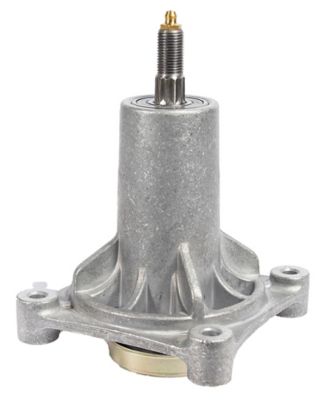
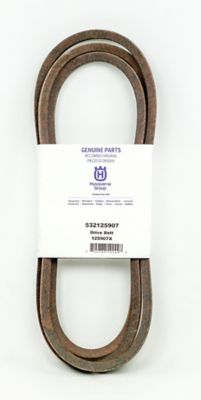
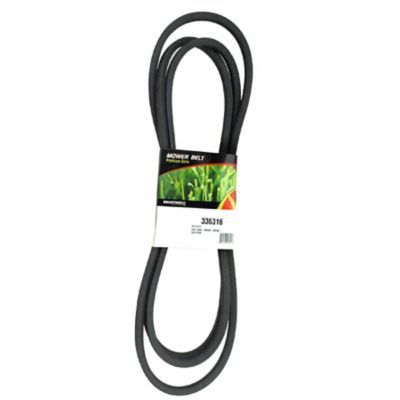
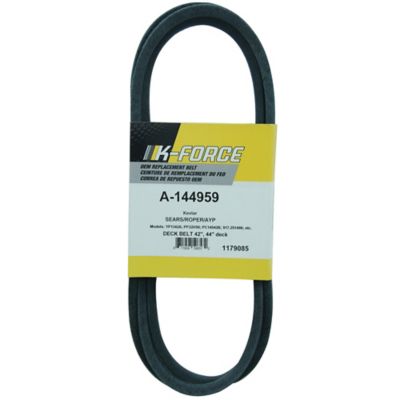
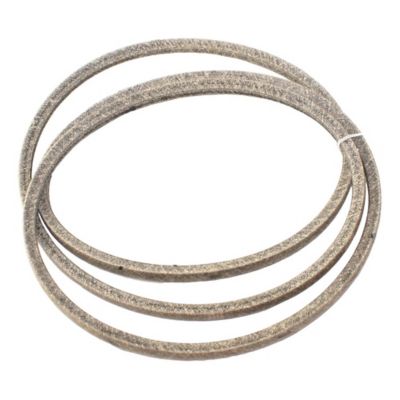
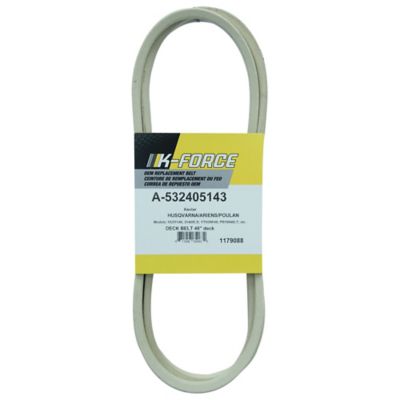
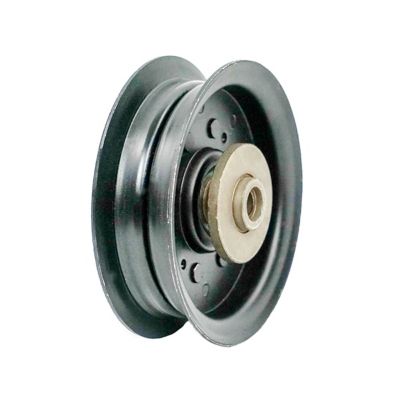
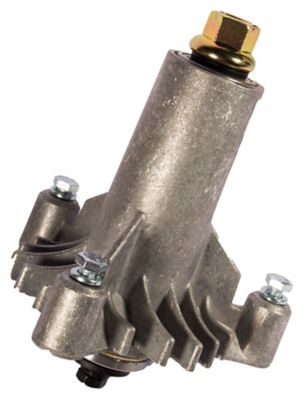
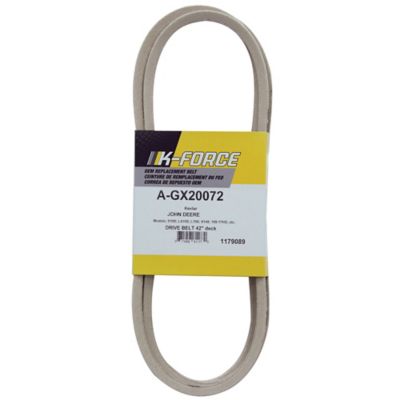
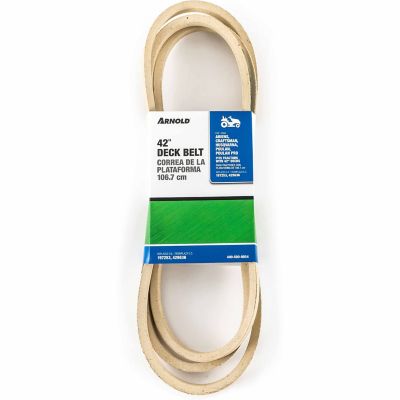
The small connections between the deck and the mower can be just as important as the large steel housing. Hangers, brackets, lift links and mounting hardware determine how the deck attaches and moves, while spindle and pulley positions establish the drive layout. Belt length and profile must match that layout; a belt that merely fits around the pulleys may still have the wrong tension or ride incorrectly in the grooves. Compatible
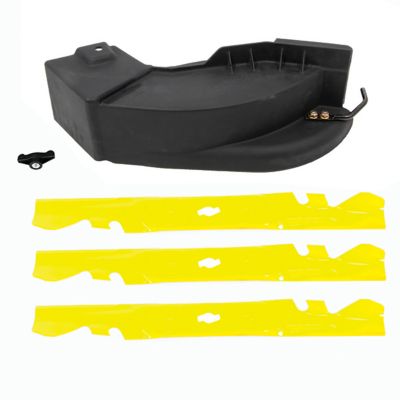
Riding Lawn Mower Deck Belts are part of that same system, carrying power to the cutting components according to the machine’s design. When comparing replacement deck configurations, it helps to account for the discharge chute, guards, belt covers and any hardware that may need to transfer from the existing assembly. A bare shell can involve considerably more assembly work than its simple appearance suggests, particularly when old fasteners are corroded or bearings need attention. Installation and adjustment should follow the mower manual, including the specified deck-leveling measurements and fastener torque values. An uneven cut does not always mean the housing needs replacement; tire pressure, blade condition and deck adjustment can also affect the result. Ongoing care centers on keeping the cutting area clear of buildup and checking for wear before it spreads to nearby components. Any inspection beneath the machine calls for the engine to be off, the key removed, moving parts stopped and the mower secured against starting or movement as directed in its manual. Cleaning methods should also follow that guidance, especially around bearings and any washout fittings. Before a mower sits through a stretch of colder weather, removing clippings and letting the deck dry helps reduce moisture trapped against the steel. Protected storage, attention to exposed metal and periodic checks of attachment points can help extend service life. For a machine that spends its working days circling the barnyard lawn or keeping the grass neat along the house, those details support a replacement deck that fits correctly, runs as intended and is easier to maintain season after season.