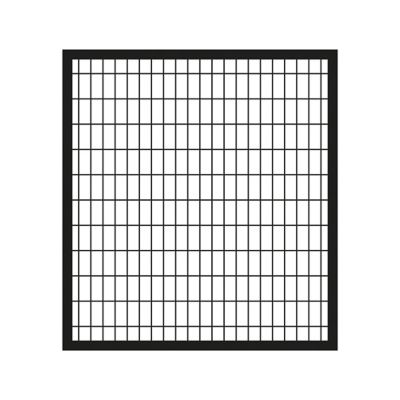
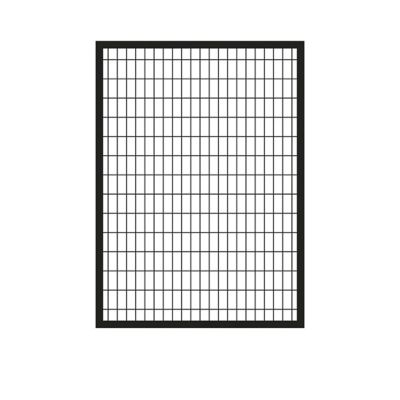
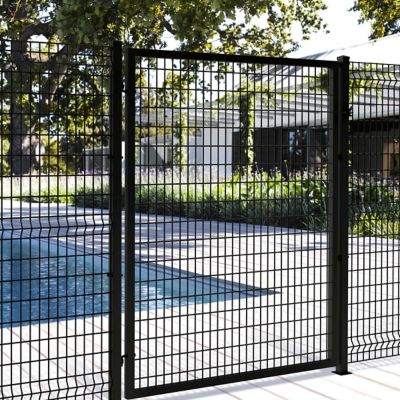
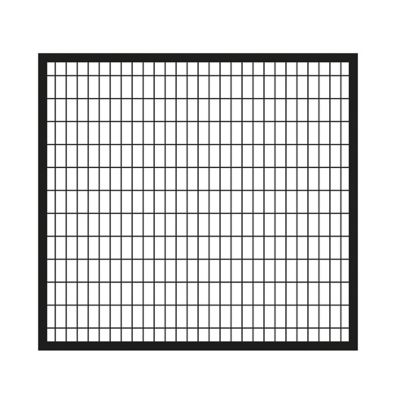
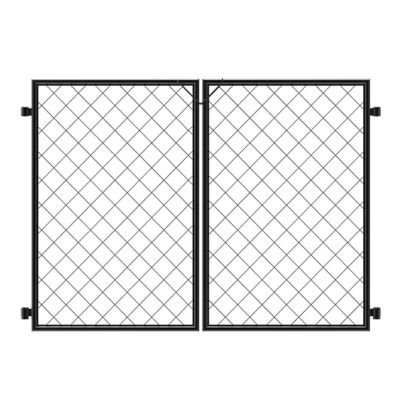
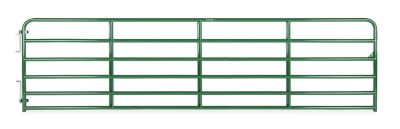
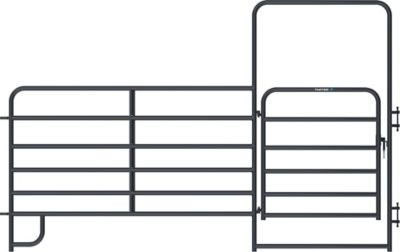
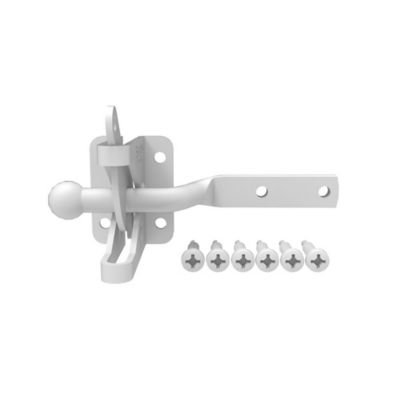
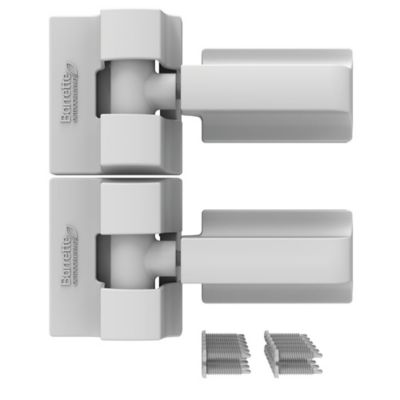
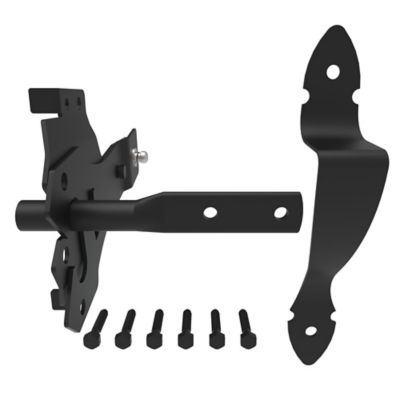
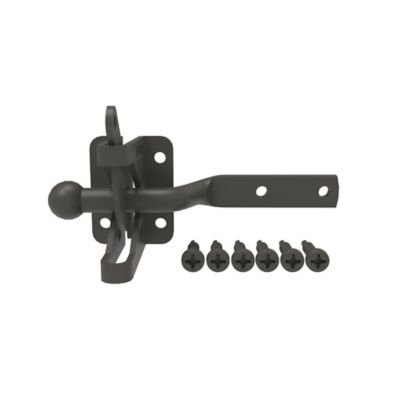
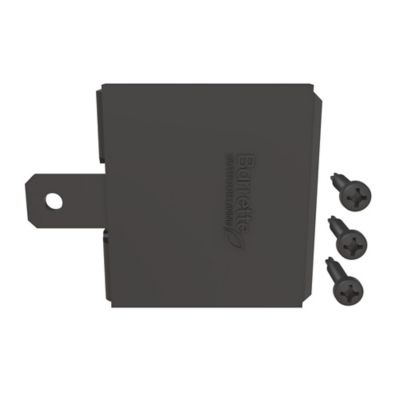
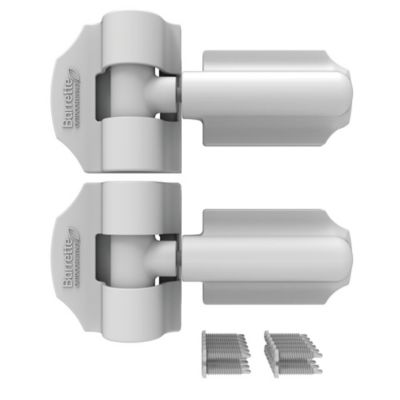
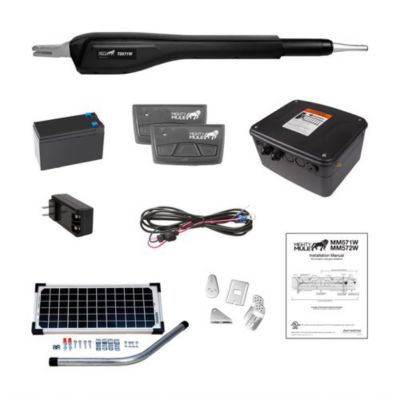
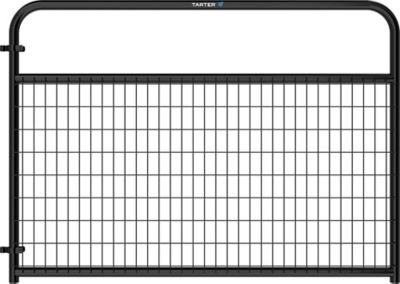
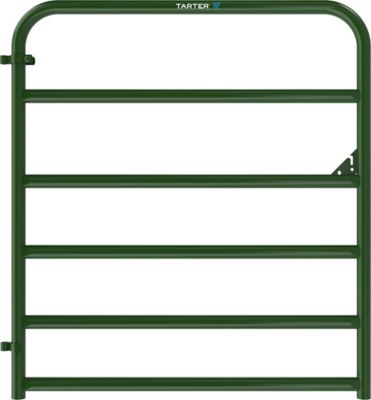
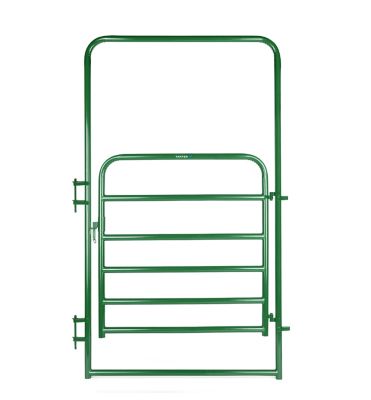
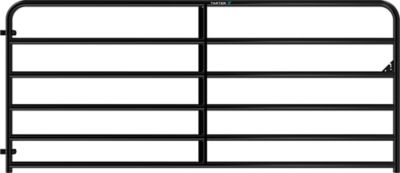
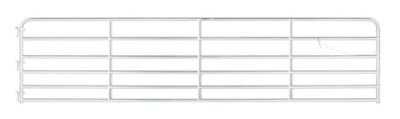
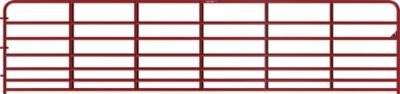
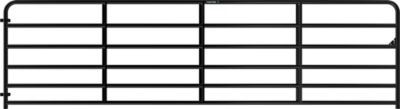
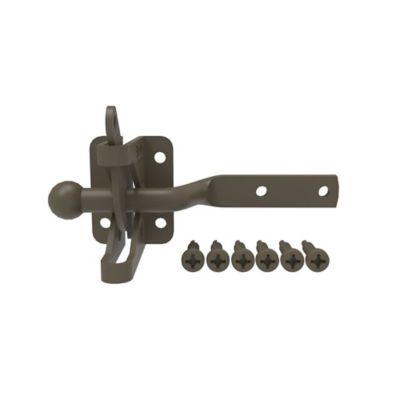
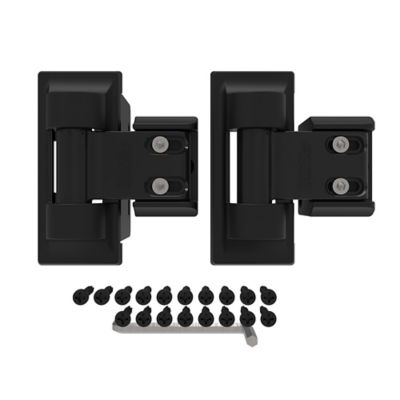
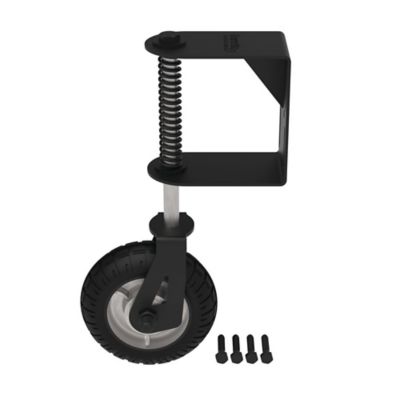
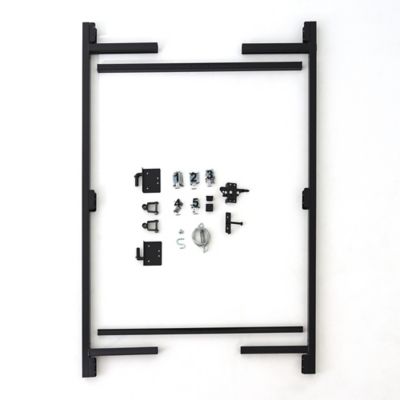
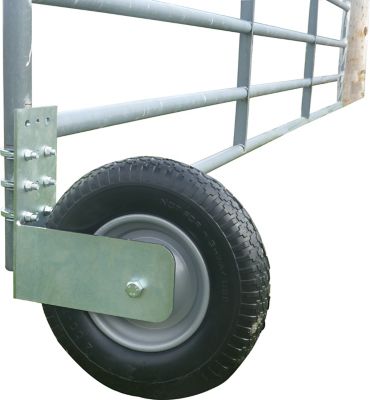
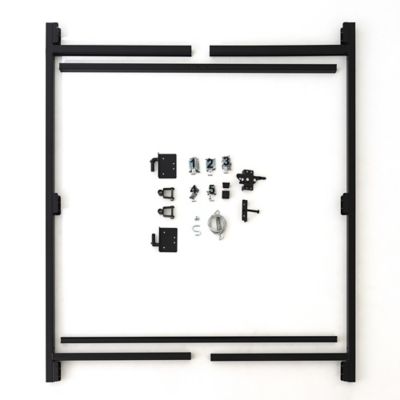
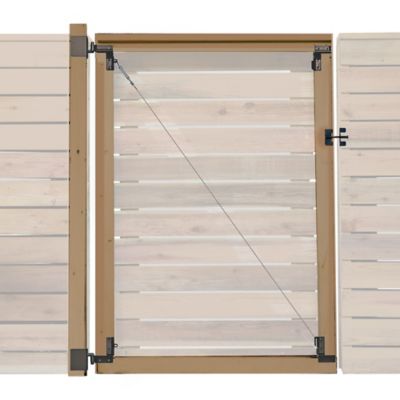
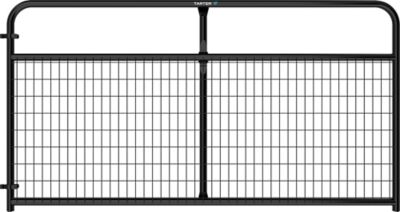
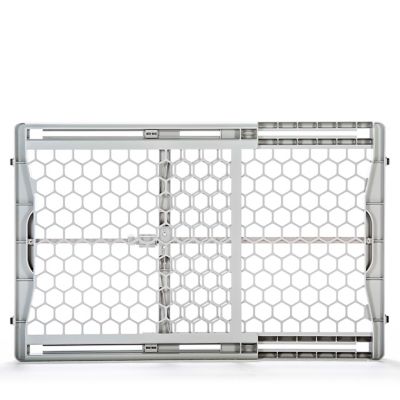
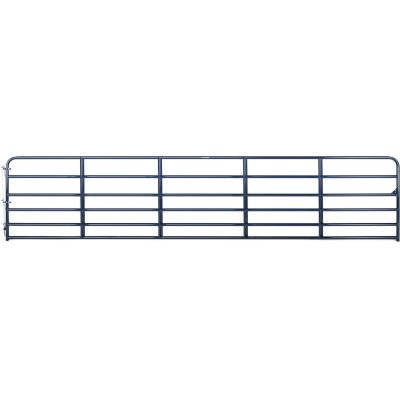
Stainless steel gates are a dependable choice for property entrances, driveways, walkways, garden areas, livestock spaces and work sites where strength and a clean appearance matter. Built to handle regular use, stainless steel offers excellent resistance to corrosion and moisture compared with ordinary steel, making it a practical fit for rainy climates, coastal air, wash-down areas and busy farm or ranch properties. The smooth metal surface also brings a neat, modern look to a home, shop, barn or commercial building without the upkeep that comes with frequently repainting a wood or mild-steel gate. Homeowners may use a stainless steel gate at the end of a driveway, beside a pool or around a side yard, while farmers and landowners may install one at a ranch entrance, equipment area, kennel, garden or service lane. In industrial settings, these gates can help separate work zones, protect machinery or control access between buildings. Their simple appearance works well with brick, stone, siding, concrete and fencing, so they can blend into an existing property instead of looking like an afterthought. Stainless steel gates are available in different sizes and configurations, including swing gates that open inward or outward and sliding gates that move along a track. Swing styles can suit pedestrian entrances, garden paths and smaller driveways, while sliding styles are useful where a wide gate needs to operate without taking up extra swing space. Depending on the setup, a gate may be opened by hand or paired with an automated operator, access control, latch or locking system. Before choosing a gate, measure the opening carefully from post to post and check the available clearance, ground slope and surrounding fence line. Account for hinges, latches, stops and posts rather than measuring only the open span. A driveway gate also needs enough room for vehicles, trailers, mowers and delivery equipment to pass through comfortably, with extra thought given to turning space on either side. For a walk-through gate, consider the width needed for people, wheelbarrows, carts and routine maintenance equipment.
When comparing stainless steel gates, pay attention to the steel grade, construction, finish and hardware as well as the overall size. Grade 304 stainless steel is a common choice for general outdoor use and provides strong corrosion resistance in many residential, agricultural and commercial settings. Grade 316 stainless steel contains added molybdenum, which improves resistance in especially demanding conditions such as marine air, salty roads, chemical exposure or frequent contact with moisture. In applications that require welded components, 304L and 316L varieties may be considered because their lower carbon content supports corrosion resistance around welds. Stainless steel is highly resistant to rust, but it is not completely maintenance-free or rust-proof. Dust, fertilizer, salt, hard-water residue and airborne iron particles can collect on the surface and eventually leave discoloration if they are not cleaned away. A periodic rinse with clean water and a mild soap is usually enough to keep the finish looking bright. Use a soft cloth or non-abrasive sponge, wipe in the direction of the grain when the surface has a brushed finish, and dry the gate afterward to reduce water spots. Avoid steel wool, harsh scouring pads and cleaners that contain chlorine or abrasive grit, since they can scratch the finish or introduce particles that lead to surface staining. Hinges, rollers, tracks, latches and automatic operators deserve attention too. Keep sliding tracks clear of gravel, leaves, mud and ice, and check that hinges move smoothly without sagging or binding. In areas that see freezing weather, make sure water does not collect around the gate posts or hardware, where it can freeze and interfere with operation. A properly supported gate should move evenly and close securely without dragging across the ground. Heavy gates may require sturdy posts set to the right depth and a firm foundation, so installation details should match the gate’s weight, opening size and intended use. For powered gates, follow the manufacturer’s installation and safety requirements, and consider a manual release for outages or emergencies.
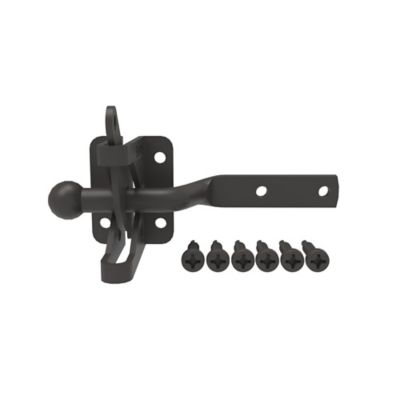
A stainless steel gate can add practical security without making a property feel closed off. A ranch entrance can use a solid, well-supported gate to help manage vehicle access, while a farm can place gates between pasture areas, barns and equipment yards to guide traffic and keep certain spaces closed. Around a home, a gate may help define the edge of a driveway, protect a garden from pets or wildlife, or create a more finished entry to a side yard. Gates near pools, ponds, stairs or other hazards should be selected and installed according to applicable local safety rules, including requirements for self-closing, self-latching and child-resistant access. Check local building codes, property restrictions and utility locations before digging post holes, particularly for driveway entrances and automated installations. Buyers in wet or snowy areas may want to give extra weight to drainage, corrosion resistance and easy-to-clean surfaces, while those in open country should consider wind exposure and whether the gate will be used during muddy or icy conditions. A well-matched latch is important for everyday convenience, and a lockable design can provide an added measure of control for sheds, workshops, storage areas and private drives. Stainless steel is often chosen for its long service life, which can make the higher upfront cost worthwhile when compared with materials that need more frequent painting, sealing or replacement. For properties where a bright metal appearance is not the goal, compare the available finish with nearby fencing and building materials so the completed entrance feels natural. Those looking for a lighter, lower-maintenance barrier for certain residential, garden or utility uses may also want to compare stainless steel with
Plastic Gates. No matter the setting, choosing the right width, grade, opening style, hardware and support posts will help a gate operate reliably through changing weather and the everyday wear of rural life.