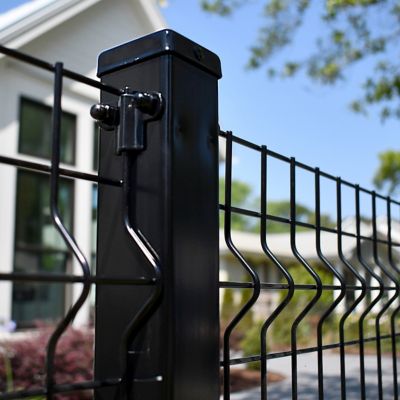
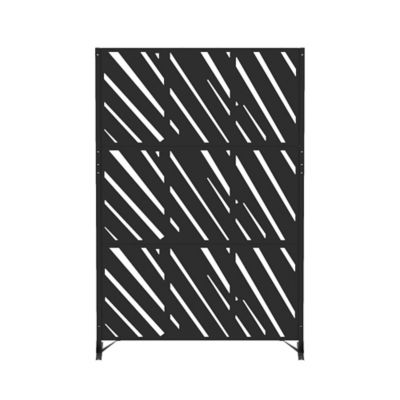
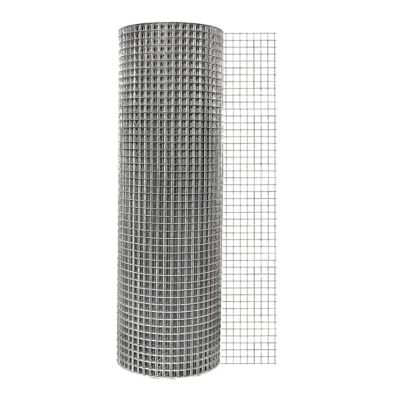
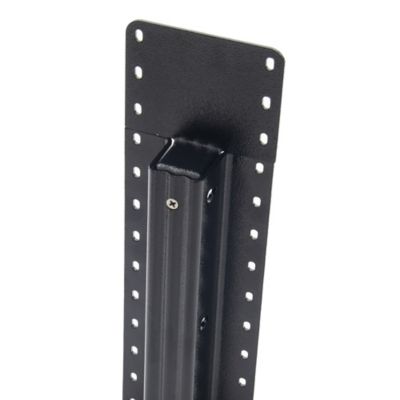
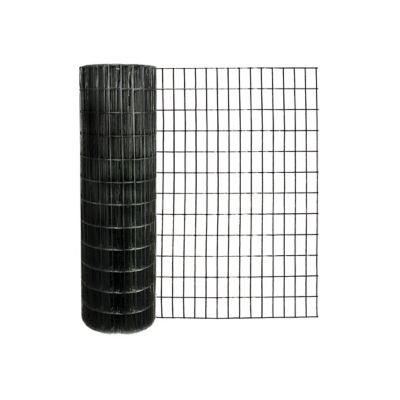
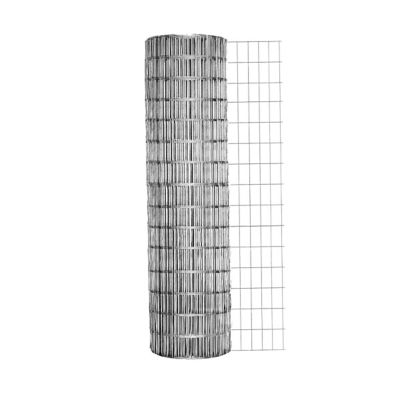
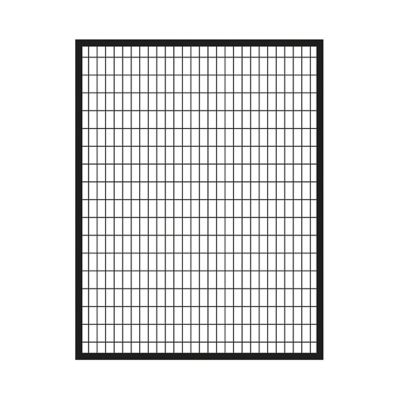
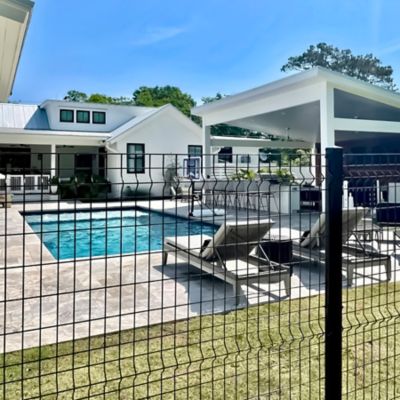
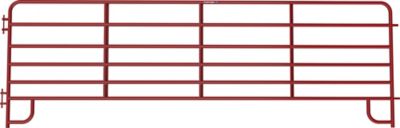
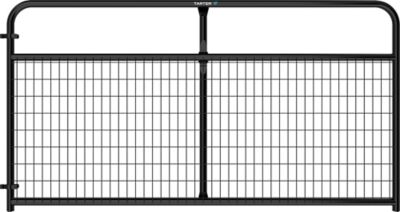
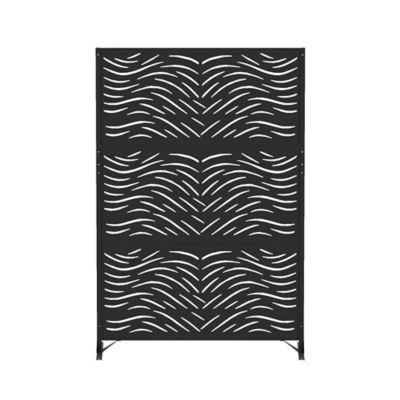
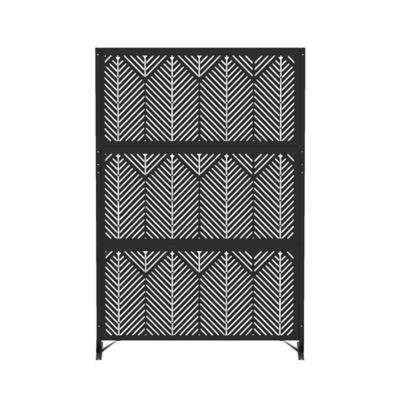
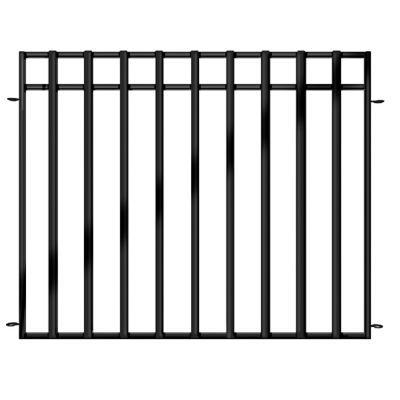
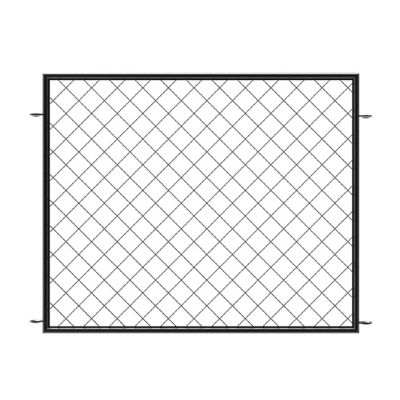
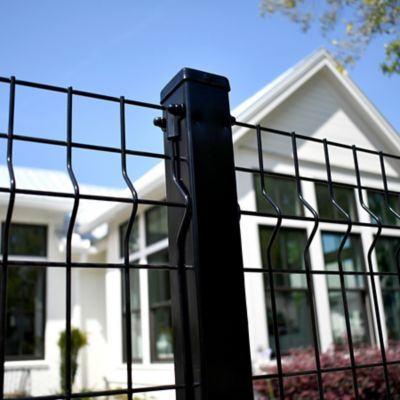
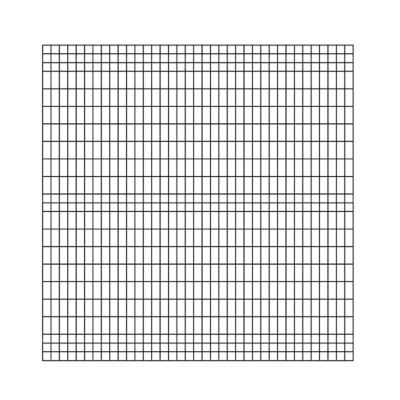
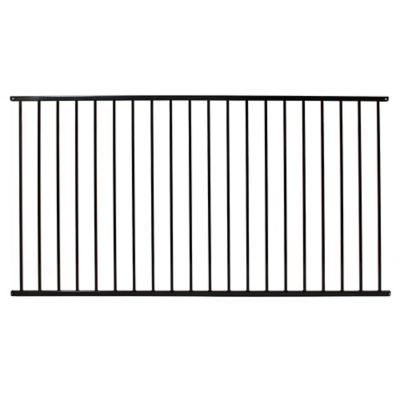
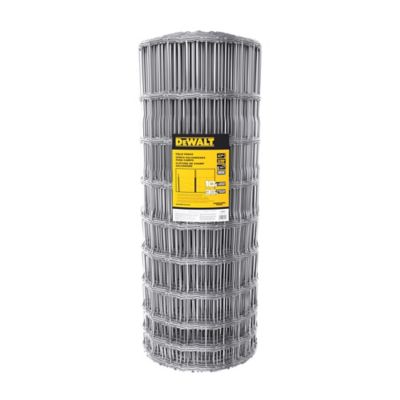
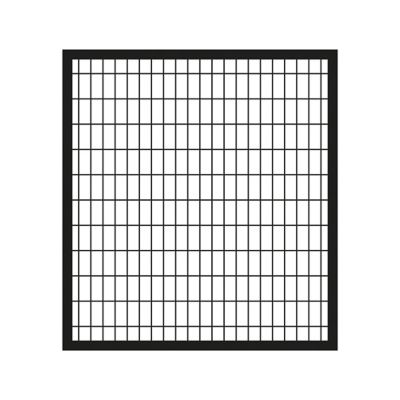
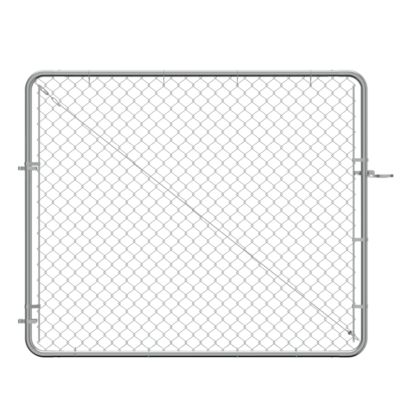
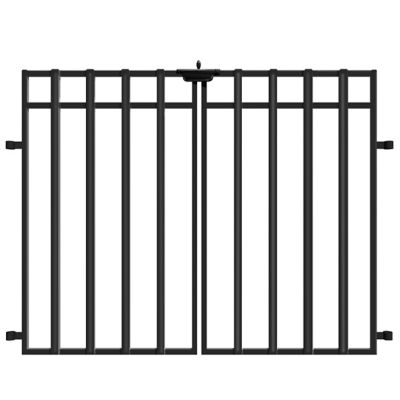
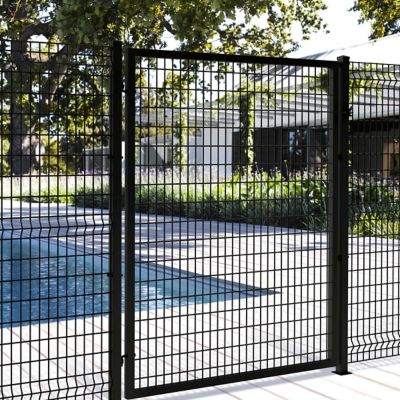
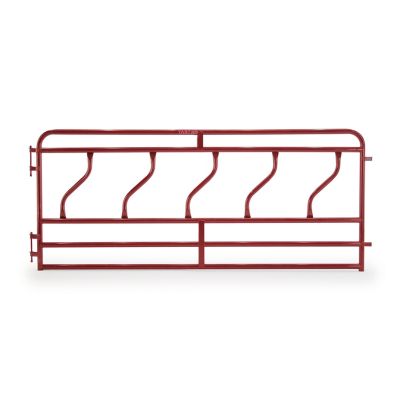
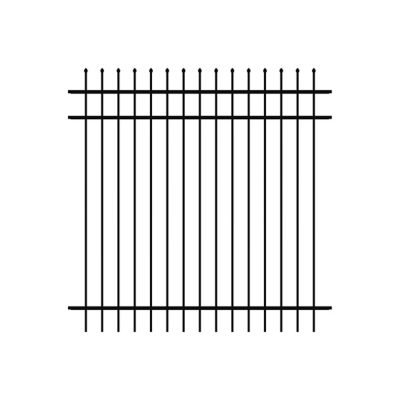
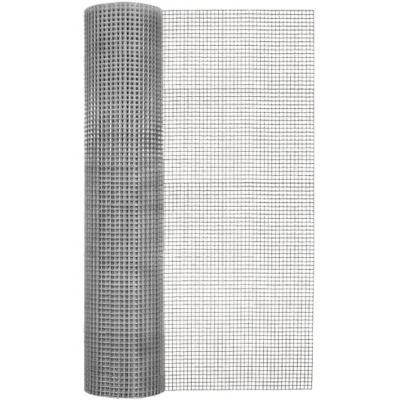
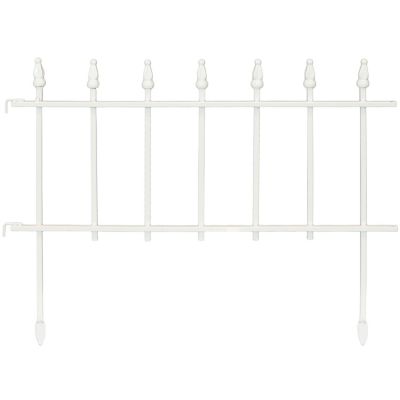
Steel fences bring a solid, dependable feel to property lines, gardens, driveways, livestock areas and work yards. Steel is built to stand up to bumps, wind, daily use and the kind of rough weather that can leave lesser materials looking tired. Depending on the style and finish, a steel fence can provide an open view, a measure of privacy, decorative curb appeal or a sturdy barrier around an area that needs to stay protected. Ornamental designs can frame a front yard or driveway with a clean, finished look, while simple picket-style layouts help define a boundary without making the space feel closed in. Corrugated and other solid-panel styles offer a more modern appearance and greater privacy, and high-strength layouts are well suited to agricultural, commercial and industrial settings. Steel mesh is another practical choice when visibility and airflow matter, especially around gardens, kennels, utility areas and other spaces where a clear view makes everyday chores easier. Browse
Steel Mesh Fences for fencing options that balance strength with an open design. With so many patterns, heights and finishes available, steel fencing can fit in just as naturally around a country home as it can along a busy barnyard lane.
When choosing steel fencing, start with the job the fence needs to handle. A boundary fence around a home may call for a finished appearance and enough height to mark the property clearly, while a garden enclosure may need smaller openings to help keep out nibbling animals. A pool or recreational area typically calls for careful attention to local safety requirements, gate placement and the spacing between rails. For horses, cattle or other farm animals, strength, smooth edges, proper spacing and secure fastening are especially important. Think about the ground, too. A straight, level run is usually simpler to lay out than a fence crossing rocky soil, a slope or a low-lying area that holds water. Measure the length of each section, account for corners and gate openings, and check local rules before ordering materials. Steel is heavier than many other fencing materials, so planning for delivery, handling and installation can save a lot of aggravation once the materials arrive. Some fencing is designed in ready-to-assemble sections, while other layouts may need more cutting, fitting or specialized installation. Solid posts, properly set supports and well-secured connections help a fence stay straight when the ground shifts or strong winds push against it. It is worth taking a few extra minutes with the layout; a carefully marked fence line looks better, uses materials more efficiently and makes future repairs easier. Many rural property owners have learned this the hard way after setting a corner post just a little off line and discovering that every following section had to be nudged to match. A little patience at the beginning can make the finished run look crisp from the road and dependable from the pasture.
Steel fencing is valued for its long service life and relatively low maintenance, but the finish still matters. Galvanized steel has a protective zinc coating that helps guard against rust and corrosion, making it a sensible option for exposed locations and changing weather. Powder-coated finishes add another protective layer and can provide a smoother, more uniform appearance. No fence is completely maintenance-free, especially in places where soil, moisture, manure, road salt or damp leaves collect around the base. During the cooler months, walk the fence line after heavy rain, high winds or freezing weather and look for loose fasteners, bent sections, damaged coating and areas where water tends to stand. A soft brush or gentle rinse can clear away dirt and buildup, while small spots of surface wear are easier to address before rust has a chance to spread. Keep vines, brush and tall grass from pressing against the fence, and make sure gates swing freely without dragging across the ground. In farm settings, check areas near feeding and watering points more often, since repeated contact from equipment and animals can put extra strain on the fence. Steel generally costs more upfront than some wood or lightweight fencing choices, but its strength, clean appearance and lower day-to-day upkeep can make it a worthwhile investment over time. Whether the goal is to tidy up a homestead boundary, protect a garden, add security around a work area or give a well-used property a more finished look, steel fencing offers a durable foundation for the job. During changing seasons, it keeps doing the quiet work of guiding traffic, marking boundaries and protecting the spaces that matter most.