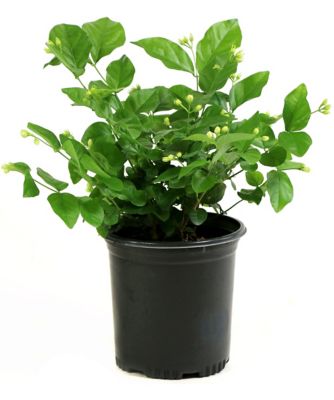
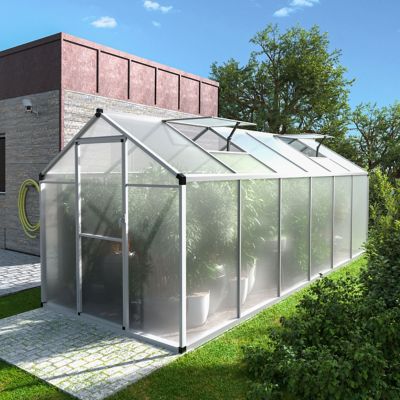
Spring garden plants bring fresh color, new growth and the promise of homegrown meals after the slower stretch of the year. When browsing plants for a garden, start by thinking about the growing conditions around your home. Your USDA hardiness zone, local frost dates, sunlight, soil type and available space all help determine which plants are likely to settle in well. A sunny spot with six or more hours of light can support many vegetables, herbs and flowers, while a porch, patio or small yard may call for containers and compact growing options. Check the plant tag or listing details for light, spacing, watering and temperature needs before making a selection. Cool-season plants often get off to a strong start when the air is mild and the soil is beginning to warm. Leafy greens such as lettuce, spinach and kale can provide tender leaves for salads and sandwiches, while root vegetables including radishes, carrots and beets develop below the soil and can handle chilly conditions. Peas are another natural fit for an early garden, especially when given a trellis, fence or other support to climb. Their fresh pods are easy to gather during a morning walk through the garden, and their vertical growth makes good use of limited space. For cooks who like to snip fresh flavor close to the kitchen, herbs such as chives, parsley, cilantro, dill and basil can bring a practical touch to garden beds, window boxes and containers. Some herbs prefer cooler weather, while others perform best once temperatures rise, so staggering plantings can help keep the harvest going through changing conditions.
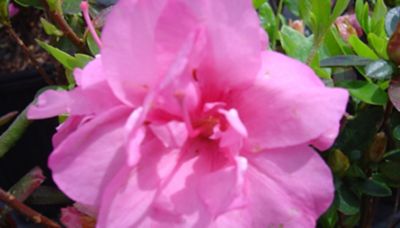
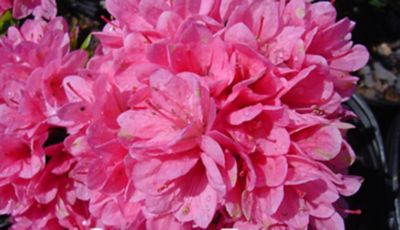
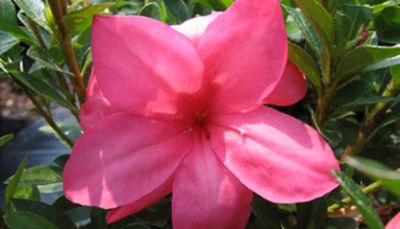
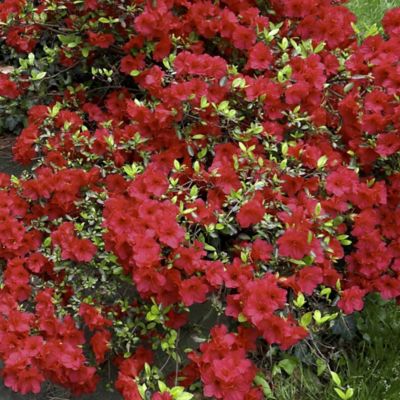
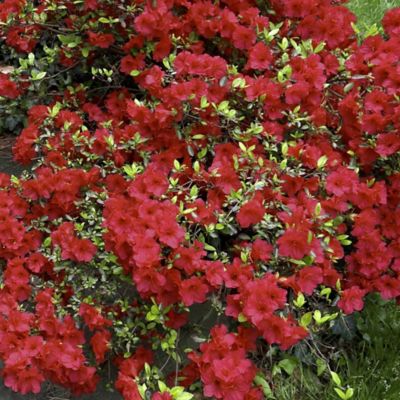
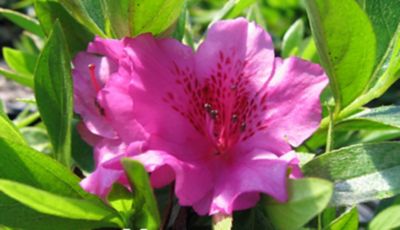
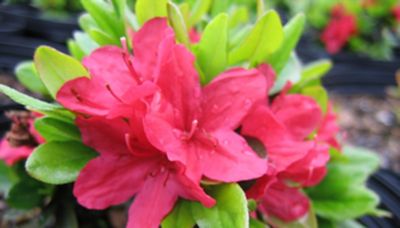
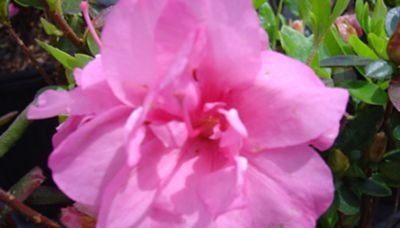
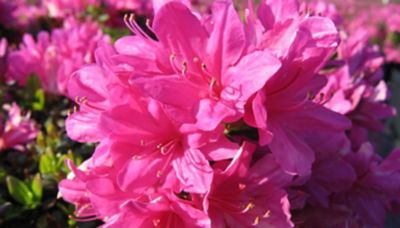
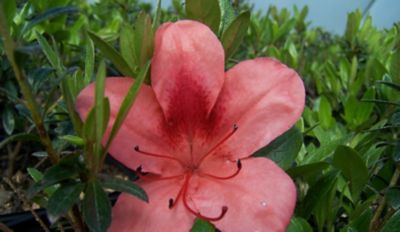
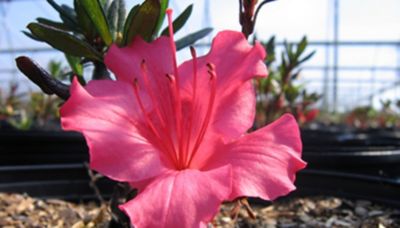
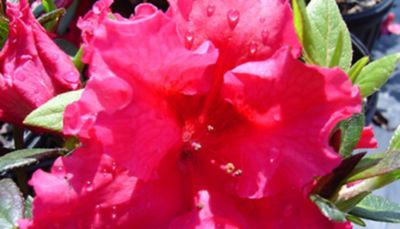
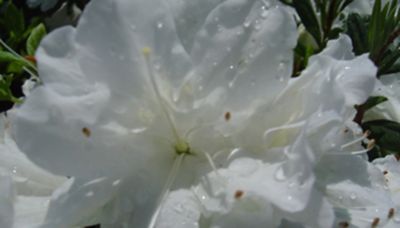
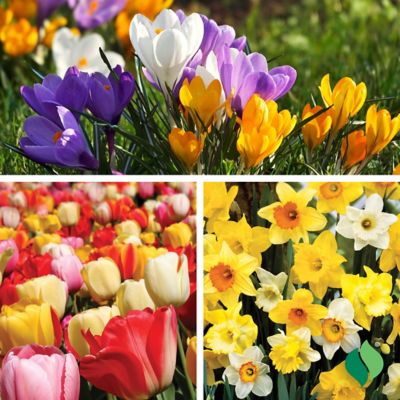
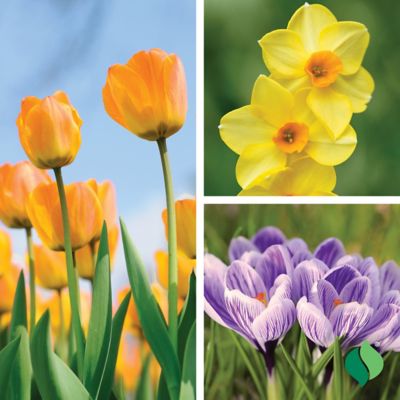
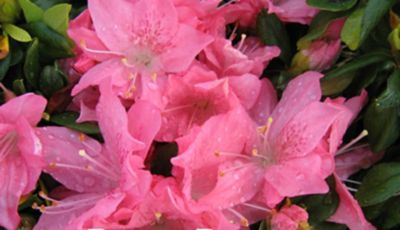
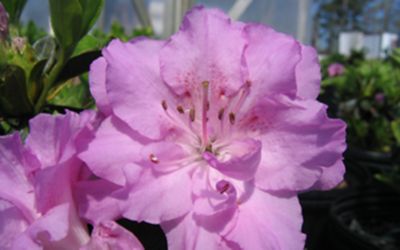
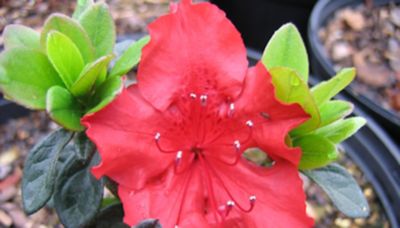
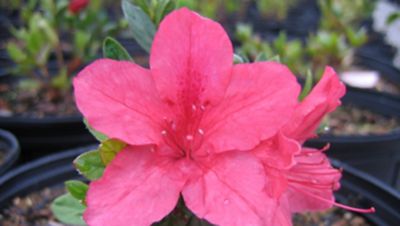
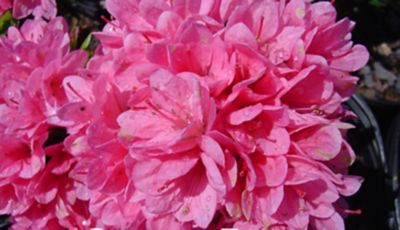
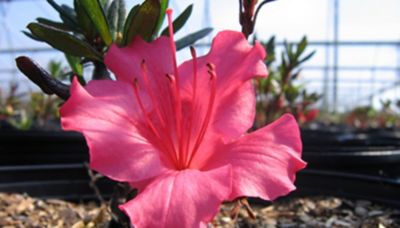
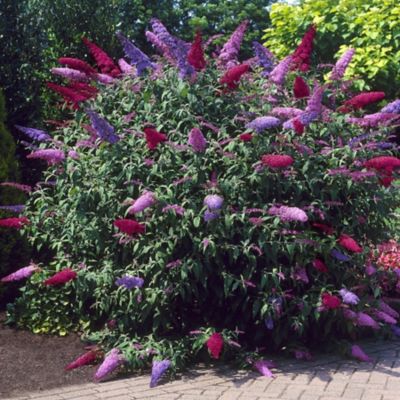
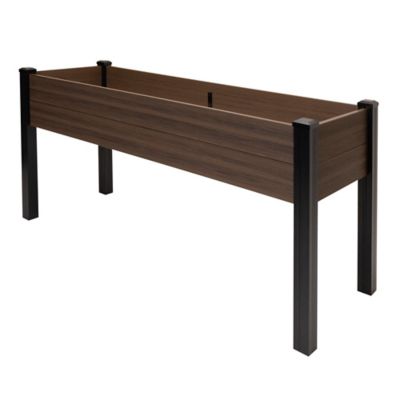
Flowers can add bright color to garden beds, entryways and outdoor seating areas while also giving pollinators places to visit. Spring bulbs such as tulips, daffodils and hyacinths spend much of their early life below the soil before sending up leaves and blooms, often creating a welcome splash of color after winter. Pansies, primroses and violas are well suited to cool mornings and can fill containers or borders while the weather remains mild. When choosing flowering plants, consider bloom height, mature spread and the colors already present around your home. A taller planting can provide a backdrop along a fence, while shorter flowers work well near paths, steps and raised beds. Plants with similar water and sunlight needs are easier to care for when grouped together. Containers offer plenty of flexibility for renters, apartment dwellers and gardeners working with heavy clay, rocky ground or limited yard space. Choose pots with drainage holes, match the container size to the plant’s expected growth and place them where watering is convenient. Raised beds and in-ground gardens provide more room for vegetables, herbs and flowers, but the soil may need added compost or other amendments to improve drainage and support steady root growth. Keep new plants protected from late cold snaps, strong wind and sudden temperature shifts, especially when moving them from a sheltered indoor setting to the outdoors. A few minutes spent checking moisture at the soil surface, clearing competing weeds and watching for signs of stress can make a noticeable difference as plants become established.
Spring garden plants can also make a thoughtful gift for a new homeowner, a parent who enjoys cooking, a neighbor with a sunny porch or anyone who likes spending time outdoors. A small collection of edible plants can give a beginning gardener a simple place to start, while flowering plants can brighten a front step, patio or kitchen window. For a present with a practical purpose, browse
Vegetable Plants For Mother's Day when selecting garden-ready options for someone who enjoys fresh produce and time in the soil. Before giving or planting, consider the recipient’s space, daily schedule and access to sunlight. A container garden may suit someone with a balcony, while a larger yard can accommodate rows, trellises and mixed beds. Garden gloves, plant supports, potting soil and a watering can may also help make planting easier, though the plants themselves remain the main focus. As the weather warms, water new plantings deeply enough to reach the root zone without leaving soil soggy, and check containers more often because they dry out faster than garden beds. During cooler months, protect tender growth according to local conditions and bring suitable containers into a sheltered spot when needed. With thoughtful placement and steady care, spring garden plants can offer crisp greens, fragrant herbs, colorful blooms and a satisfying connection to the land from the first signs of new growth through the changing seasons.