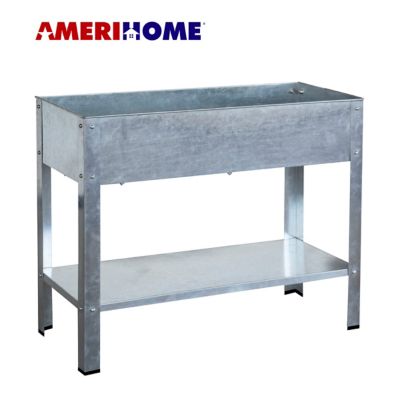
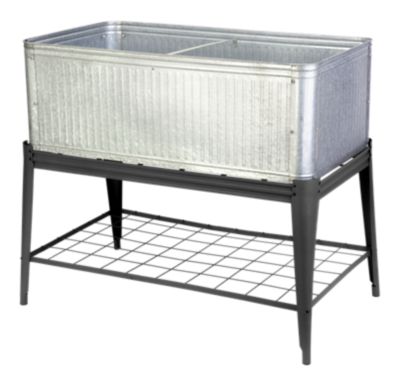
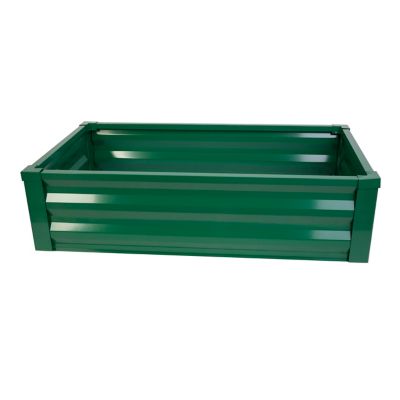
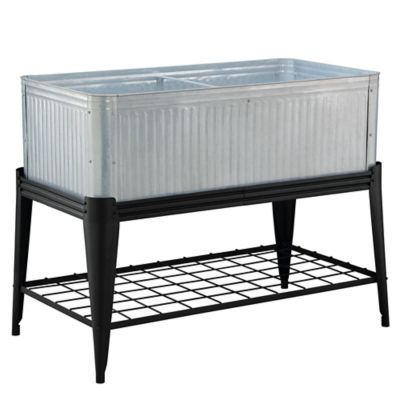
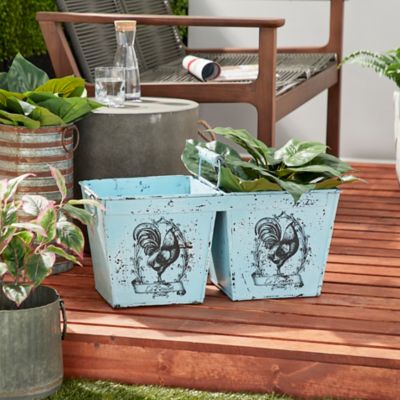
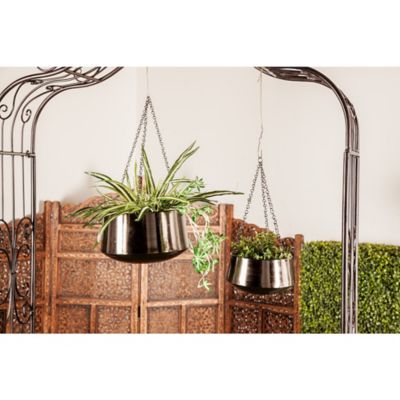
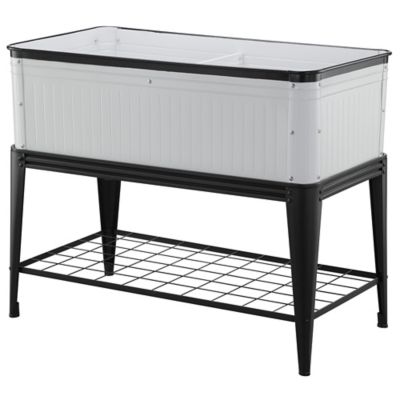
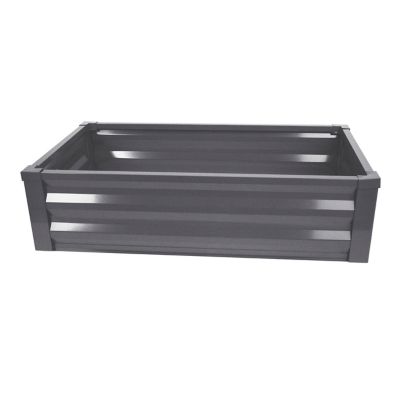
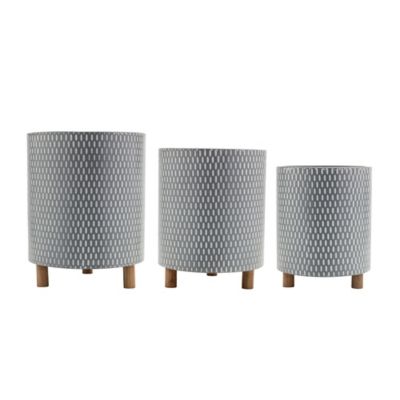
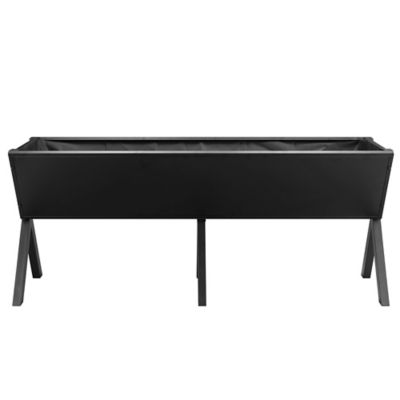
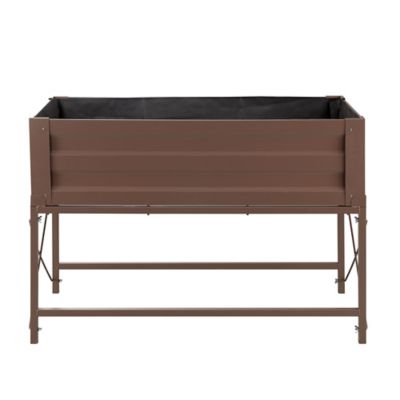
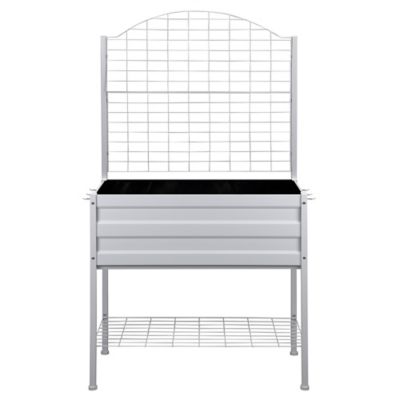
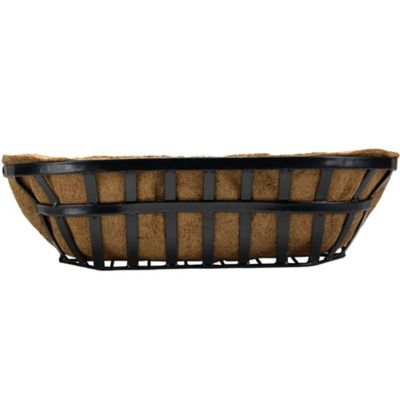
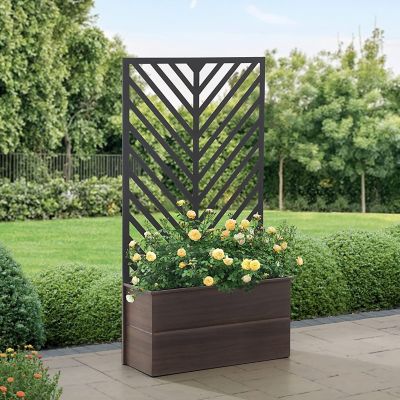
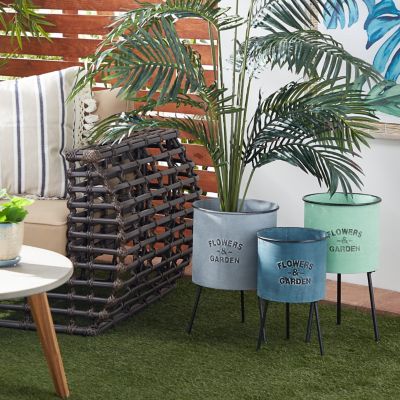
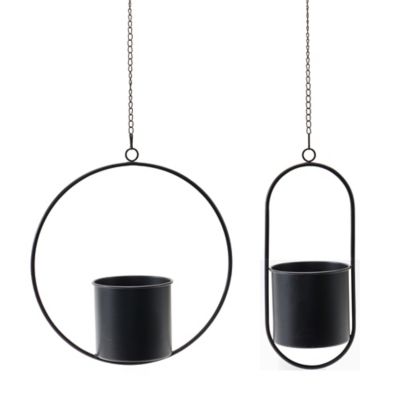
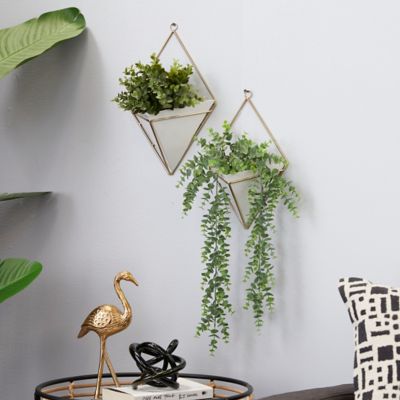
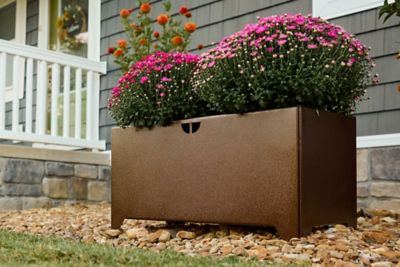
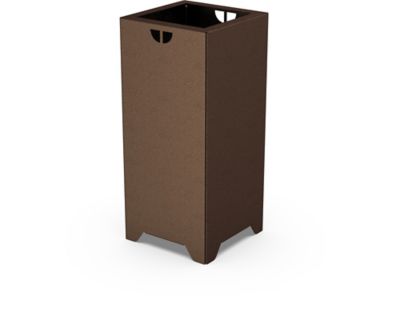
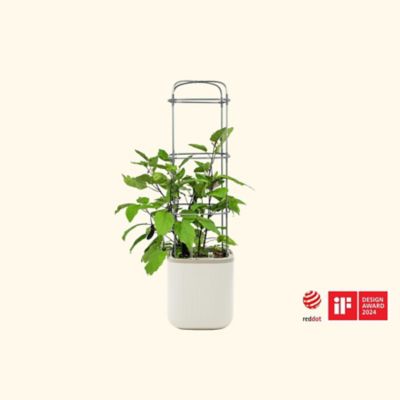
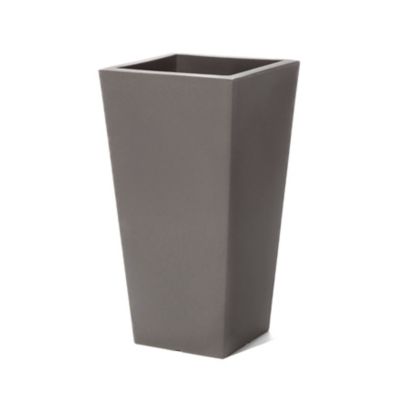
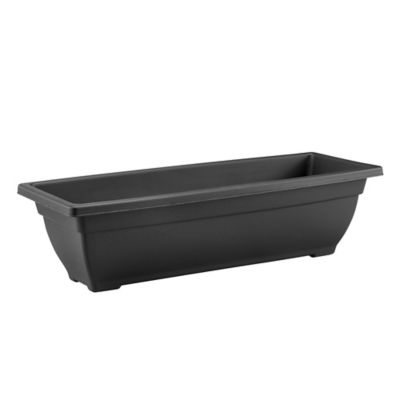
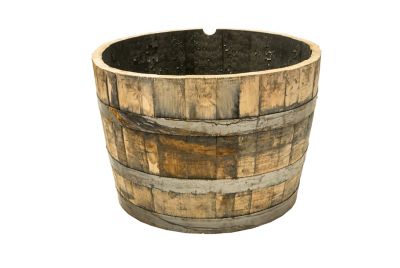
Metal garden planters are containers made from materials such as steel or aluminum that hold soil for flowers, herbs, vegetables, and other plants. Their firm walls and clean outlines suit everything from a few herbs beside the kitchen door to a generous planting space along a fence. The category includes freestanding pots, long troughs, hanging containers, and raised beds, with different shapes serving different spaces. A narrow rectangular planter can tuck against a porch railing without taking over the walkway, while a wide, low container gives spreading flowers room to fill out. Taller planters bring greenery closer to eye level and can reduce the amount of bending involved in tending plants, though the actual planting depth depends on the container’s construction. Some tall designs have an elevated interior shelf rather than a full-depth growing space. Galvanized steel has a zinc coating that helps protect the underlying metal from corrosion. Aluminum generally weighs less than a comparable steel container and does not develop the reddish rust associated with iron, although it can still corrode under certain conditions. Painted and powder-coated finishes add color and another protective layer, with performance depending on the metal, coating, construction, and care. Bare metal edges, rolled rims, reinforced corners, and seams all affect how a planter feels and functions. A smooth rim is especially welcome where hands frequently reach in to pinch herbs or pull a few weeds. Size matters beyond appearance: the outside measurements determine whether a planter fits beside the steps, but the inside dimensions determine how much room roots have to grow. For a patio beside the house or a planting area near the barn, the right fit leaves room to walk, water, and reach plants without squeezing past a full container. A broad base also helps support taller plantings, while a compact footprint can suit a small entryway where every inch counts.
A metal planter works best when its growing space matches both the plants and the way the container will be tended. Shallow-rooted herbs and smaller flowers need a different amount of soil than a large vegetable plant or a shrub with a substantial root system. Enough soil volume gives roots room to spread and provides a larger reserve of moisture between waterings. A deep exterior alone does not guarantee that capacity, so interior depth and any built-in insert deserve attention. Drainage is just as important as room for roots. Containers with closed bottoms need a way for excess water to escape, whether through drainage holes or a removable growing pot with its own drainage. A planter without an outlet can serve as an outer container, provided collected water can be emptied and the inner pot is not left standing in it. A layer of gravel at the bottom does not replace drainage holes. Potting mix intended for containers generally offers a better balance of air space and water retention than dense soil dug straight from the yard. Open-bottom metal raised beds are a different setup: they contain the planting area while allowing roots and water to move into suitable ground below. On a hard surface, that same frame needs a base arrangement designed to hold the soil and manage drainage. For edible plants, manufacturer guidance about the metal, interior coating, and suitability for food gardening matters more than appearance alone. Liners should also be suitable for the intended planting and arranged so they do not block drainage. Practical details can make daily tending easier, too. A container near a water source saves carrying a heavy watering can across the property, and enough space between planters leaves room to reach the back row. Where water drains onto a porch or paved area, a suitable tray or planned drainage path helps protect the surface without keeping roots waterlogged.
Metal garden planters bring a straightforward, hardworking look to outdoor spaces, whether the setting is a farmhouse porch, a small backyard, or a gravel courtyard beside the shop. A galvanized finish pairs easily with wood fencing and stone paths, while painted metal can blend with porch furniture or provide a clear contrast against green leaves. Matching containers can frame an entrance, and a longer trough can gather several compatible plants into one defined planting area. Plants sharing a container need similar light and watering requirements, even when their leaf shapes and heights differ. The practical side of ownership starts with placement: a planter filled with damp potting mix can be much heavier than the empty container suggests. Handles may be intended only for repositioning an empty planter, and raised stands, rail brackets, and supporting surfaces need weight ratings appropriate for the filled setup. Protective feet or pads can help prevent direct rubbing against a finished surface, provided they keep the container stable and leave drainage openings clear. Ongoing care is usually centered on keeping outlets open, removing soil from exterior seams, and cleaning with methods approved for the finish. Abrasive pads and harsh cleaners can damage protective coatings. Scratches that expose steel deserve attention according to the manufacturer’s care directions, since exposed areas can develop rust. Aluminum, galvanized steel, and coated steel each have different maintenance needs; no single finish makes every planter maintenance-free. For spaces where frequent rearranging is part of the routine, weight may be the deciding factor.
Plastic Planters offer another material to compare when a lighter container is a priority. Metal containers can also make a thoughtful gift for someone who enjoys tending a porch garden or keeping fresh herbs close to the kitchen. Matching the recipient’s growing space, lifting comfort, and favorite plants makes the choice more useful than picking by appearance alone. With the right proportions and planting setup, a metal planter gives everyday growing a tidy, well-defined home.