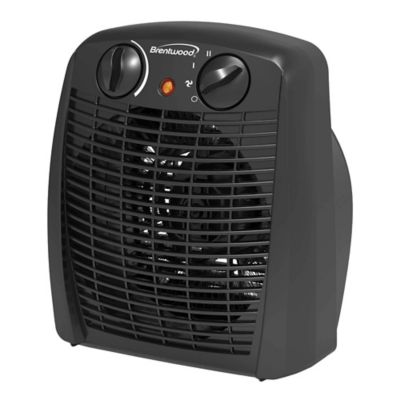
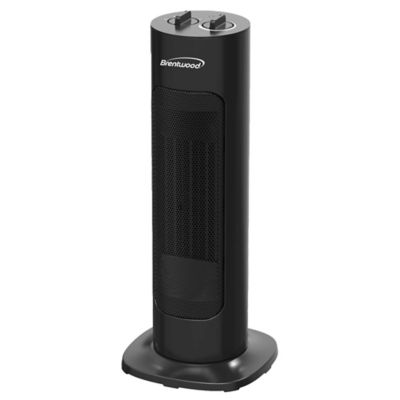
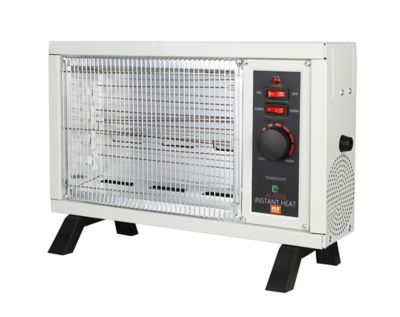
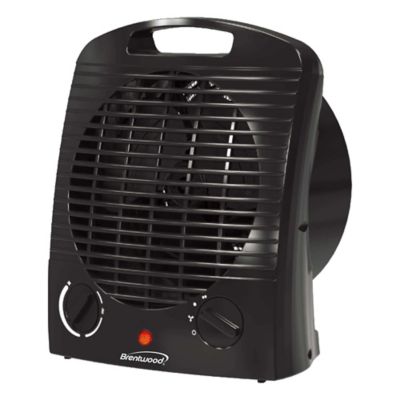
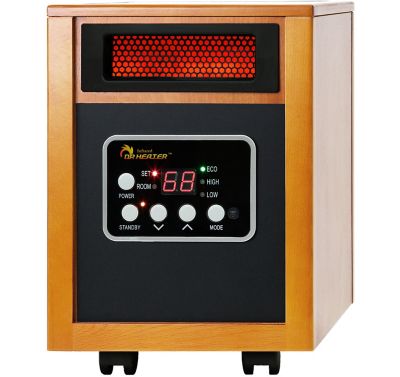
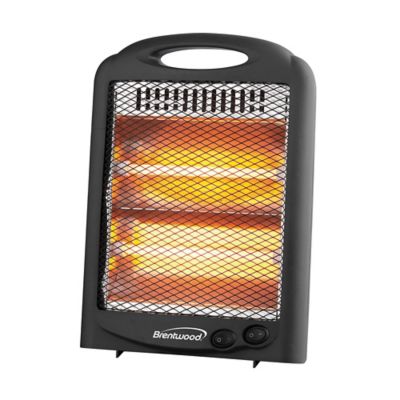
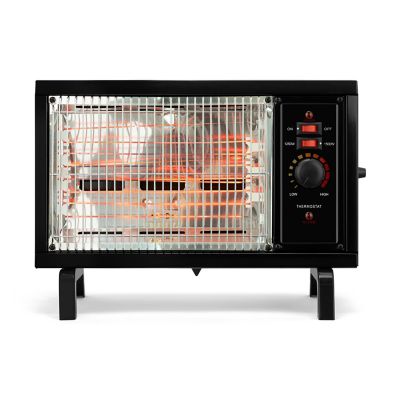
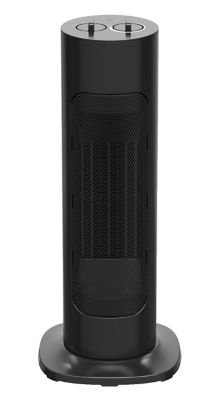
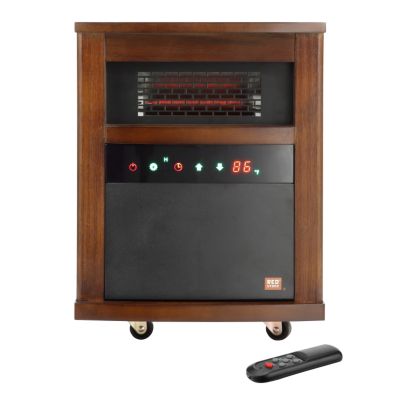
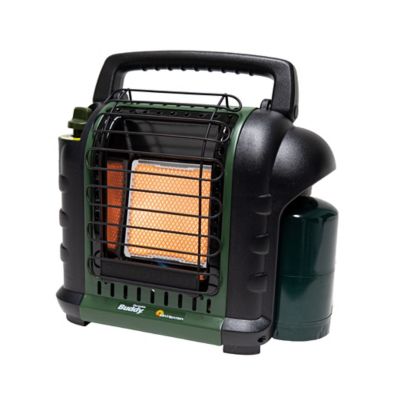
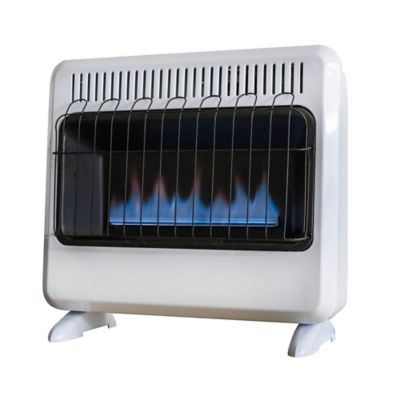
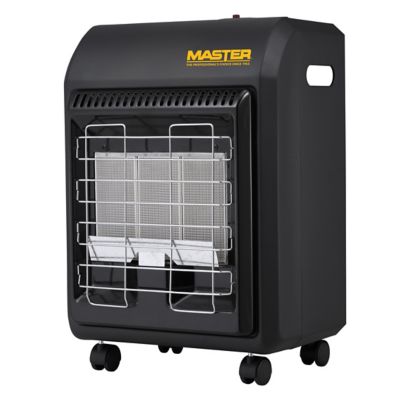
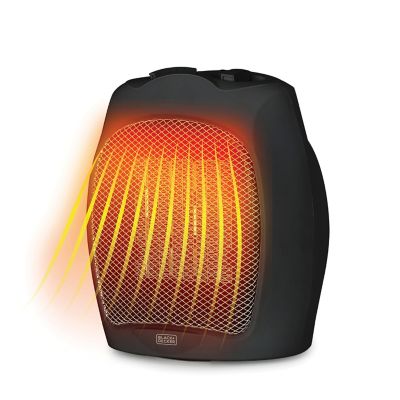
Space heaters with tip-over protection have a built-in safety switch or sensor that automatically shuts the heater off if it falls over or tilts beyond the model’s specified limit. That shutoff adds a layer of protection when an accidental bump knocks a heater out of its normal operating position. Depending on the design, the feature may work through a mechanical switch near the base or an electronic sensor that detects movement away from upright. The activation point and restart process vary, so the product instructions matter: some heaters require a manual reset, while others may resume operation once they are upright. Tip-over protection is separate from overheat protection, which responds when internal temperatures rise too high. Having one feature does not mean a heater has the other, and neither replaces a safe setup or someone keeping an eye on it. For a family room, home office, or another approved indoor space, these heaters provide supplemental warmth close to where people spend time rather than taking the place of a home’s main heating system. A chair beside a chilly window or a desk in a room that stays cooler than the rest of the house can be a practical setting, provided the heater has the required clearance. Within the broader selection of
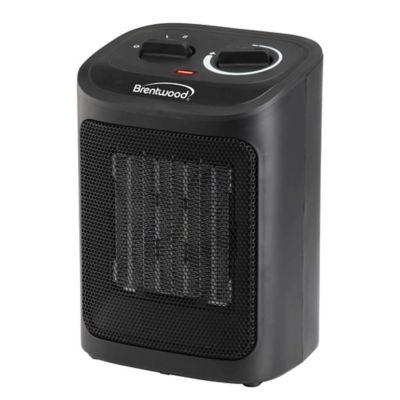
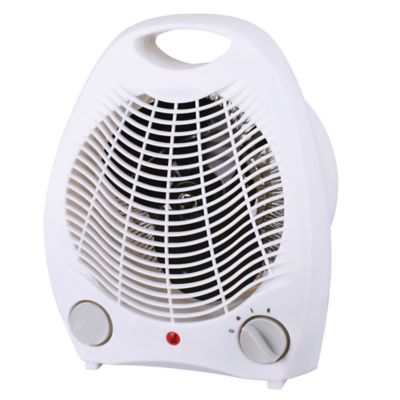
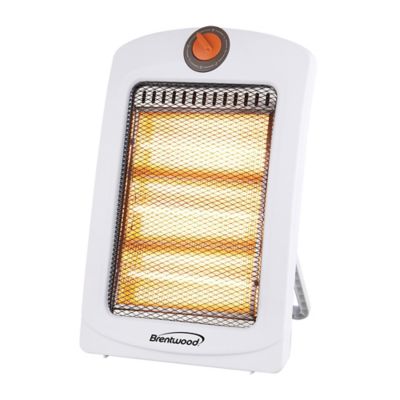
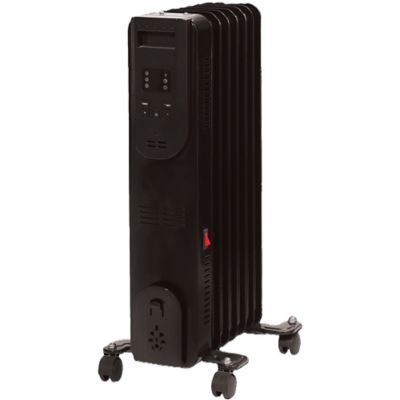
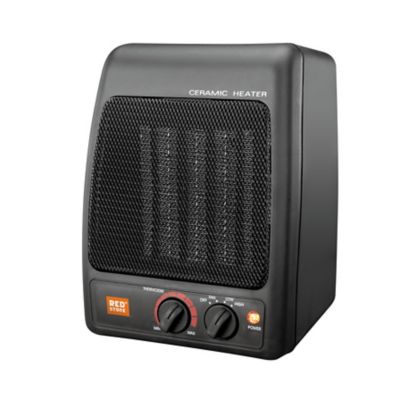
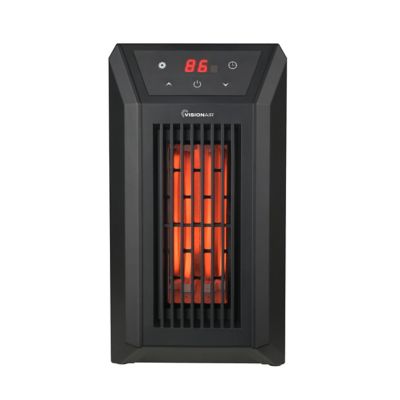
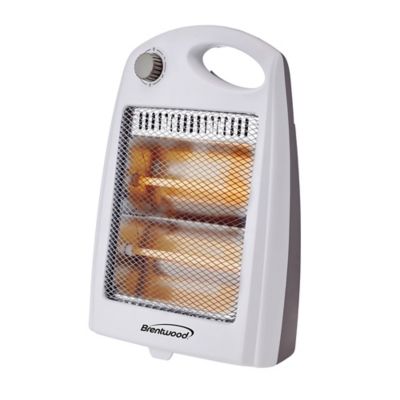
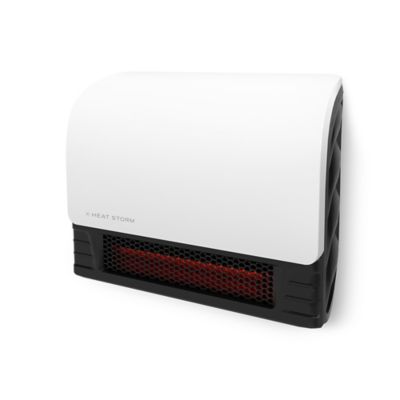
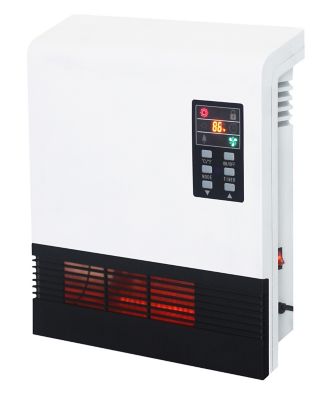
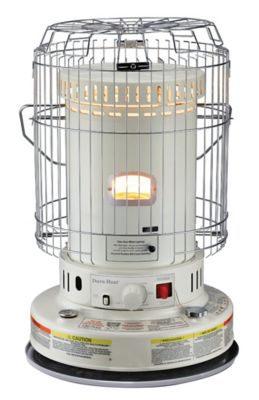
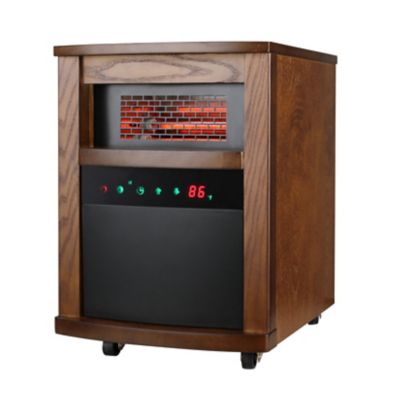
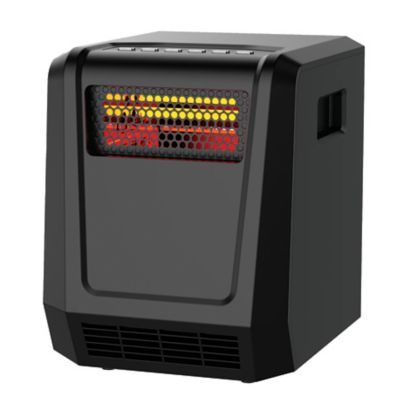
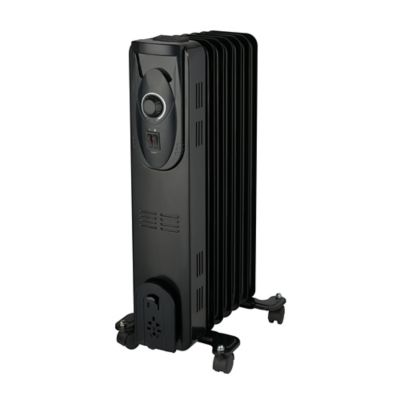
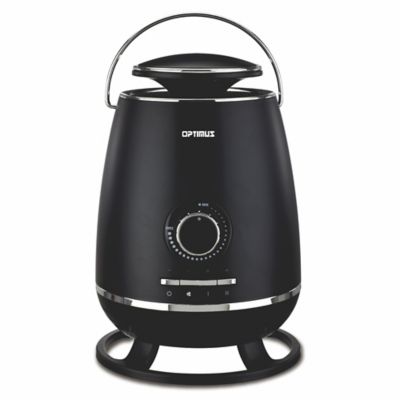
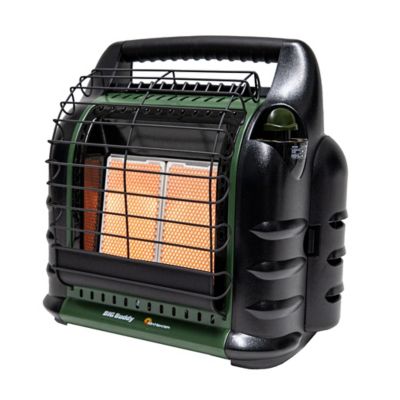
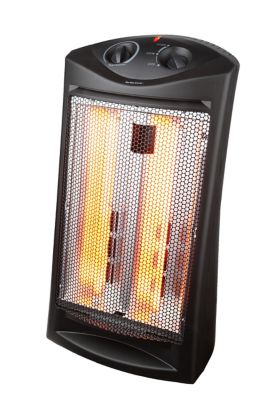
Space Heaters, tip-over protection is one feature to weigh alongside heating method, controls, footprint, and the setting listed by the manufacturer. Ceramic fan-forced heaters move warm air through a room, radiant designs direct warmth toward nearby people and surfaces, and oil-filled electric radiators deliver heat through a sealed fluid-filled body. Each style feels different in everyday operation. Fan noise may matter beside a reading chair, while a larger radiator takes more floor space than a compact heater. Regardless of style, tip-over protection responds to the heater’s position; it does not detect every nearby hazard or make contact with hot surfaces safe. A broad base, manageable weight, and a protected carrying handle can also make everyday placement and handling easier.
The right fit starts with the room and the job, not just the size of the heater’s housing. Room dimensions, ceiling height, insulation, and drafts all affect how much supplemental heat feels useful. A small enclosed office and an open living area with a tall ceiling place different demands on the same heater. Manufacturer heating-area estimates provide context, but an open doorway or a draft around a window can change the result. Adjustable heat settings let the heater run at different output levels, while a thermostat cycles heat to help maintain the selected setting. A timer can limit operating time, though it is not permission to leave the heater unattended. Oscillation can spread airflow across a seating area, and straightforward buttons or a readable display can make adjustments easier without bending close to a hot grille. Materials deserve a look as well. Metal housings and fins may retain heat after shutdown, while molded exterior panels and recessed handles vary in how warm they become. A cool-touch description should never be taken to mean every surface stays cool, especially around the air outlet. The base should sit firmly without wobbling, and the cord should reach a suitable wall outlet without stretching across a walkway. For folks coming in from chores, a dry room with a clear patch of floor is a better fit than a crowded entry piled with coats, boots, and feed sacks. Ordinary household heaters do not automatically belong in a barn, livestock shelter, dusty workshop, or damp outbuilding. Those spaces can involve combustible dust, bedding, moisture, or conditions outside a heater’s rating. Only equipment specifically rated for that environment belongs there. Likewise, a bathroom or laundry area calls for explicit manufacturer approval and attention to electrical requirements. A safety shutoff cannot turn an indoor household heater into equipment suited to every building on the property.
Safe placement remains important even with a tip-over switch. A portable household heater generally belongs on a hard, level, stable surface in the position specified by its manufacturer, never balanced on furniture or tucked beneath a desk with papers hanging nearby. Keep at least 3 feet between the heater and anything that can burn, including curtains, bedding, upholstered furniture, clothing, and paper; follow a greater clearance if the instructions require it. Leave air intakes and outlets open, and keep the heater out of walking paths, door swings, and places where children or pets can reach it. A wagging tail or a boot catching a cord can still create trouble before a shutoff activates. For electric models, plug directly into a suitable wall outlet rather than an extension cord or power strip, and avoid sharing the circuit with other high-draw appliances. The plug should fit securely. A hot plug or outlet, discoloration, a damaged cord, or repeated breaker trips calls for stopping operation and having the problem addressed, not trying another setting. Cords belong in the open, not underneath rugs where damage or heat can go unnoticed. Turn the heater off when leaving the room or going to sleep, even when it has a thermostat, timer, or automatic shutoff. Between heating sessions, allow the unit to cool before moving it or putting it away. Routine care usually involves unplugging the heater and clearing dust from accessible grilles as directed, without getting electrical components wet or opening the housing. A sealed oil-filled radiator does not call for routine oil refills. Before each heating season, check the cord, plug, base, and housing, and follow any manufacturer procedure for checking safety features rather than improvising a test. Never tape down or bypass a tip-over switch to keep a heater running on an uneven surface. A heater that repeatedly shuts off while standing properly needs attention. Thoughtful placement, sensible care, and the right safety features work together to make supplemental heat a practical part of a comfortable room.