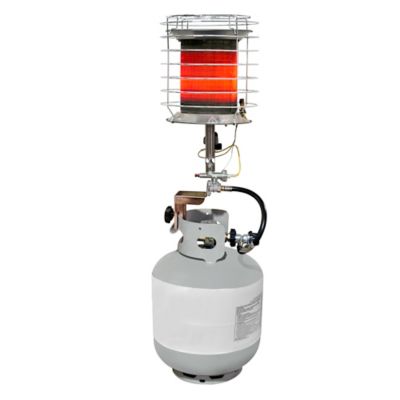
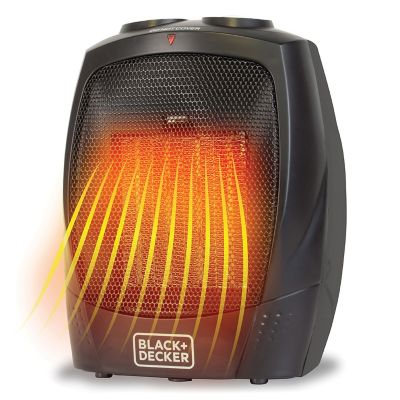
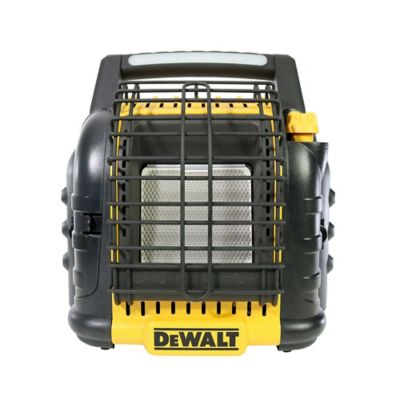
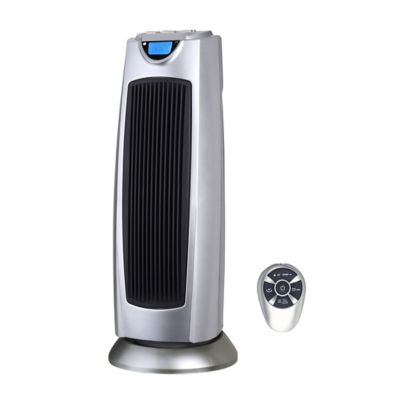
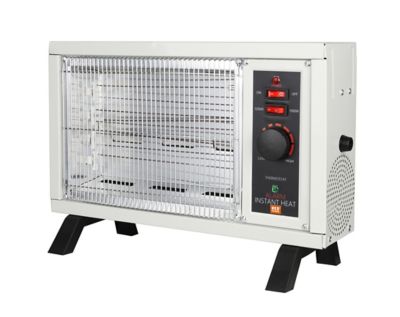
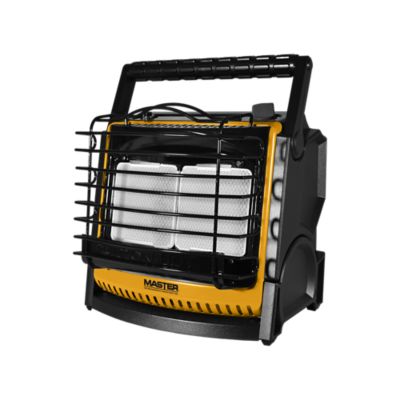
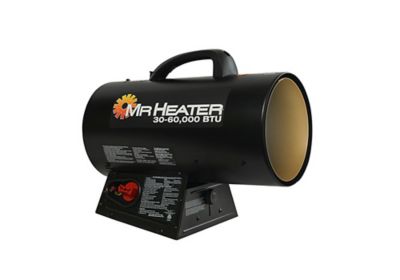
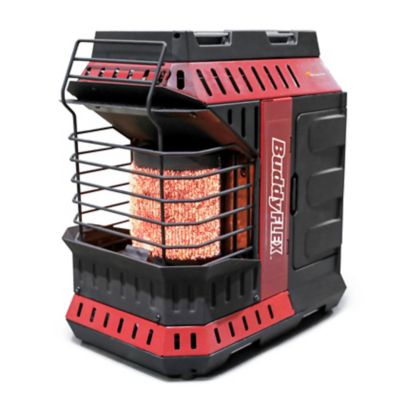
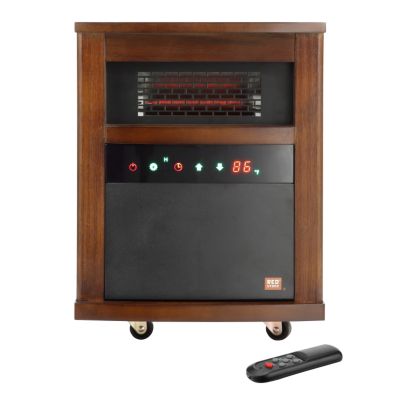
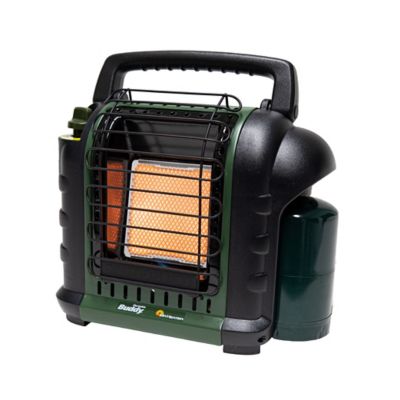
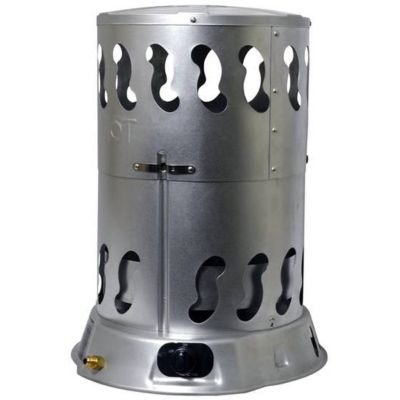
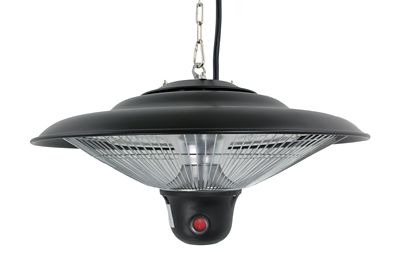
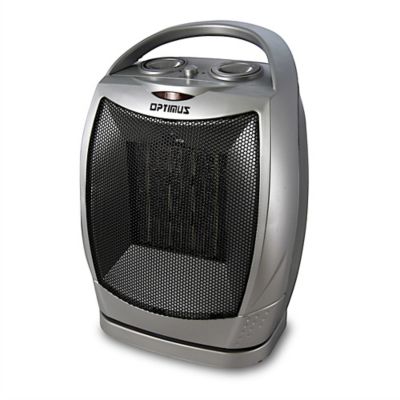
Space heaters with safety features bring extra warmth to the spots where you settle in during the cooler months, whether that’s a home office before daylight, a chilly living room after chores or a drafty corner near the kitchen table. The most important protections to look for include automatic tip-over shutoff, overheat protection and a housing designed to limit contact with hot surfaces. A tip-over switch stops heating when the unit falls over or tilts beyond its operating limit, while overheat protection interrupts operation when internal temperatures rise too high. These features address different hazards, so having one does not replace the other. Cool-touch housings can help reduce the chance of burns from incidental contact, but the term does not mean every surface stays cool; outlet grilles and nearby surfaces may still get hot. Some heaters also have proximity sensors that pause heating when they detect something too close. Sensor coverage and response vary, so check the product details rather than assuming a sensor watches every side. Look for a listing or certification mark from a recognized testing laboratory, such as UL or ETL, that applies to the complete heater. That mark indicates evaluation against applicable safety standards, not a promise that a heater cannot cause a fire. When comparing
Space Heaters, consider these protections alongside the heater’s intended setting, heat output and placement requirements. A broad, stable base can be helpful where foot traffic passes nearby, and clear controls make it easier to confirm the heat setting before sitting down. For households with children or pets, a control lock can help prevent unintended setting changes, though it cannot keep little hands or a curious nose away from hot parts. Safety features work best as layers of protection, backed by open space around the heater and an adult nearby while it runs.
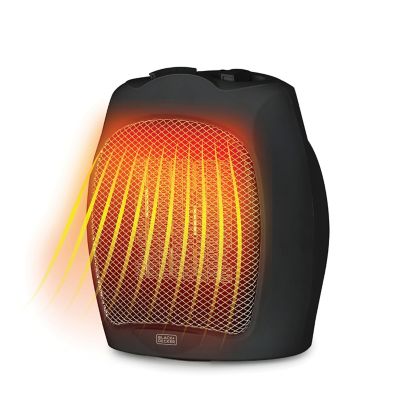
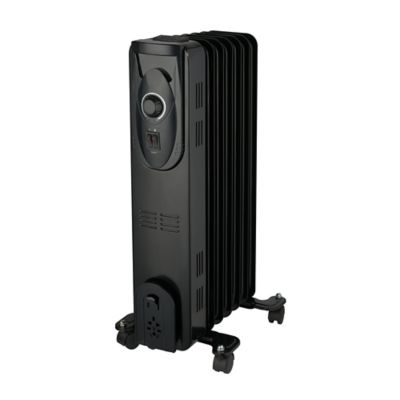
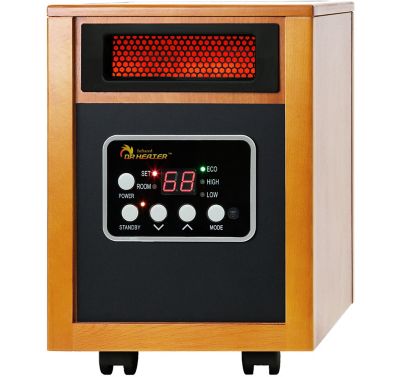
Matching a heater to the room matters just as much as checking its shutoff features. Square-footage recommendations offer a starting point, but ceiling height, insulation, outdoor temperature and drafts all affect how warm a space feels. A snug den and a room beside a frequently opened back door can have very different heating needs, even when their floor areas match. Fan-forced electric heaters move warmed air through a space and can make a cool sitting area feel more comfortable fairly quickly. Radiant heaters deliver more direct warmth to people and objects in their path, while oil-filled electric radiators generally warm up more gradually and continue releasing stored heat after the heating element cycles off. That stored warmth also means surfaces may remain hot after shutdown. For reading, watching television or handling paperwork, sound level may matter; check whether a fan operates at every setting and whether the controls make audible clicks. An adjustable thermostat helps maintain a chosen temperature by cycling heat, and multiple output settings give you more flexibility as room conditions change. A timer can limit the operating period, but it is not permission to leave a heater unattended or running while you sleep. Shoppers outfitting a home office, adding warmth to a sitting room or choosing a practical gift for someone who always reaches for another sweater may also appreciate easy-to-read displays, handles and controls that do not require bending close to the heat outlet. Make sure the recipient has a suitable spot and electrical outlet before choosing a heater as a gift. Check wattage and electrical requirements, too. Many portable electric heaters draw substantial power at their highest setting, and sharing a circuit with other high-demand appliances can overload it. A lower heat setting can reduce power draw while operating, but total electricity consumption still depends on wattage and running time. Supplemental heat is most useful when it suits an occupied space, rather than trying to make a small portable unit carry the heating load of an entire house.
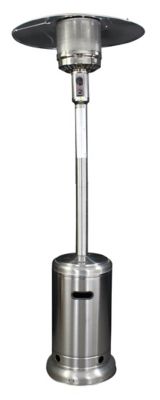
Placement is where everyday routines meet heater safety. Picture the back room after morning chores: coats hanging from hooks, boots beside the door and a chair pulled close to a window. A heater needs its own clear patch of floor, not the narrow gap between those belongings. Keep portable heaters at least three feet from bedding, curtains, furniture, clothing, paper and other combustible materials, and follow any greater clearance in the manufacturer’s directions. Set the unit on a firm, level surface approved for its operation, away from door swings, walking paths and places where a pet might push it over. Never drape gloves, towels or damp work clothes over a heater, and do not aim it at a pile of gear to speed up drying. Plug a portable electric heater directly into a suitable wall outlet, not an extension cord or power strip, and keep the cord out from under rugs or furniture. Stop operation if the plug, cord or outlet becomes hot, shows damage or fits loosely; an electrical concern needs attention before the heater runs again. Keep air intakes and outlets clear, and follow the manufacturer’s cleaning directions with the unit unplugged and cool. Around a farm or rural property, location ratings deserve a close look. A heater intended for a dry indoor room is not automatically suitable for a damp mudroom, bathroom, open shed or dusty shop. Areas containing hay, airborne dust, gasoline, paint solvents or other flammable materials call for equipment specifically approved for those conditions, not an ordinary household heater. Fuel-burning heaters have separate ventilation and carbon monoxide requirements; never bring an outdoor-only heater inside. For any heater, read the operating instructions, turn it off when leaving the room or going to bed, and maintain working smoke alarms. Maintain carbon monoxide alarms wherever fuel-burning equipment or an attached garage creates a potential exposure. Thoughtful placement, suitable electrical service and built-in shutoffs all contribute to a more comfortable setup, whether you’re warming your hands after a cold walk to the mailbox or settling in for an evening at home.