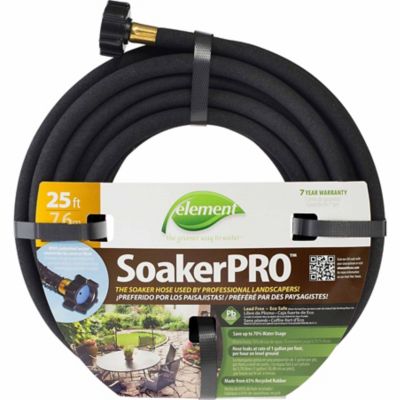
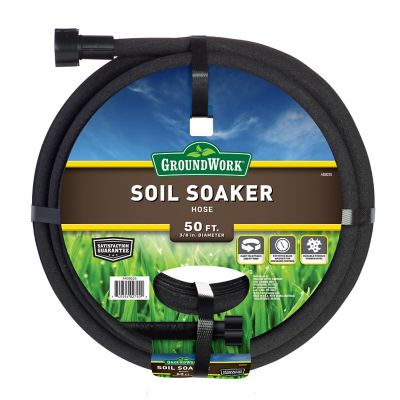
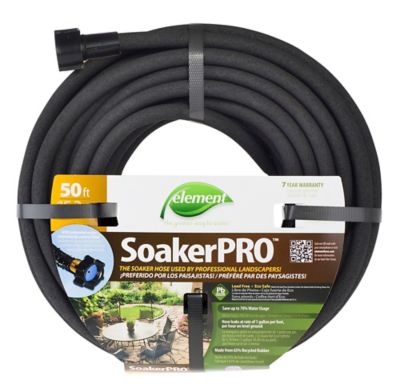
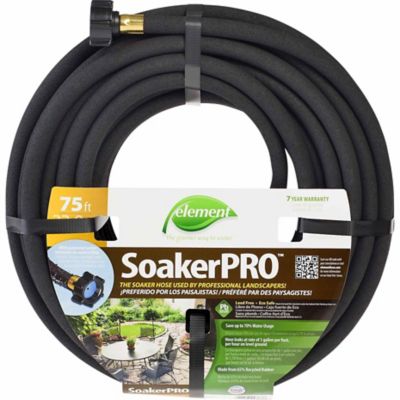
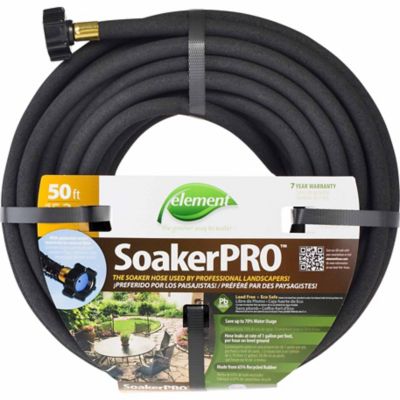
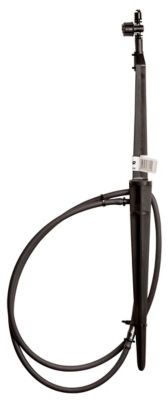
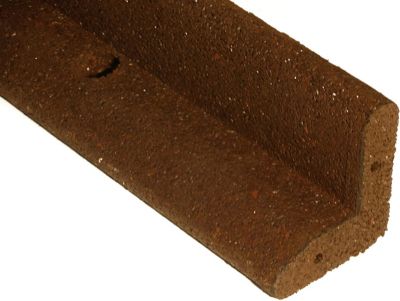
When it comes to keeping flower beds lush and thriving as the weather warms and stays mild through the changing seasons, a soaker hose for garden use is a real game changer. Folks who want to make the most of every drop of water—whether they’re tending a backyard patch of perennials, a long row of roses, or a mixed border with shrubs and annuals—find soaker hoses to be a smart, hands-off solution. These hoses are designed to seep water slowly and evenly along their entire length, delivering moisture right to the root zone where plants need it most. That means less water wasted to evaporation or runoff and a whole lot less time spent standing around with a sprayer. For folks with busy schedules or those who just want to kick back and enjoy their yard, a garden soaker hose can be a real time-saver. And if you’ve got a gardener in your life, a soaker hose makes a thoughtful gift—especially for anyone who’s always looking for ways to make their flower beds healthier and their watering routine easier.
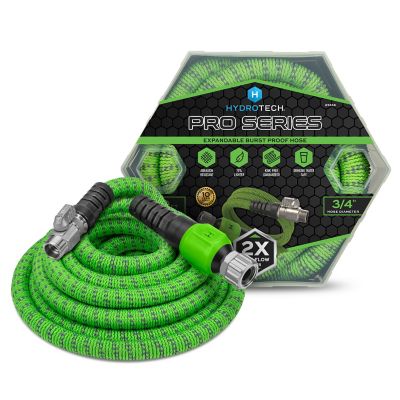
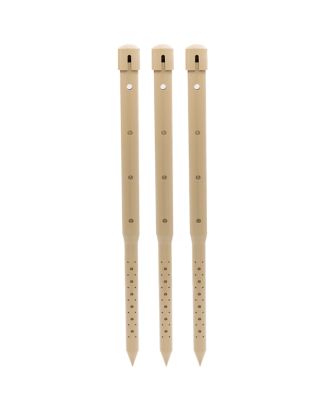
Choosing the right soaker hose depends on the size and shape of your flower beds, as well as the types of plants you’re growing. Many gardeners prefer a 3/4 soaker hose for larger beds or longer runs, since it can handle higher water flow and maintain more consistent pressure from end to end. For smaller or more compact beds, thinner hoses can snake easily between closely planted flowers. When laying out your hose, it’s best to weave or zigzag it through the beds, keeping it within an inch or two of the base of each plant. This ensures that water soaks in right where it’s needed, which is especially important for new plantings or thirsty summer blooms. Securing the hose with garden staples keeps it in place, even if you’re working around established shrubs or winding pathways. And don’t forget to use a regular garden hose to connect from your spigot out to the bed—soaker hoses are meant for soaking, not for stretching across lawns or walkways.
To get the most out of your tractor supply soaker hose, consider adding a pressure regulator at the spigot. Soaker hoses work best at low pressure, and too much can cause them to split or spray instead of seeping gently. Covering the hose with a layer of mulch—straw, wood chips, or compost—helps hold in moisture, keeps the hose out of sight, and protects it from the sun’s rays. If you’re setting up a new system, it’s a good idea to flush the hose before capping the end, just to clear out any bits left over from manufacturing. For folks who want to automate their watering, a timer at the spigot can take all the guesswork out, delivering just the right amount of water every week without overdoing it. Whether you’re a seasoned gardener or just starting out, garden soaker hoses make it simple to keep your beds looking their best all season long. If you’re interested in learning more about setting up an efficient and low-maintenance watering system, check out our page on
Garden Hose Irrigation Systems for more tips and ideas.