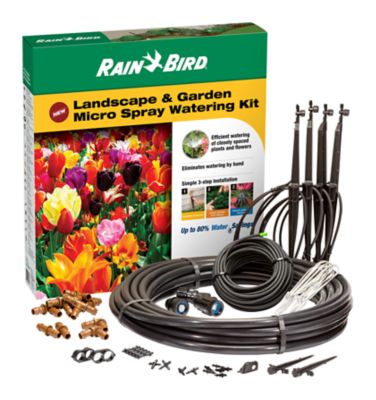
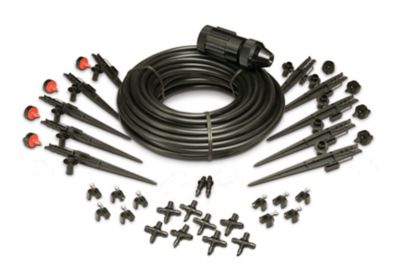
Drip irrigation is a practical way to deliver water right where plants need it, whether you are caring for a backyard vegetable patch, a row of berry bushes, flower beds along the porch, raised garden beds, or young trees scattered across a larger piece of ground. Instead of spraying a wide area, a drip setup releases water slowly at the soil line, helping soak the root zone while reducing the runoff and overspray that can leave walkways muddy or send water onto fences and siding. This focused approach can be especially handy for gardeners working with sandy soil, sloped ground, containers, or beds tucked beneath a roof overhang where rainfall does not always reach evenly. It also suits busy households, small homesteads, and anyone who wants a more consistent watering routine during the warmer part of the growing season. When choosing products for a drip irrigation setup, consider the size and shape of the area, the number of plants, the distance from the water source, and whether the system will connect to a hose, outdoor faucet, rain barrel, or existing irrigation line. A small patio garden may only need a simple arrangement, while a longer garden row or collection of landscape beds may call for additional tubing, connectors, shutoff points, filters, pressure control, or separate watering zones. Looking closely at spacing and layout before making a purchase can help you choose components that fit together cleanly and leave room for future changes. Gardeners often add plants over time, and a little extra capacity can make it easier to extend the system when a new bed, stock tank planter, or line of shrubs finds a home.
The right drip irrigation supplies can make everyday plant care feel less like hauling a watering can and more like a dependable part of the property routine. Lines can be arranged along rows of tomatoes, peppers, cucumbers, squash, herbs, and greens, or tucked around ornamental plants so water reaches the soil without soaking blooms and foliage. For containers, a carefully placed emitter can help prevent the dry pockets that develop around the edge of a pot, while a line beneath mulch can keep moisture near the roots and out of sight. This is useful for gardeners who spend long days working, travel occasionally, or care for plants at a second home, cabin, or hunting property. It can also be a thoughtful gift for a new homeowner, a backyard gardener, a parent helping a child start a first vegetable patch, or a neighbor who takes pride in a tidy landscape. Before putting a system together, check the water pressure and make sure the source is clean enough for small openings and delicate components. A filter can help catch grit, while pressure control helps keep water moving at a steady rate instead of rushing through the lines. It is also worth measuring the garden and sketching the beds on a scrap of paper, marking the faucet, corners, rows, and plants that need separate attention. That simple plan can prevent wasted tubing and help you decide whether each section should run together or be divided into manageable zones. For more ideas on assembling a watering setup for beds, containers, and landscape plantings, browse the
Garden Irrigation Kit selection.
Seasonal care matters, too. As the weather cools and gardens begin winding down, drip irrigation can still be useful for shrubs, evergreens, perennial beds, newly planted trees, and fall vegetables that need steady moisture while roots become established. During dry stretches, slow watering gives the ground time to absorb moisture instead of sending it across the surface, which is helpful around freshly planted shrubs or areas with compacted soil. Once freezing weather becomes a concern, many gardeners disconnect the water source, drain the lines, and store removable parts in a sheltered place so trapped water does not expand and cause damage. Tubing can be left in place in some garden beds, but lifting or securing it may make cleanup easier and help prevent accidental cuts from shovels, rakes, or tillers. Keep an eye out for clogged outlets, cracked fittings, animal damage, and loose connections, especially after moving soil or working around the beds. A little maintenance goes a long way toward keeping water flowing evenly when the growing season returns. Drip irrigation supplies are also useful beyond traditional gardens: they can support potted trees on a deck, landscaping around a workshop, planting beds beside a chicken coop, or a small patch of food grown near the kitchen door. Whether the goal is conserving water, cutting down on hand watering, or simply giving plants a steadier drink, a well-planned setup can bring a welcome bit of order to outdoor chores. With the right fit for your space, dependable connections, and a layout that follows the natural shape of your property, drip irrigation can help keep roots healthier and make garden care easier through changing weather.