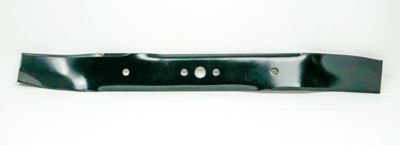
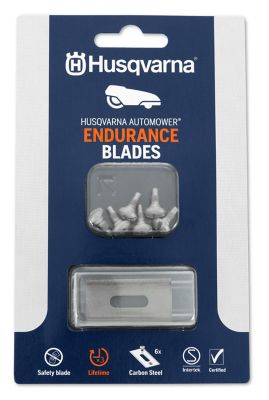
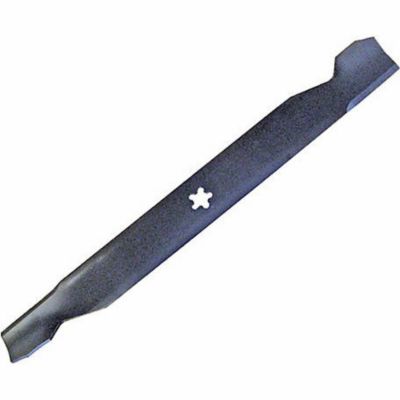
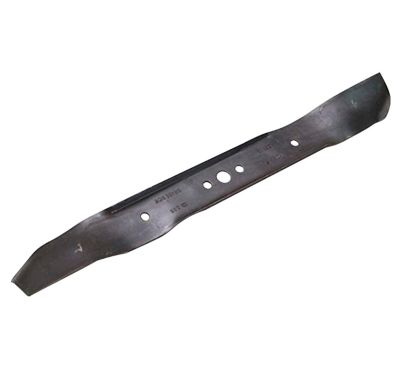
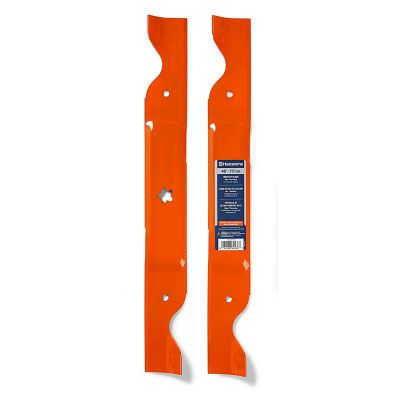
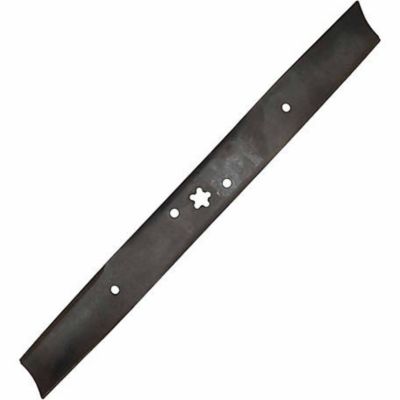
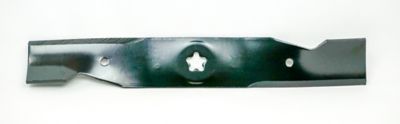
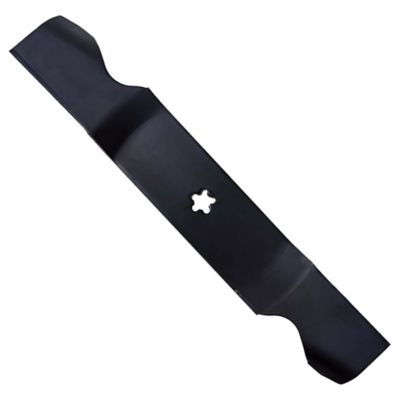
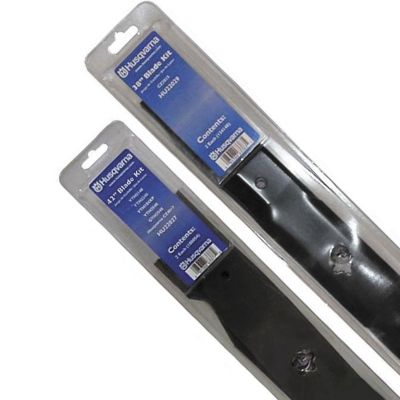
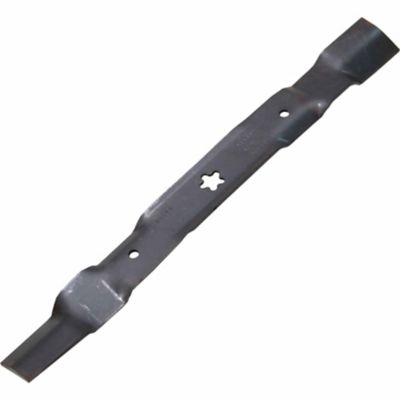
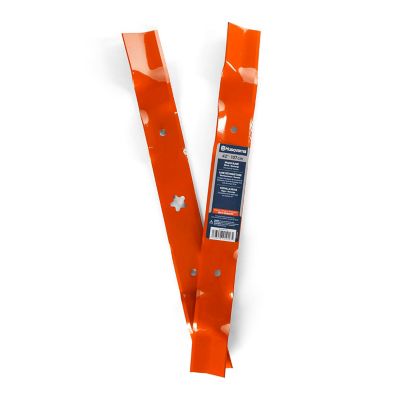
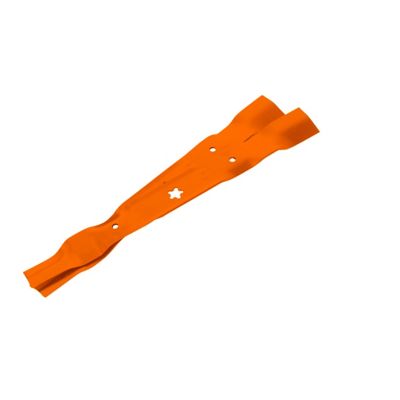
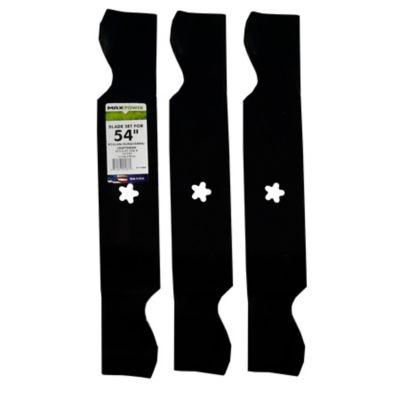
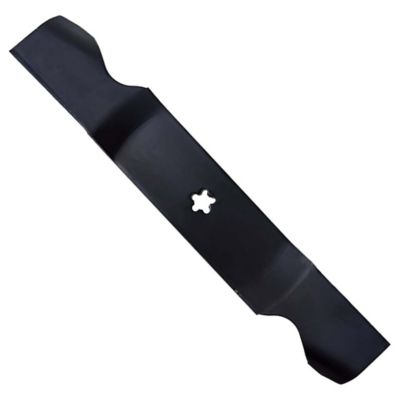
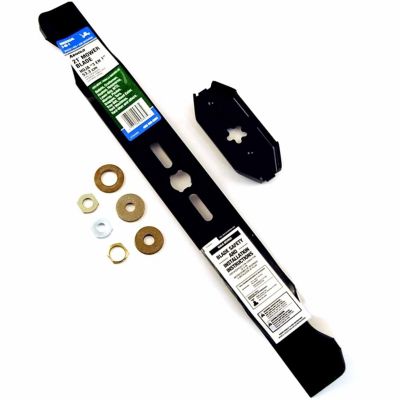
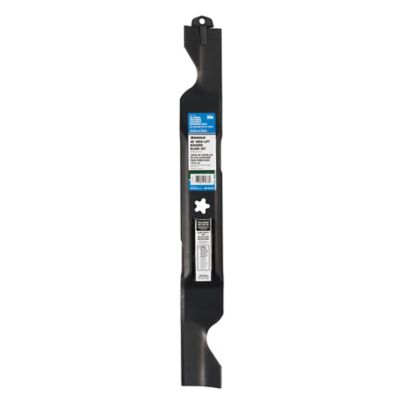
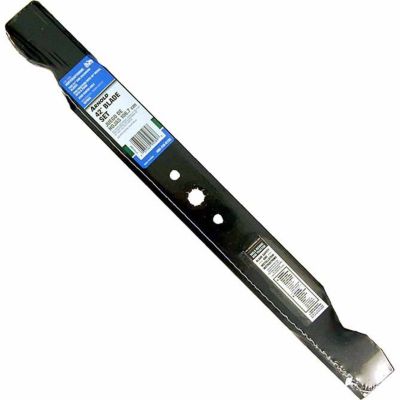
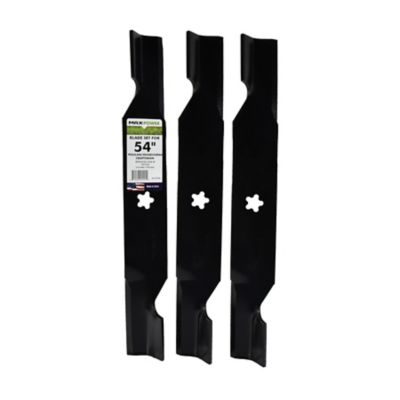
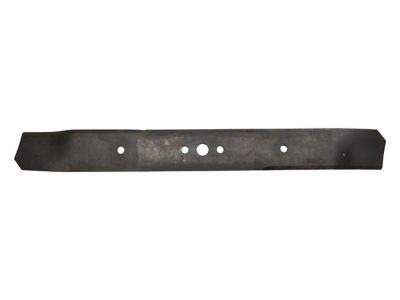
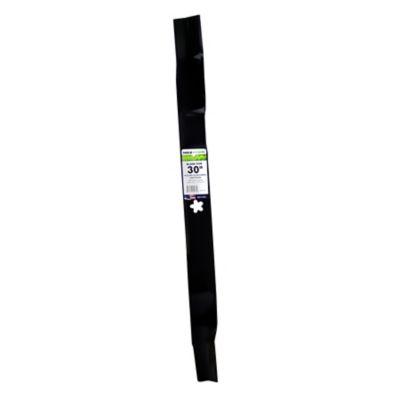
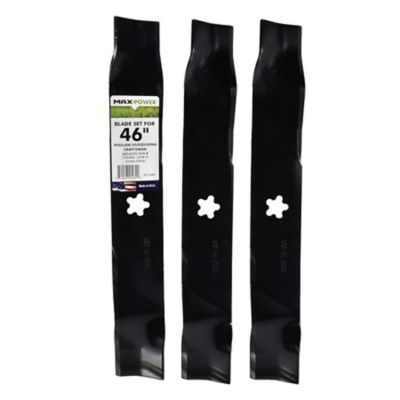
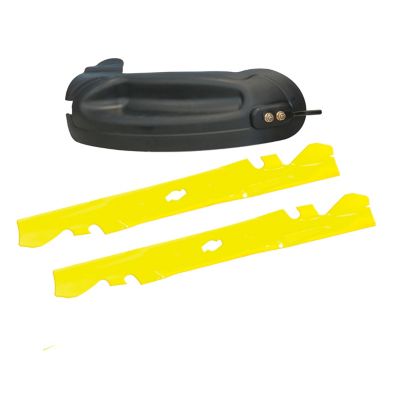
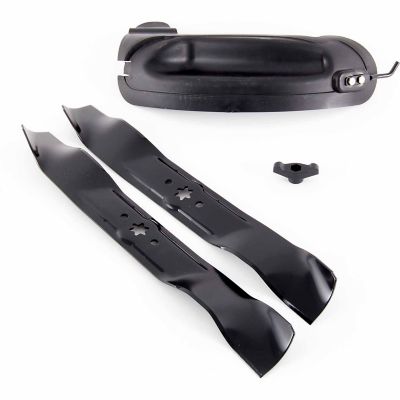
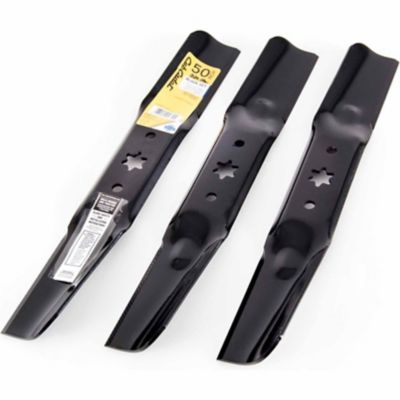
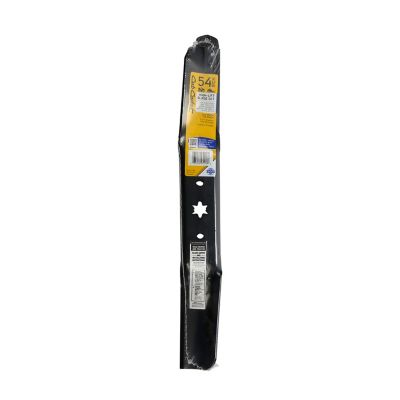
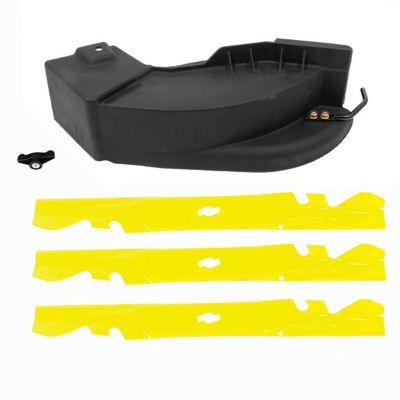
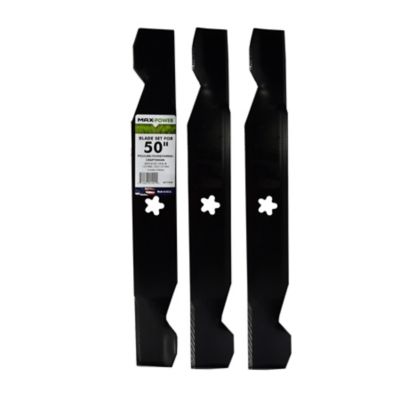
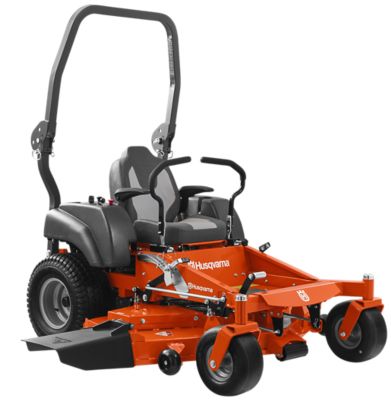
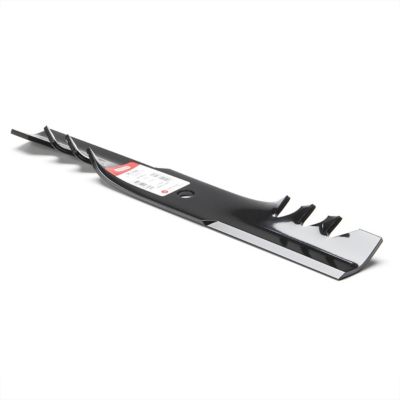
Lawn mower blades are matched to the mower model, deck size, mounting pattern, and cutting function, whether the job calls for bagging, mulching, or side discharge. Those details matter more than a blade’s general appearance. Two blades can look much alike on a workbench yet have different center holes, offsets, or cutting profiles that keep them from fitting the same mower. Common mounting arrangements include star-shaped openings and round center holes, with some designs specifying a 5-point star or a 5/8-inch opening. The mower’s replacement specifications determine which arrangement belongs on the spindle. Blade length, width, thickness, and center-hole dimensions all play a part, along with the shape of the blade around the mounting area. A stated deck width describes the mowing deck, not necessarily the length of an individual blade. Larger decks often carry two or three blades that work together across the cutting path, while many walk-behind mowers have a single blade beneath the deck. That makes the number of blades another important part of comparing replacements. Even mowers with the same deck width may require different blade configurations, so deck size alone does not establish compatibility. The model information on the mower and the blade specifications in its manual provide a firmer starting point than a visual match. For a homeowner keeping the yard around the house tidy, the right fit supports an even cut without turning routine upkeep into a guessing game. For someone mowing around a barn, along a driveway, or across a larger home place, the same fit details help keep the deck working as intended over a longer stretch of ground. Cutting direction also matters: the cutting edge and the raised portion of the blade have distinct jobs, and the blade must sit in the orientation specified for that mower. A replacement that matches the full set of requirements gives the cutting system the blade shape and clearance it was designed around.
Blade style affects what happens to grass after it is cut. Standard blades generally support the discharge arrangement specified for the mower, moving clippings out of the deck rather than keeping them circulating for extended cutting. High-lift blades have a more pronounced upward curve along the trailing portion, creating airflow that helps carry clippings toward a discharge chute or collection system. That can make them a suitable choice for compatible bagging setups, particularly when gathering clippings is part of keeping paths, play areas, or the space near the porch neat. More lift is not automatically better for every yard, though. A stronger air current can also pull more loose dirt into the deck on sandy or sparsely grassed ground, adding abrasion to the blade and surrounding components. Mulching blades have a cutting profile intended to keep clippings moving through the deck for additional cutting before returning smaller pieces to the lawn. Their performance depends on the complete mower setup, including any required mulch plug, baffles, or other manufacturer-specified components. A mulching blade by itself does not turn every mower into a mulching system. The amount of grass entering the deck also affects the result. Taking off too much growth in one pass can leave clumps even with the appropriate blade, while a manageable cutting load gives the deck room to move clippings as intended. For broad stretches of grass, a side-discharge setup may suit the job; near garden beds or walkways, clipping direction deserves more attention. None of these styles replaces the need for the correct fit, and a blade’s cutting function should agree with the mower’s approved configuration. Choosing among them is less about finding one blade for every situation and more about matching the cutting system to the way the property is maintained. Bagging, mulching, and side discharge each serve a practical purpose when the blade and deck are meant to work together.
Steel is the usual material for mower blades because it provides the strength needed for repeated cutting while allowing the edge to be sharpened within the manufacturer’s limits. Steel formulation, heat treatment, thickness, and blade shape all influence resistance to wear, bending, and impact, but no mowing blade is meant to cut stones, wire, or other debris. Around a country property, gravel near a drive, fallen fence hardware, and objects hidden beside outbuildings can be harder on a cutting edge than grass itself. Abrasive soil can gradually thin the metal, especially along the lifted portion that moves air and clippings. Protective finishes may help limit surface corrosion, but the cutting edge and other exposed areas still need attention. Routine care includes clearing away packed grass, inspecting for damage, and keeping the mower in a dry storage area according to its care instructions. All blade handling and service require the mower to be secured against starting or moving, with power sources disconnected as directed in the manual. A sharp, properly balanced blade can cut grass cleanly, while a dull edge may leave ragged tips. Cracks, bends, excessive thinning, or damaged mounting openings call for replacement rather than an attempt to grind or straighten the blade back into shape. Sharpening removes metal, so keeping the blade within its service limits and maintaining its balance matter just as much as restoring the edge. Professional servicing can help when those limits or the blade’s condition are uncertain. For a property that also has a compatible machine,
Craftsman Push Mower Blades offers another equipment-specific place to look, with fit requirements considered separately for each mower. Whether the mowing job covers a small fenced yard or several connected stretches around the house and outbuildings, the practical goal stays the same: a blade that fits correctly, suits the discharge system, and remains in sound condition for the work ahead.