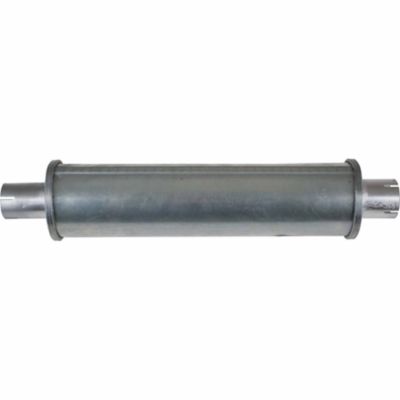
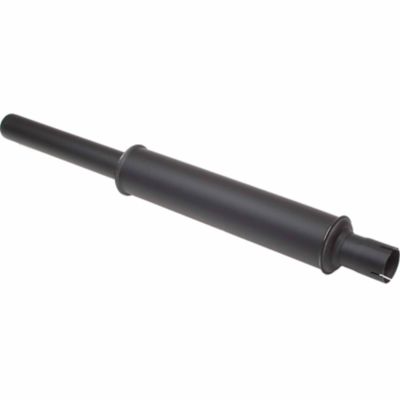
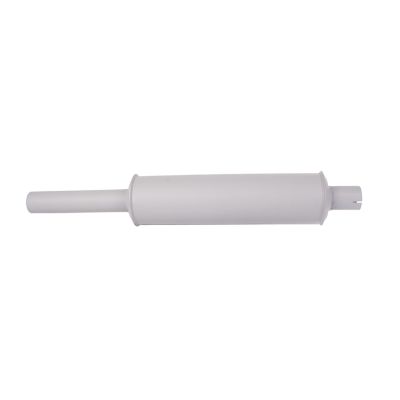
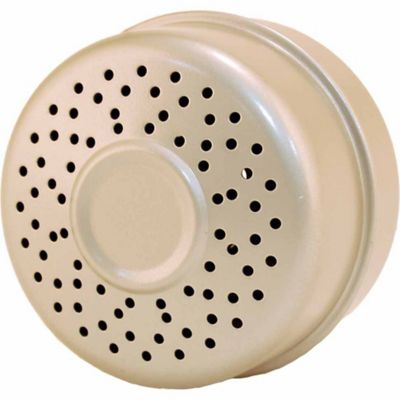
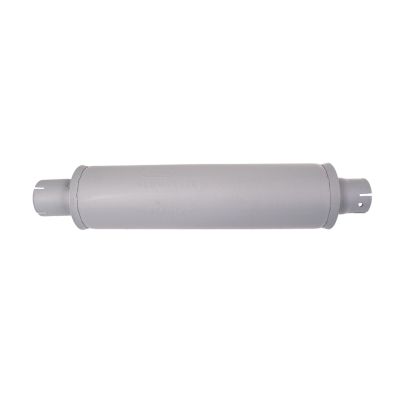
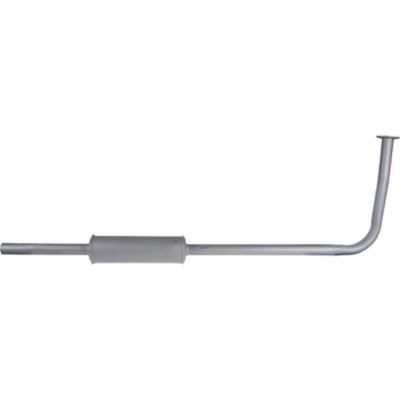
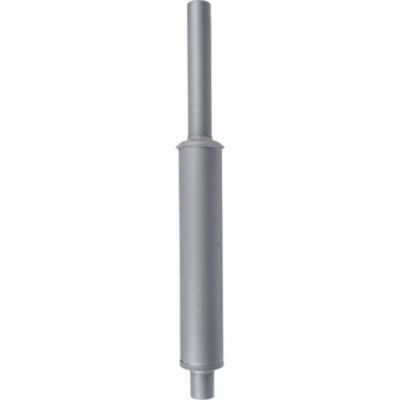
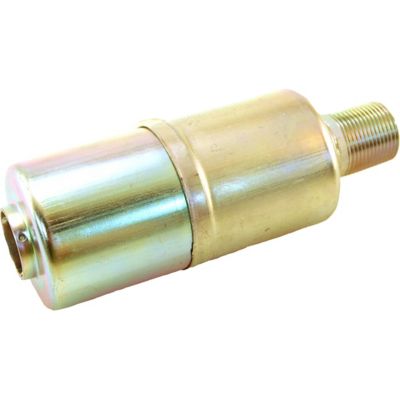
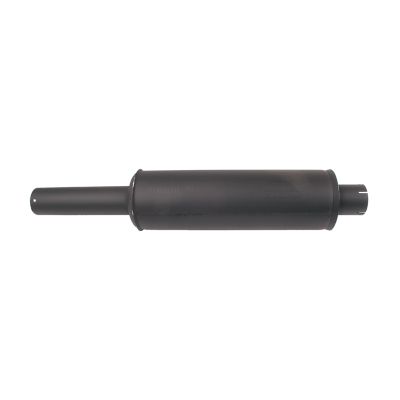
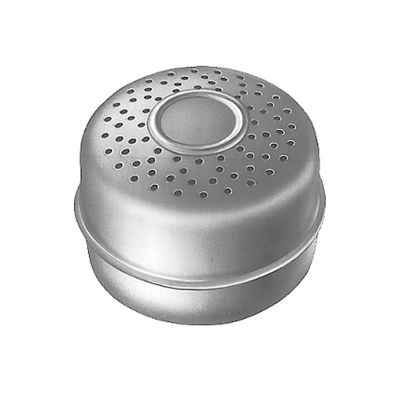
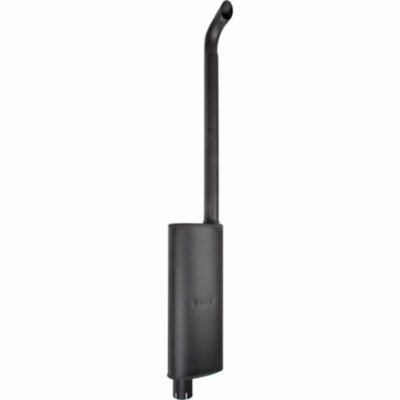
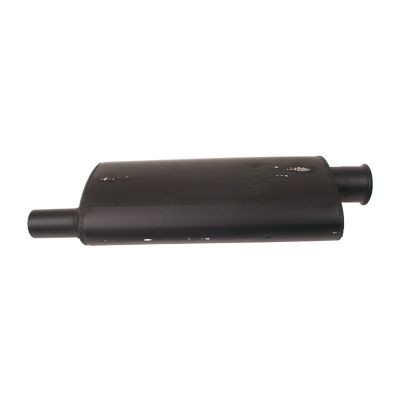
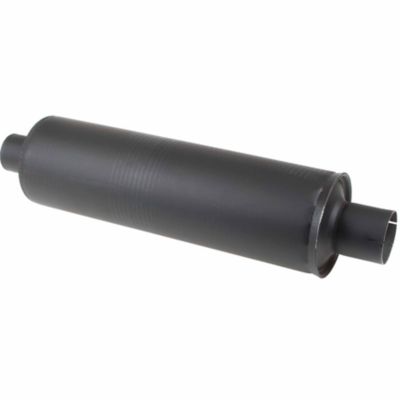
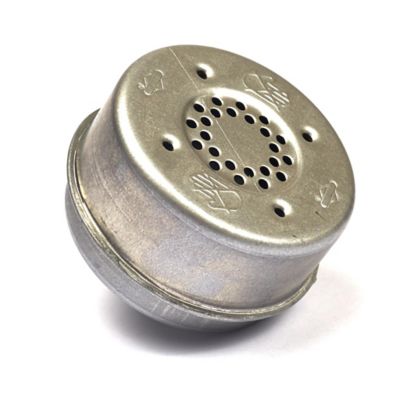
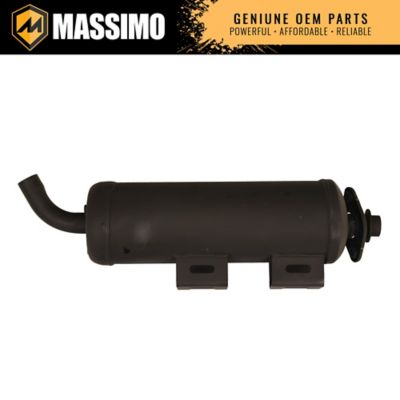
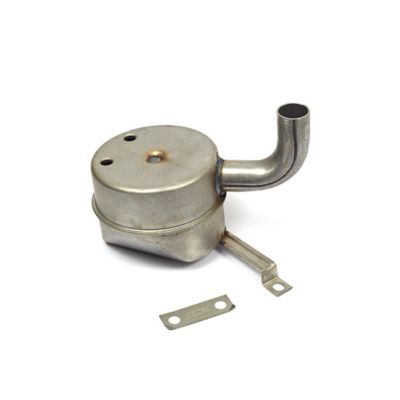
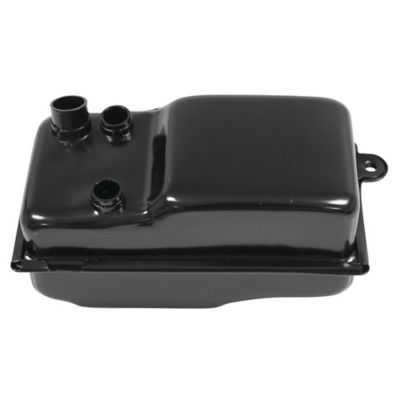
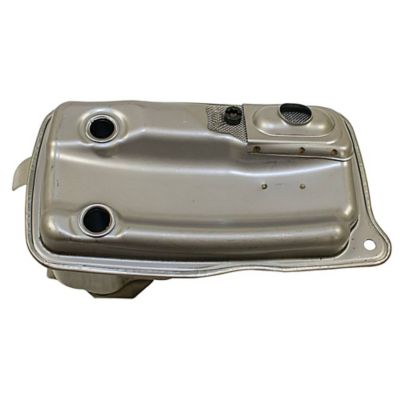
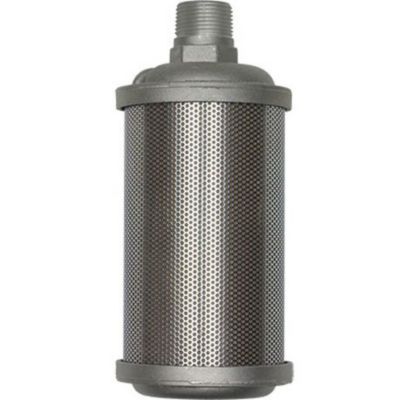
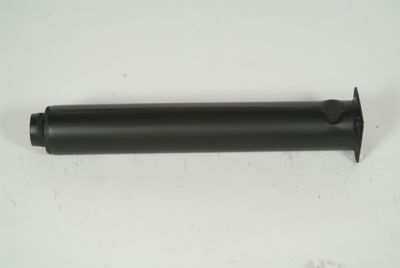
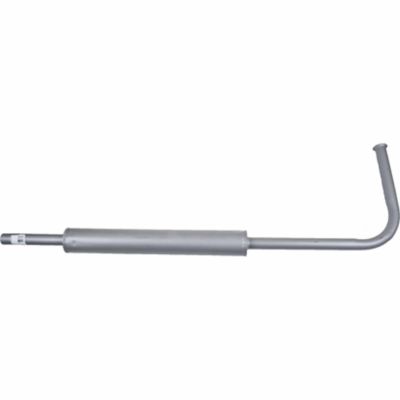
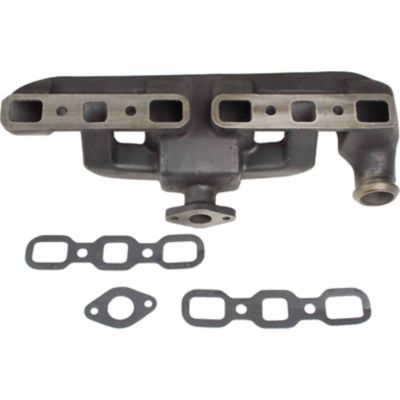
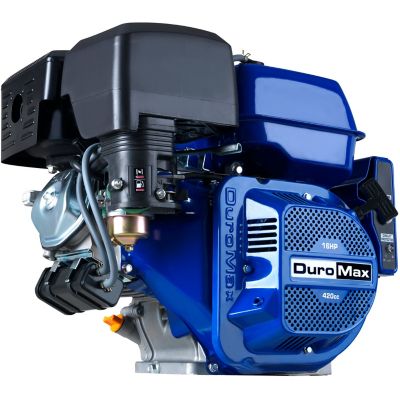
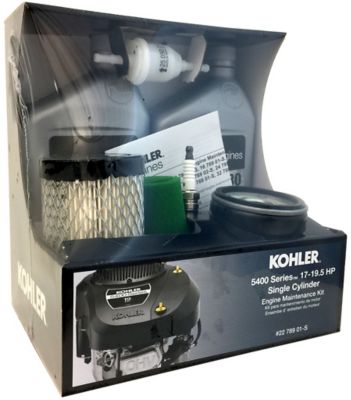
Small engine mufflers help take the sharp bark out of engine exhaust while directing hot gases away from nearby components and the operator. On a mower, tiller, generator, water pump, or other engine-powered equipment, the muffler is part of an exhaust system built around a particular engine and its working conditions. Internal chambers and baffles soften exhaust pulses without restricting flow beyond the engine’s design requirements. That balance matters whether the job is mowing around fence posts, working a garden plot, or pumping water across the property. A suitable replacement helps maintain the engine’s intended sound level and exhaust routing; a larger muffler does not automatically mean quieter operation or better performance. Common styles include compact, round pancake mufflers, cylindrical canister designs, and larger chambers that attach through a flange or exhaust pipe. Thread-on mufflers screw into a compatible exhaust outlet, while bolt-on mufflers attach with fasteners and may require a gasket, bracket, or separate pipe connection. Some threaded designs have nominal connections such as 1/2 inch or 3/4 inch, but those measurements alone do not establish compatibility. The thread specification, engine application, and room around the outlet all matter. Low-tone designs can change the character of the exhaust sound, although the result depends on the engine and the complete exhaust arrangement. Mufflers also do not silence every sound a machine makes: cooling fans, moving parts, blades, and vibration still contribute to operating noise. Hearing protection may remain necessary even with the correct exhaust system in good condition. For folks maintaining acreage, keeping a garden machine running, or servicing equipment in a small repair shop, small engine replacement mufflers serve a practical purpose. They replace damaged exhaust components and help keep everyday machinery working as intended, without turning a straightforward repair into an exhaust modification that the engine was never designed to support.
Fit starts with the engine identification, not just the equipment name or horsepower rating. Engines with similar power ratings can have different exhaust ports, mounting patterns, and clearance requirements, and the same type of machine may have different engines across production runs. The engine model, type, and specification information, along with the manufacturer’s parts reference, provides a better basis for matching a replacement. For a flange-mounted muffler, bolt spacing, flange shape, gasket requirements, and the position of the exhaust opening deserve close attention. For a threaded muffler, thread diameter and pitch must match the outlet; forcing a mismatched connection can damage the engine’s exhaust port. Overall dimensions are just as important as the connection itself. A replacement needs enough room beneath the hood or beside the frame, with clearance from fuel lines, wiring, belts, plastic covers, and other heat-sensitive parts. Outlet direction matters around grass, debris, and places where someone might reach during normal operation. A muffler that attaches to the engine but points exhaust toward a handle or fuel tank is not a suitable fit. Support brackets and heat shields also belong in the fit discussion, since engine vibration and exhaust heat place demands on more than the muffler body. Many small engine mufflers have formed steel housings, welded seams, and internal metal baffles. Depending on the application, protective finishes or corrosion-resistant materials may help the housing withstand exhaust exposure and ordinary equipment wear. Construction details such as mounting reinforcement and solid welds matter on machinery that rattles over uneven ground or runs for extended stretches. Still, material thickness alone cannot determine service life or suitability. The replacement must match the engine’s exhaust requirements and the equipment’s mounting arrangement. A part described as universal may fit several applications, but that label is not a promise that it fits every small engine. Matching the full assembly, including any required gasket, fasteners, shields, and supports, helps avoid clearance trouble and unwanted strain at the exhaust outlet.
Care and condition also influence how well a small engine exhaust muffler serves through regular work. Rust holes, cracked seams, broken mounting points, and loose internal baffles can change the exhaust note or create a metallic rattle. Black soot around a flange or threaded connection may indicate an exhaust leak rather than damage inside the muffler itself. A sudden increase in noise deserves attention, but reduced engine power can have several causes and should not automatically be blamed on the exhaust. There is no single replacement interval that applies to all small engine mufflers; operating hours, vibration, engine condition, and the manufacturer’s service requirements all affect their lifespan. Routine equipment checks can include looking for loose hardware, damaged shields, and debris collected near the exhaust, with the engine shut off and fully cooled before inspection or service. Approved cleaning methods matter, especially when a muffler includes a serviceable spark arrester screen. Not every muffler is a spark arrester. Where equipment operation requires spark control, the assembly needs the appropriate rated or approved spark arrester for that application, maintained according to its instructions and any applicable rules. A muffler alone does not remove the risk of ignition around dry vegetation or other combustible material. It also does not make exhaust safe to breathe or permit an engine to run inside a barn, garage, or other enclosed space. Fuel-system condition is another piece of the picture: an overly rich fuel mixture or an engine burning oil can contribute to exhaust deposits, and replacing the muffler will not correct those underlying problems. When a repair involves fuel delivery as well as exhaust components,
small engine carburetors belong in a separate, engine-specific fit check. For a mower making its regular rounds or a pump with a long job ahead, the sensible match is a muffler that preserves the intended exhaust path, clears surrounding parts, and works with the engine’s original requirements. Those details help keep the repair focused on the job the machine needs to do.